Camping options near Mill River, Massachusetts include rustic tent sites and improved campgrounds with amenities throughout the southern Berkshires. The region sits at elevations ranging from 800 to over 2,300 feet, creating diverse microclimates across the camping areas. Most campgrounds operate seasonally from May through October when temperatures range from 40°F at night to 80°F during peak summer days.
What to do
Hiking to waterfalls: Access Bash Bish Falls with a short trail crossing from New York into Massachusetts. According to John E., "nearby is the main attraction Bash Bish Falls, which you take a short hike across state lines into Mass" at Taconic State Park.
Fly fishing: The Farmington River offers catch-and-release trophy trout fishing directly accessible from riverside campsites. Tom C. notes that Austin Hawes Campground provides "access to many many other favorable fishing spots" and is "right on the farmington river and off the main road."
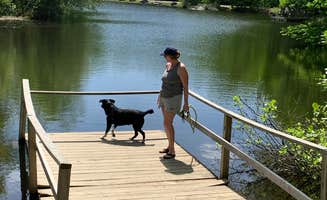
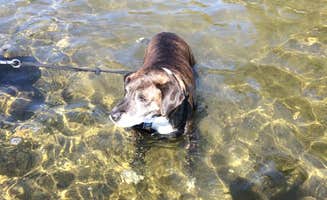
Swimming in natural settings: Otis Reservoir at Tolland State Forest offers family-friendly swimming with sandy beaches. Nicole G. mentions, "The swimming area is small but sandy, great for kids, and my daughter loved the campfire and nature talk given on Saturday night by park staff" at Tolland State Forest Campground.
What campers like
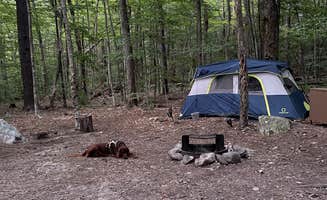
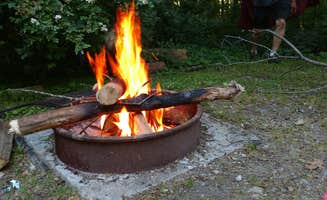
Platform tent sites: Many campgrounds offer raised wooden platforms to keep tents dry during wet conditions. At Taconic State Park, Christina M. explains: "Each of the sites had a large platform (enough room for one very large tent or 2-3 smaller tents), a fire pit, and picnic table."
Clean facilities: Shower and bathroom facilities receive consistent praise at several campgrounds. Rebecca D. notes at Tolland State Forest Campground: "The bathhouses have always been clean with sinks to wash your dishes."
Wildlife sightings: The area has active wildlife including deer, frogs, and birds. John E. reports: "The taconic mountains offer some great flora and fauna. We had several species of frogs and toads wandering about in the evening, giant millipedes were plenty, and even found a meet on our hike."
What you should know
Bear activity: Multiple campgrounds report bear encounters, requiring proper food storage. Kay D. at Alander Trail Campground notes: "You will be in the heart of the forest/woods so definitely make sure to be prepared. We had some scares with coyotes and bears in the past but never anything crazy."
Weekend crowds: Proximity to urban areas means many campgrounds fill quickly Thursday through Sunday. John E. cautions: "This was a truly great campground, but its proximity to NYC draws large crowds on weekends."
Variable cell service: Most forested campgrounds have limited or no cellular connectivity. Katherine P. mentions: "Last but not least - no cellphone service, which is either a good or bad thing, depending on how you feel about it."
Tips for camping with families
Look for campground programs: Some state parks offer ranger-led activities for children. Nicole G. at Tolland State Forest Campground shares: "My daughter loved the campfire and nature talk given on Saturday night by park staff."
Choose swim areas with supervision: Select campgrounds with lifeguarded swimming spots for added safety. Erin B. notes: "2 lIfeguarded swimming areas — a kiddie pool and a deep area with floating dock to jump off of."
Consider site location: Family sites near bathrooms provide convenience but may have more foot traffic. Amanda S. advises: "This is basic dry camping it is fun but there is no electric or water at the sites only in the bathhouse. So if you get a site close the the bathhouse you will have water close by."
Tips for RVers
Check power requirements: Verify your specific electrical needs when booking. Natalie N. at Lone Oak Campsites warns: "be careful on the map for what site has what amenities, and make sure to double check power requirements because it's not labeled on the sites and it varies."
Site leveling challenges: Many campgrounds in this mountainous region have sloped sites. Becca Z. observed: "A lot of the sites we drove by were pretty sloped- I would recommend a drive though if you can beforehand."
Limited dump stations: Plan your tank usage accordingly as some parks have limited dumping facilities. Kristen L. recounts: "While we were dumping our gray tank, the dump clogged. The staff member told us to just empty what was in our hose on the grass and maintenance would fix it later."













 Scout
Scout


