Between the White Mountains and Lake Ossipee, Madison offers elevation gains from 400 to 2,380 feet at Mount Shaw's summit. Seasonal temperature swings range widely from winter lows below zero to summer highs in the 80s. The region's sandy, well-draining soils create favorable terrain for tent camping, though summer rainstorms can create sudden runoff conditions.
What to do
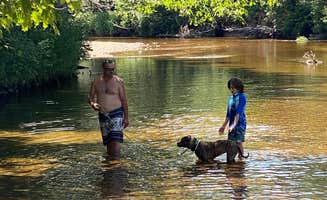
Tubing the Saco River: Access points at Eastern Slope Camping Area provide convenient entry for family-friendly float trips. "This is a nice little campground if you're doing the Saco, has a nice bath house... The river is right there and you can splash around in it," notes Matt R.
Hiking mountain trails: Many sites offer direct trail access for day hikes of various difficulties. At Covered Bridge Campground, "the Boulder Loop Trail is attached to the campground(it's relatively short, offers several great vista views, and you can walk there from the campground and not have to deal with parking)," according to Melissa W.
Exploring waterfalls: Several cascades lie within short drives of most campgrounds. "We hiked the Arethusa Falls and Frankenstein Cliff Trail right from the campground!" shares Michele S. about her experience at Dry River Campground.
Winter recreation: Some campgrounds maintain limited operations during snow season. Cross-country skiing trails and snowshoeing routes follow summer hiking paths when conditions permit.
What campers like
Swimming areas: Natural water features rate highly in camper satisfaction. At White Lake State Park Campground, "The lake itself is unreal, with the mountains in the background it just feels incredibly peaceful and serene," explains Angela T. Many sites feature designated swimming spots with shallow entry points.
Spacious campsites: Privacy between sites varies significantly by campground. At Danforth Bay Camping & RV Resort, sites receive consistent praise for size: "The site we had was huge!" reports Randy R.
Natural soundscapes: Wildlife sounds enhance camping experiences throughout the region. Loons calling across lakes rate highly in reviews. "Waking up to the sound of the loons in the morning was wonderful," shares Michael K. about Chocorua KOA.
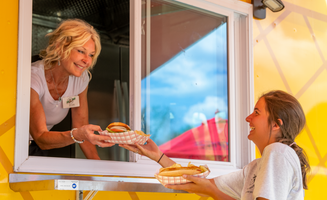
Camp stores: On-site provisions eliminate trips to town for basic needs. White Lake State Park campers appreciate that their camp store is "well stocked with various items (bug spray, skillet, firewood, sunscreen, sodas) and souvenir Tees and Sweatshirts."
What you should know
Seasonal crowding patterns: Holiday weekends require advance planning. Summer weekends fill first, with Fridays showing highest demand. "If you arrive between 1 and 8 pm, you check in at the office, but they have a slot for after-hours arrivals," notes Angela T. about White Lake State Park.
Bear safety requirements: Active black bear populations necessitate proper food storage. At Jellystone Park™ Glen Ellis, staff remind campers "to take care of our food and gear at night as there are black bears in the area."
Reservation windows: Booking periods open 6-11 months before arrival depending on the campground. First-come sites fill early on summer mornings. "It is first-come, first-served, so if you want a site with a path to the water it is best to arrive earlier in the day, around 1 pm when new campers are welcomed," advises Rita M.
Road noise proximity: Highway access creates both convenience and sound issues. Route 16 traffic noise affects certain campgrounds more than others. For White Ledge Campground, "The loop for sites 14-28 parallels NH16; you WILL hear and even see road traffic and Rte 16 is busy."
Tips for camping with families
Child-friendly water features: Look for gradual-entry swimming areas with supervision. White Lake State Park provides "a shallow swimming area so you can feel comfortable with kids," and the "swimming area is shallow for quite a distance."
Recreational programming: Scheduled activities vary widely between campgrounds. Chocorua KOA offers "a lot of options for boat rentals- paddle boats, kayaks, canoes, paddle boards, and row boats" plus "a lot of free activities for the kids like crafts, wagon rides and games with a full schedule of events."
Campground size considerations: Larger properties mean longer walks to facilities. At White Lake, "You may want to bring bicycles or plan to walk a lot to get to and from the beach." Some families note this makes bathroom access challenging with very young children.
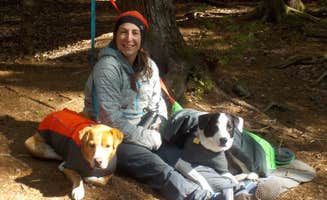
Dog-friendly facilities: Several campgrounds welcome pets with varying accommodation levels. At Chocorua KOA, "This is one of the most pet loving campgrounds we've ever camped in," with "a fun dog park, a special swimming pond just for dogs and doggie day care available."
Tips from RVers
Site leveling challenges: Uneven terrain requires preparation at many campgrounds. At Danforth Bay, one camper noted their waterfront site required extensive leveling: "When I say a lot, I mean my 5" drive on leveling blocks weren't enough and I had to put them on top of a 2x8 to level the camper out."
Campground access restrictions: Height clearances limit some RV approaches. "Covered bridge has 7.9' height restriction from the main scenic highway. We had to go out to Conway and drive back in," cautions Jae H.
Electrical service verification: Actual hookups sometimes differ from listed amenities. At Chocorua KOA, "Our site was labeled as a 50 amp connection, but it wasn't, it was 30 amp. So double check that."
Generator policies: Rules vary significantly between public and private campgrounds. National Forest campgrounds like Jigger Johnson enforce quiet hours strictly from 10pm to 6am for generator use.










 Scout
Scout


