White Mountain National Forest encompasses approximately 800,000 acres across New Hampshire and Maine, with elevations ranging from 1,000 to over 6,000 feet at Mount Washington's peak. The forest experiences dramatic temperature fluctuations, with summer highs rarely exceeding 80°F while winter lows can plunge below -40°F. The region's varied terrain creates distinct microclimates, with valley campgrounds typically offering more moderate conditions than exposed ridgeline sites.
What to do
Hiking to waterfalls: Sugarloaf Campground provides easy access to waterfall trails within walking distance. "There's a small parking lot just before the Zealand River crossing and the trail is on the far side of the bridge," notes Jean C. about Sugarloaf 2 Campground.
Winter camping opportunities: For hardy adventurers, some campgrounds remain open during colder months. "Stayed here for two nights in late December. Site #40 along the river was close to the bathroom yet had plenty of privacy from other sites," shares Heather B. about winter conditions at Hancock Campground.
Stargazing: Several campgrounds offer excellent night sky viewing opportunities away from light pollution. "You don't feel like you're at a campground here, and that's what I love about this place," explains Jamie C. about Crawford Notch Campground's secluded sites.
What campers like
River access for cooling off: Many sites offer direct water access for summer heat relief. "The river sites at Crawford Notch provide privacy and water access" with spots where "you can tube down the river, and there's a good spot for swimming just a little ways down," according to Jamie C. at Crawford Notch Campground.
Clean facilities: Modern amenities get positive mentions across multiple campgrounds. "The bathroom facilities are so clean! There are great hiking trails right on the campsite," reports Michelle K. about Dry River Campground.
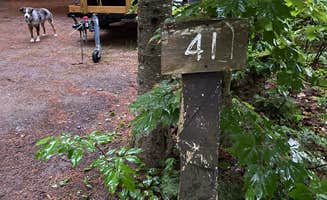
Privacy between sites: Campers appreciate the sense of seclusion at many forest campgrounds. "Wooded sites but close to your neighbors. We had site 41 & unfortunately we were unable to use the fire pit due to being so close to our 19 foot camper," notes Heather O. about Lost River Valley Campground.
What you should know
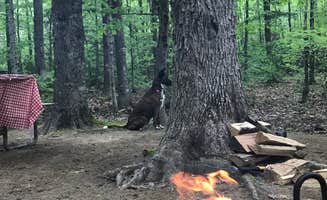
Bear activity: Wildlife encounters require proper food storage and awareness. "Upon entering campground we saw many 'beware of bear signs'. The campground ranger station confirmed that black bear are prominent and will venture across picnic tables and sites, so be certain to store food & toiletries safely per rules!" warns Whitney W. about Dolly Copp Campground.
Limited cell service: Connectivity is spotty throughout the region. "There is no cell service in many locations" with "cell service poor to absent throughout Crawford Notch. If you need to connect, drive south toward Bartlett or North to Bretton Woods," advises Jean C.
Water availability varies by season: Campers should check conditions before arrival. "There is a small stream to pump water from but it is seasonal," notes Asher K. about backcountry sites. The water level in rivers also fluctuates significantly between spring and late summer.
Tips for camping with families
Kid-friendly trails: Multiple accessible hiking options exist for younger explorers. "For a short, family-friendly hike, you'll find the trail to the Sugarloaf Mountains just after Sugarloaf II," recommends Jean C., while Rita M. adds, "We undertook a sunrise hike with a bunch of kids ages 4-12" on a 3.2-mile round trip trail.
Wildlife encounters: The forest offers opportunities to observe small animals. "Chipmunks surround you at all times, which was pretty epic and magical!" shares Michelle K. about the resident wildlife at Dry River Campground.
Educational opportunities: Some campgrounds offer ranger programs during peak season. "There was an interpretive ranger staying there that held a fun night of scores and spooky stories," mentions Michele S. about Sugarloaf 1 Campground.
Tips for RVers
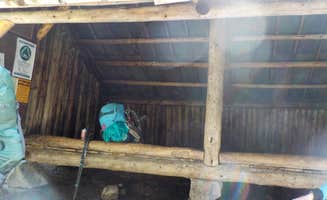
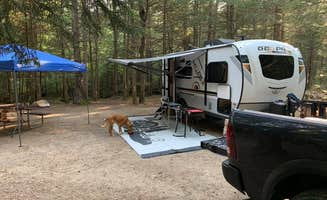
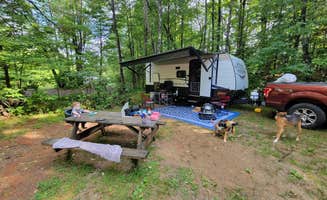
Limited hookup options: Most forest campgrounds have minimal services for larger rigs. "Sites are back-in. A few of the drive-to sites include small lean-tos," explains Jean C., noting the limited facilities at many locations.
Size restrictions: Carefully check site specifications before booking. "More of these sites are suitable for an RV than the ones at Sugarloaf 1," notes Jean C. about Sugarloaf 2 Campground, while Lost River Valley is described as "suitable for tent camping and small trailers, class B and smaller class C" by Lane N.
Dump station locations: Plan for waste disposal needs. "Dolly Copp Campground offers electric hookups and sanitary dump facilities suitable for pet owners in RVs," though options are limited elsewhere in the forest.







 Scout
Scout


