Camping locations near Rowley, Massachusetts occupy coastal lowlands with elevations typically below 100 feet above sea level. The region experiences moderate coastal temperatures ranging from winter lows in the 20s to summer highs in the 80s. Proximity to the Atlantic Ocean creates microclimate variations between inland forest campgrounds and coastal beach sites, which affects everything from bug activity to overnight temperatures during summer camping season.
What to do
Paddle multiple waterways: Hampton Beach State Park Campground provides access to both ocean paddling and inland water exploration. "We loved paddle boarding in the river where seals were plentiful and fun to watch. There is also another winding river that goes through a marshy area that was great for bird watching," notes Nancy W. who camped at Salisbury Beach.
Fishing opportunities: Shoreline fishing options abound at several pet-friendly campsites. "Good sites, with water and 30 amp electric. Easy walk to the beach. Dog friendly, big dump site, and good prices," reports John O. about Salisbury Beach State Reservation. Spring striper fishing is particularly productive along the beaches.
Wildlife observation: Wooded campgrounds offer different wildlife viewing than coastal sites. At Lorraine Park Campground, campers report seeing "wildlife like skunks, raccoons" according to Migdalia G., while at The Pines Camping Area, one camper mentioned "my son and I loved watching the baby field mice play in the marsh land."
What campers like
Beach proximity: Multiple dog-friendly campgrounds near Rowley provide beach access within walking distance. Sara D. from Beach Rose RV Park notes, "It's a mile from the beach. We rode bikes to Salisbury Beach and my young adult son rode his longboard to the beach."
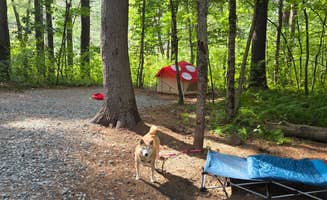
Forested campsites: Harold Parker State Forest offers a different camping atmosphere with spacious wooded sites. Kelly F. observes, "The site are huge with space in between. They keep the bathrooms very clean. There are lots of trails and ponds." This provides a cooler alternative to open beach camping.
Cultural attractions: Winter Island Park serves as an excellent base for exploring historical areas with pets. "This is a no frills campground, though there is a playground and beach. It's less than 2 miles from Salem and on the trolley line," explains Michelle C. from Winter Island Park.
What you should know
Site spacing varies significantly: Dog-friendly campgrounds in the region have different density layouts. At Cape Ann, "the sites are nice and wooded. All size RVs and tents are welcome," says Lajaun C., while at Salisbury, sites are closer together with less privacy between them.
Shower facilities differ: Many campgrounds charge for shower access. At Cape Ann Camp Site, "25 cents per 5 minute hot shower is offered in the public restroom," notes doris C., while other facilities include free showers with varying cleanliness levels.
Weekend booking challenges: Summer season creates booking competition at dog-friendly sites. "It is very difficult to get reservations as it is extremely popular," Steve K. explains about Hampton Beach State Park Campground, where reservations often fill months in advance.
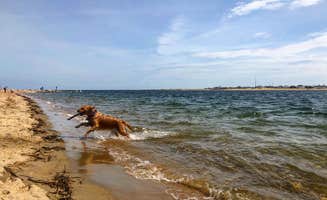
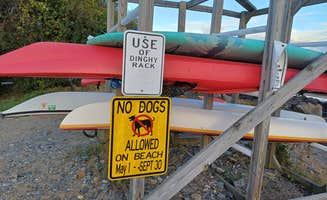
Seasonal restrictions: Some beaches limit dog access during peak season. "Extremely crowded in high season, empty in off season," Caitlin B. reports about Hampton Beach, where dogs may face additional restrictions during summer months.
Tips for camping with families
Playgrounds and activities: Multiple campgrounds offer child-focused amenities. At Wakeda Campground, Martin S. appreciated that "Employees are very welcoming and the place is clean. Quite big but secluded spots at the same time." The campground features miniature golf and recreation areas suitable for both kids and dogs.
Educational opportunities: Several camping areas offer ranger-led programs for children and pets. "A ranger ran a program to teach about the area fauna which was pretty interesting for kids and adults alike," says Migdalia G. about Harold Parker State Forest.
Bug preparation: Insect protection is essential, especially at wooded sites. One camper at The Pines Camping Area warns, "The con of this camp ground was the mosquito, we went through 3 deep woods cans in just the first night. They were crazy and kids were eaten alive."
Tips from RVers
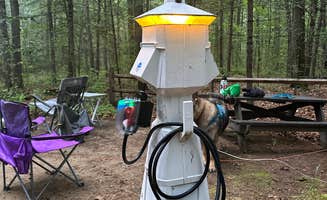
Hookup placement considerations: Some campgrounds have unconventional utility layouts that require extra equipment. "Wish we knew in advance how the hookups were layed out because it is way far away from where our hose would reach and we had to go out and buy an extension," reports Devan R. about Black Bear Campground.
Power management: Electrical reliability varies between pet-friendly campgrounds. "Clean reliable power. No issues great spread out sites," notes Zachary W. about Wakeda Campground, making it suitable for RVers with pets needing climate control.
GPS navigation challenges: Some dog-friendly campgrounds have confusing entrances. Sara D. warns about Tuxbury Pond: "A little tip about GPS: if you're using Apple Maps, it will likely take you to a turn that is not the campground entrance, there's even a hand-written sign on someone's lawn that has directions."












 Guide
Guide


