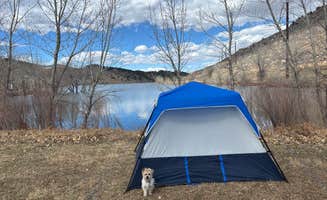
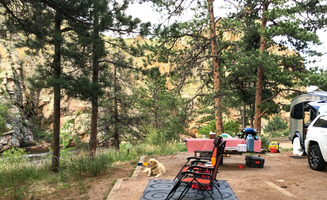
Dispersed camping options near Masonville, Colorado offer a less developed alternative for outdoor enthusiasts looking to camp with their pets. Situated at approximately 5,600 feet elevation in the foothills of the Rocky Mountains, this area experiences dramatic temperature swings with summer days reaching the 90s and nights dropping into the 40s. Local camping areas typically have fire restrictions from May through October depending on drought conditions.
What to do
Fishing access points: Hell Canyon Dispersed camping provides fishing opportunities with relatively easy access to water. "Lots of wildlife sighting but also a lot of screaming kids to make them run away," notes Jessica T., who brought her dogs but discovered they were "only welcome in the campground" area at Moraine Park Campground.
Trail connections: Multiple trail networks connect camping areas to hiking options suitable for dogs. "The 5.5 mile trail system connects various camping areas, offering excellent walking routes for daily pet exercise," reports one camper who visited Riverview RV Park & Campground. "I had a great time at this campground. We spent 4 days in a spot right next to the river. Really enjoyed the river, dog park, live music on sat. night and laundry."
Wildlife viewing: Early morning and evening offer prime wildlife viewing opportunities from campsites. "Deer wander in the morning," according to S.M., who gave Moraine Park Campground a five-star review. Campers at multiple sites report seeing elk herds, especially during fall months when mating season begins.
What campers like
Riverside camping spots: Campsites along flowing water provide natural ambient noise that masks road sounds. "It's right on the river!! You get the sound of the rushing water 24-7. Fun spots for kids to play later in the summer when the water isn't as high!!" shares Rhonda G. about Ansel Watrous Campground.
Shaded sites availability: Several campgrounds offer tree cover that provides relief from summer heat. "The sites are pretty well spaced, also half are waterfront. The other half are Waterview," explains Nancy C. about Inlet Bay Campground, adding "Deer wanderer in and out of the campgrounds and were always on the road. Beware."
Off-season camping: Fall and spring offer more moderate temperatures and fewer crowds. "We stayed 2 weeks. In early October, it's still warm enough to paddleboard and kayak. By mid October, the boats are being pulled off the water in preparation for winter weather," notes a reviewer about Inlet Bay Campground.
What you should know
Fire restrictions: Check current fire regulations before planning any campfire activities. "Fires allowed in established rings only, always check with Roosevelt National Forest website to see if fires are allowed during your stay as this varies by season," advises alex O. about Hell Canyon Dispersed camping areas.
Water availability: Many sites lack direct water hookups despite proximity to water bodies. At Boyd Lake State Park Cottonwood Campground, one camper noted: "Electric hookup worked, but no water at the site, and 'public water' in the area was a broken water fountain. We filled up at the dump station."
Road conditions: Access to some dispersed camping areas requires appropriate vehicles. "You WILL get stuck if you drive a FWD car. you NEED a 4WD to get out to this spot because of the entrance road," warns Lexie G. about Hell Canyon Dispersed camping area, which despite challenges offers "Beautiful Mountain View in quiet campground."
Reservation requirements: Most established campgrounds require advance booking during peak seasons. "GPS was not friendly when searching for the entrance using AT&T, but after finding the correct road it was relatively easy to find. I recommend following signs versus GPS," notes one camper about Boyd Lake.
Tips for camping with families
Playground access: Select campgrounds with dedicated children's play areas for entertainment between activities. "Great place. We will have to return and spend at least two nights so we can enjoy it all. Lake, boats, water cannon boats, fishing, bikes, peewee golf, jumping thing. Walking path around lake," writes Peggy C. about Fort Collins Lakeside KOA.
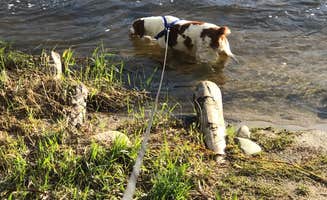
Dog-friendly beaches: Certain sections of shoreline provide easier water access for pets. "We had a great experience at Horsetooth. We had a great spot right on the water and our kids were able to play in the water right from the campsite," shares Lacey N. about camping at Horsetooth.
Quieter camping loops: Request sites away from main roads for less noise. "Excessive road noise during the day, it did quiet down each night. If we stay here again we will stay nearer to the entrance or get a cabin," advises a camper who visited the South Bay area.
Wildlife awareness: Keep food secured and pets leashed in areas with active wildlife. "We got to see some beautiful Elk very close by, which was definitely a highlight," reported AD R., who found Moraine Park Campground "unbelievably peaceful."
Tips from RVers
Electric hookup sites: Many campgrounds offer electrical connections but limited or no water hookups. "Electric hookups (we used 50amp at our site) but no water hook up. Drinkable water close by at various locations within the campground," notes Deanne B. about South Bay Campground.
Dump station locations: Plan your water usage around available dump facilities. "The dump station is outside the campground, but is a good one. Good water pressure and potable water. There also is a potable water spicket in the loop. Electricity was stable," reports Nancy C.
Site spacing considerations: Some campgrounds place RV sites closer together than others. "Sites were a bit close to one another, but everything else about the KOA was fantastic! Very quiet and clean, which was nice," writes Cynthia I. about Fort Collins Lakeside KOA.
Winter accessibility: Several campgrounds remain open year-round with limited services. "I checked in. The wind was blowing. Too cold for tent camping. Will be back," reported Heather A. about Boyd Lake State Park during colder months.










 Ranger


