Chatham, Michigan sits at approximately 900 feet elevation within Hiawatha National Forest where thick forests of maple, beech, and pine shelter numerous inland lakes. The area's climate features warm summers with temperatures typically ranging 65-80°F and cold winters dropping well below freezing. Campgrounds near Chatham typically operate from mid-May through late September, with most requiring advance reservations during peak July-August periods.
What to do
Boat Rentals at Superior Times: Explore Au Train Lake with affordable watercraft rentals. At Superior Times, "You can rent jet skis - rented them for $60/hour, played basketball, and had a great time," according to Tressa B. The lake provides warm water compared to nearby Lake Superior.
Bird Watching Trails: Observe local wildlife on educational paths. At Au Train Lake Campground, "There was a great trail near our campsite that had signs and info about the birds in the area (great for young ones especially)," notes Jade G. The trails feature informational signage identifying common species.
Visit Historic Bay Furnace: Learn about regional iron-smelting history. "The history of the campground with the bay furnace within the limits. Where they used to smelt iron in a 150 year old furnace is fascinating," shares Corey O. The ruins sit within walking distance of most campsites.
Lake Superior Beach Access: Swim in the largest freshwater lake by surface area. The water is "clean/clear but cold as would be expected. Perfect for a refreshing cool off in hot weather!" according to Lisa R. Most beaches have parking areas within 50-100 yards of the shoreline.
What campers like
Clean, Well-Maintained Facilities: Campers appreciate basic but well-kept amenities. At Bay Furnace Campground, "Very clean vault toilets. Dump and potable water free to campers, otherwise it's $5," notes Jonathan S. Vault toilets are cleaned daily at most campgrounds.
Waterfront Sites: Direct lake access ranks high among camper preferences. "We were on spot N which is one of their rustic tent spots right on Lake Superior. $25/night which was very reasonable. My site had a nice, level and sandy spot for the tent," reports Emily V. Waterfront sites typically book 3-6 months in advance.
Dark Sky Viewing: The area offers minimal light pollution for stargazing. At Forest Lake State Forest Campground, campers enjoy a "Great Dark Sky View!" according to Jen W. Clear nights reveal the Milky Way and occasional northern lights displays, particularly during fall months.
Wildlife Observation: Animal sightings enhance the camping experience. "Lots of chipmunks in camp that were super cute. Sites aren't too close to one another so you feel separate but together," writes Chelsea & Wes J. Morning and evening hours provide the best wildlife viewing opportunities.
What you should know
Seasonal Bugs: Insect protection is essential during certain periods. "Bring bug spray, the mosquitoes are 24/7," warns Kevin about Au Train Lake Campground. Black flies are most prevalent in May-June, with mosquitoes continuing through August.
Weather Variability: Temperatures can change rapidly, especially near Lake Superior. At Otter Lake Campground & Lodge, "I caught this Campground on a night where the winds chilled it down significantly. Still, it remained warm enough for an afternoon swim," reports Tucker B. Temperature swings of 20-30 degrees within a single day are possible.
Limited Cell Service: Many campgrounds have minimal connectivity. "No cell service, however," notes Kelly C. about Otter Lake Campground. Some locations offer WiFi near registration buildings, but coverage is inconsistent throughout most camping areas.
Reservation Requirements: Securing spots during peak season requires planning. "Open, level gravel sites and some concrete pads scattered throughout this pretty new campground," mentions Jennifer B. Many campgrounds fill 3-6 months in advance for summer weekends.
Tips for camping with families
Activity Options: Look for campgrounds with built-in entertainment. "This is a small campground but had fun things to do for the kids. There are kayaks and canoes you can rent and a fun playground for the kids," says Quynh V. about Otter Lake Campground & Lodge.
Educational Opportunities: Enhance kids' experiences with learning elements. The bird watching trail at Au Train Lake "had signs and info about the birds in the area (great for young ones especially)." These interactive trails typically cover 1/4 to 1/2 mile distances.
Spacious Sites: Select campgrounds with room for children to play. At Pictured Rocks RV Park and Campground, "The sites are well layout, with a good amount a space between sites. Full hookups and everything worked well," according to Sam C. Most campgrounds offer sites ranging from 25-40 feet in width.
Beach Access: Prioritize locations with swimming areas. "There is a beach and boat launch near. We went there to chase the northern lights but missed it by a night," shares Chelsea & Wes J. Most swimming beaches feature gradual entries suitable for children.
Tips from RVers
Hookup Availability: Electric and water connections vary significantly between campgrounds. "Sites have electric but no water. Some road noise but that's to be expected," notes Victoria K. about Kewadin Casino camping area. Most RV sites with electric run 30-amp service.
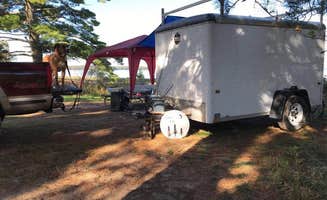
Site Levelness: Terrain challenges exist at some locations. "Site 4 is gravel and very up hill. But we were able to make our Solitude work off autolevel," reports Lauren M. Bringing additional leveling blocks is recommended, especially for larger rigs.
Dump Station Access: Waste disposal facilities aren't universal. At Bay Furnace, "Dump and potable water free to campers, otherwise it's $5," while many state forest campgrounds lack dump stations entirely, requiring visits to nearby facilities.
Road Conditions: Access roads can present challenges. "The road in is really bumpy, taking us by surprise. It forced us to go much slower than even on the usual forest roads," warns Art S. Many campground access roads remain unpaved with occasional potholes after rain events.











 Traveler


