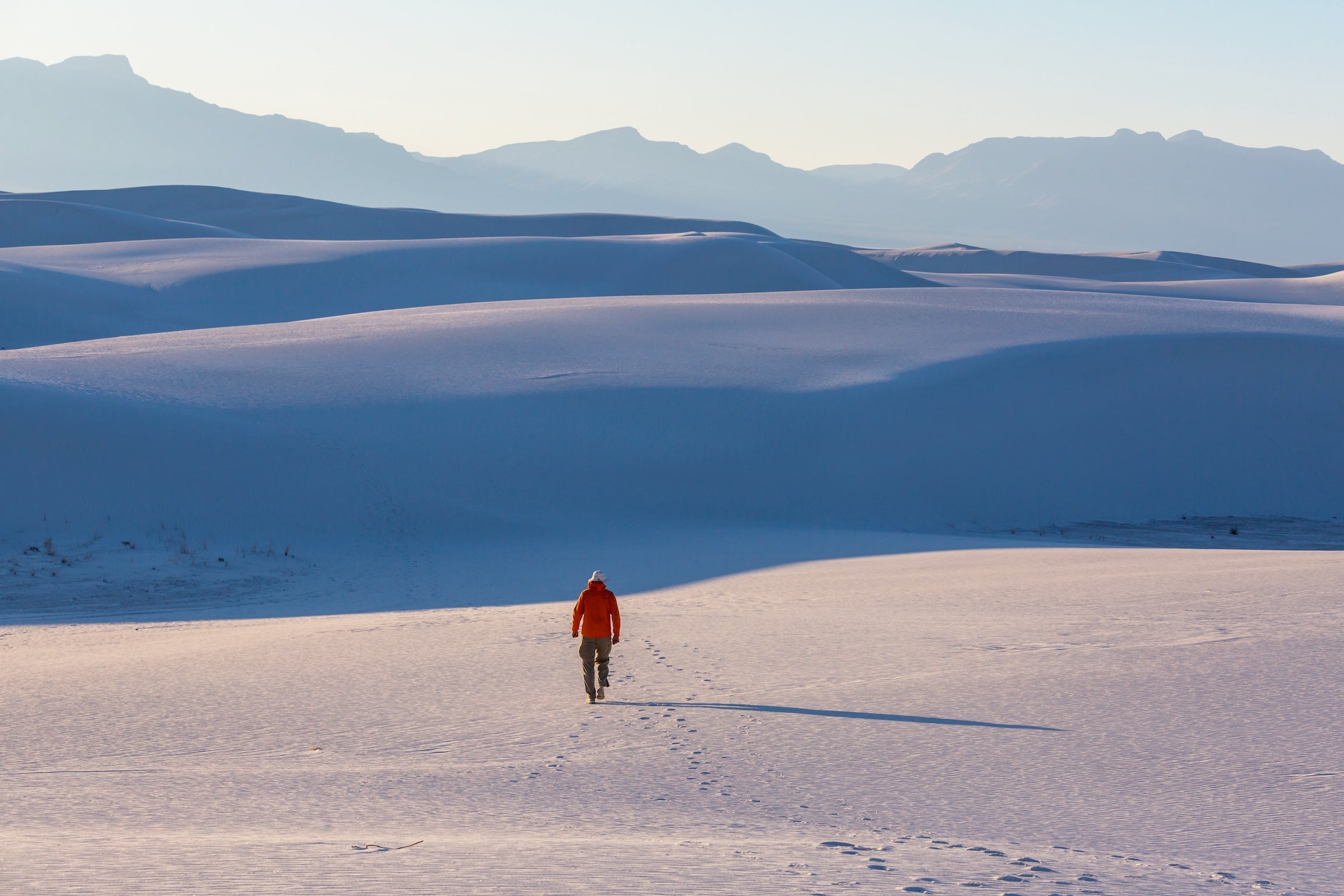
Picture this: you wax up a plastic saucer, push off the top of a sugar-white dune, and look up mid-run to see the jagged San Andres Mountains stretched across the horizon. Then you hike back up and do it again. And again, until the sun slips behind those peaks and the whole dunefield glows pink and gold.
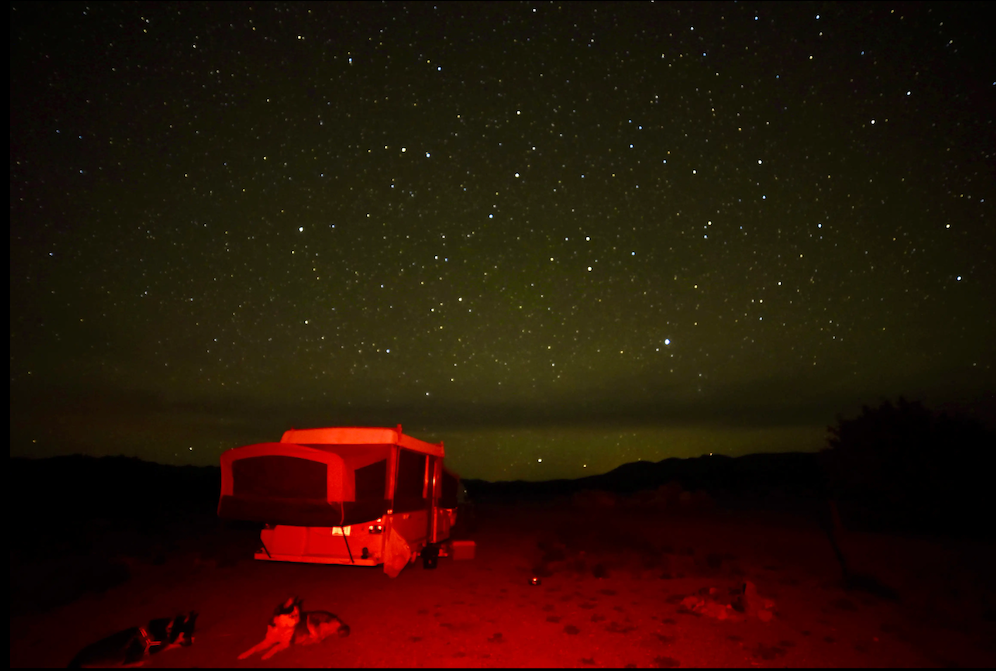
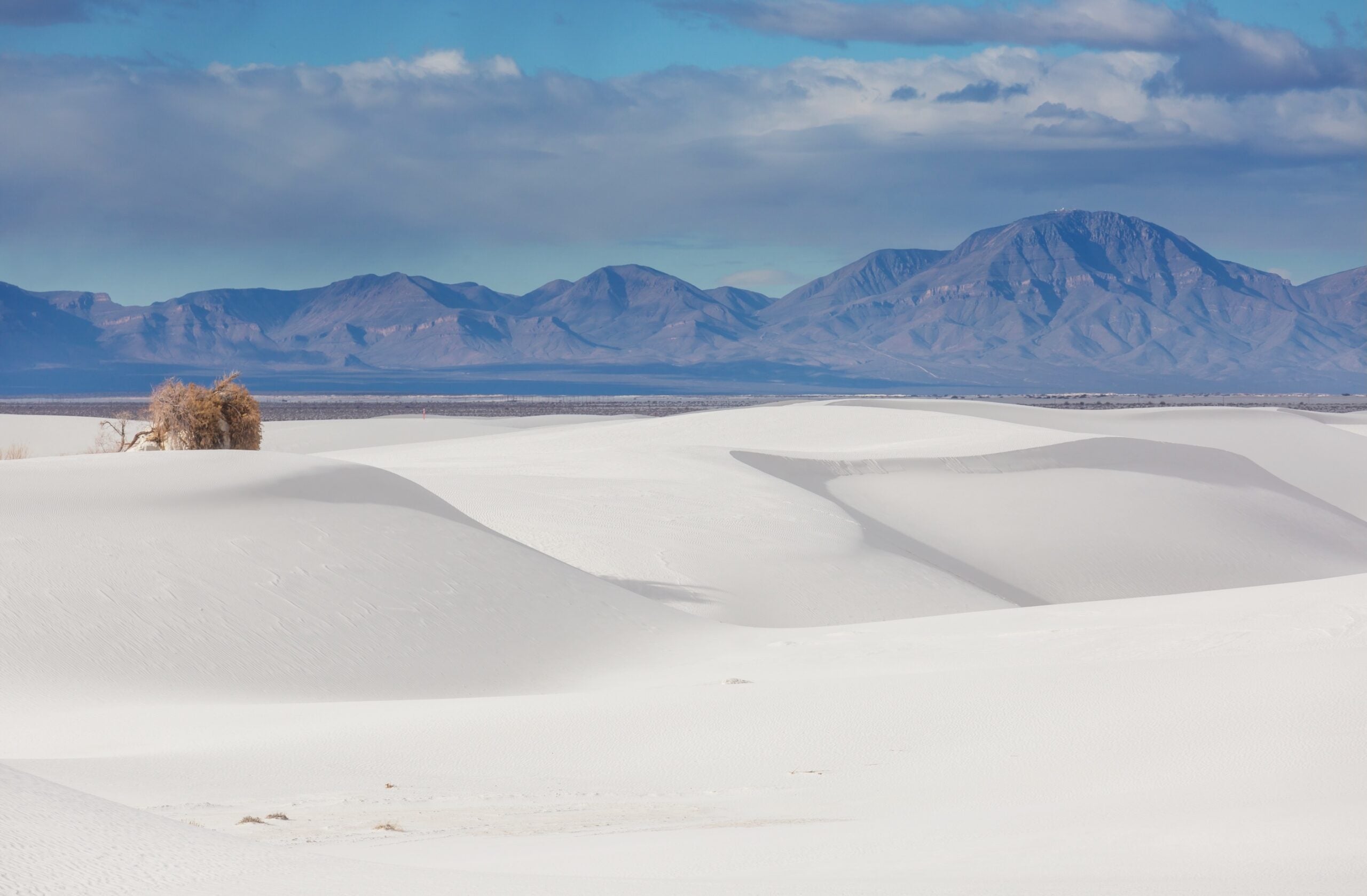
That’s what happens White Sands National Park, which protects much of the world’s largest gypsum dunefield: 275 square miles of glittering sand in southern New Mexico’s Tularosa Basin. The sand stays cool under bare feet even on warm days, the Sacramento Mountains light up at sunset, and once it’s dark, the stars put on a show of their own.
There’s just one catch right now: you can’t camp in the dunes. The park’s backcountry sites are closed, with no reopening date. But there are seven campgrounds that are an easy drive away, including three FREE spots with big mountain views and desert solitude to spare. Here’s how to plan an epic White Sands road trip.
When Did White Sands Open?
White Sands has been protected since January 18, 1933, when President Herbert Hoover proclaimed it a national monument in the last weeks of his term. It officially opened to visitors on April 29, 1934, and on December 20, 2019 when it was redesignated as White Sands National Park, the 62nd national park in the country.
Things to Do at White Sands National Park
Most visits center on Dunes Drive, the park’s only road, which leads from the visitor center into the heart of the dunefield. Plan on at least half a day, and stay for sunset if you can.
Drive Dunes Drive
Dunes Drive runs 8 miles into the park (16 miles round trip). The first half is paved, and the rest is hard-packed gypsum sand that’s fine for regular cars. Pullouts along the way let you park and wander into the dunes.
One heads-up: a safety corridor is in effect between mile 3 and mile 5.5. You can drive through it, but stopping, parking, or getting out of your car is prohibited there. Save your exploring for the stretch past mile 5.5, where the biggest, barest dunes are anyway.
Go Sand Sledding
Sledding down the dunes is the classic White Sands experience, and it works year-round. Waxed plastic snow saucers work best. You can rent or buy one (plus a block of wax) at the gift shop next to the visitor center, or bring your own.
Pick a dune with a gentle slope and a flat runout at the bottom so you can stop safely. Your first few runs will be slow. Sledding the same line over and over packs the sand and speeds things up.
Hike the Dunes
The park has five marked trails, though not all of them are always open. Trail markers are posts in the sand, so stay within sight of the next one; it’s easy to get turned around when every dune looks the same.
| Trail | Distance | Difficulty | Good to know |
| Playa Trail | 0.5 mile round trip | Easy | Flat walk to a usually dry lakebed |
| Dune Life Nature Trail | 1-mile loop | Moderate | Family-friendly, with signs about plants and animals |
| Backcountry Camping Loop Trail | About 2 miles | Moderate | Day hiking past the (closed) campsites; confirm status at the visitor center |
| Alkali Flat Trail | About 5 miles round trip | Strenuous | Up-and-down dune hiking to the edge of ancient Lake Otero; don’t start if it’s 85°F or hotter |
| Interdune Boardwalk | 0.4 mile round trip | Easy | Currently closed because of the safety corridor |
Join a Range
r Program
Ranger-led Sunset Strolls are about an hour long and run on Fridays, Saturdays, and Sundays. From May through October, Full Moon Nights bring live music and programs, and the park stays open two extra hours. Moonlight hikes run March through December on the night before the full moon.
If you’re visiting in the cooler months, try to snag a spot on a Lake Lucero tour. Rangers lead a caravan to the dry lakebed where selenite crystals form, often called the birthplace of the dunes. Tours run about once a month from November through March, include a 1.5-mile round-trip hike, and require reservations on Recreation.gov.
Look for Wildlife
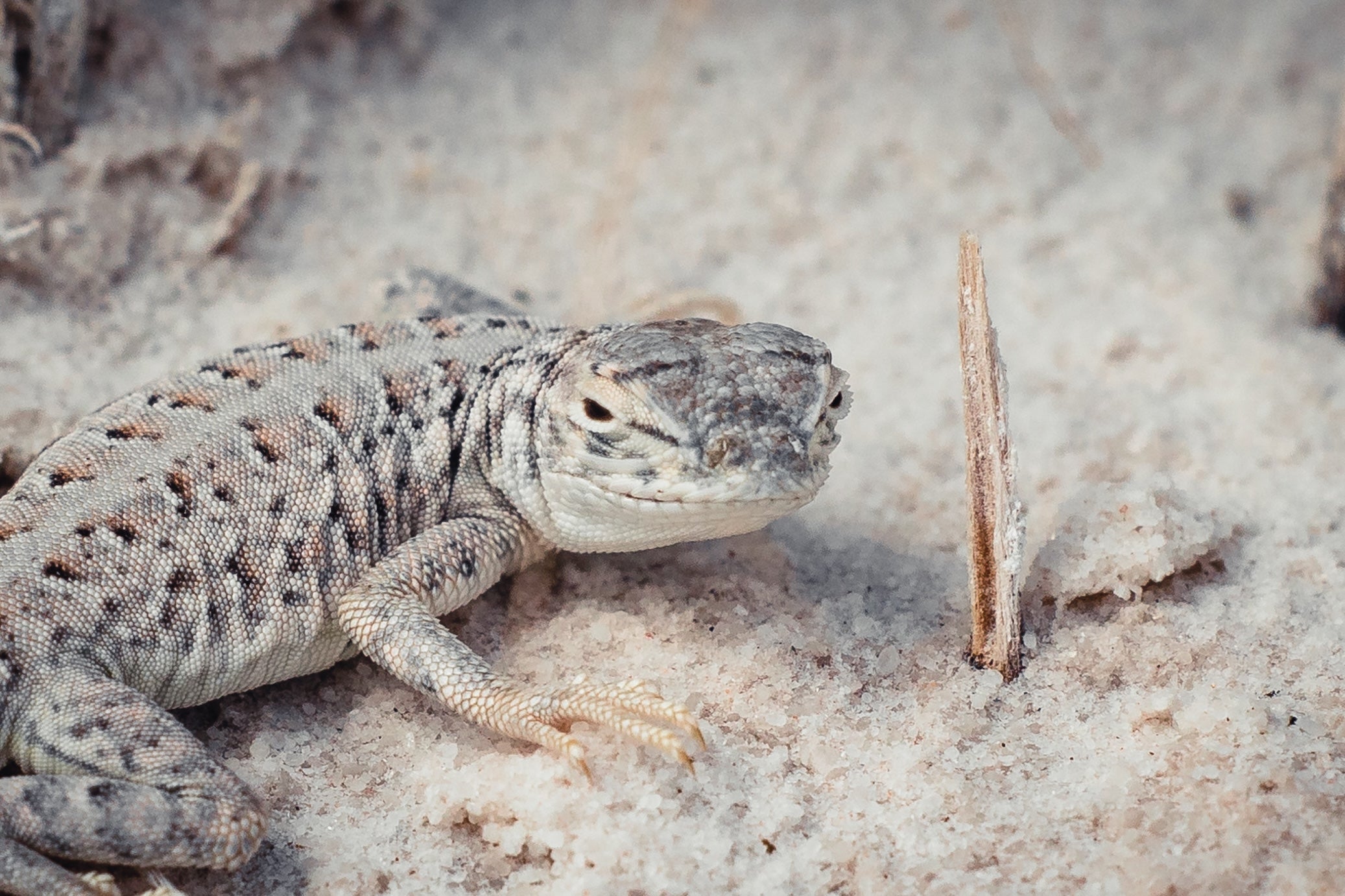
The dunes look empty, but they’re full of life. About 45 species live only at White Sands, including 40 kinds of moths. Several animals, like the bleached earless lizard and the Apache pocket mouse, have evolved pale coloring to blend in with the sand. Look for tracks in the early morning before the wind erases them.
Can You Camp at White Sands National Park?
Not right now. Backcountry camping at White Sands is closed while the park rehabilitates its campsites, and the National Park Service hasn’t set a reopening date. That means there’s currently no way to stay overnight inside the park.
In the meantime, you’ll need to base camp outside the park. Good news: there’s a campsite for every style within about an hour, from free BLM pull-offs to state parks with hot showers.
7 Campgrounds Near White Sands (3 Are Free!)
Since you can’t sleep in the dunes, pick a base camp nearby. All seven of these campgrounds are within about an hour of the park, and they range from free BLM pull-offs with zero amenities to state parks with hot showers and hookups. Drive times are approximate.
| Campground | Cost | Drive to White Sands | Best for | The Dyrt rating |
| Oliver Lee Memorial State Park | About $15–30/night | About 30 minutes | Showers, hookups, and sunsets | 4.8 (72 reviews) |
| Dog Canyon | Free | About 30 minutes | Big rigs on a budget | 4.4 (27 reviews) |
| Aguirre Spring | $7/night | About 45 minutes | Tents, small rigs, and Organ Mountain views | 4.5 (59 reviews) |
| Baylor Canyon Rd Spur | Free | About 45 minutes | Tents, vans, and quiet nights | 4.8 (15 reviews) |
| Sierra Vista | Free | About 45–50 minutes | Vans and trail access | 4.5 (35 reviews) |
| Three Rivers Petroglyph Site | About $10–18/night | About 1 hour | Rock art and spotless restrooms | 4.7 (19 reviews) |
| Leasburg Dam State Park | About $15–30/night | About 1 hour 10 minutes | RVs that want hookups near the Rio Grande | 4.5 (23 reviews) |
About the free spots: Dog Canyon, Baylor Canyon Rd Spur, and Sierra Vista are BLM dispersed areas with no water, toilets, or trash service. Pack in what you need and pack out everything. Dispersed camping on BLM land in New Mexico is generally limited to 14 days in any 28-day period.
1. Oliver Lee Memorial State Park
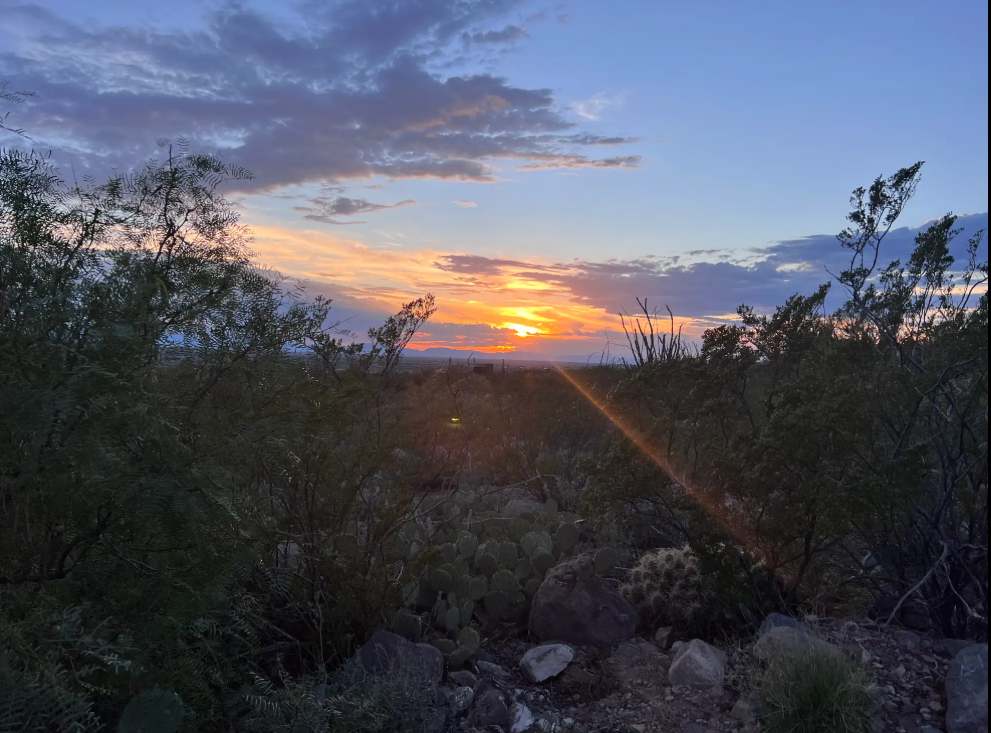
Oliver Lee Memorial State Park is the closest developed campground to White Sands, and campers love it: The Dyrt named it one of the 2024 Best Places to Camp in the Mountain Region. Its 44 sites sit at the mouth of Dog Canyon at the base of the Sacramento Mountains, about 12 miles south of Alamogordo, with huge views over the Tularosa Basin. As one camper put it, “Every site here has an extraordinary view.”
Loop A has electric hookups and Loop B doesn’t, and both have water spigots. A comfort station has flush toilets and hot showers, and RVs up to 40 feet fit. Reserve ahead through ReserveAmerica, especially on weekends.
Good to know:
- There’s almost no shade, so summer tent camping gets hot.
- The dump station has been out of service, so check before you count on it.
- The strenuous Dog Canyon Trail starts right from the campground.
- Reviewers say camp hosts have loaned out sleds for White Sands trips. Ask nicely!
2. Dog Canyon (Free)
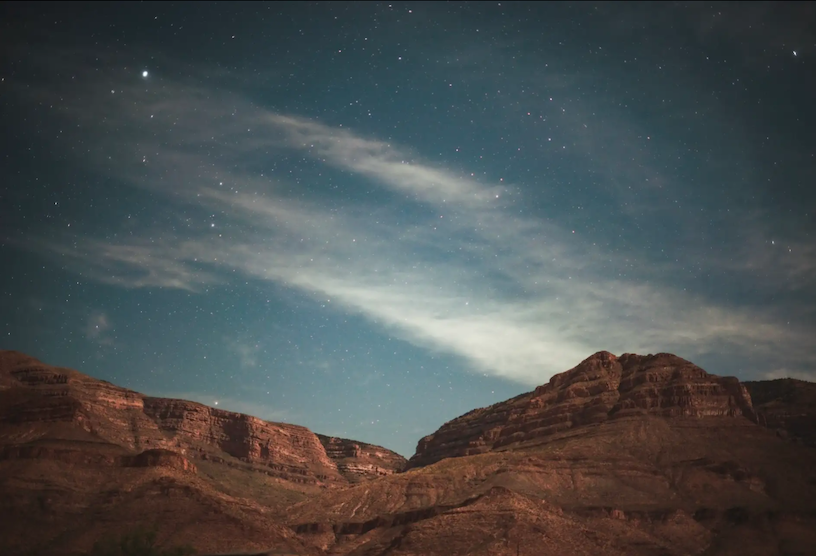
Dog Canyon is the closest free spot to White Sands and the easiest for big rigs. The sites sit along a gravel loop at the base of the Sacramento Mountains, about 11 miles south of Alamogordo and roughly a mile from Oliver Lee Memorial State Park. Campers report fitting everything from front-wheel-drive hatchbacks to a 43-foot motorhome.
Sites are spaced about 50 yards apart, and many have level parking and fire rings. Cell service is solid on all major carriers. One camper summed it up as “beautiful solitude and views.”
Good to know:
- The turnoff from the pavement is easy to miss, and some side roads get washed out, so arrive in daylight.
- Sites are exposed to the wind. Stake your tent well.
- Reviewers warn about thorns and occasional broken glass, so watch your step (and your dog’s paws).
- Oliver Lee State Park is right next door if you need water, but reviewers say its facilities may lock in the late afternoon.
3. Aguirre Spring
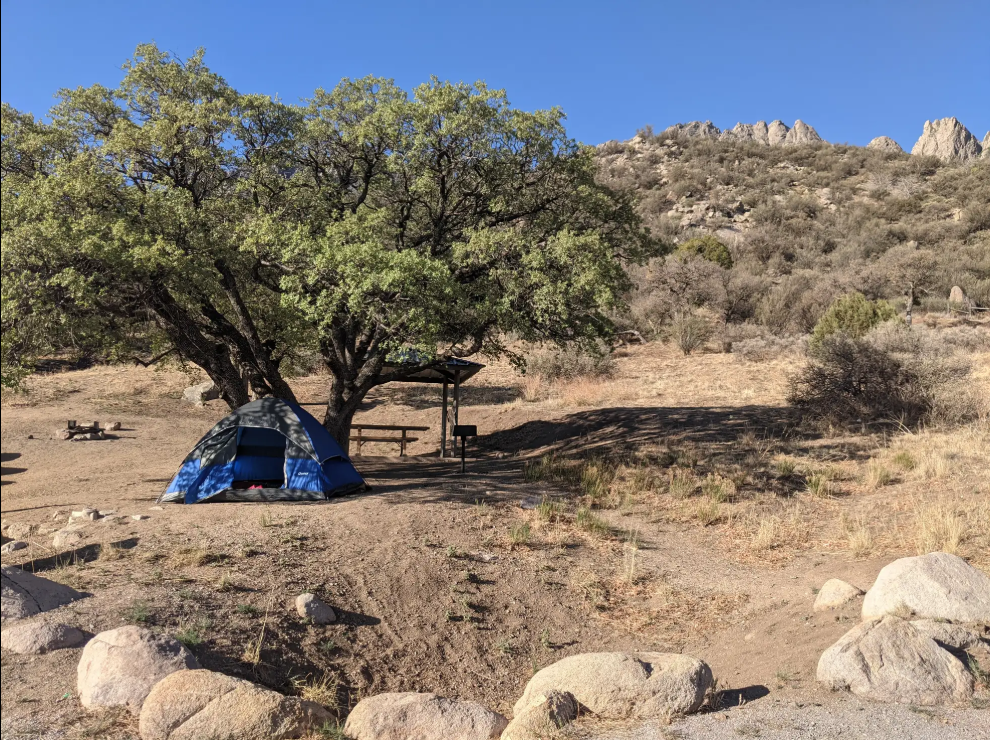
Aguirre Spring puts you right under the jagged spires of the Organ Mountains, looking east across the Tularosa Basin toward White Sands. This BLM campground has around 50 first-come, first-served sites, most with covered picnic tables and fire rings, for just $7 a night. One reviewer called it “Stunning mountain views 30 minutes from White Sands.”
Good to know:
- The paved access road is narrow, steep, and full of switchbacks. BLM recommends rigs no longer than 23 feet.
- The gate closes in the evening (around 6 p.m. in winter) and reopens in the morning, so don’t roll in late.
- Water is only available near the entrance. There are vault toilets but no showers or hookups.
- Trails leave right from camp, including the Pine Tree Trail and the Baylor Pass Trail over the Organs.
- Many pads are short or uneven, so scout before you set up.
4. Baylor Canyon Rd Spur (Free)
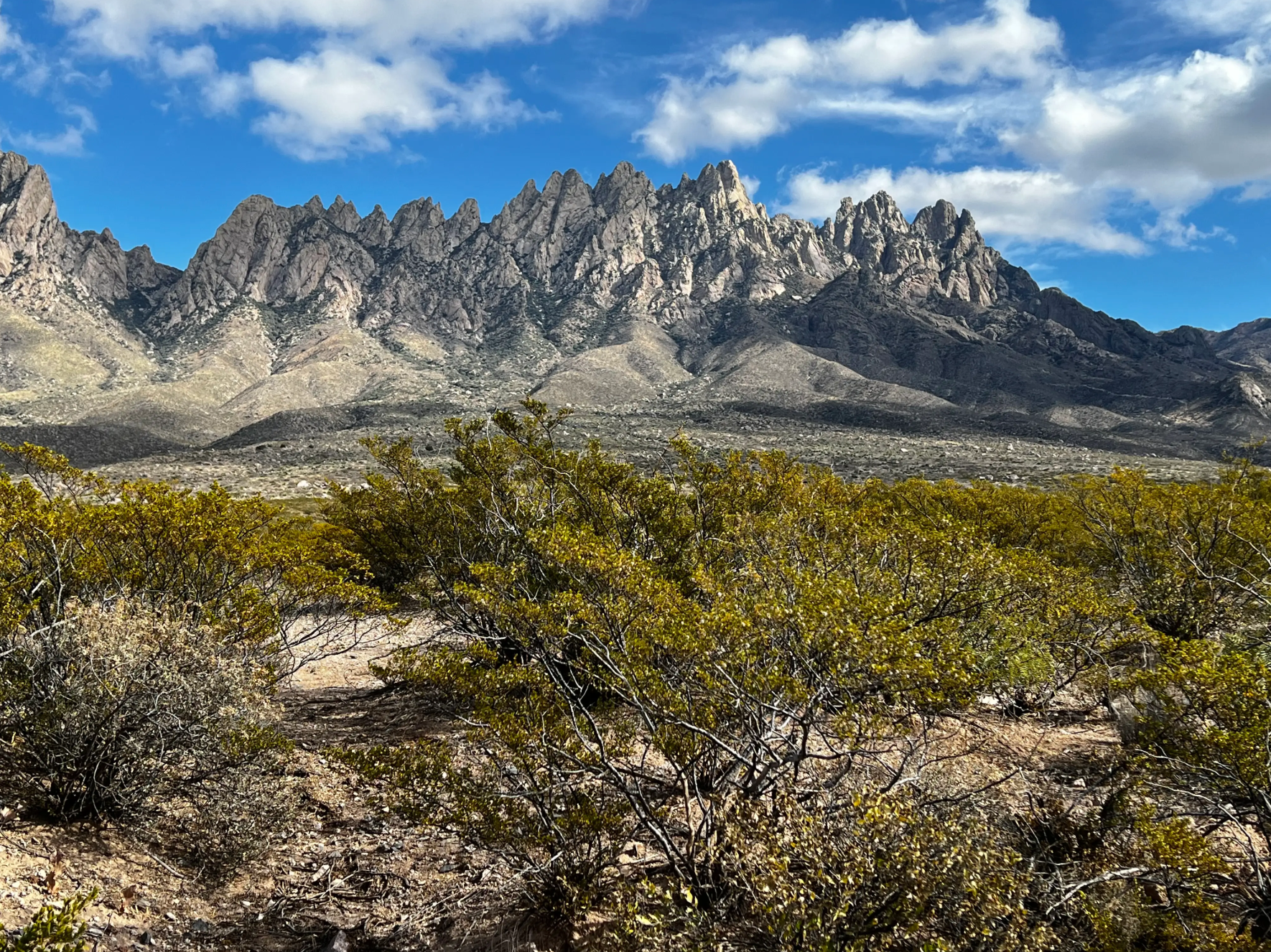
Baylor Canyon Rd Spur is the top-rated free spot on this list. About 10 to 12 pull-off sites line a single dirt spur on the west side of the Organ Mountains, spaced 40 to 50 yards apart for plenty of privacy. Expect jagged peaks behind you and the lights of Las Cruces below. One reviewer called the sunset “breathtaking.”
The road is narrow, rocky, and slow, but campers have made it in a Prius, a Ford Fusion, and a Ford Escape. Large RVs will struggle, and low-clearance cars should take it carefully. Cell coverage is generally good.
Good to know:
- Don’t arrive after dark; the rocks are much easier to dodge in daylight.
- Signs warn of flash flooding, so skip it during heavy rain.
- Cattle roam the area, and you’ll likely hear coyotes at night.
- The Baylor Pass Trailhead is a few miles away. The trail crosses the Organs to Aguirre Spring on the east side.
5. Sierra Vista (Free)
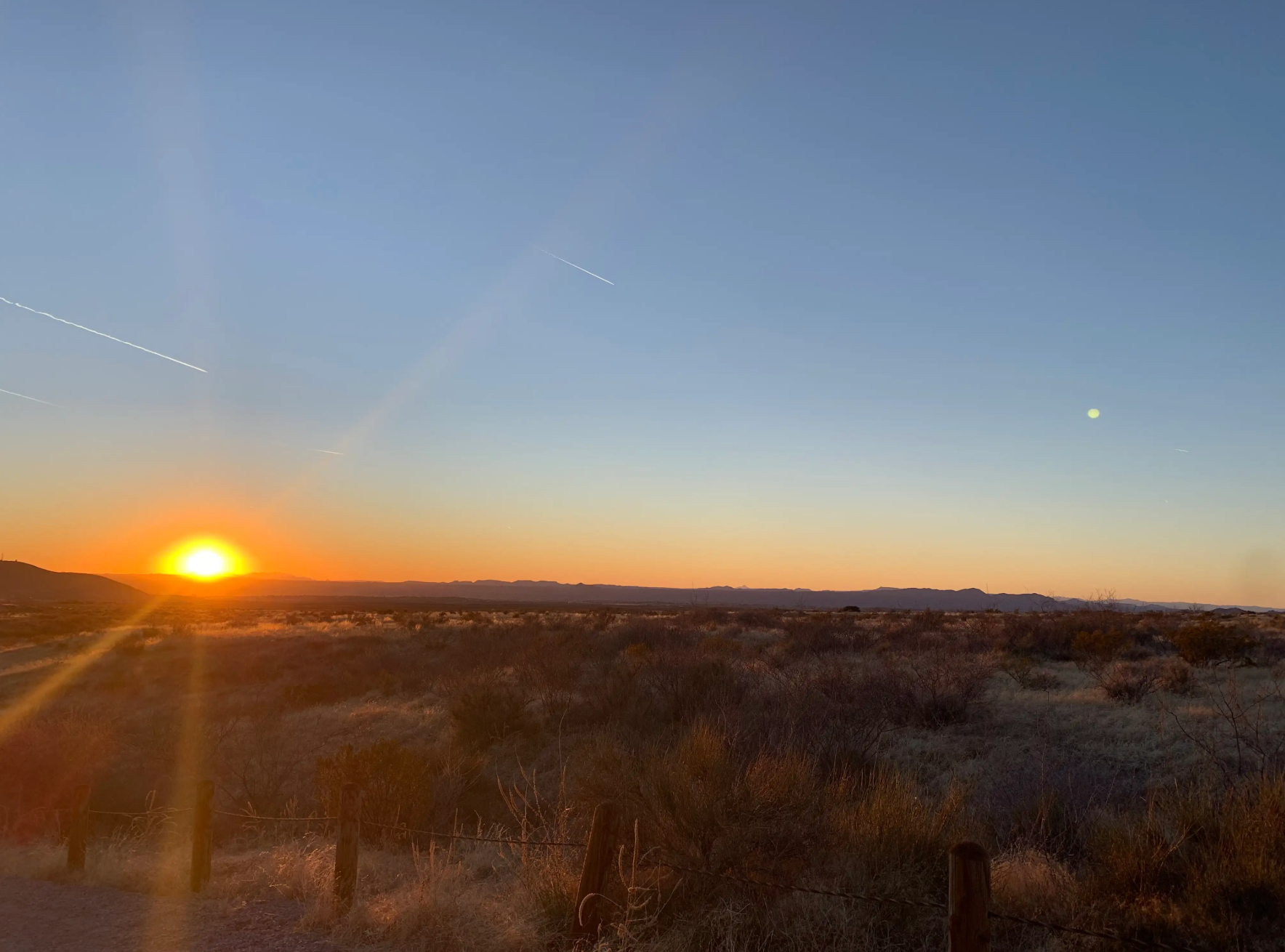
Sierra Vista offers dispersed pull-outs along the gravel access road to the Sierra Vista Trailhead, just outside Las Cruces. It’s the busiest of the free spots and a favorite with van campers. One reviewer called it “easy to find and super pretty with a good amount of spots.”
The first stretch of road is well graded and fine for most vehicles, including trailers. Past the main camping cluster and the trailhead sign, it gets steeper and rockier, and several reviewers say the more remote sites need high-clearance 4WD. Big rigs may have trouble turning around.
Good to know:
- It fills up fast on weekends and around sunset, so arrive early.
- Afternoons can get very windy.
- Some campers have reported generator noise overnight.
- The trailhead makes it easy to start the day with a hike in Organ Mountains-Desert Peaks National Monument.
6. Three Rivers Petroglyph Site
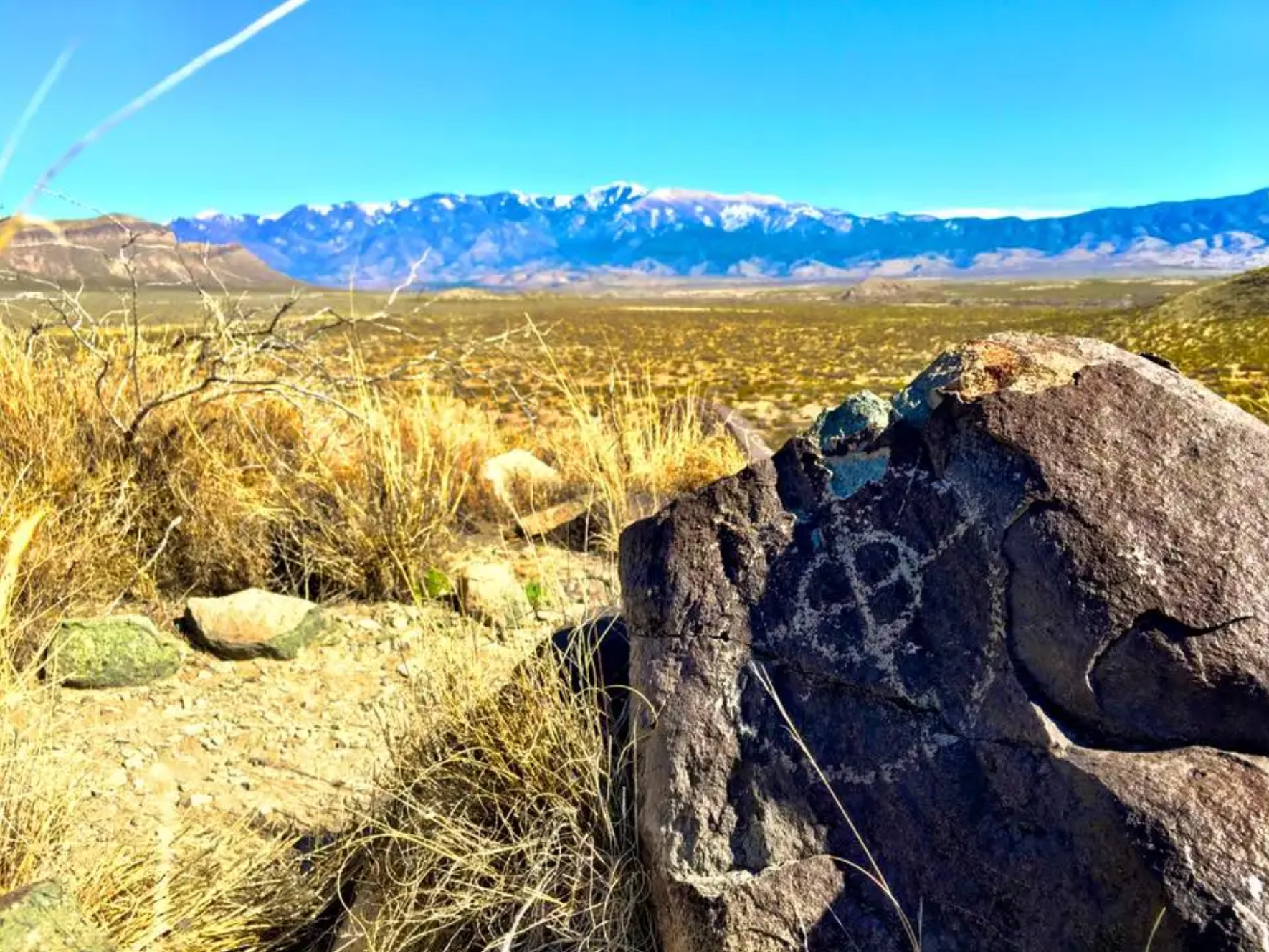
How often do you get to camp next to more than 21,000 ancient rock carvings? At Three Rivers Petroglyph Site, a short trail winds along a basalt ridge covered in petroglyphs, with Sierra Blanca towering to the east. The small BLM campground has two RV sites with water and electric hookups, about a dozen dry sites (some with raised tent pads), and a group shelter. Reviewers rave about the clean flush toilets and helpful hosts.
Good to know:
- Most sites are first-come, first-served. The group site is reserved through the BLM Las Cruces office.
- Prices are low: reviewers report about $10 for a dry site and $18 for a hookup site.
- There are no showers or dump station. The nearest dump is at Valley of Fires in Carrizozo.
- It’s open and windy, with little privacy between sites. Reviewers say sites 1 and 2 are the best.
- Pets are welcome in the campground but not on the petroglyph trail.
7. Leasburg Dam State Park
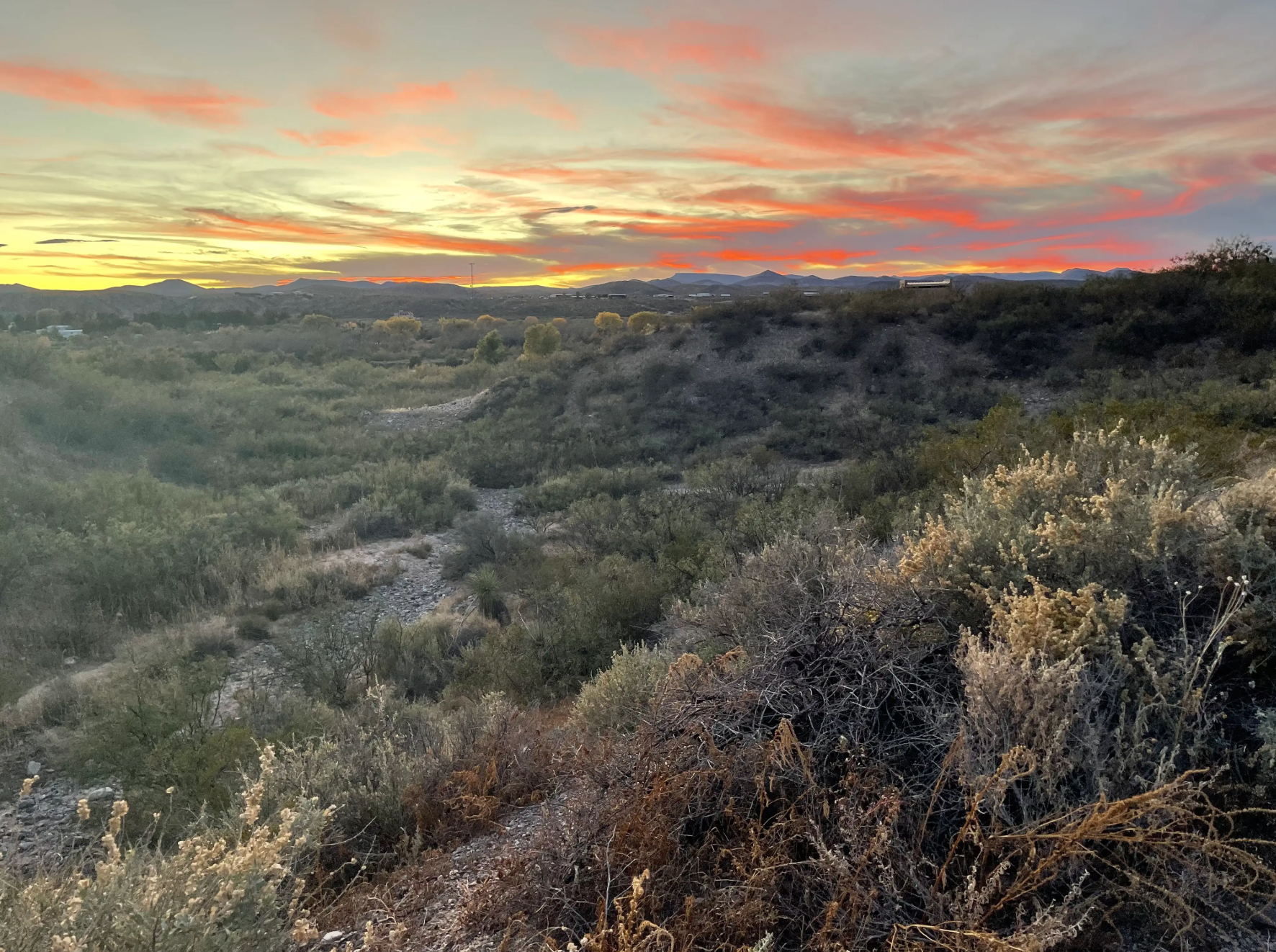
Leasburg Dam State Park sits above the Rio Grande about 15 miles north of Las Cruces, just off I-25 at Radium Springs. Its 24 sites have concrete pads that fit RVs up to 40 feet, 18 have electric hookups, and each has a covered picnic table in an adobe-style shelter. “You can’t beat New Mexico State Parks,” one camper wrote.
Good to know:
- Reservations are required for every site.
- The gate locks at sunset, so time your drive back from White Sands.
- Fish or cool off in the Rio Grande, and check the calendar for monthly star parties at the park’s observatory.
- Spring winds can kick up a lot of dust.
Extend Your Road Trip: Stops Near White Sands
White Sands sits in the middle of one of the most underrated corners of the Southwest. Base yourself near the Organ Mountains for the Las Cruces side, then move to Oliver Lee or Dog Canyon for Alamogordo and the mountains, and you can easily fill a long weekend.
Organ Mountains-Desert Peaks National Monument
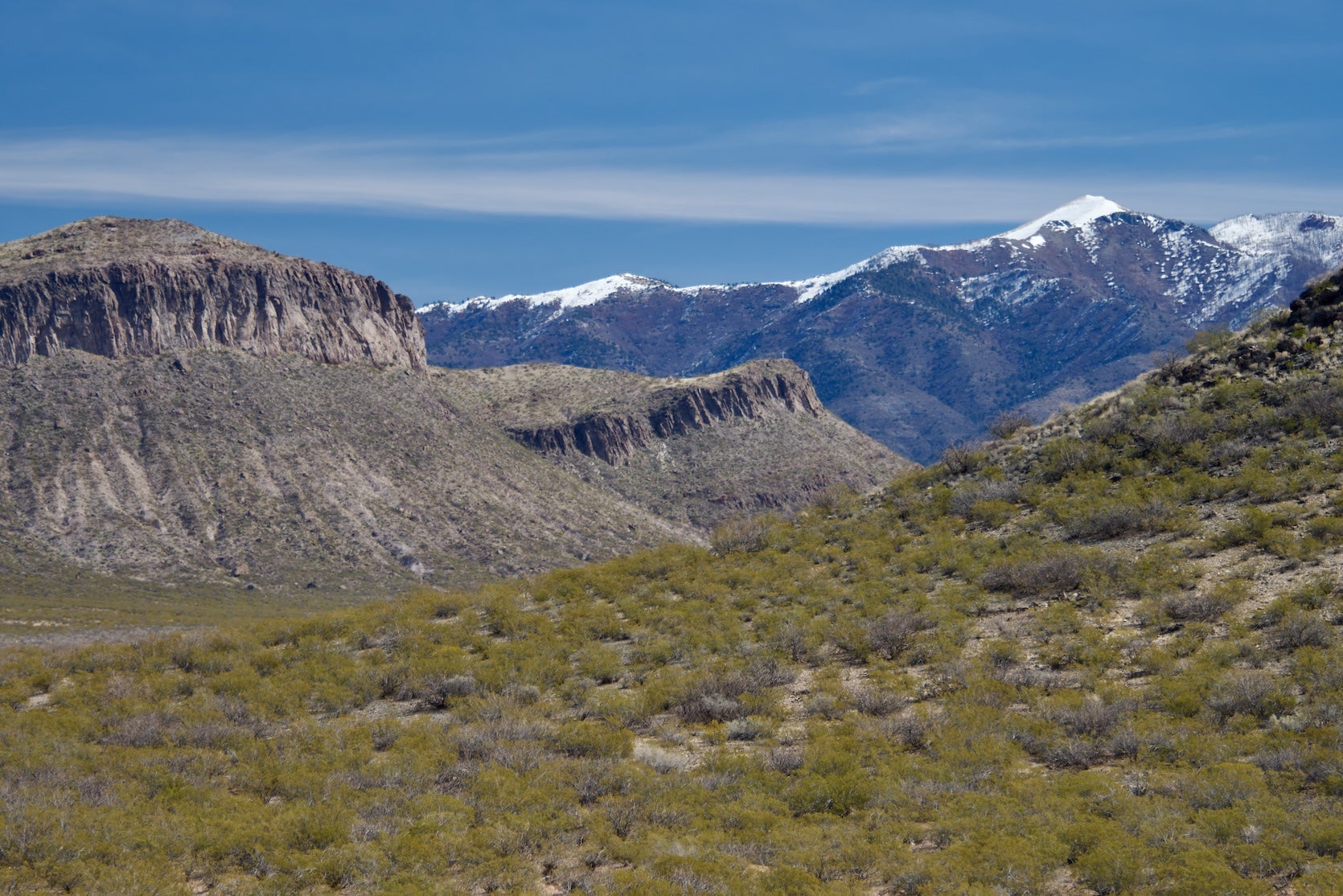
If you camp at Aguirre Spring, Baylor Canyon, or Sierra Vista, you’re already here. Established in 2014, this BLM national monument protects the jagged Organ Mountains, which rise to about 9,000 feet right on the edge of Las Cruces. Hike the 6-mile Baylor Pass Trail over the crest to Aguirre Spring, or head to Dripping Springs Natural Area for an easier walk to historic ruins in a desert canyon.
Old Mesilla
Just outside Las Cruces, the historic plaza in Mesilla is a National Historic Landmark and a great place to refuel. The town became part of the U.S. with the Gadsden Purchase in 1854, and Billy the Kid was once tried for murder here. Grab green chile everything, browse the shops, and stop by the Basilica of San Albino, which anchors the north end of the plaza.
New Mexico Museum of Space History (Alamogordo)
The Tularosa Basin has been a hub for rocket and space research since the 1940s, and this Smithsonian Affiliate museum tells that story. It’s home to the International Space Hall of Fame, an outdoor air and space park full of rockets, and the grave of Ham, the first chimpanzee in space. The museum celebrated its 50th anniversary in 2026. It’s closed on Tuesdays.
Dog Canyon Trail at Oliver Lee Memorial State Park
Camping at Oliver Lee or Dog Canyon? The trailhead is right in the state park. The Dog Canyon Trail is a steep, strenuous climb of more than 3,000 feet over about 5.5 miles one way, from the Chihuahuan Desert up into the Sacramento Mountains. You don’t have to go the whole way; the views pay off within the first mile. The state park charges a day-use fee.
Cloudcroft and the Sacramento Mountains
When the desert heats up, drive about 20 miles east of Alamogordo on US 82 to Cloudcroft. The mountain village sits at roughly 8,700 feet in Lincoln National Forest, and the road climbs through pines with big views back over the white sands. Hike to the 1899 Mexican Canyon Trestle, a wooden railroad bridge from the old cloud-climbing railway.
Three Rivers Petroglyph Site
About an hour north of White Sands, between Tularosa and Carrizozo, this BLM site protects more than 21,000 petroglyphs carved by the Jornada Mogollon people. An easy trail follows a basalt ridge covered in bighorn sheep, masks, and geometric designs, with Sierra Blanca towering to the east. Want to stay the night? The BLM campground here made our list above.
Carlsbad Caverns National Park
Want to bag a second national park? Carlsbad Caverns is about 3.5 hours east, and the drive over the mountains through Cloudcroft is gorgeous. Pair it with Guadalupe Mountains National Park, about 30 minutes away across the Texas line, for a three-park loop.
Trinity Site (Once a Year Only)
The site of the world’s first atomic bomb test sits on White Sands Missile Range, about 60 miles north of the park. It opens to the public only once a year, on the third Saturday in October. The 2026 open house has passed, so mark your calendar for 2027.
Tips for Visiting White Sands
- Check for missile test closures. White Sands Missile Range surrounds the park, and Dunes Drive can close for up to three hours during tests. US 70 between Las Cruces and the park can close too. The visitor center stays open, and the park posts upcoming closures online, so check before you drive over from camp.
- Plan around the hours. The park opens at 7 a.m. daily, and closing time shifts with the seasons (around sunset). It’s closed on Thanksgiving and Christmas.
- Budget for the entrance fee. It’s $25 per vehicle, $20 per motorcycle, or $15 per person on foot or bike, good for seven days. America the Beautiful passes are accepted.
- Pick your season. Fall and early winter are the sweet spot, with mild days and thinner crowds. Summer highs regularly top 95°F, spring brings strong winds, and late-summer monsoon storms can roll in fast.
- Bring more water than you think. There’s no water out in the dunefield. Fill up at the visitor center or before you leave camp, since none of the dispersed sites have water either.
- Protect your eyes and skin. The white gypsum reflects a lot of sunlight. Sunglasses, a hat, and sunscreen are a must, even in winter.
- Bring ID. There’s a Border Patrol checkpoint on US 70 between Las Cruces and White Sands.
- Bring the pup. Leashed pets are welcome in the park, which makes it one of the more dog-friendly national parks out there.
- Leave the sand. It’s tempting, but taking gypsum sand out of the park isn’t allowed. Leave No Trace applies here and at your campsite.
Popular Articles:
Articles on The Dyrt Magazine may contain links to affiliate websites. The Dyrt receives an affiliate commission for any purchases made by using such links at no additional cost to you the consumer.