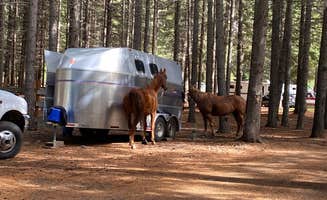
Cayuse Horse Camp provides equestrians with key facilities when exploring the Cle Elum region. Located in Ronald, the camp connects to the extensive mountain trail network of Wenatchee National Forest. Sites are spacious enough for portable panels or highlines since no permanent corrals are available. The camp serves as a strategic basecamp for day rides into alpine areas. Water for horses must be carried or filtered from nearby streams.
What to do
Trail riding networks: Access mountain bridle paths directly from Owhi Campground, which connects to Cooper Lake recreation areas. "The surrounding terrain offers varied riding options with trails suitable for different experience levels," with numerous paths for both novice and experienced riders. The campground earns high marks from equestrians who appreciate "direct access to forest trails without requiring highway travel."
Fishing alpine lakes: Cooper Lake at Lake Valhalla Backcountry Camping offers trout fishing in a pristine setting. "This camp site was so beautiful and peaceful. I loved the view and the snow there didn't bother me one bit," notes jeremy S. Rainbow trout are available for anglers with proper technique and licenses.
Winter exploration: The horse campgrounds near Baring, Washington transition to snow-covered terrain from December through April. Snowshoeing and cross-country skiing become popular activities in the same areas used for summer horse camping. Winter visitors should check trail conditions and prepare for limited facilities during snow season.
What campers like
Mountain views: The equestrian campgrounds surrounding Baring showcase the Cascade Range panorama. At Teanaway Campground, campers report excellent stargazing opportunities. "Get there a little early to get a good spot so you can see those brilliant stars at night," advises Cassiey K., highlighting the minimal light pollution that enhances night sky viewing.
Water access: The region's equestrian facilities often include nearby water features. At South Fork Snoqualmie River Dispersed Site, "Green as far as the eye can see, with a creek by that provides the perfect white noise to fall asleep to," describes Jon H. Many equestrian campers value the sound of water for helping horses remain calm overnight.
Privacy between sites: Horse campers prefer adequate space between camping spots. Nason Creek offers "spacious okay privacy sites," according to Garrett T., who found the campground "way better" than nearby alternatives. The layout provides sufficient separation for horses that might be unfamiliar with each other.
What you should know
Insect preparation: Many equestrian campgrounds near Baring experience seasonal mosquito activity. At Lake Wenatchee State Park Campground, Jin advises, "Be prepared for mosquitoes. But other than that very clean nice campsite." Bringing appropriate insect protection for both humans and horses is essential during summer months.
Access road conditions: Some horse campgrounds have challenging approach roads. Parker C. notes about South Fork Snoqualmie, "Access road is right off the highway and unpaved, has a TON of holes so I wouldn't recommend driving down it without good ground clearance." Horse trailers require careful navigation on these forest roads.
Early arrival recommended: Securing suitable sites for horse camping often requires planning. "Arrive early to snag a piece of this lakeside paradise!" suggests Megan C. about Owhi Campground. During peak season (June-September), arriving midweek improves chances of finding appropriate spaces for horse trailers and corrals.
Tips for camping with families
Lake activities: Equestrian camps with water access provide options for non-riders. Amanda E. describes Nason Creek: "An easy ten minute walk led you to Lake Wenachee, the most amazing alpine lake with a great beach and camp store where you can rent kayaks, paddle boards, and get ice cream." This allows family members to enjoy water recreation while others ride horses.
Wildlife viewing opportunities: Horse campers often encounter wildlife at dawn and dusk. Kerrie L. reports from Owhi Campground: "We canoed on the lake and saw a few Elk bugling. Really amazing views." Families should maintain appropriate distances from wildlife while enjoying observation opportunities.
Weather preparation: Mountain weather changes quickly around Baring's horse camps. Daytime summer temperatures can reach 85°F while dropping to 45°F overnight. Pack layers and rain gear regardless of forecast. Sudden storms can appear throughout summer months, requiring protection for both campers and horses.
Tips from RVers
Large rig considerations: Evergreen State Fairgrounds accommodates sizeable horse trailers with living quarters. Adam A. explains, "It's more of a place to park then a full on campground. It has water and 30 amp power at all spots with access to a dump station." The layout works well for larger horse transportation combinations.
Hookup availability: Equestrian campgrounds near Baring typically offer minimal services. "The power pedestals is set up for 2 rv's per pole so it might be on the wrong side so you need to run an extra cord or hose," notes Adam about Evergreen. Most forest service horse camps lack electrical connections entirely, requiring generator use during permitted hours.
Parking surface conditions: Many horse camps have unpaved parking areas. Teanaway Campground can get "a little dusty and windy," according to Ginger M., which affects both RV setup and horse comfort. Using stabilizers and bringing ground covers helps manage dusty or muddy conditions depending on season.



 Traveler


