Camping in Sequoia and Kings Canyon National Parks spans elevations from 2,100 to 7,800 feet, offering diverse camping experiences from hot, lower-elevation sites to cooler, pine-shaded mountain retreats. Many campgrounds within these parks require reservations up to six months in advance during peak summer season, with sites filling quickly between May and September. Weather conditions vary dramatically by elevation, with lower sites like Potwisha remaining accessible year-round while higher locations close after first significant snowfall.
What to do
Swimming and water activities: At Hume Lake Campground, visitors enjoy paddling and swimming in the crystal-clear lake. "The lake is gorgeous!! Almost nobody on it and relatively warm and clear. Perfect for paddle boards or kayak or canoe. Got to paddle surrounded by a snow capped peak off in the horizon," shares one camper who visited in June.
Waterfall hikes: The Topokah Falls trail inside Lodgepole Campground offers an accessible hiking option directly from camp. "It's a stunning area of the park with the Topokah falls trail right inside the campground," notes one visitor, who adds that "the location and close proximity to lots of attractions nearby make it worth it."
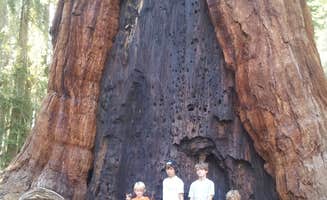
Giant sequoia exploration: The short walk from Azalea Campground to the General Grant Tree provides an easy way to see massive sequoias without a long drive. "There is a nice trail from the campground that leads to the General Grant Sequoia Grove, and a really nice trail through the Sequoia Grove," mentions a camper who appreciates not needing to drive to experience these ancient trees.
What campers like
Creek-side camping: Upper Stony Creek provides refreshing natural pools and water features. "The granite slides and pools don't have a clear path to get to. You kind of have to slip through other sites farther towards the hike-in sites to get to, which was uncomfortable," explains one camper, adding that "accessing the creek is also not easy in these areas... there's some scrambling, so be prepared."
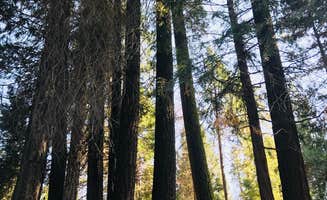
Meadow views: Princess Campground features giant sequoia stumps and a lovely adjacent meadow with wildflowers. "Pitch your tent in a beautiful grove of sequoias - including the massive stumps left over from fallen giants - on the edge of a meadow filled with lupine, aspen, and a sweet little creek," describes a camper who particularly enjoyed the stargazing opportunities.
Wildlife encounters: Multiple campgrounds in the area offer chances to spot native wildlife. "Wildlife came through camp. We saw deer and quail each day," reports a Potwisha camper, while another notes, "There are some very curious and friendly deer when we were there!" These sightings typically occur at dawn or dusk when wildlife is most active.
What you should know
Site privacy: Site spacing varies dramatically between campgrounds. At Hume Lake, a camper notes the drawbacks: "Another issue was that our site was within 10' of the other campsite. It was so close that when I was in my tent I was within 6' of the other campers' car." Conversely, Upper Stony Creek offers more isolation: "Spots are very private with lots of trees for shade, close to the creek."
Elevation differences: Lower elevation campgrounds like Potwisha Campground can get extremely hot in summer months. "This campground is at the base of the park on the south end. It can get warm there in summer months," reports one camper, making it better for spring and fall visits compared to higher elevation sites.
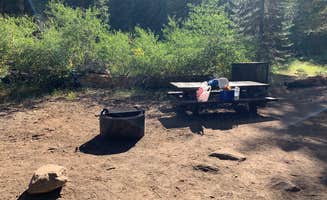
Free dispersed options: The Ten Mile Road (FS Road 13s09) area offers free camping without facilities. "Nice big camp spot in the Sequoia National Forest, the road was really calm mid-April, we had no car during the night. The spot has firepits, a camping table and loads of bushes," reports a camper who appreciated the solitude.
Tips for camping with families
Find camps with ranger programs: Several campgrounds offer educational opportunities for children. At Hume Lake, a camper points out local activities: "Short walk to the Hume Lake Christian Camp, where they have a visitor center, kayaks for rent, and even a general store with lots of food and supply options."
Choose campsites with natural features: Sites with natural play features keep children entertained. At Sentinel Campground, one family found "a small stream at the back of the site that occupied kids making fairy houses for hours. Beyond that was the river, which gave a peaceful backdrop for sleep."
Look for easy access to necessities: Camping with kids means frequent needs for supplies. Azalea Campground offers convenience: "Easy walk to campstore, post office, restaurant, and visitor center. Many trails close by," reports a family who appreciated these amenities within walking distance.
Tips from RVers
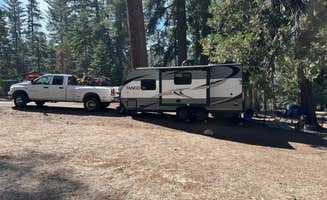
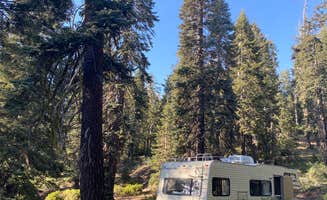
Check site angles: Many campgrounds in the parks feature uneven terrain challenging for RVs. At Dorst Creek, one RVer reports, "We barely fit on the site and had to use some crazy leveling techniques to get us set up," warning others to be prepared with leveling blocks and stabilizers.
Generator restrictions: Hours for generator use vary by campground. A Lodgepole camper notes, "Generator hours are thankfully enforced," which means quiet camping but potential challenges for power-dependent RVers.
Limited large rig options: Most park campgrounds accommodate smaller RVs only. "Spot 198 is the best for RV's in my opinion, but it only accommodates up to 22ft. If you can fit, it's amazing," shares a Lodgepole camper, emphasizing the importance of confirming length restrictions before arrival.













 Guide
Guide


