The Atlantic Coast Highway spans roughly 1,500 miles from Cape May, New Jersey, to Key West in the Florida Keys, tracing the edge of the Atlantic Ocean for an unforgettable coastal road trip. This route can be driven north-to-south or south-to-north, with travelers crossing eight states and experiencing everything from quiet barrier-island beaches to lively boardwalk towns. In contrast to the busy I-95 corridor, the coastal highway leads you through historic seaside villages, national seashores, and island communities where ocean views and sea breezes are constant companions.
It’s an iconic journey for beach lovers, history buffs, and camping enthusiasts alike. The Dyrt’s community of campers has explored every corner of this route – from the lighthouses of the Outer Banks to the mangroves of the Keys – sharing reviews and tips that shape this guide. While summer offers warm beach days, the best seasons are spring and fall for milder weather and fewer storms. This overview covers the entire Atlantic Coast Highway with regional highlights, must-see stops, and top-rated campgrounds, and it links out to detailed segment guides to help you plan your epic coastal adventure in either direction.
Route Overview & Quick Facts
| Atlantic Coast Highway | Quick Facts |
| Total Distance | ≈1,500 miles (coastal route, Cape May NJ to Key West FL) |
| States Crossed | New Jersey, Delaware, Maryland, Virginia, North Carolina, South Carolina, Georgia, Florida |
| Recommended Time | 2–3 weeks (to fully experience sights and stops) |
| Best Seasons | Spring (April–May) and Fall (Sept–Oct) for pleasant weather; Summer is fun but humid and busy; watch for hurricanes late summer/fall |
| Route Type | Mix of coastal highways (e.g. US-13, NC-12, US-17, A1A) with ferries and causeways linking barrier islands; mostly two-lane roads |
| Vehicle Needs | No special vehicle required – standard cars and RVs are fine. Oversize RVs should plan for ferry restrictions (Ocracoke ferry) and bridge clearances. |
| Notable Features | Ferry ride from NJ to DE; Chesapeake Bay Bridge-Tunnel; Outer Banks Scenic Byway (NC); historic cities (Charleston, Savannah, St. Augustine); Overseas Highway through Florida Keys (42 bridges) |
| Primary Challenges | Seasonal storms (hurricane season June–Nov); some long stretches with limited services (e.g. Outer Banks); summer traffic in tourist areas; ferry schedules/fees |
What Makes This Route Special
The Atlantic Coast Highway showcases an incredible diversity of landscapes and American history along one continuous route. Drivers alternate between bustling boardwalk resorts and remote protected shores – you might play arcade games on a classic pier in the afternoon and camp alongside wild beach ponies by nightfall. This route connects numerous national seashores and wildlife refuges (like Assateague Island and Cape Hatteras) that preserve undeveloped beaches, dunes, and salt marshes teeming with wildlife. Culturally, the journey takes you through the cradle of English colonization and maritime history: you’ll pass Colonial-era towns, Civil War landmarks, and the very spot at Kitty Hawk where the Wright Brothers first flew in 1903. Many sections are officially designated scenic byways – for example, North Carolina’s Outer Banks route is a National Scenic Byway and the Florida Keys Overseas Highway is an All-American Road. From fresh coastal cuisine (think Maryland crab shacks and Key West conch fritters) to iconic lighthouses guarding the shore, the Atlantic Coast Highway offers a rich tapestry of experiences that you won’t find on any interstate.
Regional Highlights Overview
Segment 1: Cape May, NJ to Virginia Beach, VA
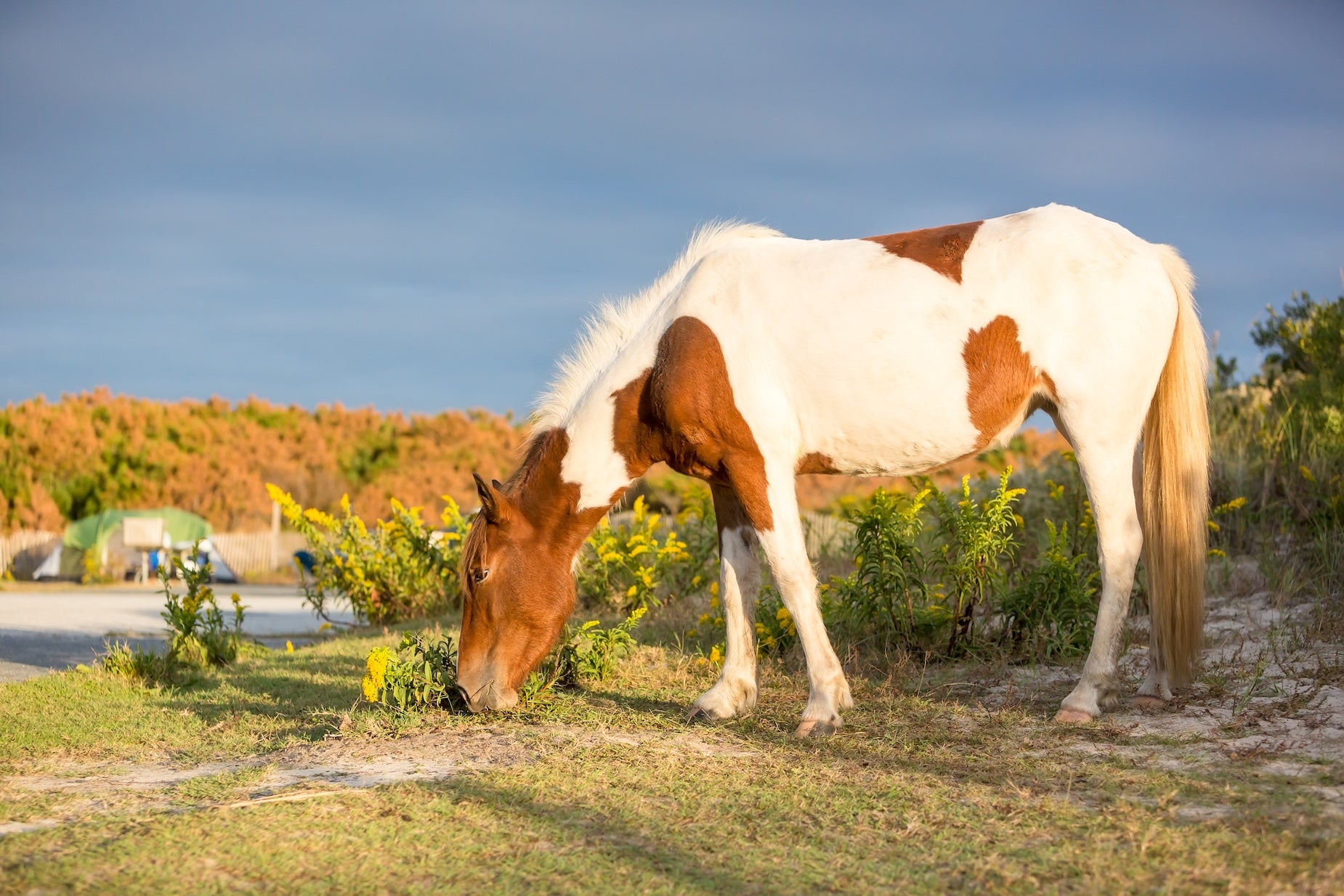
Cape May to Chesapeake Bay: Starting at Victorian Cape May, ride the ferry across the Delaware Bay to Lewes, Delaware. Cruise past the Delaware beaches and boardwalks, then explore Maryland’s Assateague Island where wild horses roam the beaches freely. A short detour inland leads to the NASA Wallops Flight Facility Visitor Center (if you time it right, you might see a rocket launch). Continue down the Delmarva Peninsula to charming Chincoteague and its wildlife refuge. Crossing into Virginia, you’ll traverse the engineering marvel of the Chesapeake Bay Bridge-Tunnel – 17.6 miles over (and under) the bay – before landing at Virginia Beach. This segment mixes classic seaside fun (saltwater taffy and boardwalk rides in Ocean City) with peaceful coastal nature.
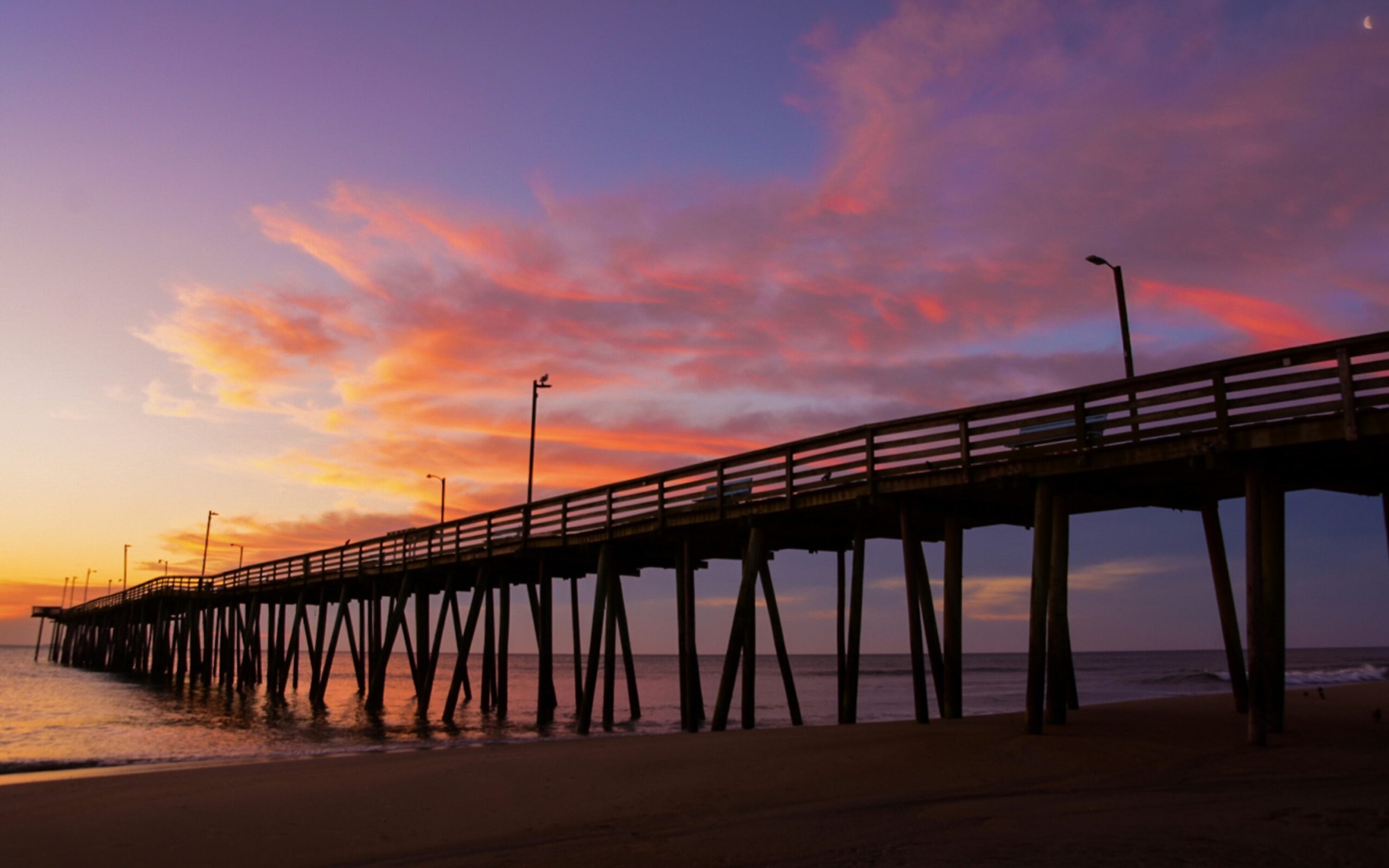
Segment 2: Virginia Beach, VA to Wilmington, NC
Outer Banks Expedition: From the Norfolk/Virginia Beach area, head south into North Carolina’s famed Outer Banks. Visit Kitty Hawk, where the Wright Brothers National Memorial commemorates the first flight. Drive the length of Cape Hatteras National Seashore on NC-12, a skinny ribbon of road between surf and sound. You’ll pass tall lighthouses (the black-and-white spiral of Cape Hatteras Light is a must-stop) and sleepy fishing villages. Take the free ferry from Hatteras to Ocracoke Island for more pristine shoreline and the quaint village of Ocracoke. Another ferry (about 2.5 hours, reservation recommended) carries you back to the mainland at Cedar Island. From there, continue to Wilmington, NC, a historic port city with a scenic riverfront. (Those pressed for time can bypass the Outer Banks via US-17 inland, but you’d miss the magic of the barrier islands.)
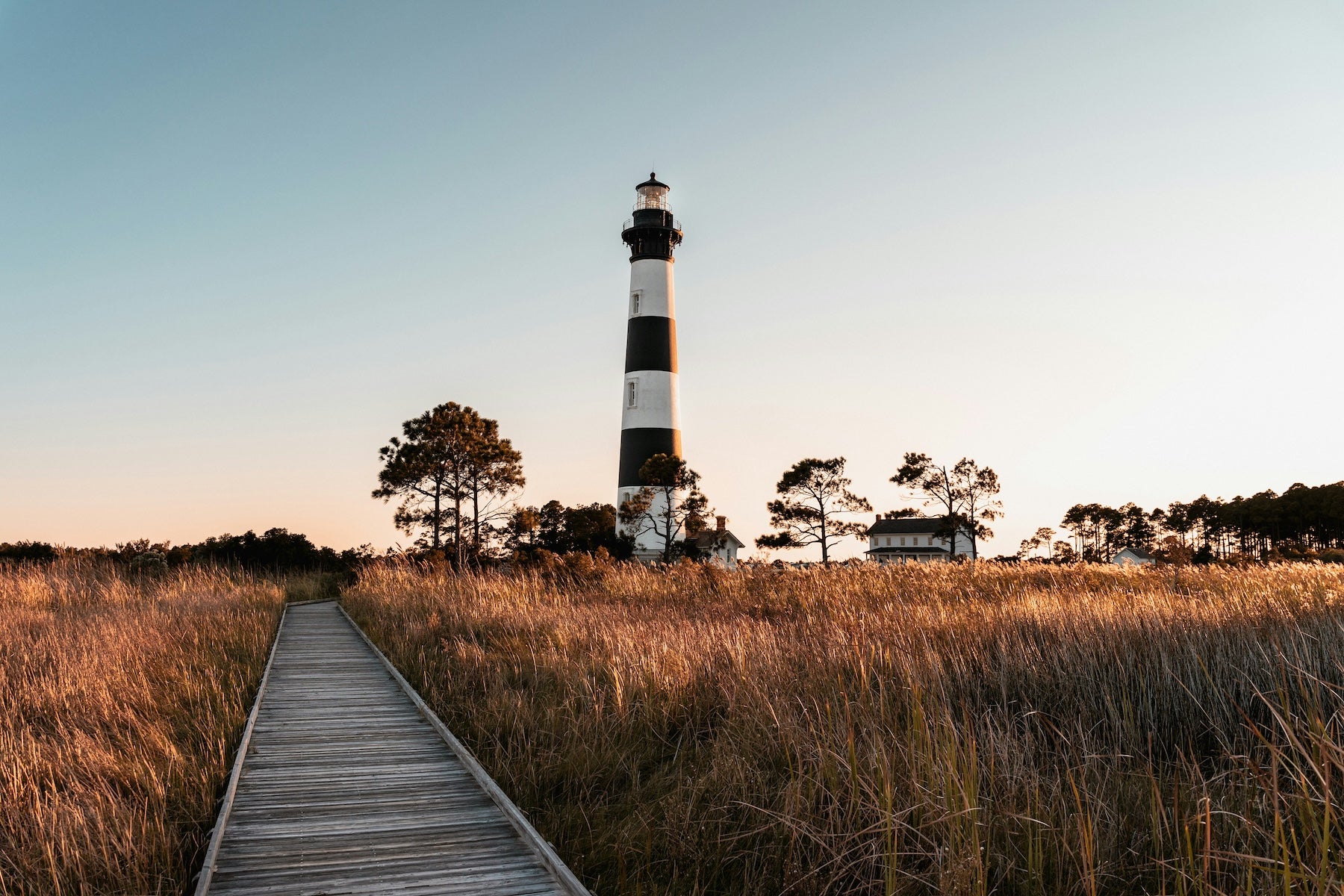
Segment 3: Wilmington, NC to Savannah, GA
Lowcountry Coast: This stretch runs through the Carolina Lowcountry and into coastal Georgia, blending beaches and American history. In South Carolina, you can stop at the Grand Strand of Myrtle Beach for classic amusement parks, or opt for a quieter detour to Huntington Beach State Park (just off US-17) to spot alligators and seabirds. Farther south, explore historic Charleston – cobblestone streets, plantation sites, and Fort Sumter in Charleston Harbor. Crossing into Georgia, the route hugs salt marshes and rivers. Consider a side trip to Jekyll Island (6 miles off-route), one of Georgia’s Golden Isles, to see driftwood-strewn beaches and Gilded Age cottages. The segment wraps up in Savannah, Georgia’s charming colonial city famous for its oak-shaded squares and riverside ambiance. It’s a journey through the Deep South’s coastal heritage, with Spanish moss and shrimp boats as your backdrop.
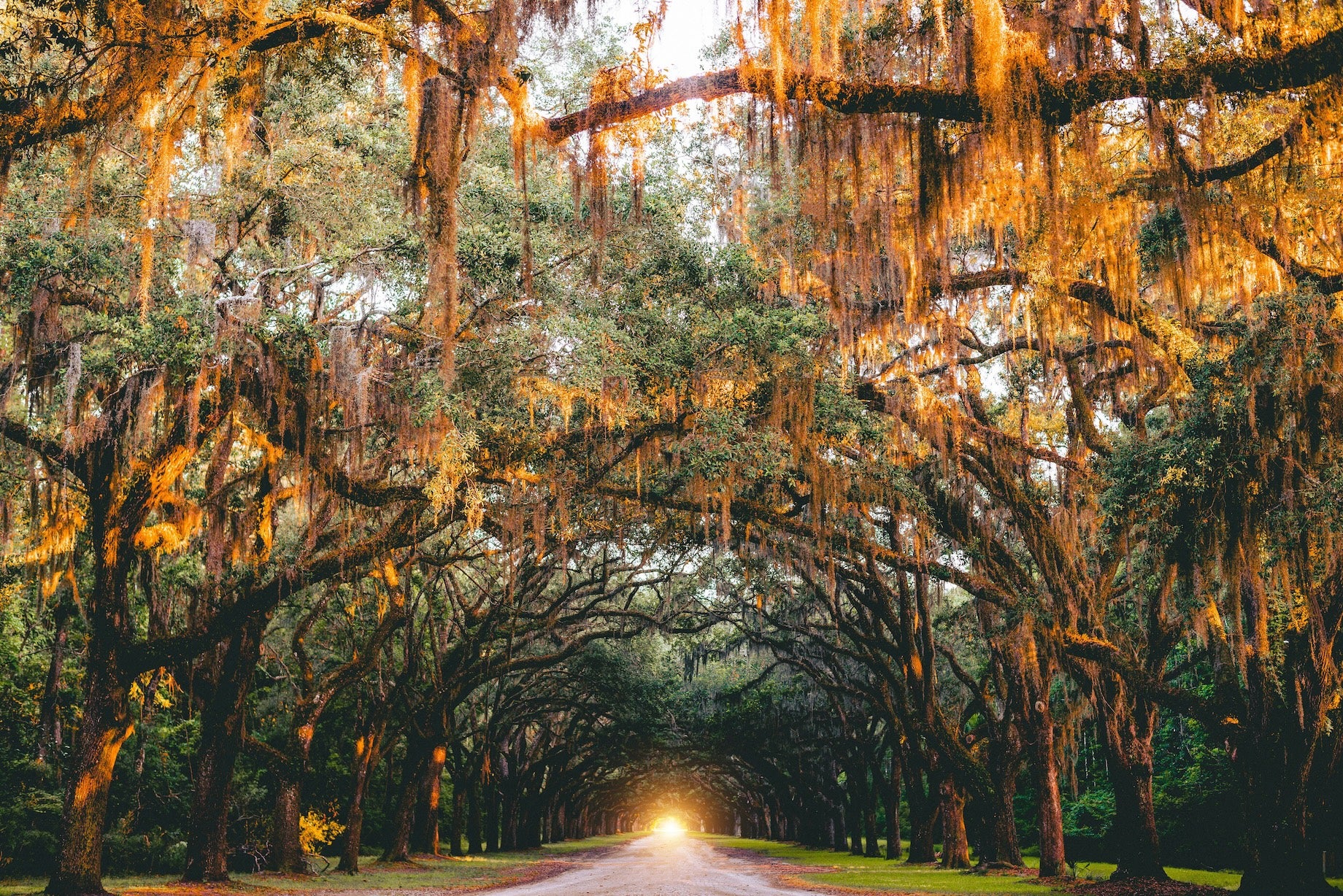
Segment 4: Savannah, GA to Miami, FL
Atlantic Florida Road: After Savannah, cross into Florida where over 600 miles of Atlantic coastline await. Northern Florida brings you to St. Augustine, the nation’s oldest city, rich with Spanish colonial architecture and the imposing Castillo de San Marcos. Continuing south, cruise along A1A through Daytona Beach (home of NASCAR’s Daytona International Speedway) and past the Space Coast – keep an eye out for rocket launch schedules at Cape Canaveral. Beachfront state parks like Anastasia State Park in St. Augustine or Sebastian Inlet are great picnic and swim stops. As you approach South Florida, you’ll experience the glitz of the Treasure Coast and Palm Beaches (with possible side trips to see loggerhead sea turtles nesting in summer). This segment ends in Miami, a vibrant multicultural city where art deco architecture and Latin flavor signal your gateway to the tropics.
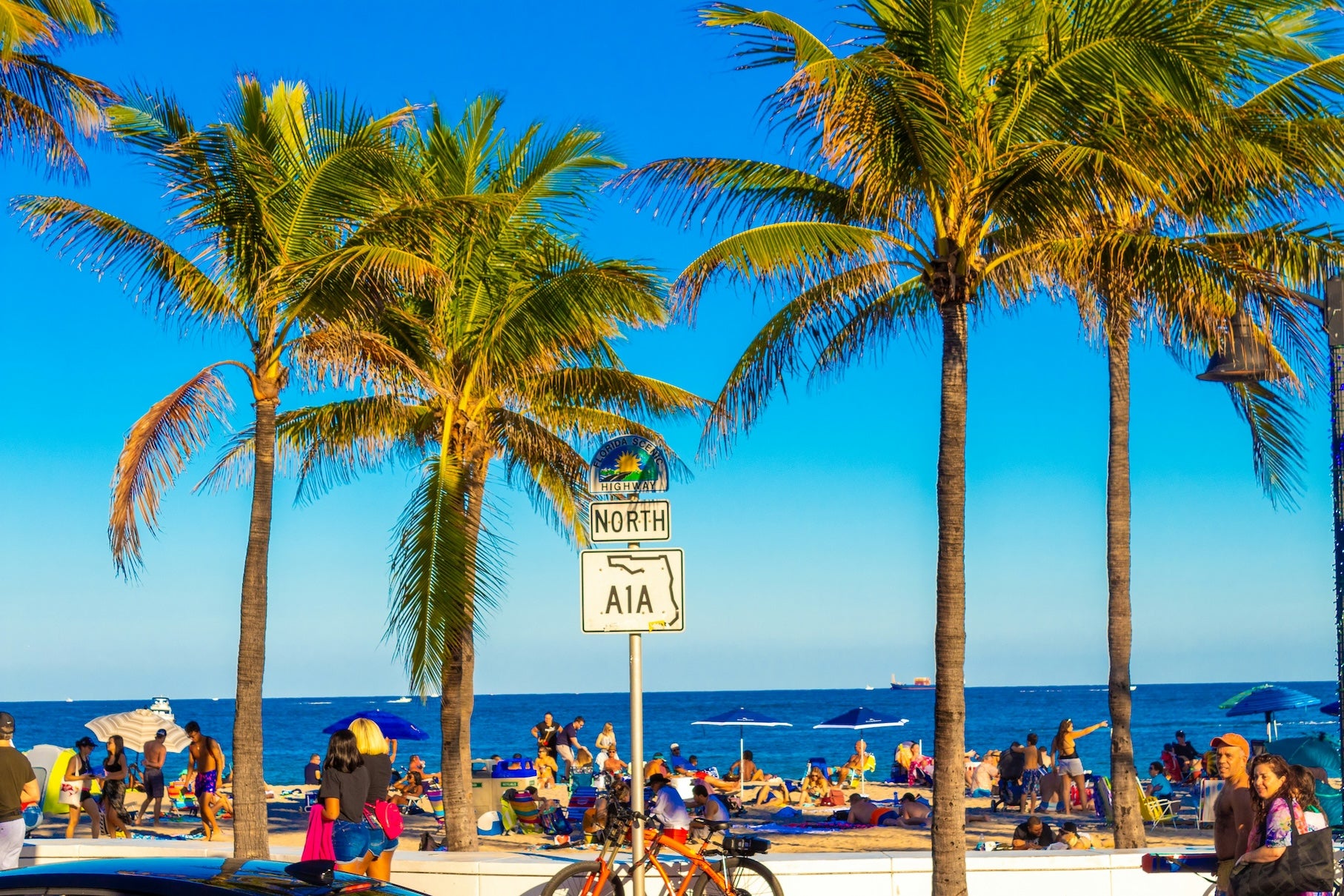
Segment 5: Miami, FL to Key West, FL
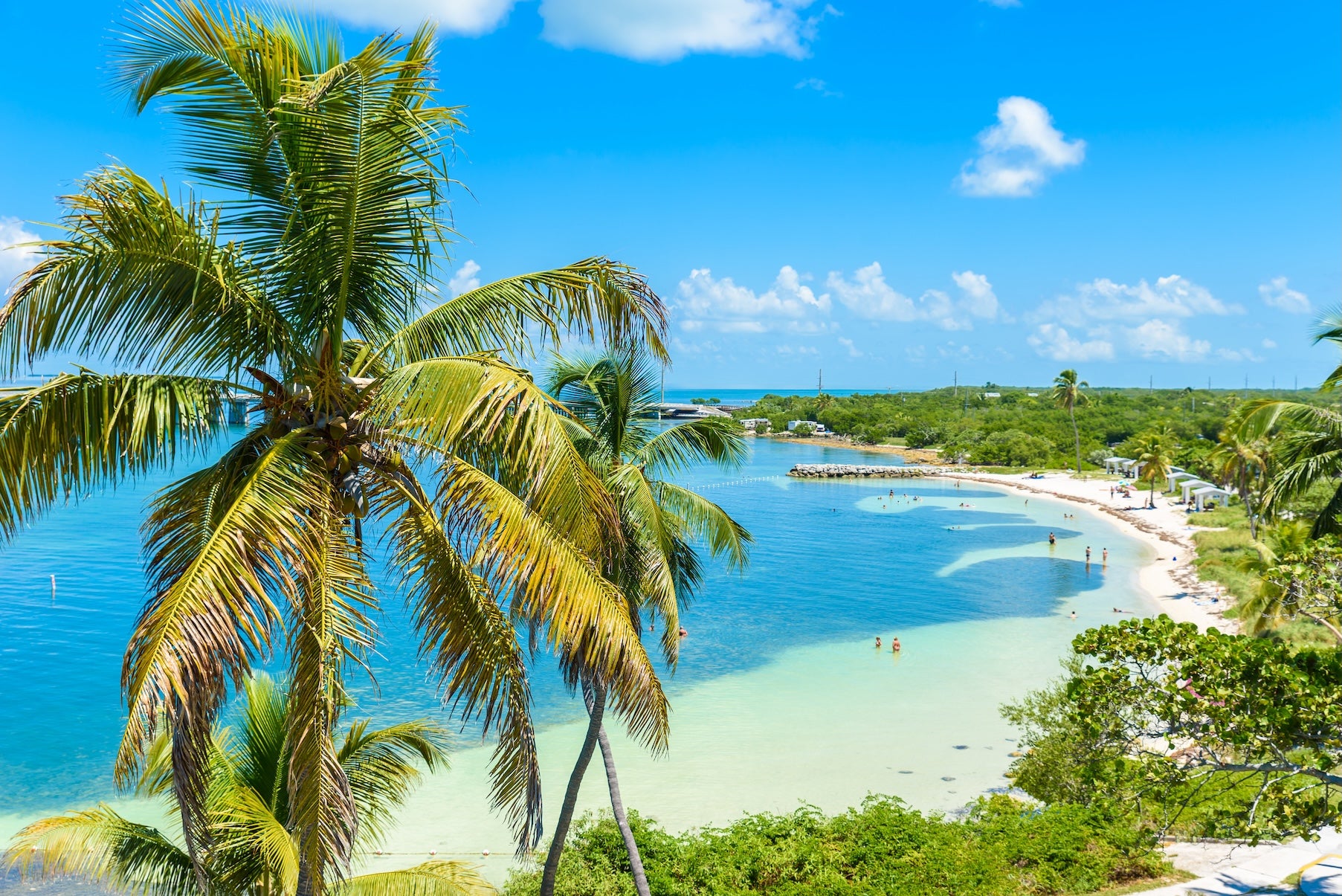
The Florida Keys: The final leg is a drive like no other – island-hopping on the Overseas Highway (US-1) all the way to Key West. You’ll leave mainland Florida and cross the Everglades’ edge into the Upper Keys at Key Largo, known for the coral reefs of John Pennekamp Coral Reef State Park (a great spot for snorkeling and diving). From there, follow the Florida Keys Scenic Highway across bridges linking dozens of coral islands. The Seven Mile Bridge south of Marathon is a highlight, offering stunning views of turquoise water on all sides. There are opportunities to kayak through mangrove tunnels, feed tarpon at roadside docks, or simply enjoy the sandy beaches at Bahia Honda State Park. End in Key West, the eccentric “Conch Republic” famed for its colorful Bahamian-influenced architecture, live music, and sunsets at Mallory Square. Allow extra time on this segment – the drive is only ~113 miles, but it’s packed with photo ops and slow island vibes.
Top 10 Best Places to Camp Along The Atlantic Coast Highway
- Assateague State Park Campground – Berlin, MD (Segment 1). Beachfront camping with wild horses. This Maryland state park sits on a barrier island next to Assateague’s protected beaches. Campers often wake up to wild ponies grazing near the dunes. Modern bathhouses and easy ocean access make it a favorite for tent and RV campers.
- Kiptopeke State Park Campground – Cape Charles, VA (Segment 1). Bay-side gem on Virginia’s Eastern Shore. Just north of the Chesapeake Bay Bridge-Tunnel, Kiptopeke offers sandy beaches on the bay and excellent fishing. The campground accommodates tents and big rigs, and visitors love the sunsets over Chesapeake Bay and the migratory bird watching from wooded trails.
- Ocracoke Campground — Cape Hatteras National Seashore – Ocracoke, NC (Segment 2). Outer Banks beach camping. Accessible only by ferry, this NPS campground lets you camp just over the dunes from the Atlantic. It’s rustic (no hookups) but offers picnic tables, cold showers, and unbeatable night skies. Ocracoke Village is a bike ride away for groceries and fresh seafood, making it a perfect base to enjoy the remote island vibe.
- Carolina Beach State Park Campground – Carolina Beach, NC (Segment 2). Coastal pine forest camping near Wilmington. Tucked along the Cape Fear River, this campground provides shaded sites and even a few cabins. It’s known for its nature trails (you might spot wild Venus flytrap plants) and proximity to the beach town attractions of Carolina Beach. Hot showers and a marina on-site make it comfortable and convenient.
- Huntington Beach State Park Campground – Murrells Inlet, SC (Segment 3). Beach and wildlife haven. A top-rated South Carolina campground, Huntington Beach offers large sites nestled in maritime forest just steps from a wide sandy beach. Campers enjoy the park’s nature center boardwalks over salt marsh, where you can see egrets and maybe an alligator. Electric/water hookups, clean bathhouses, and even beachside tent sites make it a hit for both RV and tent campers.
- Skidaway Island State Park Campground – Savannah, GA (Segment 3). Spanish moss and salt marsh scenery. Located about 20 minutes from downtown Savannah, this peaceful campground features huge wooded sites draped in Spanish moss. Amenities include electric/water hookups and showers. It’s a perfect base to explore Savannah by day and relax under live oaks by night. Don’t forget bug spray – the Lowcountry humidity brings out mosquitoes.
- Anastasia State Park Campground – St. Augustine, FL (Segment 4). Beachside camping by the old city. This popular campground sits in a coastal hammock a short walk from 4 miles of beach. Sites are well-shaded by oaks and palmettos, and campers rave about the easy access to swim, surf, or kayak. You’re also just minutes from St. Augustine’s historic downtown. Electric hookups and modern facilities make it comfortable, but sites book up fast in peak season.
- Sebastian Inlet State Park Campground – Melbourne Beach, FL (Segment 4). Surf, fish, and relax. Perched between the Atlantic Ocean and the Indian River Lagoon, Sebastian Inlet’s campground is a favorite for anglers and beachgoers. It has 51 sites with electricity and water, plus a boat ramp nearby. Stroll to the jetty to watch surfers and maybe spot dolphins. The vibe is laid-back and the stars on clear nights are fantastic, but bring repellent for no-see-ums (tiny coastal bugs).
- Buttonwood Campground — Bahia Honda State Park – Big Pine Key, FL (Segment 5). Florida Keys paradise camping. Bahia Honda is often called the crown jewel of Florida’s state parks, and its campground lives up to the hype. Some sites sit right on the turquoise bay, perfect for launching a kayak or watching the sunset. You’ll find clean restrooms, a camp store, and even cabins. Snorkel along the shore or lounge on the white sand beach – it’s island camping at its finest, roughly 35 miles from Key West.
- Boyd’s Key West Campground – Key West, FL (Segment 5). Southernmost Hospitality. A lively Stock Island spot that caters to both RV and tent campers looking for a fun and friendly atmosphere, Boyd’s has a great mix of amenities, including a pool, food truck and well-stocked store and is a convenient base for all your adventures. Campers rave about the clean facilities and the staff here are known for their friendliness and willingness to help, making your stay even more enjoyable.
Activities & Attractions Overview
The Atlantic Coast Highway offers a bit of everything. Nature lovers can enjoy beachcombing, swimming, surfing, and paddling in countless spots – from the gentle shores of Delaware and the Outer Banks waves, to the coral reefs of the Florida Keys. There are abundant parks and wildlife areas along the route, such as Cape Hatteras and Cape Lookout in NC, Cape Romain NWR in SC, and Merritt Island NWR in FL, where birding and wildlife viewing are prime. History and culture are a huge draw: you can tour colonial-era forts, visit the site of America’s first English colony on Roanoke Island, hear Gullah-Geechee stories in the Lowcountry, and walk the cobblestone streets of cities like Charleston and Savannah. Don’t miss quirky roadside attractions, either – think giant mini-golf courses, old lighthouses you can climb, and perhaps even catch a NASA rocket launch on the Space Coast. Outdoor recreation is a constant theme, whether it’s hiking nature trails under live oaks, taking a guided kayak through tidal creeks, or snorkeling with tropical fish. Each segment of the journey has its own flavor and highlights, and our in-depth segment guides dive deeper into these activities and sights.
Explore Route Segments in Depth
Ready for a closer look? Our detailed segment guides break down the Atlantic Coast Highway into manageable adventures with mile-by-mile suggestions, campground specifics, and hidden gems. Use the links below to explore each portion of the drive:
- Segment 1: Cape May, NJ to Virginia Beach, VA
- Segment 2: Virginia Beach, VA to Wilmington, NC
- Segment 3: Wilmington, NC to Savannah, GA
- Segment 4: Savannah, GA to Miami, FL
- Segment 5: Miami, FL to Key West, FL
Each segment guide provides a more granular itinerary, including driving distances, recommended stops, and additional campgrounds specific to that stretch. Whether you plan to drive one section or the whole route, these guides will help you make the most of your trip.
Planning Your Atlantic Coast Highway Road Trip
Fuel & Services: While much of the coastal route runs through developed areas, there are a few long stretches to plan for. Fuel up before venturing into the Outer Banks (gas is available on Hatteras and Ocracoke Islands, but stations are sparse), and note that the 113-mile Overseas Highway through the Keys has limited stops outside of Key Largo, Marathon, and Key West. In peak summer, some small beach towns may see fuel prices creep up due to demand. Carry water and basic supplies, especially when camping in more remote park campgrounds.
Seasonal Considerations: Hurricane season is a serious factor on the Atlantic Coast. From June through November, be weather-aware – storms can affect everything from the Cape May ferry to the Keys bridges. Plan with flexible dates or travel outside the peak hurricane period (late summer). Summers are hot and humid, especially in the southern states, but also the prime time for beach fun. Winters are mild in Florida (great for Keys camping) but can be cold/damp in the Mid-Atlantic, with some campgrounds closing or offering limited facilities off-season. Spring and fall offer warm days and cooler nights, ideal for camping and fewer crowds.
Connectivity: Cell service is generally good in and near towns, but expect dead zones in remote areas. Sections of Cape Hatteras National Seashore, for example, have no signal, and you might lose coverage in parts of the Everglades and Lower Keys as well. Download offline maps (The Dyrt PRO’s offline camping maps can be a lifesaver) and don’t rely on streaming services for entertainment in the evening – bring some downloaded music or podcasts for the quiet stretches.
State DOT Resources: Before and during your trip, check state transportation resources for real-time info on road conditions and ferry operations:
- Chesapeake Bay Bridge-Tunnel Alerts (Virginia) – for wind restrictions or closures on the CBBT.
- NCDOT Ferry Schedules & Alerts (North Carolina) – Hatteras and Ocracoke ferry operations, especially important in summer.
- FL 511 Traveler Info (Florida) – real-time traffic on US-1 and hurricane evacuation updates in Florida.
Budget Considerations: One perk of this route is the abundance of state park and national seashore campgrounds, which are affordable (around $20–$40 per night) compared to coastal hotels. Private RV resorts in prime beach areas or the Keys can run higher ($60+ in peak season), so plan accordingly. Factor in tolls and fees: the Cape May–Lewes Ferry (vehicle fare), Chesapeake Bay Bridge-Tunnel toll, and Ocracoke’s longer ferry from Cedar Island (around $15 for a car) are notable costs. Food-wise, you can save by enjoying campsite cooking – perhaps grilling fresh local seafood – but leave room in your budget to sample regional specialties (blue crabs in Maryland, Carolina BBQ, Key Lime pie in Key West). Overall, a frugal traveler camping along the way might spend far less than those staying in resorts, but it’s wise to budget extra for activities like guided tours, fishing charters, or snorkeling trips that you might be tempted to try.
Special Requirements & Tips: No special permits are needed to drive the route, but if you plan to drive onto certain beaches (for example, Cape Hatteras ORV beach access), you’ll need a beach driving permit. Make campground reservations well in advance, especially for summer weekends at state parks and winter in the Florida Keys – popular spots can book out months ahead. When taking ferries, arrive early; in peak season the lines for the Hatteras–Ocracoke ferry can start an hour or more before departure. Lastly, respect the wildlife: wild horses, alligators, Key deer, and sea turtles all live along this highway. Follow Leave No Trace principles, never feed wild animals, and secure your food/trash at campsites. Safe and responsible travel ensures this coastal highway remains a treasure for years to come.
Additional Resources
- Outer Banks National Scenic Byway – Official Info. Details on the route, ferry schedules, and sites along NC’s Outer Banks.
- Florida Keys Overseas Highway Guide. Visitor information for the All-American Road from Miami to Key West, including attraction highlights.
- NPS – Cape Hatteras National Seashore. National Park Service resource for Outer Banks safety alerts (e.g. road overwash, beach closures) and visitor centers.
- The Dyrt PRO – Upgrade for offline maps and downloaded campground lists. Extremely useful when exploring areas with limited cell service.
- Leave No Trace Principles. Refresh on outdoor ethics, especially important for beach camping and wildlife areas along this route.
Popular Articles:
Articles on The Dyrt Magazine may contain links to affiliate websites. The Dyrt receives an affiliate commission for any purchases made by using such links at no additional cost to you the consumer.