This 200-mile stretch of the Atlantic Coast Highway links historic Cape May, New Jersey, with the lively shores of Virginia Beach, Virginia. This is one segment of a multi-state coastal journey, featuring a ferry ride across Delaware Bay, classic beach towns, wild barrier islands, and an epic bridge-tunnel over Chesapeake Bay. Travelers drive from Victorian-era streets and sandy boardwalks to protected islands where wild horses roam free. Plan on taking about four days for this leg to fully enjoy the beaches, parks, and small towns along the way. For a broader look at the entire route, see our complete Atlantic Coast Highway road trip overview.
Cape May to Virginia Beach Segment Overview
Starting at Cape May’s Victorian seaside setting, this route hops a ferry to reach Delaware’s sandy coast. The drive then threads through beach towns like Rehoboth and Ocean City, passes coastal state parks, and visits Assateague Island’s windswept beaches. Further south, you’ll explore Chincoteague National Wildlife Refuge in Virginia, known for wild ponies and migratory birds. Finally, the segment crosses the 17.6-mile Chesapeake Bay Bridge-Tunnel onto the mainland at Virginia Beach. Spring and fall offer the most pleasant weather and thinner crowds.
Quick Stats
| Total Distance | Estimated Drive Time | States |
|---|---|---|
| ≈200 miles (with ferry) | About 5 hours (plus 85-min ferry) | NJ, DE, MD, VA |
| Primary Routes | Recommended Duration | Cell Service |
| Cape May–Lewes Ferry; DE-1; US-13 | 4 days | Mostly good (spotty in remote areas) |
| Fuel Stops | ||
| Plentiful in towns; no services on Chesapeake Bay Bridge-Tunnel (fuel up beforehand) | ||
Day-by-Day Itinerary
Day 1: Cape May, NJ to Lewes, DE (via Ferry)
Distance: ~20 miles (plus ferry). Drive Time: ~1 hour (excluding 85-min ferry).
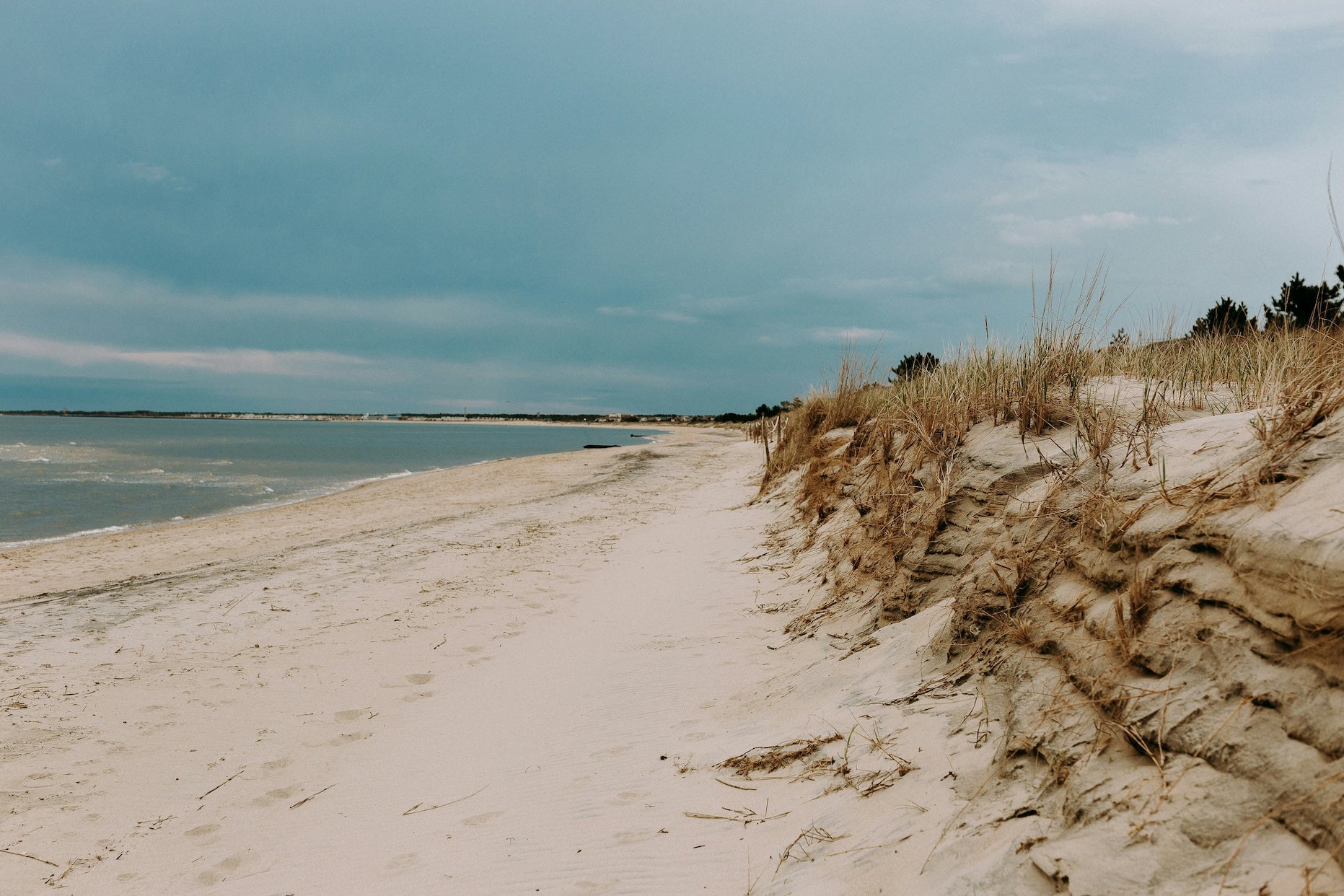
Start your morning strolling Cape May’s beach and Victorian downtown. Consider visiting the Cape May Lighthouse at Cape May Point State Park for panoramic views of the coast. Next, drive to the Cape May–Lewes Ferry terminal and sail across the Delaware Bay to Lewes, Delaware. The ferry ride takes about 85 minutes and often comes with salty breezes and maybe a dolphin sighting. Once in Lewes, take a walk at Cape Henlopen State Park to see the dunes or climb a WWII observation tower. In the evening, head into nearby Rehoboth Beach for a casual dinner on the boardwalk. Set up camp at Cape Henlopen State Park Campground in Lewes for easy beach access.
Day 2: Lewes, DE to Ocean City, MD
Distance: ~60 miles. Drive Time: ~1.5 hours.
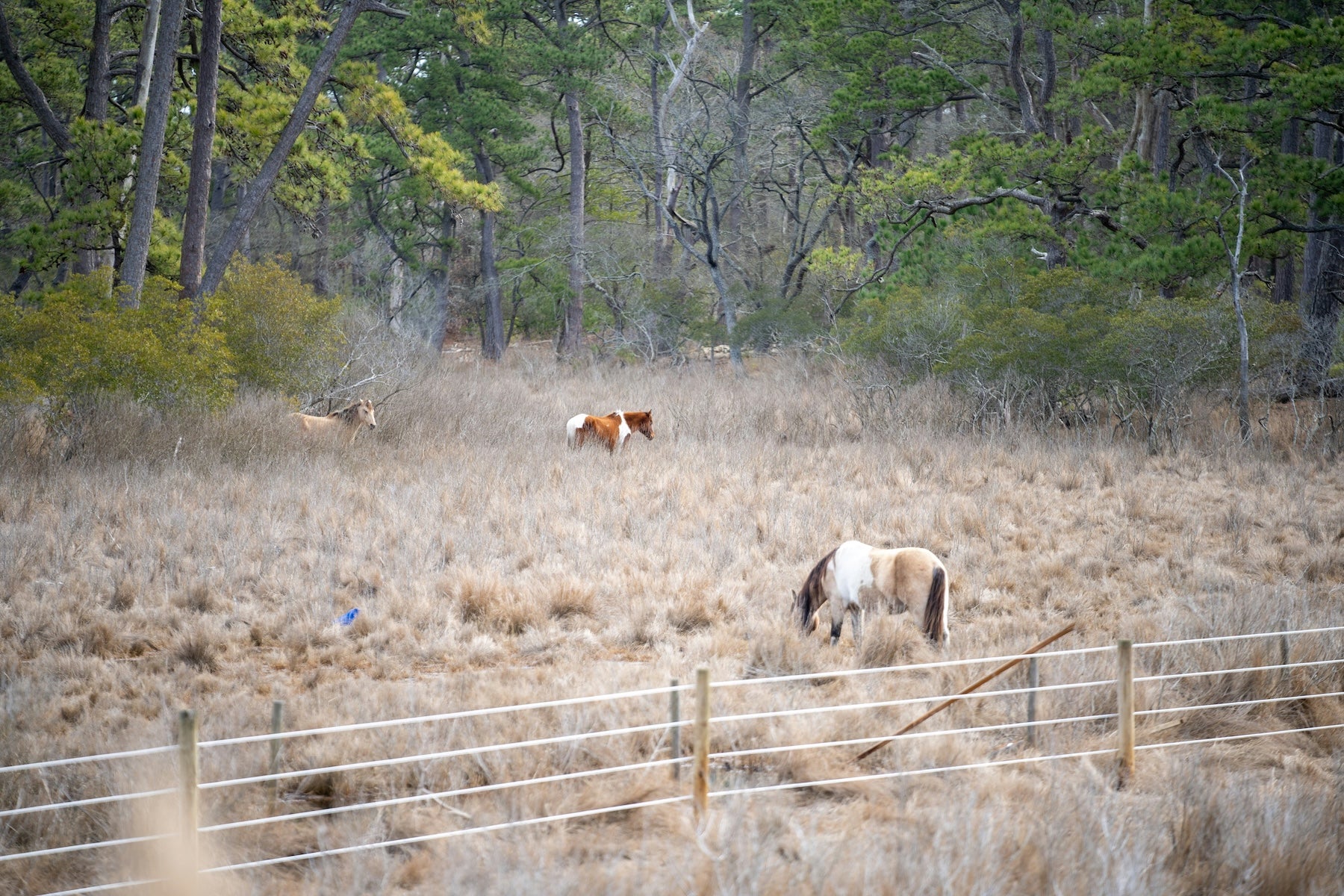
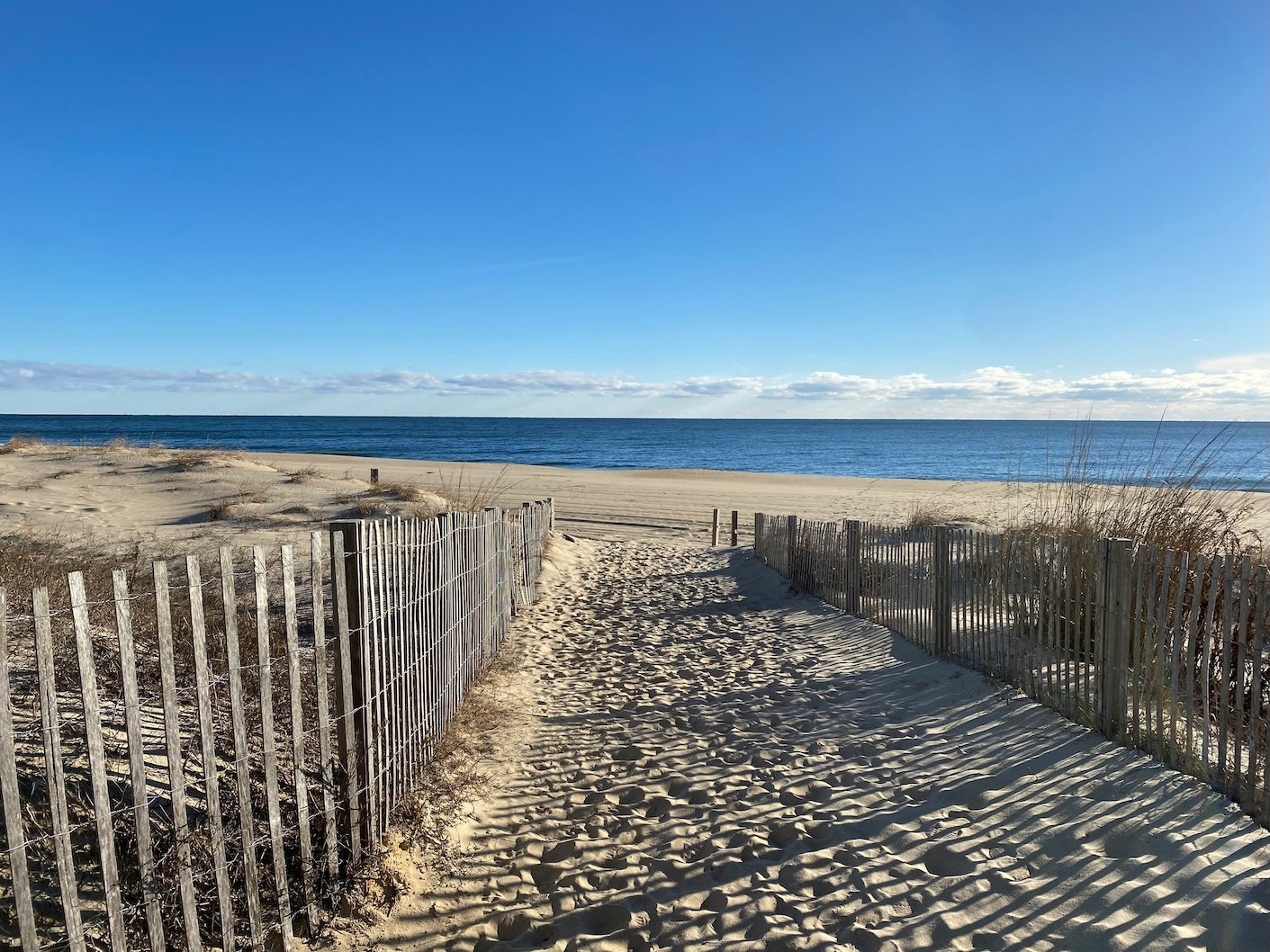
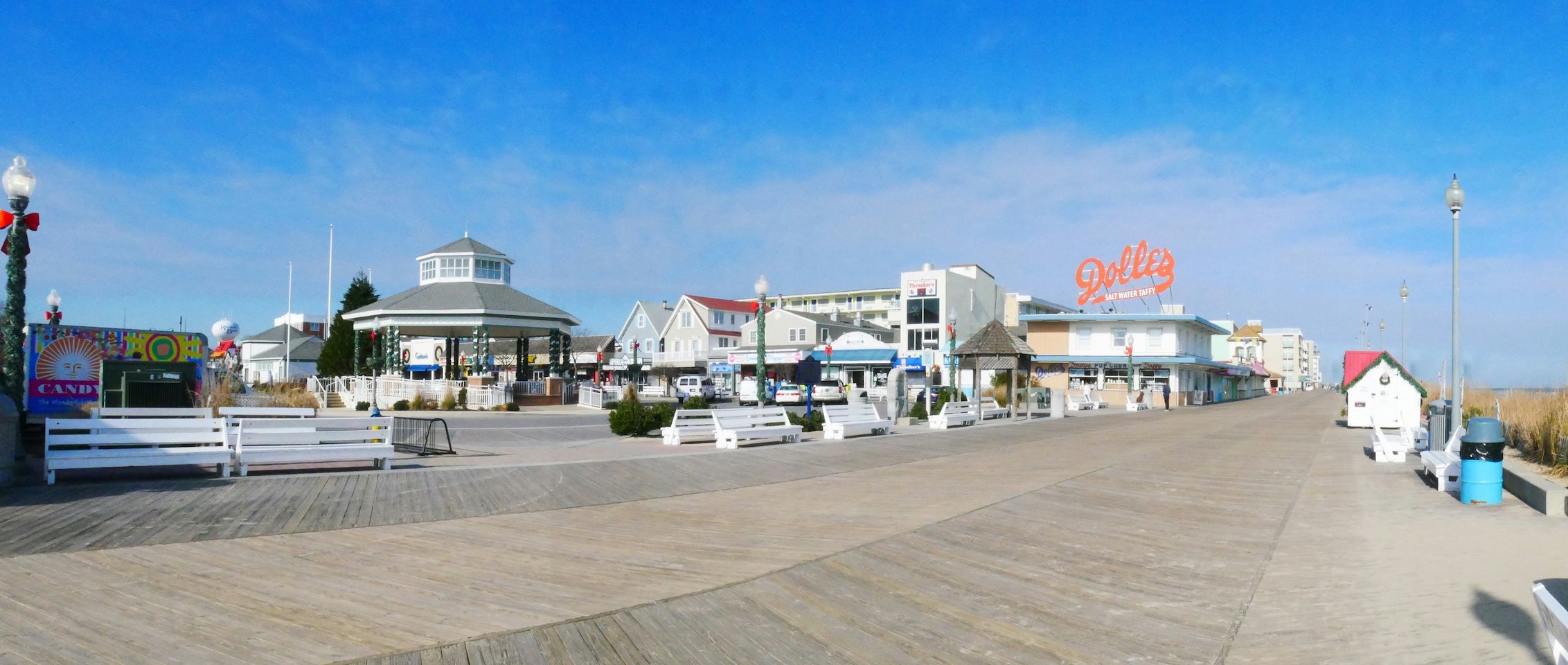
Continue south along Delaware’s coast, passing Bethany Beach and Fenwick Island. Crossing into Maryland, you’ll arrive in Ocean City, a bustling beach town. Spend the afternoon on Ocean City’s boardwalk, enjoying amusement rides and classic snacks like French fries and saltwater taffy. Later, drive across the causeway to Assateague Island to catch the sunset on the beach. Wild ponies often wander near the road, so go slow. Camp at Assateague State Park, where you’ll fall asleep to the sound of Atlantic surf.
Day 3: Ocean City, MD to Chincoteague, VA
Distance: ~50 miles. Drive Time: ~1.5 hours.
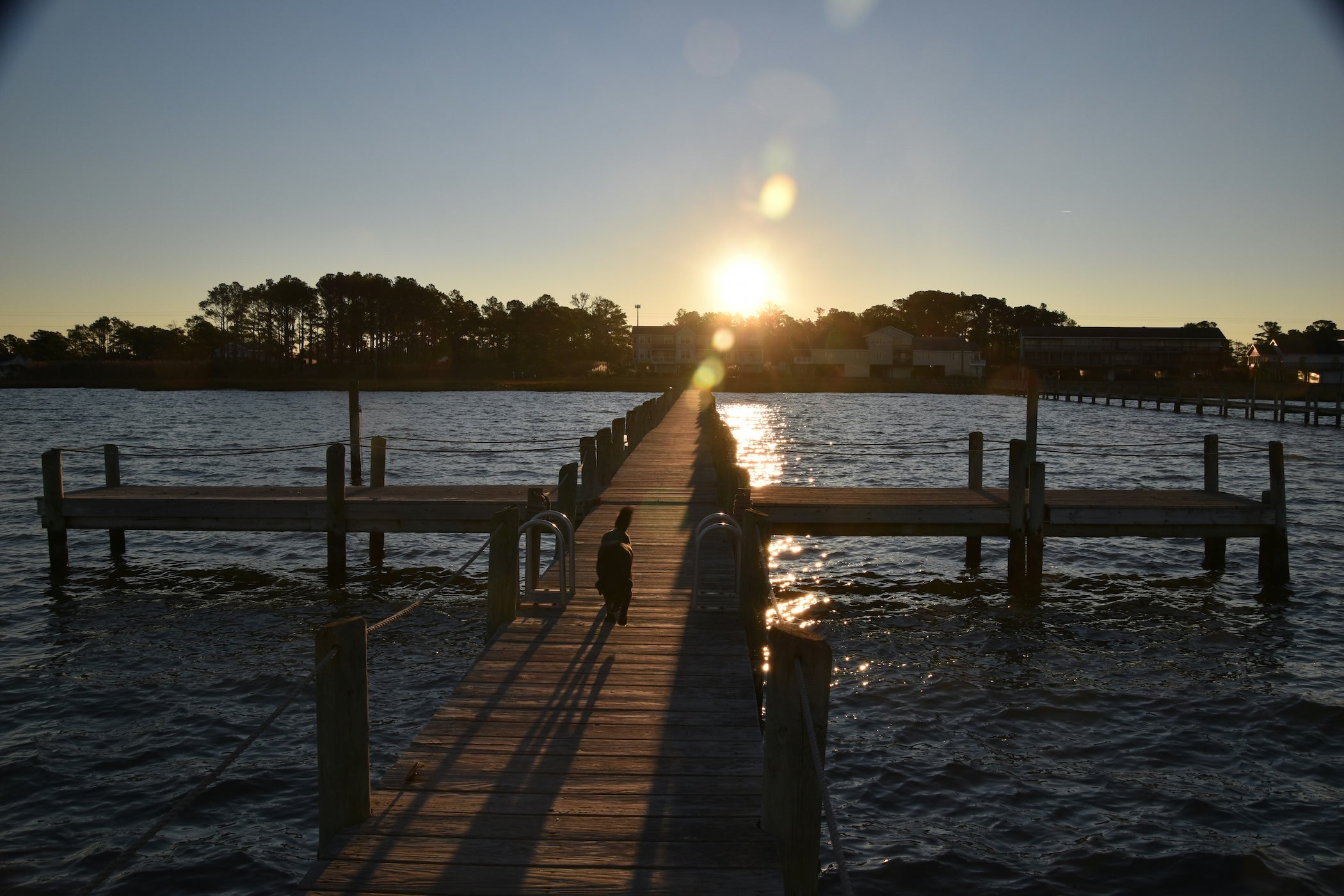
Wake up on Assateague Island and spend the morning beachcombing or hiking a short nature trail in Assateague National Seashore. Pack up camp and head back to the mainland, then continue south into Virginia. If timing permits, stop at the NASA Wallops Flight Facility Visitor Center (open on select days) just before the Virginia state line to learn about rocket launches. Follow VA-175 east to Chincoteague Island, a small fishing town and gateway to Chincoteague National Wildlife Refuge. Spend the afternoon exploring the refuge’s Wildlife Loop (by bike or car) and looking for the famous Chincoteague ponies grazing in the marsh. In town, treat yourself to a seafood dinner in the evening. Set up at a Chincoteague campground like Tom’s Cove Park, which offers waterfront sites and easy access to the refuge.
Day 4: Chincoteague, VA to Virginia Beach, VA
Distance: ~90 miles. Drive Time: ~2 hours.
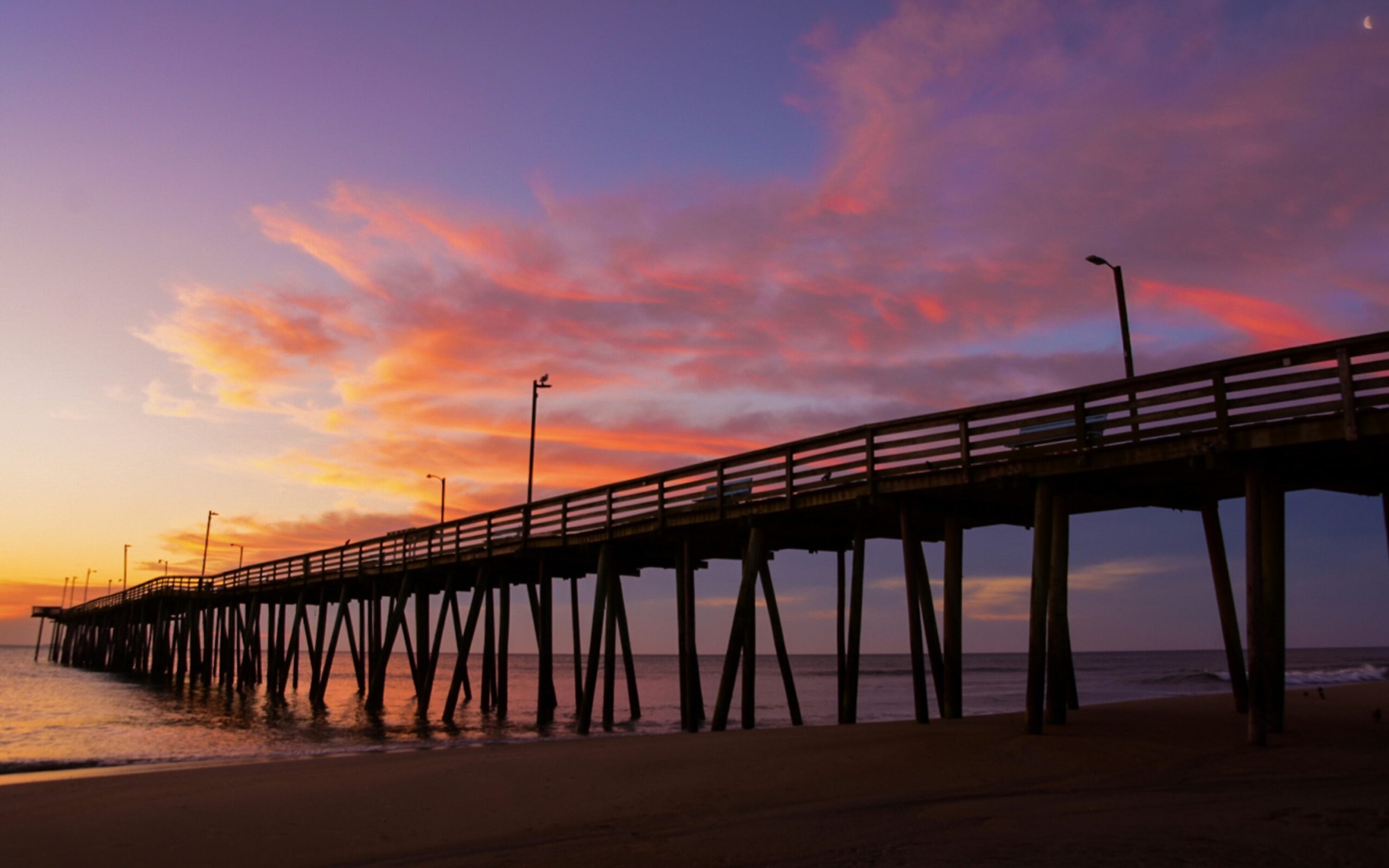
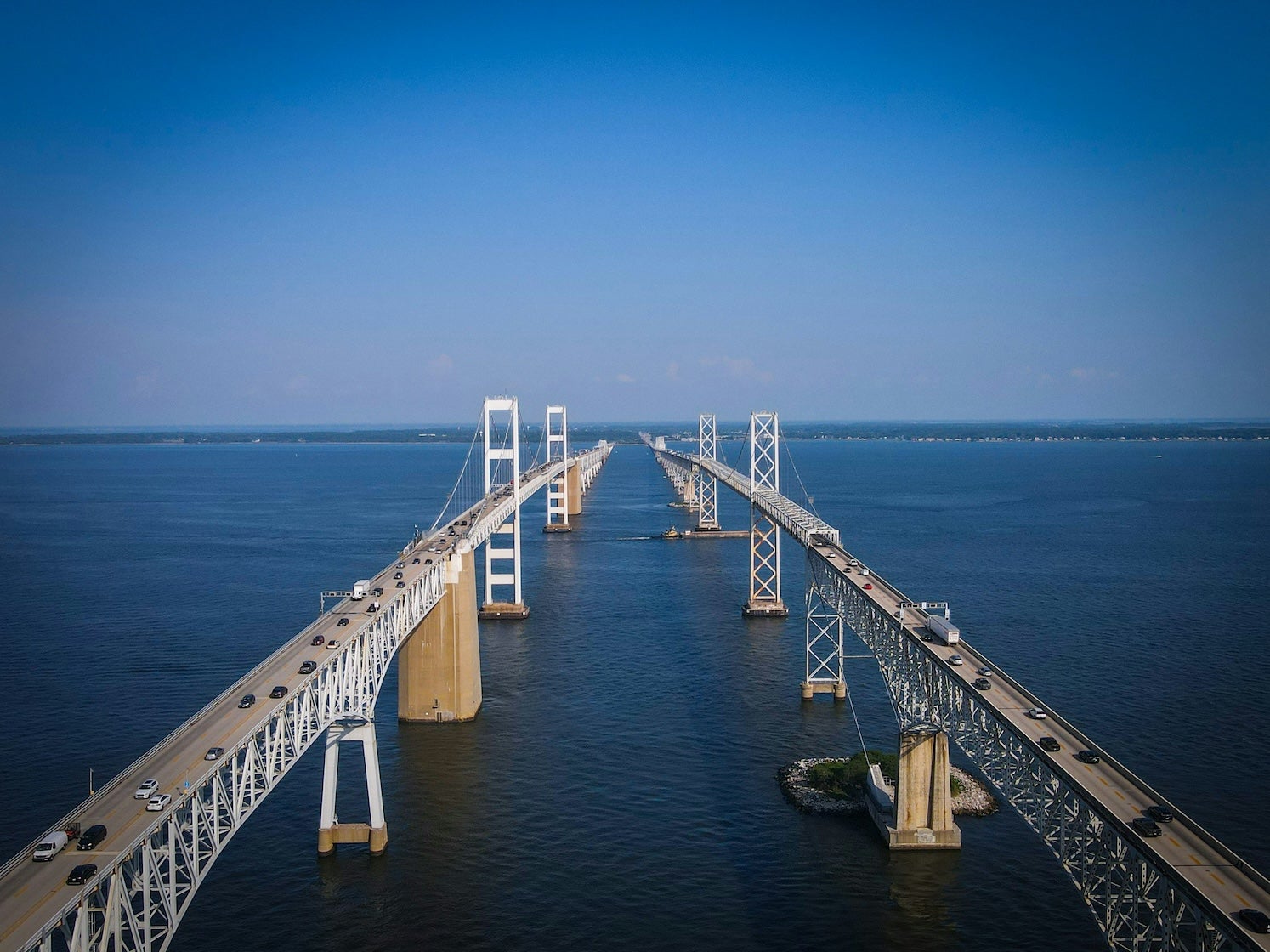
Continue south from Chincoteague on US-13 through Virginia’s Eastern Shore. Near the peninsula’s end, detour into the bayside town of Cape Charles for lunch or a walk by the water. Then drive onto the Chesapeake Bay Bridge-Tunnel (toll) and cross 17.6 miles of bridges and tunnels over open water. On the other side, arrive in Virginia Beach and celebrate with a stroll along the oceanfront boardwalk. Virginia Beach offers both campgrounds and hotels.
Campgrounds to Consider
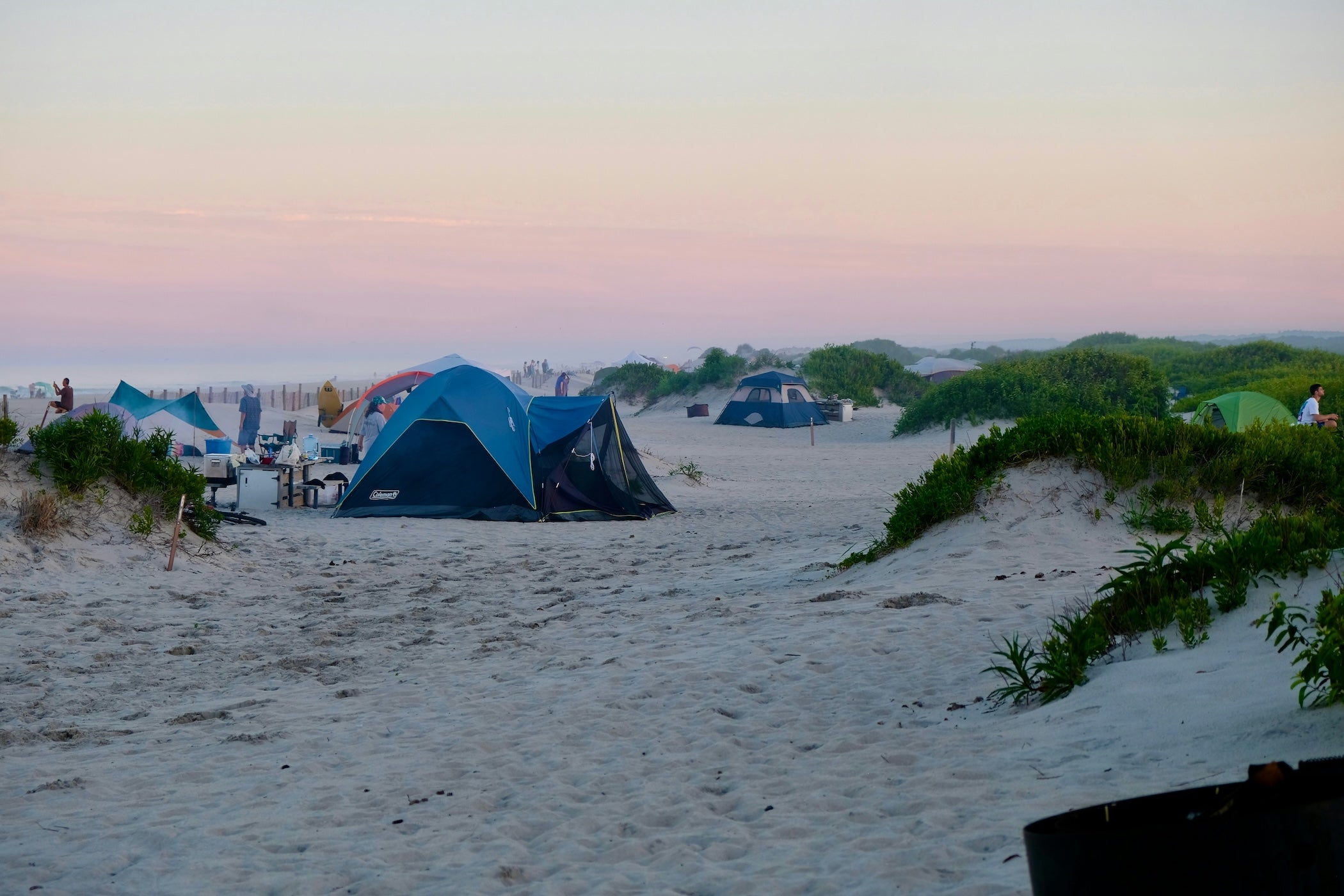
- Assateague State Park Campground – Berlin, MD. Oceanfront camping on a barrier island with wild horses roaming nearby. This Maryland state park campground has direct beach access and modern bathhouses.
- Kiptopeke State Park Campground – Cape Charles, VA. Nestled on the Chesapeake Bay at Virginia’s Eastern Shore, Kiptopeke features both tent sites and RV hookups along with beautiful bay sunsets. Amenities include clean showers and a fishing pier, and it’s just minutes from the north end of the Chesapeake Bay Bridge-Tunnel.
- Cape Henlopen State Park Campground – Lewes, DE. A popular coastal campground amid sand dunes and pine forest near the ferry terminal. It’s within easy reach of the ocean beach, nature trails, and even a WWII observation tower, and offers a camp store and bathhouses.
- Sun Outdoors Frontier Town – Berlin, MD. A lively campground just outside Ocean City with its own water park – great for families. With hundreds of sites plus a camp store, restaurant, and other amenities, it’s an entertainment-packed base that’s still only a short drive from Assateague Island’s beaches.
- Tom’s Cove Park – Chincoteague, VA. This waterfront campground on Chincoteague Island has front-row bay views and easy access to crabbing, fishing, and sunsets. It’s a convenient base for exploring the wildlife refuge early in the morning before crowds arrive.
- First Landing State Park Campground – Virginia Beach, VA. A large campground set in a maritime forest on the Chesapeake Bay. Sites lie among sandy pines, giving a mix of shade and direct bay beach access. The Virginia Beach oceanfront is only a short drive away, so you can enjoy city attractions by day and a quiet camp by night.
Top Activities & Attractions
Natural Highlights
Visit Assateague Island for its wild beaches and famous ponies, and explore the wetlands of Chincoteague National Wildlife Refuge for excellent birdwatching. At Cape Henlopen State Park, climb the Great Dune or walk to the point where Delaware Bay meets the Atlantic Ocean.
Cultural & Historic Sites
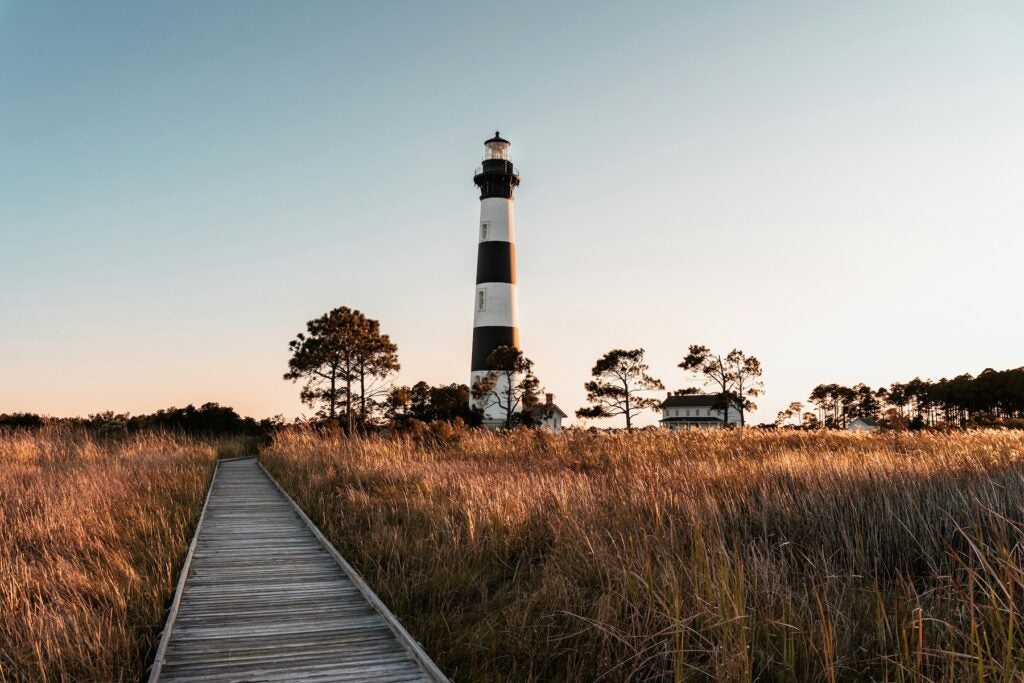
Stroll the Victorian streets of Cape May and climb its 1859 lighthouse for a panoramic view. Further south, see the 1867 Assateague Lighthouse (open occasionally for climbs) and stop by the NASA Wallops Visitor Center to learn about the region’s rocket launches.
Outdoor Recreation
Biking, paddling, and fishing opportunities abound. Cycle the 3-mile trail between Lewes and Rehoboth Beach, kayak in the calm back bays around Chincoteague or Kiptopeke, or cast a line from the fishing piers at Cape Henlopen or Kiptopeke State Park.
Unique Stops
Kitschy boardwalk arcades in Rehoboth Beach and Ocean City offer vintage games and treats, while Virginia’s Eastern Shore has roadside farm stands selling fresh peaches, corn, and tomatoes in summer.
Travel Tips for This Segment
The Cape May–Lewes Ferry runs year-round; in peak summer season, book your ferry slot in advance and arrive early to ensure smooth boarding. Mosquitoes can be fierce on Assateague in summer, so pack bug spray. There are no gas or services while on the Chesapeake Bay Bridge-Tunnel, so top off your tank in Cape Charles or on the north side beforehand. The bridge-tunnel charges a toll. Check weather forecasts during hurricane season, as storms can disrupt ferry schedules. Using offline maps via The Dyrt PRO is handy in remote spots where cell coverage may drop.
Additional Segments & Resources
This segment is part of a larger Atlantic Coast Highway adventure. See our Atlantic Coast Highway road trip guide for the full route itinerary and planning tips. Additional segment articles cover the route beyond Virginia Beach, through the Outer Banks, and all the way to Florida. As always, practice Leave No Trace principles and enjoy the journey!
The Dyrt is the only camping app with all of the public and private campgrounds, RV parks, and free camping locations in the United States. Download now for iOS and Android.Popular Articles:
Articles on The Dyrt Magazine may contain links to affiliate websites. The Dyrt receives an affiliate commission for any purchases made by using such links at no additional cost to you the consumer.