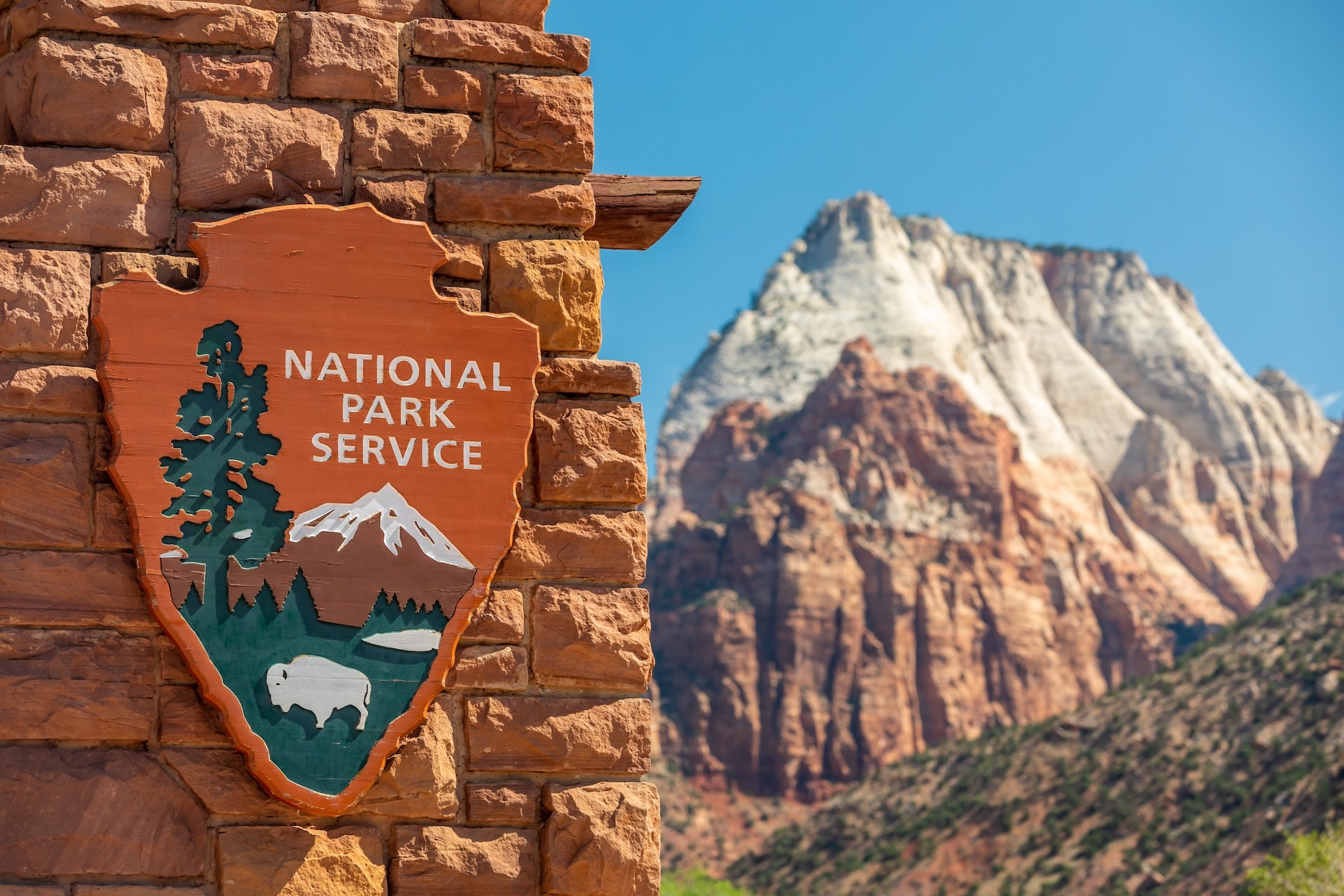
Only 63 of the 433 places managed by the National Park Service are officially National Parks. These seashores, monuments, preserves, and recreation areas prove some of the best camping is hiding beyond the big-name parks.
Ask someone to name a few places managed by the National Park Service and you’ll probably hear the greatest hits: Yellowstone. Yosemite. Zion. The Grand Canyon.
But those famous National Parks represent only a fraction of the land and places protected by the agency.
The National Park Service manages 433 individual units covering more than 85 million acres across all 50 states, Washington, D.C., and U.S. territories. Just 63 of those units are officially designated National Parks. The rest fall under at least 18 other designations, from National Seashores and National Lakeshores to National Monuments, Preserves, and Recreation Areas.
That distinction feels especially worth celebrating on August 25, when the National Park Service turns 110. President Woodrow Wilson signed the Organic Act creating the agency on August 25, 1916.
So, instead of marking the occasion with another bucket list of the usual 63, consider the other corners of the National Park System, especially if you’re looking for a place to pitch a tent.
Some deliver campsites steps from the Atlantic. Others require a ferry, a four-wheel-drive road, or even a kayak to reach. And while they might be missing the words “National Park” from their names, they certainly aren’t missing the scenery.
Here are eight NPS sites campers should have on their radar.
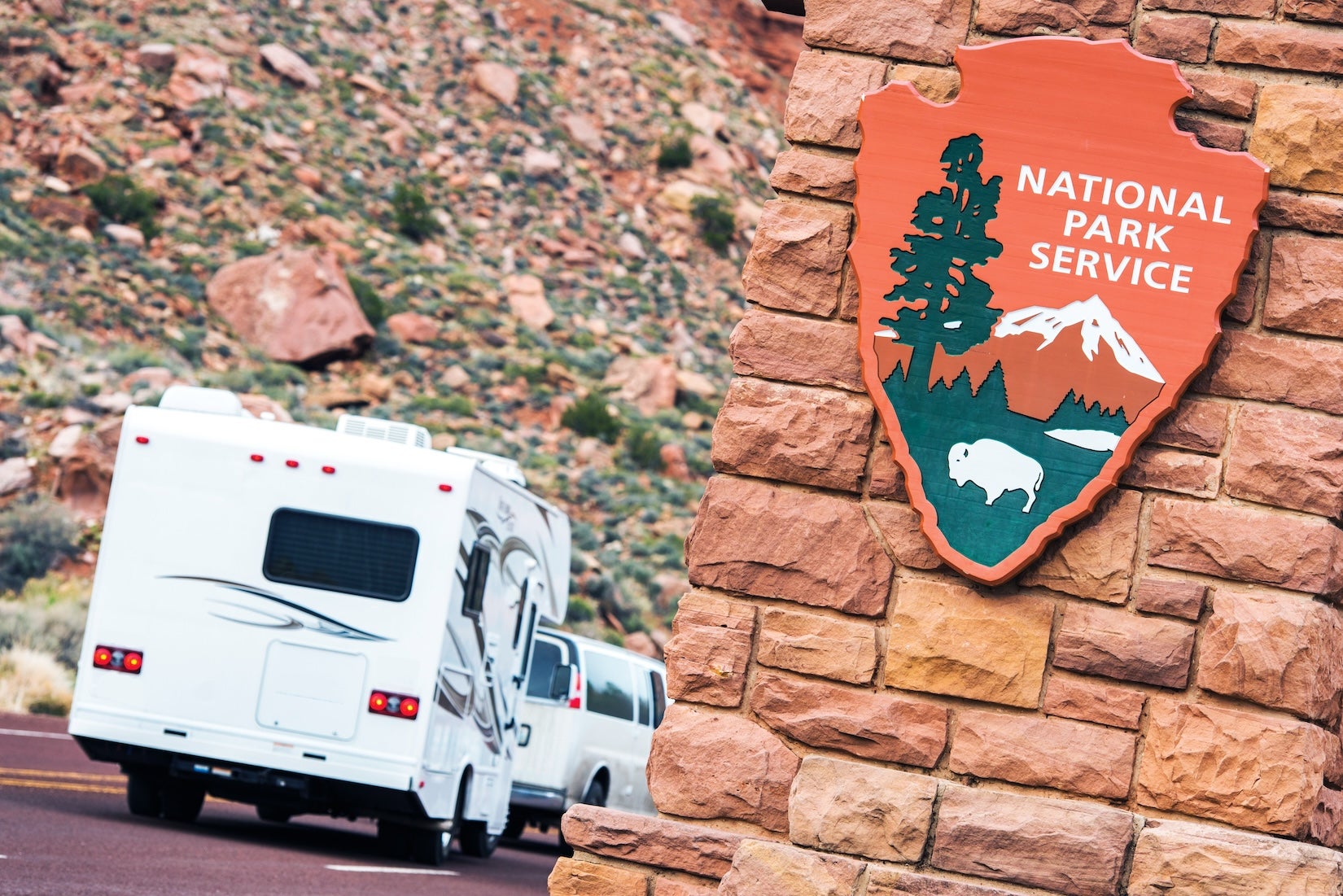
First, What Counts as a National Park?
“National park” is often used casually to describe just about any place managed by the National Park Service. Officially, though, National Park is one specific designation within the much larger National Park System.
The system currently includes:
- 10 National Seashores
- 3 National Lakeshores
- 87 National Monuments
- 19 National Preserves
- 18 National Recreation Areas
Plus historic sites, battlefields, parkways, scenic trails, and plenty more.
Those labels can reflect why an area was protected or how it is managed, not necessarily how dramatic the scenery is or how worthwhile it is to visit.
For campers, that means there’s a lot to discover beyond the famous 63.
1. Assateague Island National Seashore, Maryland
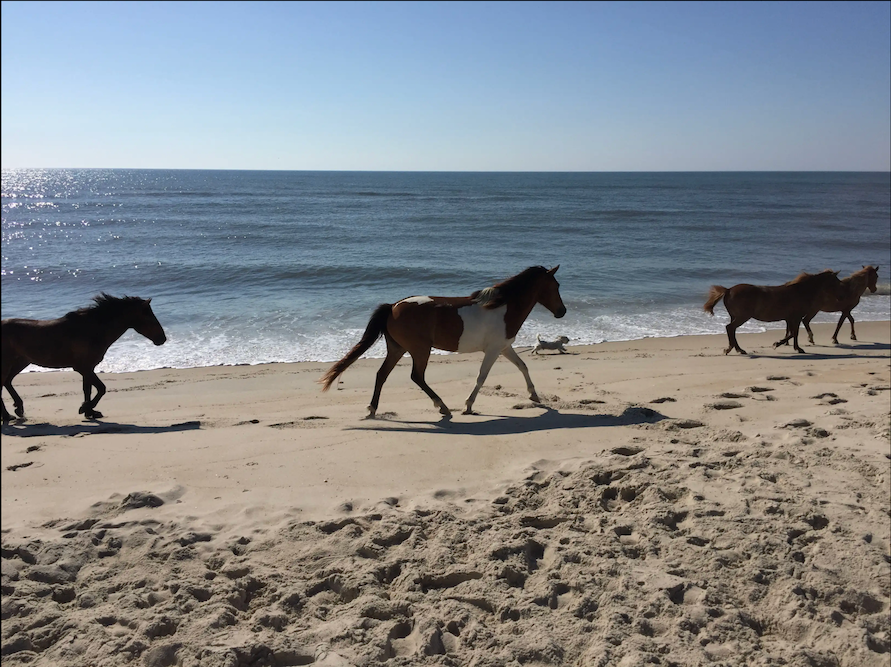
There are plenty of campgrounds near the ocean. At Assateague Island National Seashore, you can actually make the barrier island your home for the night and share it with the island’s famous wild horses.
Camping is available in the Maryland portion of Assateague, with both Oceanside Campground and Bayside Campground. Oceanside includes drive-in sites as well as tent-only walk-in sites that put campers just beyond the dunes from the Atlantic. The seashore also has hike-in and paddle-in backcountry sites.
The tradeoff for that dreamy location is exposure. NPS recommends arriving prepared for wind, sun, insects, and sand, including bringing long tent stakes. Reservations are required during the main camping season, from March 15 through November 15, and weekend sites can fill quickly when they become available.
2. Pictured Rocks National Lakeshore, Michigan
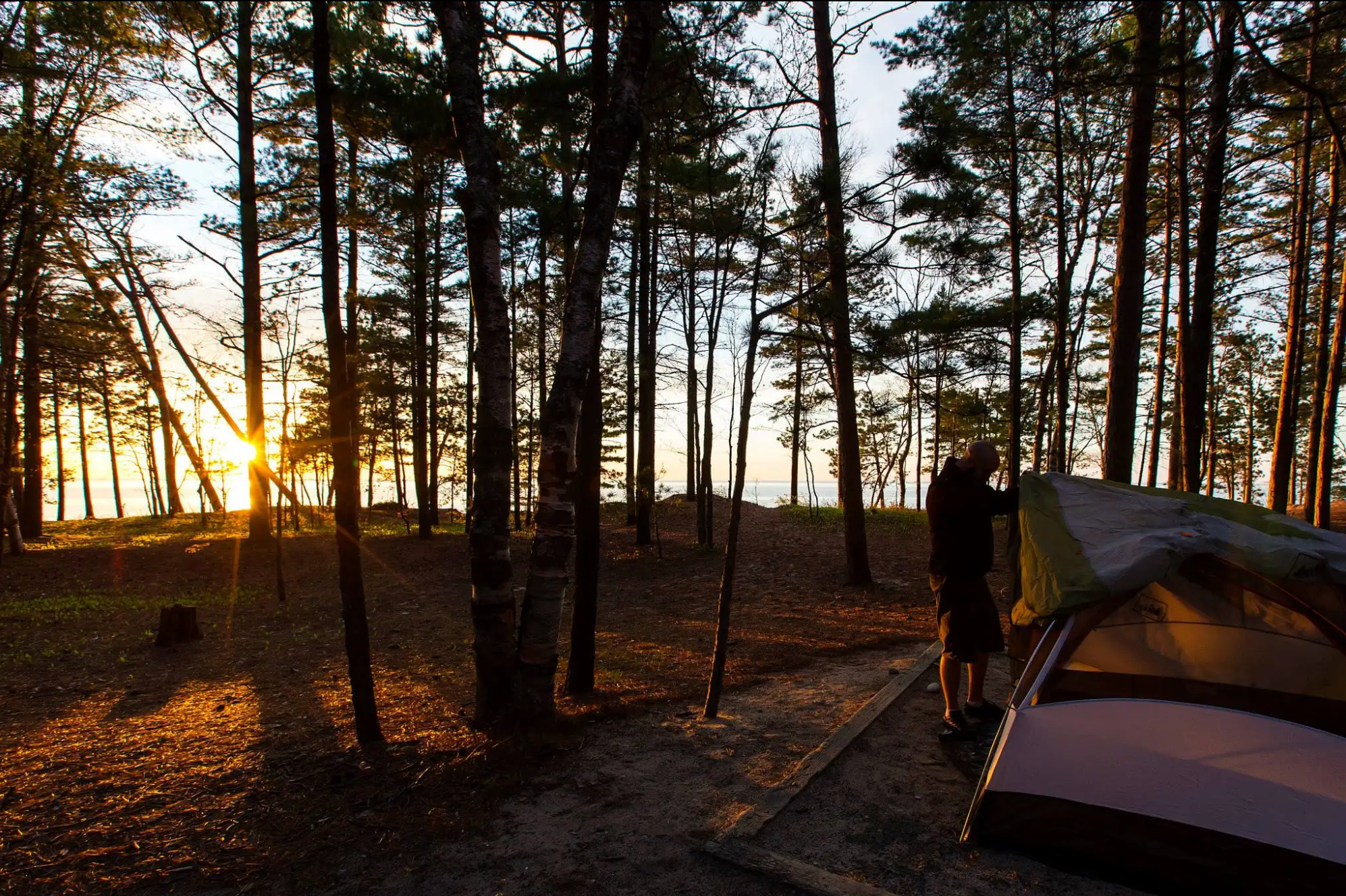
Calling Lake Superior a “lake” can feel inadequate when you’re standing on its shoreline. At Pictured Rocks National Lakeshore, turquoise water meets sandstone cliffs, waterfalls, beaches, forests, and more than 40 miles of shoreline in Michigan’s Upper Peninsula.
Campers can choose from drive-in campgrounds or turn the trip into a backpacking adventure. The park has several designated backcountry camping areas, most located along the North Country National Scenic Trail.
For car campers, Twelvemile Beach Campground is hard to beat. Its 36 sites sit on a sandy plateau above Lake Superior, with stairs leading down to the beach and the North Country Trail passing directly through the campground.
3. Cumberland Island National Seashore, Georgia
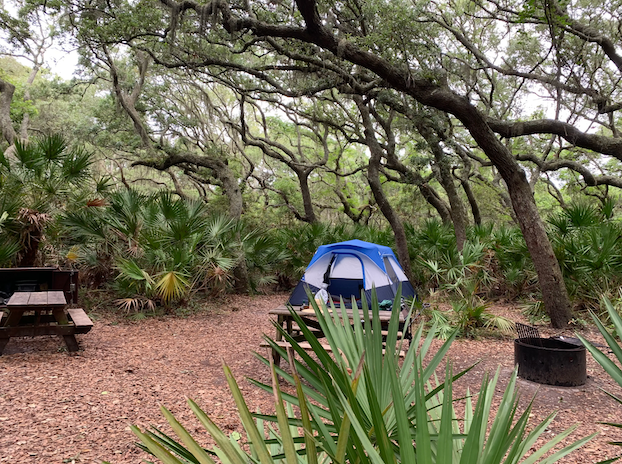
Georgia’s largest barrier island has beaches, maritime forests, salt marshes, historic ruins, and wildlife (including feral horses) but no road connecting it to the mainland. Most visitors arrive by ferry, which means overnight campers need to think carefully about what they can carry.
The island has five campgrounds. Sea Camp, the most developed, is just a half-mile from the ferry dock. Stafford Beach requires a longer hike, while Hickory Hill, Yankee Paradise, and Brickhill Bluff take campers deeper into the island’s wilderness.
All campers need a reservation, and ferry transportation should be planned in conjunction with the camping permit. The conditions are primitive, and the reward is a kind of camping increasingly hard to find. Once the ferry leaves, your car, traffic, and much of the mainland world are on the other side of the water.
4. Mojave National Preserve, California
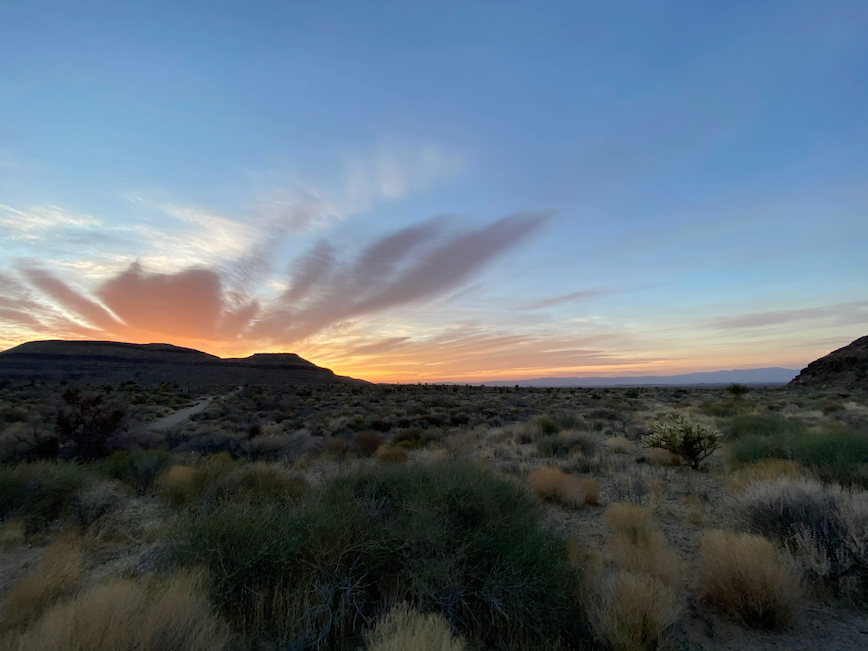
Between Los Angeles and Las Vegas sits a vast stretch of desert that can get overshadowed by better-known neighbors like Joshua Tree and Death Valley. But Mojave National Preserve deserves a detour.
The landscape moves between Joshua tree forests, volcanic formations, mountain ranges, sand dunes, and enormous expanses of open desert. Nearly 700,000 acres are designated wilderness, giving experienced backcountry travelers plenty of room to dispersed camp in the Mojave.
For a simpler introduction, make Hole-in-the-Wall Campground your basecamp. At roughly 4,400 feet, the campground sits among sculpted volcanic rock and accommodates both tents and RVs.
It’s desert camping, and it demands desert preparation. Cell service can be unreliable, dirt-road conditions can change, and late-summer storms can cause flash flooding. NPS recommends checking current road and facility conditions before heading out.
5. Dinosaur National Monument, Colorado and Utah
Yes, Dinosaur National Monument has dinosaur fossils. And it also has towering canyon walls, petroglyphs, two major Western rivers, and some seriously memorable camping.
The monument has six campgrounds and more than 120 campsites spread across its Colorado and Utah sides.
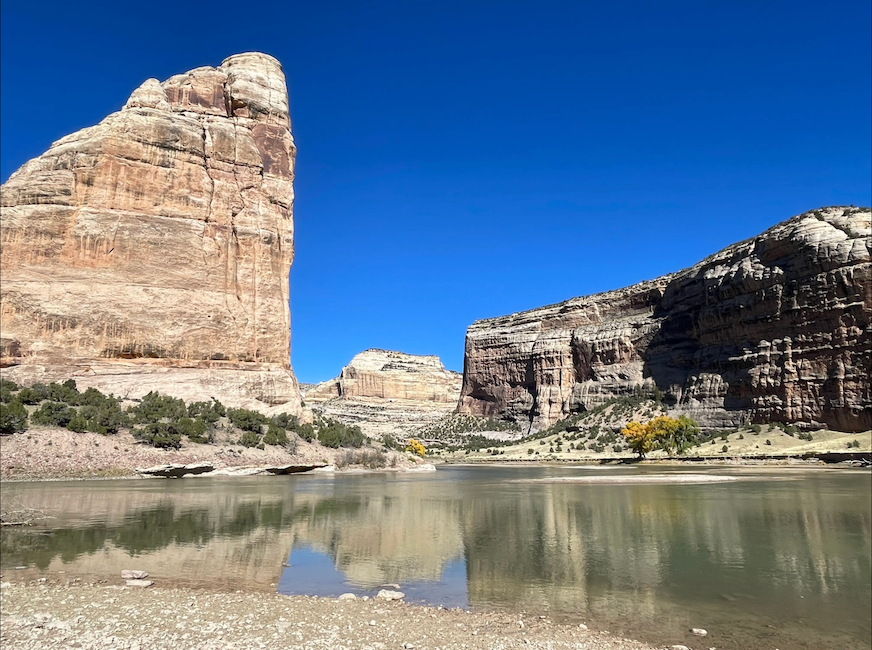
The standout for adventurous campers is Echo Park. The campground sits on the Green River beneath towering cliffs, with Steamboat Rock dominating the view. Bighorn sheep and mule deer are frequent visitors, and nearby routes lead toward the confluence of the Green and Yampa rivers.
The unpaved road to Echo Park descends into the canyon, and NPS strongly recommends a high-clearance vehicle with at least all-wheel drive. The road can become impassable when wet, and RVs and trailers aren’t permitted at the campground.
If you’re traveling with a bigger rig or just prefer easier logistics, Green River Campground offers a more accessible base near the monument’s famous fossil area.
6. Curecanti National Recreation Area, Colorado
National Recreation Areas can be easy to overlook when you’re scanning a map full of National Parks, but Curecanti is worth it.
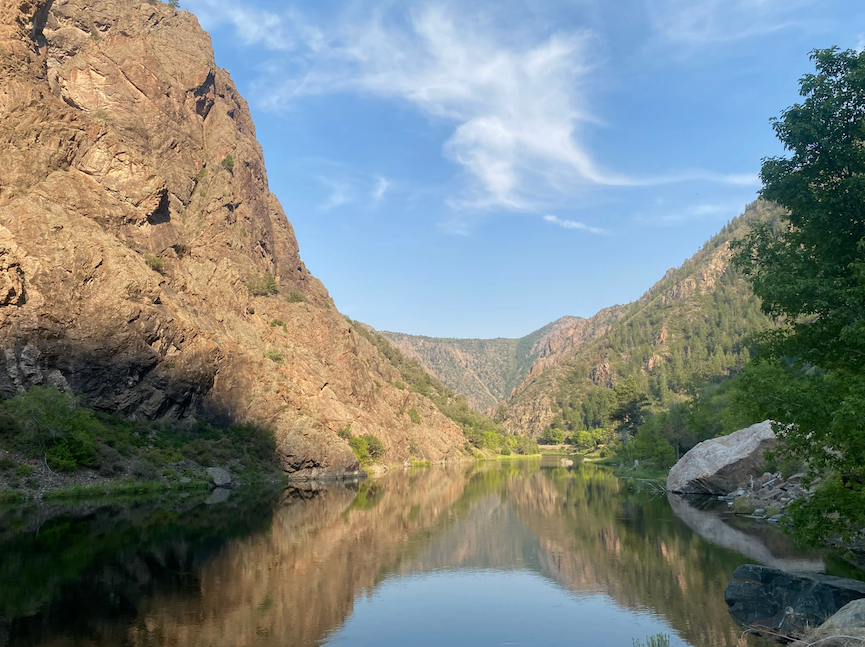
Centered around three reservoirs on Colorado’s Gunnison River, the recreation area centers around water. The Blue Mesa Reservoir draws boaters, anglers, paddlers, and campers to a high-desert landscape surrounded by mountains.
Elk Creek is the easiest basecamp for most travelers. Located on the shore of Blue Mesa Reservoir, the campground has 155 sites and can accommodate everything from tents to large RVs. It’s also the only Curecanti campground with electric hookups.
If you’re looking for something smaller, head toward East Portal, a 15-site campground tucked along the Gunnison River at the bottom of a steep canyon. But check your vehicle length before making plans: the narrow East Portal Road has a 16-percent grade, and vehicles 22 feet or longer are prohibited.
7. Big South Fork National River & Recreation Area, Tennessee and Kentucky
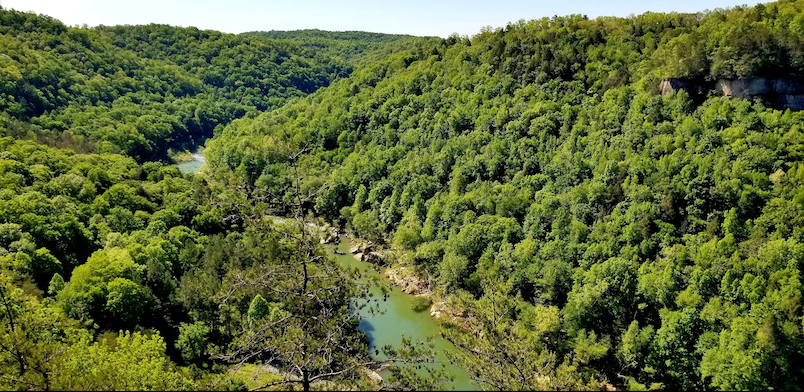
Great Smoky Mountains National Park gets much of the attention in this part of the country. Keep heading northwest, though, and another NPS site protects miles of river gorge, sandstone bluffs, forest, and Appalachian backcountry along the Tennessee-Kentucky border.
Big South Fork National River & Recreation Area offers developed, primitive, equestrian, and backcountry camping. Its five developed campgrounds range from amenity-rich bases like Bandy Creek and Blue Heron to primitive camping at Alum Ford.
Bandy Creek is the choose-your-own-adventure option. There are tent sites as well as trailer campsites with water and electric hookups, making it a practical base for exploring the area’s trails and river corridors.
For campers traveling through the Southeast, Big South Fork offers a useful reminder: you don’t need a “National Park” sign at the entrance to find big Appalachian scenery.
8. Canaveral National Seashore, Florida
On Florida’s Atlantic coast, just north of Cape Canaveral, Canaveral National Seashore protects a wild stretch of barrier island, lagoon, and undeveloped shoreline. It’s a surprisingly remote escape in one of the state’s busiest regions.
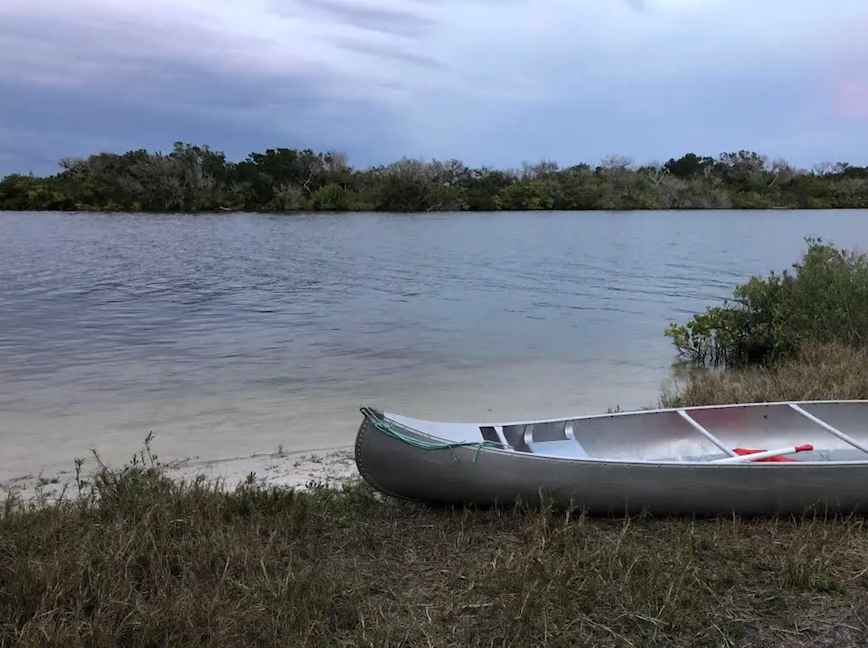
The Canaveral National Seashore offers 14 primitive island campsites scattered through the Intracoastal Waterway and Mosquito Lagoon. Every one is accessible by boat, canoe, or kayak.
Reservations and permits are required, and there is no vehicle or RV camping within the seashore. Campers also need to bring their own drinking water and pack out their trash; the island sites have no potable water, showers, or toilets.
In other words, this isn’t the trip for someone testing a brand-new tent for the first time. But for paddlers who already know their way around a dry bag, it’s a rare opportunity to turn a day on Florida’s waterways into an overnight adventure.
How to Find More Great Camping Beyond the 63 National Parks
These eight are only a starting point. The next time you’re planning a trip, zoom out from the National Parks you already know and look for the other designations on the map: National Recreation Areas, National Seashores, National Lakeshores, National Monuments, National Preserves, and National Rivers.
Some will have established campgrounds. Others might offer backcountry, boat-in, or primitive sites. And even when camping isn’t available inside an NPS boundary, there may be Forest Service land, state parks, private campgrounds, or other places to stay just outside it.
That’s where exploring an area on The Dyrt can help: instead of starting with one famous campground and hoping there’s an opening, look at the full camping landscape surrounding the place you want to explore.
Celebrate 110 Years by Looking Beyond the Famous Parks
For 110 years, the National Park Service has been protecting far more than the places with “National Park” written across the entrance sign.
There are oceanfront campsites where wild horses wander past your tent. Great Lakes beaches beneath sandstone cliffs. Desert camps surrounded by volcanic rock. River sites reached by rough roads. Florida islands accessible only under your own paddle power.
The 63 National Parks deserve their bucket-list status. But with 433 places in the National Park System, you have hundreds of reasons to keep exploring after you’ve checked the famous ones off the list.
The Dyrt is the only camping app with all of the public and private campgrounds, RV parks, and free camping locations in the United States. Download now for iOS and Android.Popular Articles:
Articles on The Dyrt Magazine may contain links to affiliate websites. The Dyrt receives an affiliate commission for any purchases made by using such links at no additional cost to you the consumer.