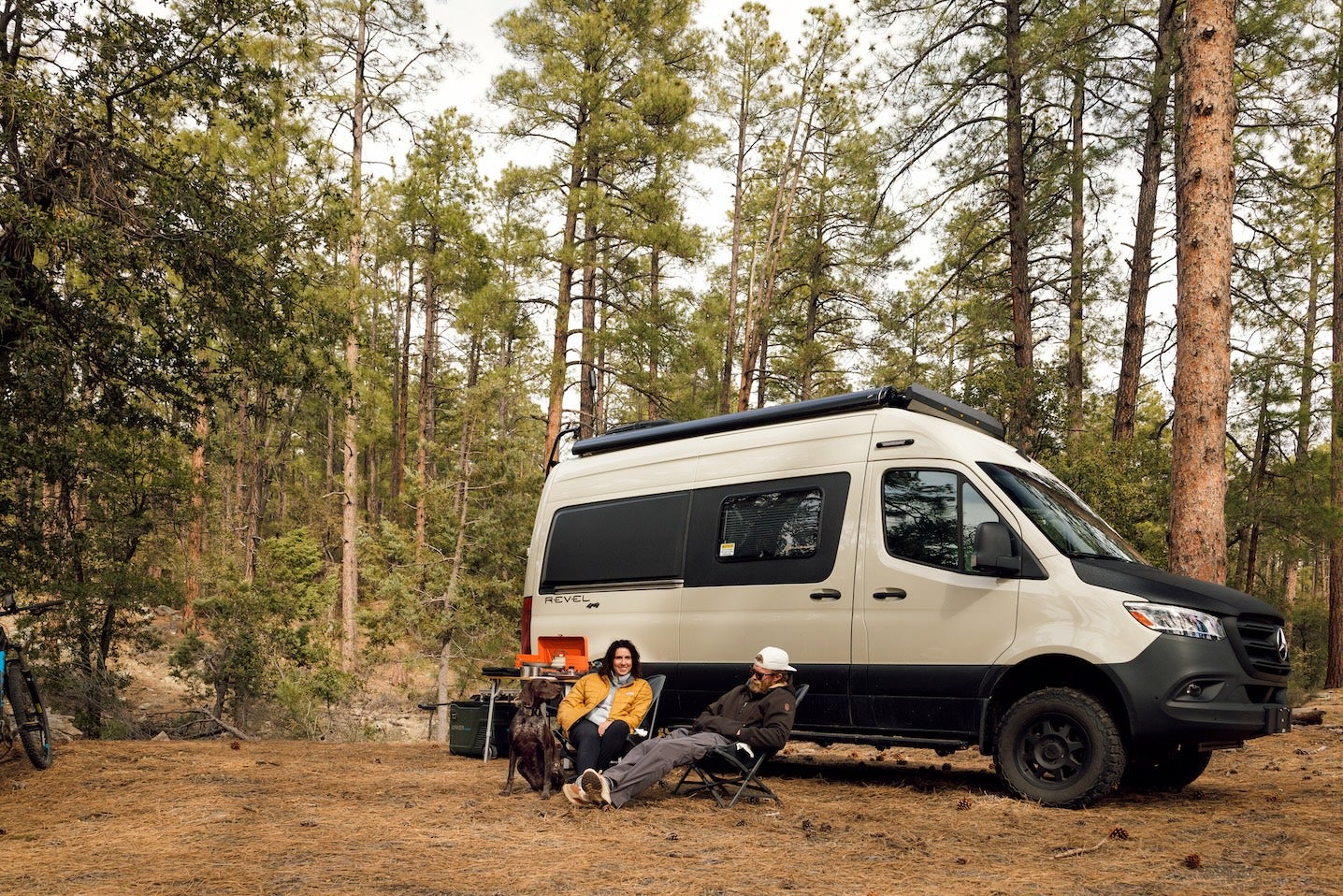
Some people camp to get away from screens and cell service. Others take every chance to live and work from the road. For that second group, connectivity isn’t a luxury. It’s what makes the lifestyle possible.
Either way, the times you do need to get online matter. Checking the weather before a hike, jumping on a work call before you pull out: your setup can make or break it. The good news is that RV internet has improved a lot, and once you understand the basics, choosing a setup that fits your travel style gets much easier. Here’s what’s actually happening behind that ‘connected’ icon on your phone or laptop.
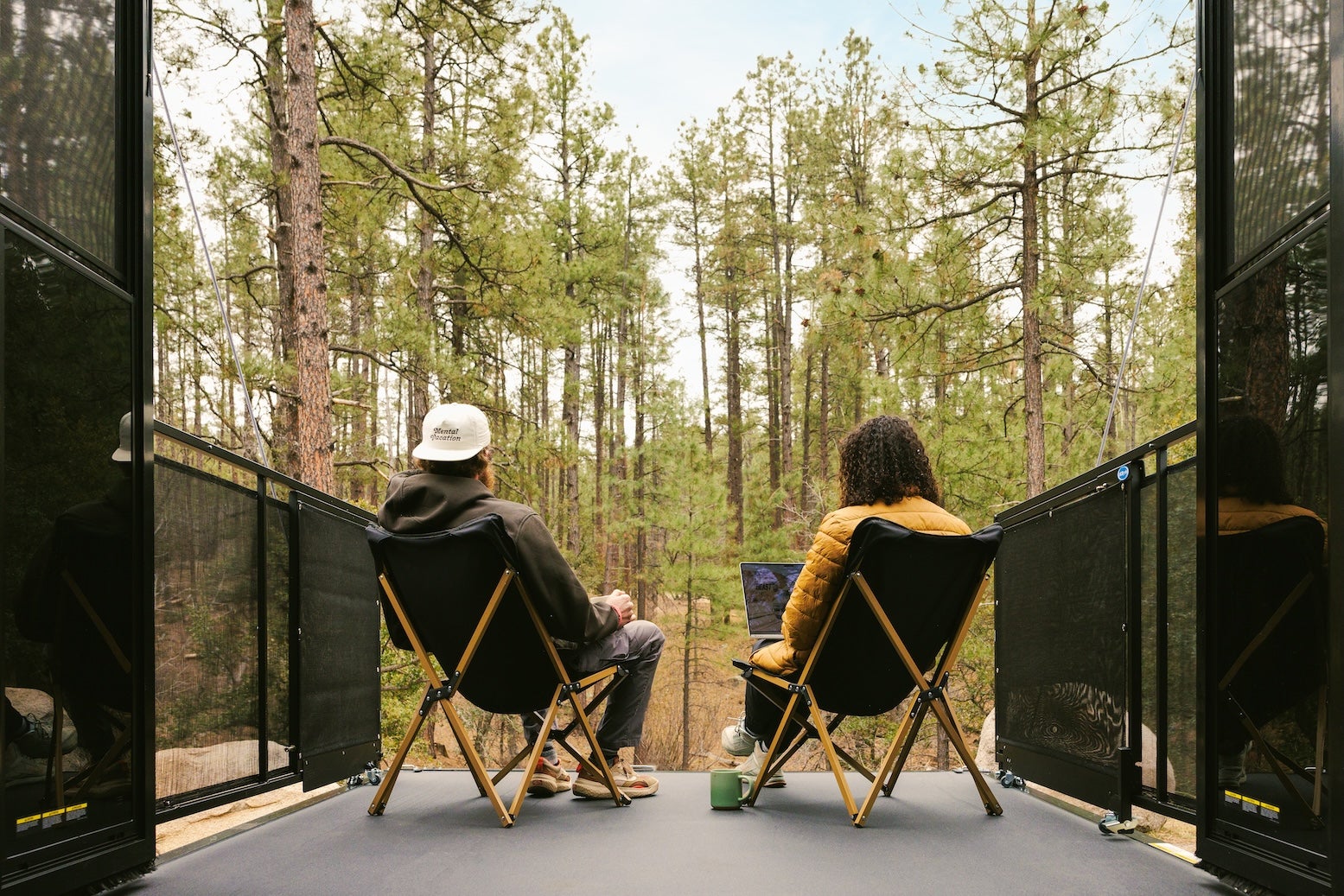
The Basics: How RV Internet Connects You
When you’re camping, you generally have three ways to get online: campground Wi-Fi, satellite internet, and cellular data, the kind of connection mobile hotspot devices and most phone hotspots rely on.
Campground Wi-Fi is usually free but rarely dependable. With dozens of campers streaming, scrolling, and video chatting on the same network, speeds can crawl, especially in the evening.
Satellite internet has come a long way and can be a strong option in truly remote spots with no cell coverage. It generally needs a dedicated dish or antenna and can be unreliable in areas with trees and when there is bad weather. It requires a clear view of the sky, and it has traditionally cost more than cellular options.
Cellular data is the backbone for most RVers, and it’s exactly what it sounds like: the same 4G or 5G signal your smartphone uses.. A mobile hotspot pulls in that signal and creates its own private Wi-Fi network inside your rig, so your laptop, phone, and streaming devices can all connect.
The catch is that a single cell signal doesn’t provide consistency. Coming from cell towers, and depending on where you’re parked, one network might come in strong while another offers nothing at all.

Why One Network Isn’t Enough
No single network covers everywhere. A network that performs exceptionally well in one location may be limited in another.
If your phone hotspot only works with one network, you’re betting that network has good coverage everywhere you go. For RVers who move between remote campgrounds, national forests, BLM land, and full-service RV resorts, that’s a risky bet.
That’s the advantage of multi-network connectivity. Instead of locking you into one carrier, some devices can reach multiple major networks and automatically connect to whichever has the strongest signal where you are. You don’t have to switch anything by hand or guess which network ‘should’ work; the device sorts it out in the background.
No solution works flawlessly everywhere, of course. Remote canyons, dense forests, and certain mountain pockets can challenge any cellular signal. But reaching several networks through one device significantly improves your odds of staying connected as you travel.
How Much Data Do Campers Actually Need?
This is one of the most common questions new RVers ask, and the honest answer is that it depends on how you use the internet. Here’s a rough breakdown by use case.
- Light use (email, maps, a little social media): If you’re mainly looking up campground info, checking the weather, texting, and scrolling, you can usually get by on a modest amount of data each month. It adds up slowly.
- Moderate use (video calls, music streaming, some video like TikTok or Instagram reels): Add regular video calls, streaming music or podcasts, and casual video, and your data needs climb noticeably. A few calls a week, plus daily streaming, burn through data faster than you’d think
- Heavy use (remote work, video streaming, gaming): If you’re working remotely with frequent video meetings, streaming shows or movies in the evenings, or gaming online, your data usage can climb quickly.
The point is that your needs change with the season. What you use in March, parked for a week of remote work, looks nothing like July, when you’re boondocking off-grid for a long weekend with the laptop shut. Knowing your own patterns and having an easy way to track usage matter as much as the plan itself.

Why Flexibility Beats ‘Unlimited’
A lot of mobile internet plans assume more is always better: more data, longer contracts, bigger bundles. For RVers, that model rarely matches reality.
Some months, you’re cross-country, working remotely, streaming your favorites and keeping multiple devices connected. Other times, it might be a quick weekend as a nearby campsite, where weather updates and social media are all you need. And sometimes your RV is parked in the off-season. A rigid, locked-in plan doesn’t bend with that rhythm. You either pay for data you don’t use or scramble to add more when you run short. This is why flexible, pay-as-you-go monthly data plans suit this lifestyle. Rather than committing to a long contract, you pay for the data you need, when you need it. Just as important, being able to pause your service with no fees means that if your RV is parked for the season, you’re not stuck paying for connectivity you’re not using.

An Ideal Mobile Internet Setup
That’s where TravlFi comes in. Built specifically for RVers, TravlFi offers pay-as-you-go monthly plans with no contracts, the ability to pause anytime without penalty, and multi-network connectivity through a single device that automatically connects to the strongest available signal. It’s a setup built around how RVers actually travel, not how a traditional carrier expects you to. A few reasons it works:
- Multi-network capability: the device can access more than one major network and automatically connect to the strongest signal available, rather than locking you into a single carrier’s coverage map.
- One device, one plan: it’s a single hotspot device with a single straightforward plan that is easier to manage than juggling multiple SIM cards, devices, or subscriptions.
- Pause-friendly billing: your connectivity plan can flex with your travel schedule, including the ability to pause service without penalties when you’re not using it.
- No contracts or hidden fees: satellite and some mobile plans charge you when you are not using their service
- Real human support: TravlFi’s support is U.S.-based and staffed by actual people. No bots, no shouting ‘REPRESENTATIVE’ four times to reach one. When something breaks and you’re parked somewhere remote, you want a real person who understands RV life.

Plan Your Connectivity Like You Plan Your Route
You wouldn’t start a cross-country trip without checking your route, fuel stops, and reservations. Your connectivity deserves the same thought. Understanding the basics (how cellular data works, why multi-network access matters, and how much data you really use) takes most of the guesswork out of it.
The right setup won’t promise a perfect signal in every single spot; nothing can. But with a flexible plan, multi-network access, and support from people who actually get the RV lifestyle, you’ll spend far less time worrying about staying connected and a lot more time enjoying the trip.
The Dyrt is the only camping app with all of the public and private campgrounds, RV parks, and free camping locations in the United States. Download now for iOS and Android.Popular Articles:
Articles on The Dyrt Magazine may contain links to affiliate websites. The Dyrt receives an affiliate commission for any purchases made by using such links at no additional cost to you the consumer.