Camping options near Snow Camp, North Carolina range from basic tent sites to full-hookup RV parks within the rolling Piedmont landscape. Most campgrounds in the area sit at elevations between 500-700 feet, creating moderate temperatures with summer highs averaging 85-90°F and winter lows rarely dropping below freezing. The region receives about 45 inches of annual rainfall, with slightly higher precipitation during summer months when thunderstorms are common.
What to do
Paddling opportunities: 3.5 miles of lake access at Jordan Lake State Recreation Area offers multiple water activities. "We loved being able to just chill in the lake away from it all. Loved being able to beat the heat," notes Joanna R. The recreation area includes designated swimming areas and boat rentals within 30 minutes of Snow Camp.
Hiking trails: 12 miles of combined paths between hiking and equestrian routes at Cedarock Park provide options for all skill levels. "The park is almost 500 acres in size and offers 6 miles of hiking trails and 6 miles of equestrian trails," explains Kelsey L. The park features creek-side trails with minimal elevation changes, making them suitable for beginners.
Disc golf: 36 holes across two courses available at Cedarock Park with no additional fees beyond camping costs. The Wellspring course receives particular praise from regular players. Most holes feature natural obstacles and varied terrain requiring strategic play rather than pure distance throws.
What campers like
Spacious waterfront sites: prime locations with direct access to the water at Poplar Point Campground. "Sites F36 and F40 are situated so the awning side of the camper has a direct, unobstructed view of the water," reports Stuart O. The campground's rolling terrain creates natural separation between sites.
Quiet atmosphere: limited road noise at certain campgrounds despite proximity to highways. "Located close to nothing else, this campground was so peaceful at night. During the day, it's beautiful," says Dimitry A. about Cane Creek Campground and RV Park. Sites in the 40s section typically offer the most peaceful settings.
Wildlife viewing: deer and smaller animals frequently spotted along trails and near camping areas. "Deer walked right behind our site," mentions Wendy M. about Crosswinds Campground. Morning and evening hours provide the best wildlife viewing opportunities, particularly near water sources.
What you should know
Gate closures: park access restrictions at night in several locations. "The campsites are alright minus the hike but the downside is they lock the gate at night and no one else is there so if you have an emergency or just need to leave you can't, you're literally stuck," warns Summer C. about Cedarock Park. Always check specific closing times before booking.
Variable site levelness: bring leveling blocks for RVs and trailers. "The gravel sites are wide enough but ours was way off from level," notes Kelly N. Most parks offer at least some level sites, but reservations often don't guarantee the most level locations.
Limited cell service: spotty coverage at campgrounds farther from major roads. "For those that care about working on laptop or streaming TV while camping, our cellphone hotspots worked great. We got anywhere from 30-55mbps with our Verizon cell coverage," reports Andrew S. about Jordan Lake State Recreation Area, but coverage varies significantly between providers and specific campground loops.
Tips for camping with families
Playgrounds: multiple play areas for different age groups at Hagan-Stone Park. "Great location, many trails to walk, shelters to rent, and you can kayak on the pond. Very nice play areas for the kiddies and a pool (extra fee)," notes Rick S. The playgrounds feature equipment suitable for ages 2-12.
Swimming options: dedicated beach areas at Jordan Lake with shallow entry points. "The spots are well spread out so you don't feel like you are on top of each other and it's very kid friendly," writes Bailey R. Swimming areas typically open from late May through early September with no lifeguards on duty.
Educational opportunities: historical sites within several parks provide learning experiences. "We loved the educational experiences at this park. Very knowledgeable and clean," says Elizabeth V. about Eno River State Park. Programs about local wildlife and history run primarily on summer weekends.
Tips from RVers
Site selection strategy: research specific loops for the best experience. "Like the way the campsites take advantage of the rolling terrain. We stayed at the F Loop. Sites F36 and F40 are situated so the awning side of the camper has a direct, unobstructed view of the water," advises Stuart O. about Poplar Point Campground. Front-row sites typically book 3-6 months in advance.
Water connections: bring splitters and extra hose for shared hookups. "There is one water connection for each two sites so would advise bringing a splitter," suggests Marshall P. Most RV parks provide 30/50 amp service, but water sharing arrangements vary significantly between campgrounds.
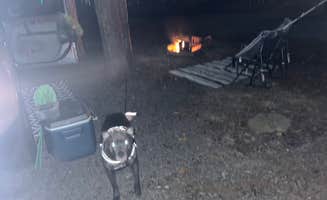
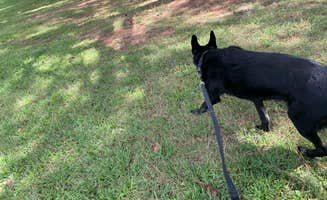
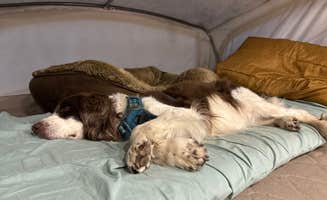
Dog friendly campgrounds near Snow Camp: designated pet areas exist at several locations. "Not a bad site in the camp. Beautiful views, dog friendly, large shady sites," shares Betty B. While most parks accommodate pets with typical leash requirements, rules about dogs on beaches or in buildings vary by location.













 Traveler


