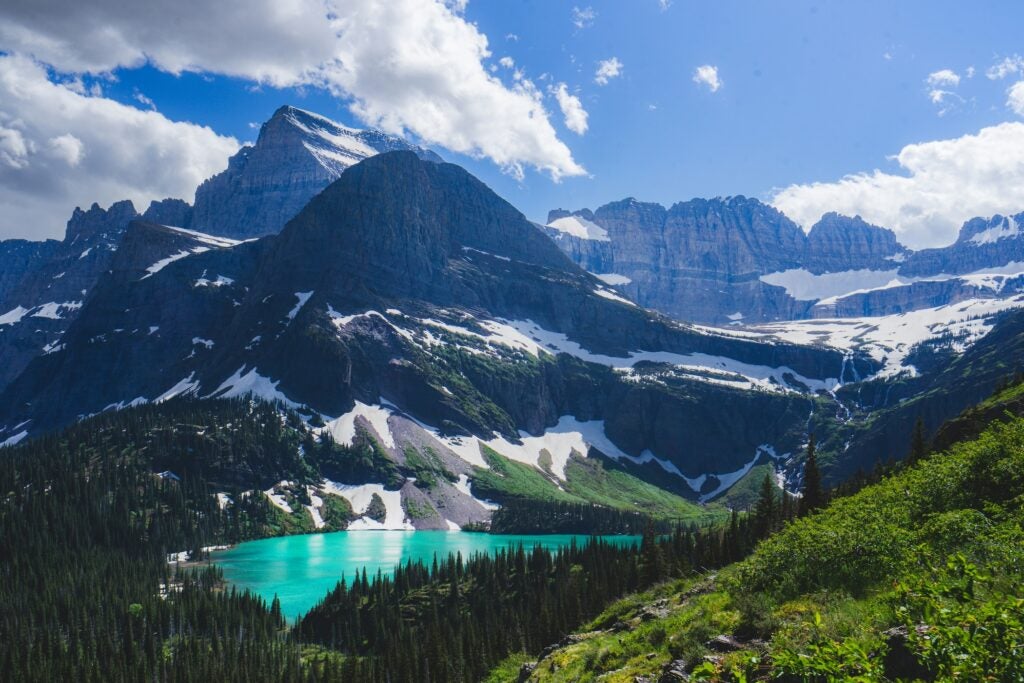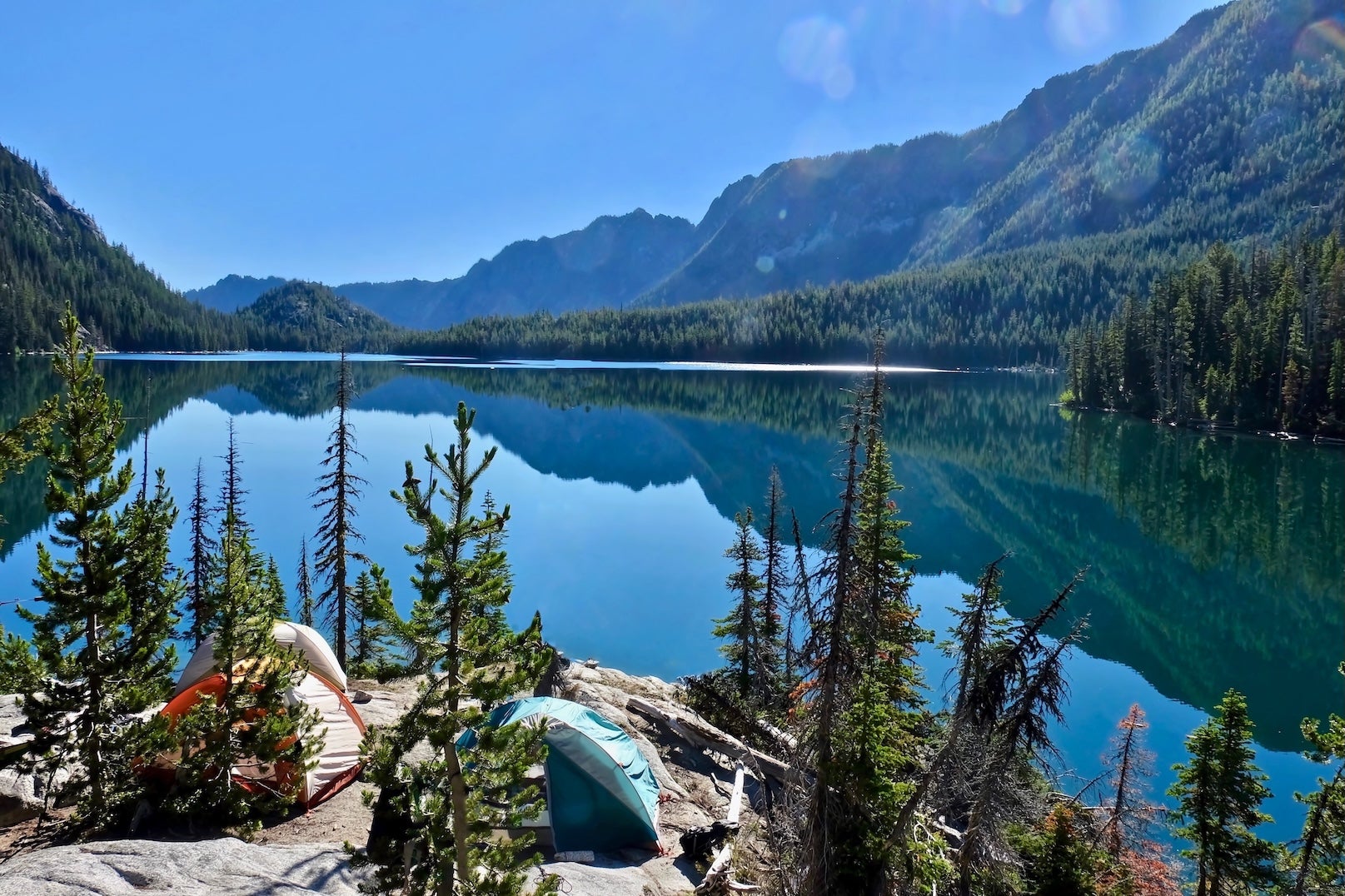
This leg of the Great Northern road trip spans roughly 600 miles from Glacier National Park, MT to Seattle, WA. It’s among the most varied segments of the journey, passing through Montana’s pine forests, cutting across the Idaho panhandle, and traversing Washington’s open plateau and Cascade Mountains. Along the way, you can visit lakeside towns like Sandpoint, explore Spokane’s urban parks, marvel at the Dry Falls canyon, and enjoy the Bavarian charm of Leavenworth. Plan on 3–4 days (or up to 5 with detours) to fully appreciate this stretch. For a complete guide to the entire trip, see our full Great Northern road trip overview.
Segment Overview
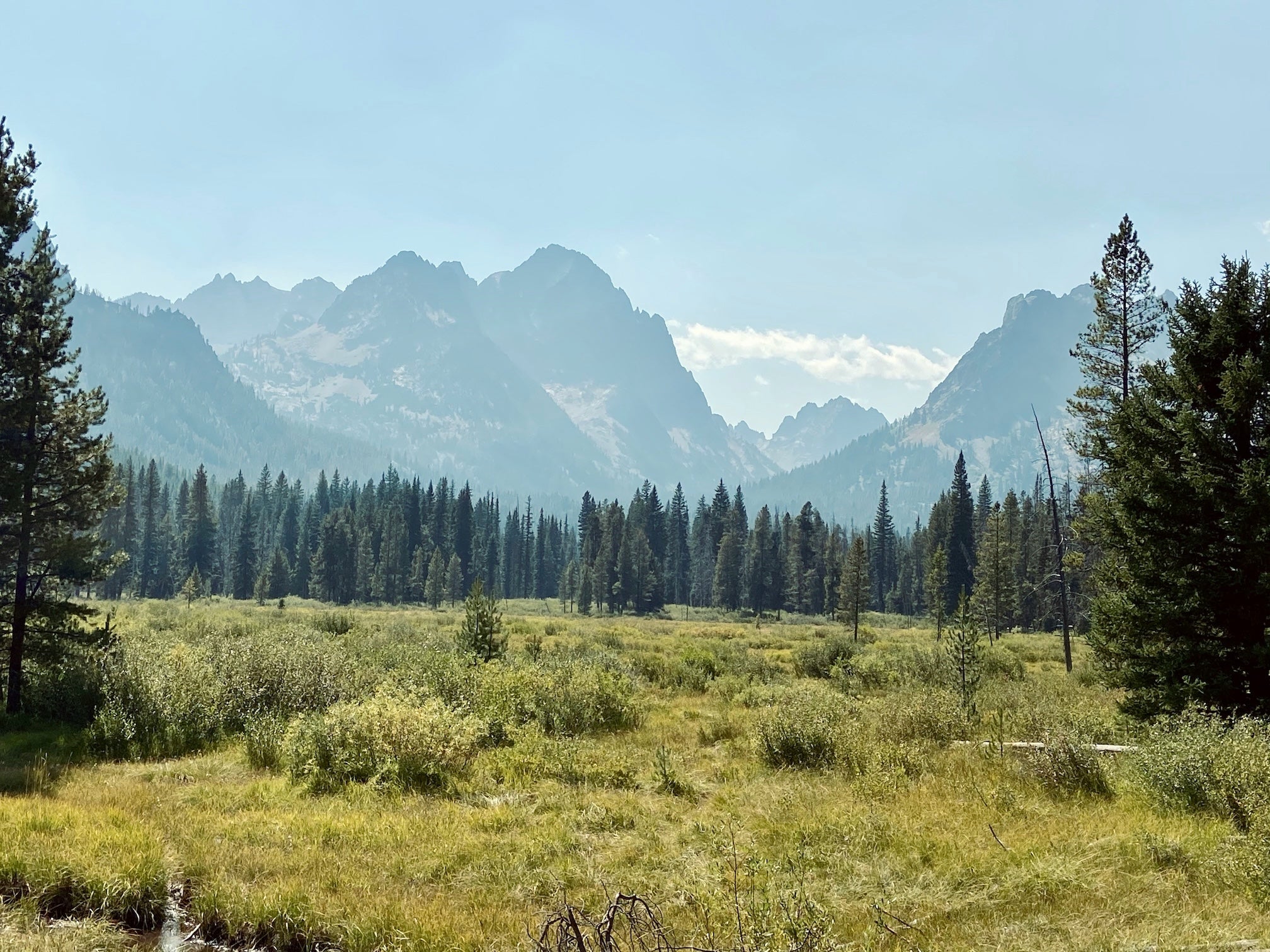
This stretch follows US Highway 2 across three states, with dramatic changes in scenery. You start in Montana’s glacier-carved peaks and forests, then dip into Idaho’s lake country, and finally cross Washington’s channeled coulee country before climbing over the Cascades. Summer is the ideal time to drive (late June through September) when mountain passes and park roads are typically snow-free. By contrast, winter travel may require detours or traction tires (Stevens Pass often sees heavy snow). Expect light traffic outside the cities, but plan for long gaps between services in rural areas and be prepared for rapidly changing weather in the mountains.
Quick Stats
| Total Distance | ≈ 600 miles |
| Estimated Drive Time (no stops) | ~ 10 hours |
| States Traversed | Montana, Idaho, Washington |
| Primary Route | US-2 (Great Northern route) |
| Recommended Duration | 3–4 days |
| Cell Service | Good in towns; spotty in mountains & coulees |
| Fuel Stops | Kalispell/Columbia Falls (MT), Libby (MT), Bonners Ferry (ID), Spokane (WA), Wenatchee (WA) |
Day-by-Day Itinerary
Day 1: Glacier National Park, MT to Sandpoint, ID (~220 miles)
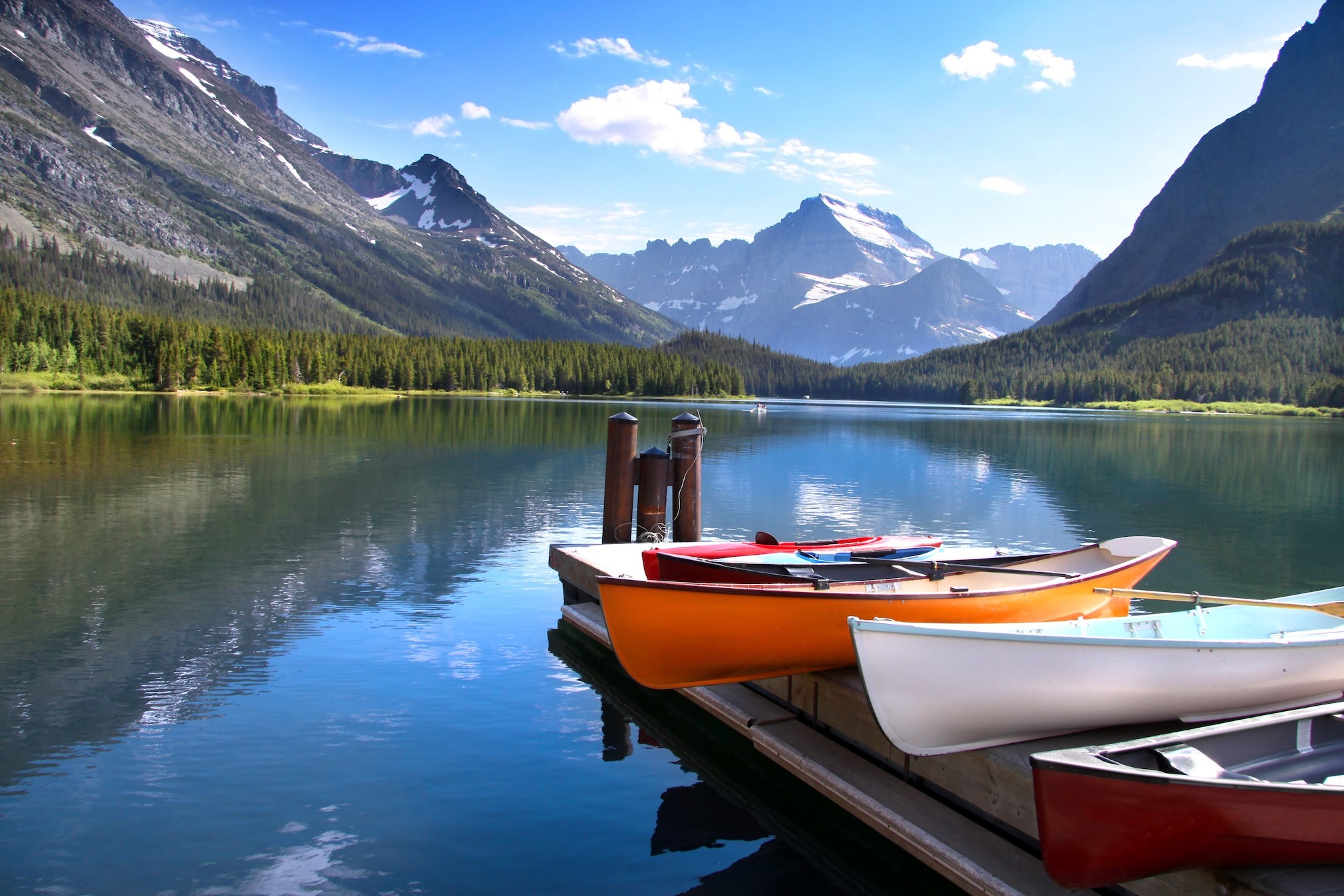
Depart Glacier National Park westbound on US-2. After winding through the Flathead Valley, consider a resupply and fuel stop in Columbia Falls or Kalispell. The route then follows the wild Kootenai River toward Libby – don’t miss the short hike to Kootenai Falls, one of the largest free-flowing waterfalls in the Northwest. A swinging footbridge high above the 30-foot falls offers a thrilling view of the cascade. Continue into Idaho, crossing dense forests and the lands of the Kootenai Tribe near Bonners Ferry. By late afternoon you’ll reach the lakefront town of Sandpoint on Lake Pend Oreille. Enjoy a stroll at Sandpoint City Beach or browse the artsy downtown before settling in. Camp for the night at Round Lake State Park just south of Sandpoint, or stay in town for more dining options.
Day 2: Sandpoint, ID to Grand Coulee area, WA (via Spokane) (~200 miles)
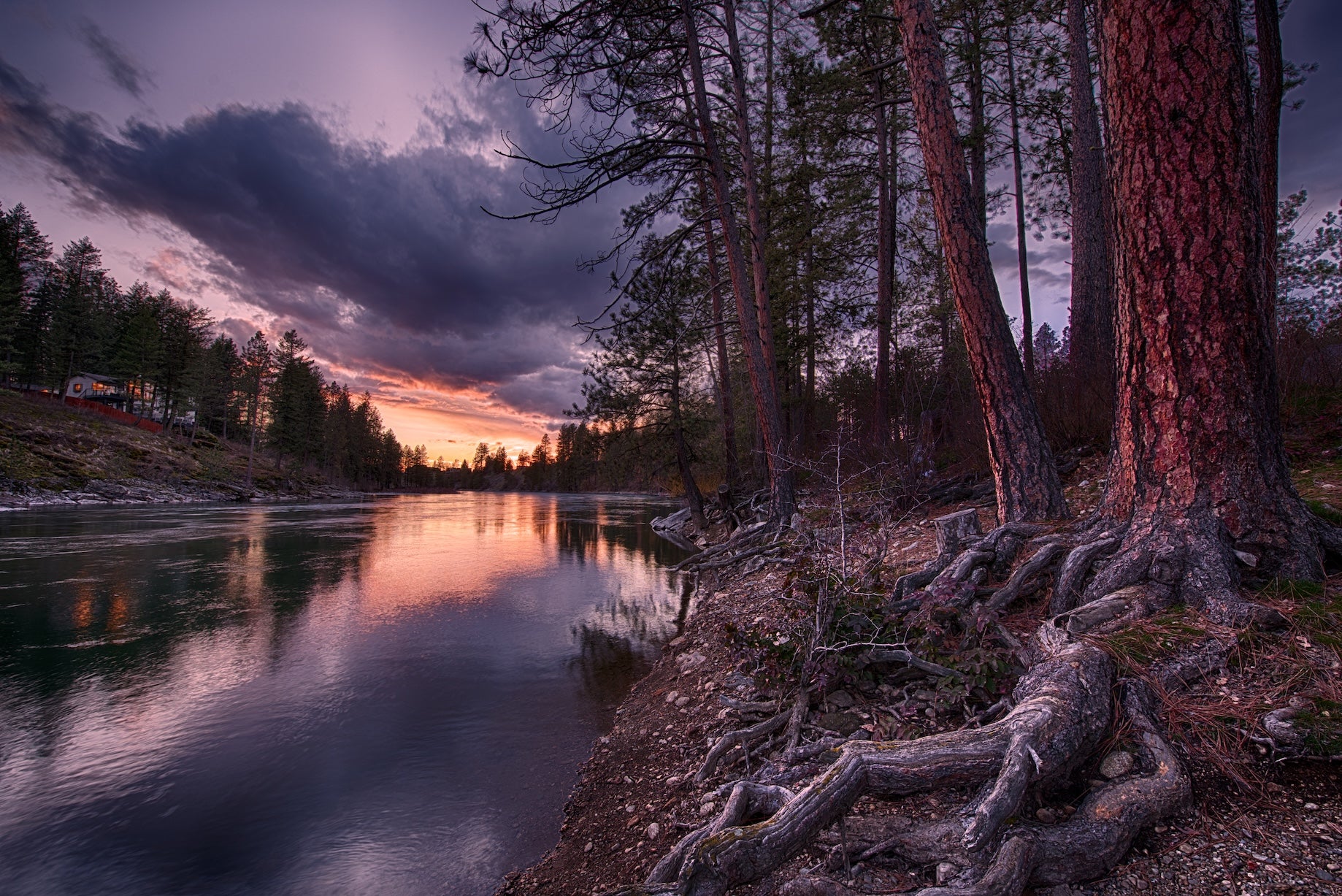
In the morning, follow US-2 along the Pend Oreille River into Washington. It’s about 1.5 hours to Spokane, the largest city on this route. Take a break in Spokane’s Riverfront Park – ride the cable gondola over Spokane Falls or grab lunch downtown. Heading west from Spokane, US-2 spans open wheat fields and small farming communities. Fuel up in Davenport or Wilbur before venturing into the remote Grand Coulee region. In the late afternoon, arrive at Dry Falls near Coulee City – a viewpoint reveals a 3.5-mile-wide, 400-foot cliff (remnant of an Ice Age waterfall ~four times the size of Niagara). From Dry Falls, continue north along Banks Lake to reach Steamboat Rock State Park by early evening. Set up camp with a view of the lake and the looming basalt butte of Steamboat Rock. After dinner, consider a short drive to Grand Coulee Dam to catch the free nightly laser light show (Memorial Day through September) projected onto the dam’s huge spillway.
Day 3: Grand Coulee to Leavenworth, WA (~150 miles)
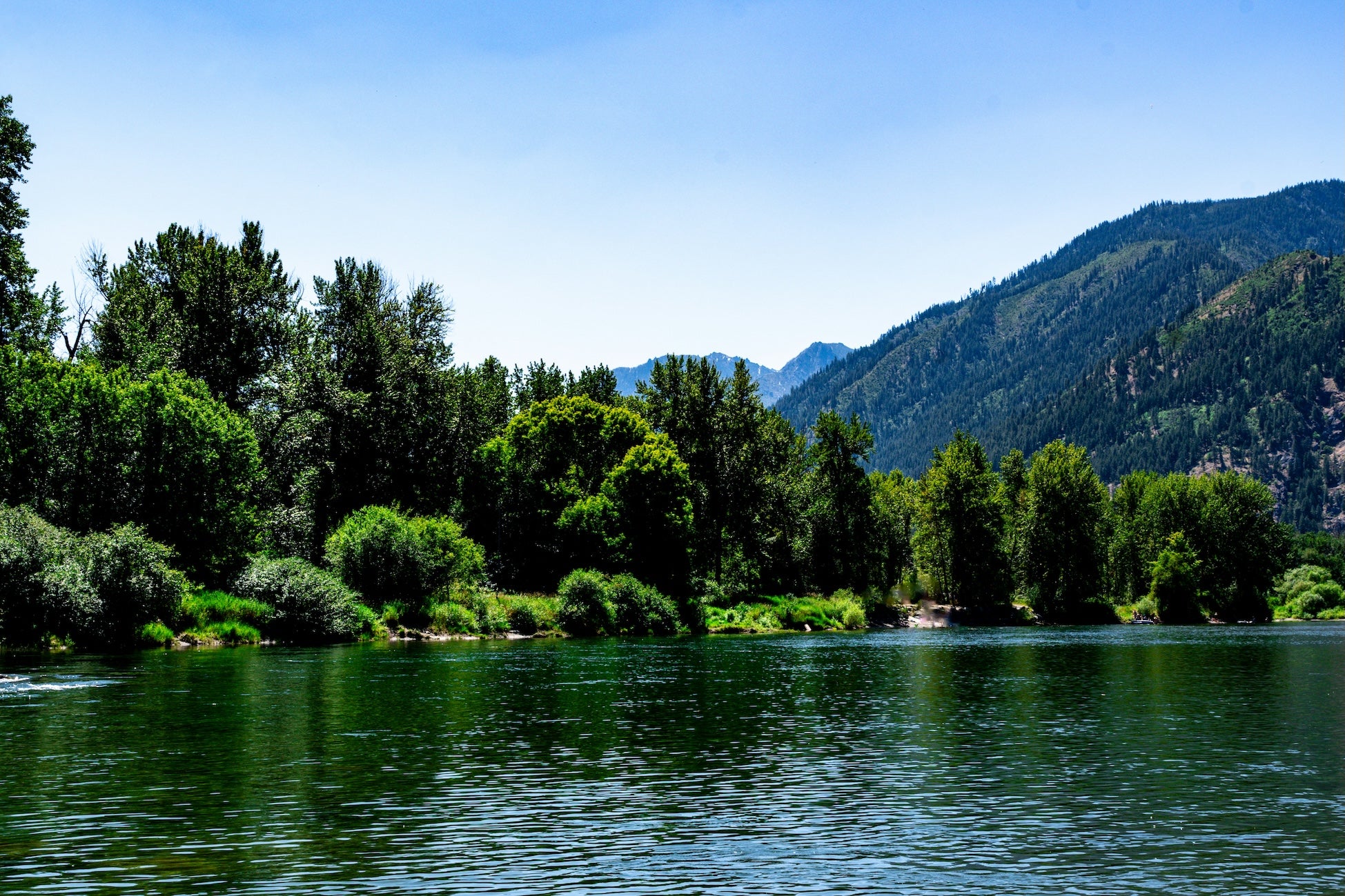
If time allows in the morning, hike the short trail up Steamboat Rock for panoramic views over Banks Lake. Then continue south on US-2 toward the Columbia River valley. The road traverses wheat prairies and then descends into Wenatchee, known as the Apple Capital of Washington. Consider stopping at a fruit stand or the Rocky Reach Dam overlook for a break. Next, head west on US-2 along the Wenatchee River into the Cascades via scenic Tumwater Canyon. By afternoon, you’ll arrive in Leavenworth, a Bavarian-themed mountain town nestled below high peaks. Browse Leavenworth’s alpine downtown – you can visit the quirky Nutcracker Museum (over 9,000 nutcrackers on display) or enjoy brats and beer in an outdoor biergarten. Campers can head 20 minutes north to Lake Wenatchee State Park for a quiet forest campground by the lake. (Private options like the Leavenworth KOA or local RV parks are also available closer to town.)
Day 4: Leavenworth, WA to Seattle, WA (~130 miles)
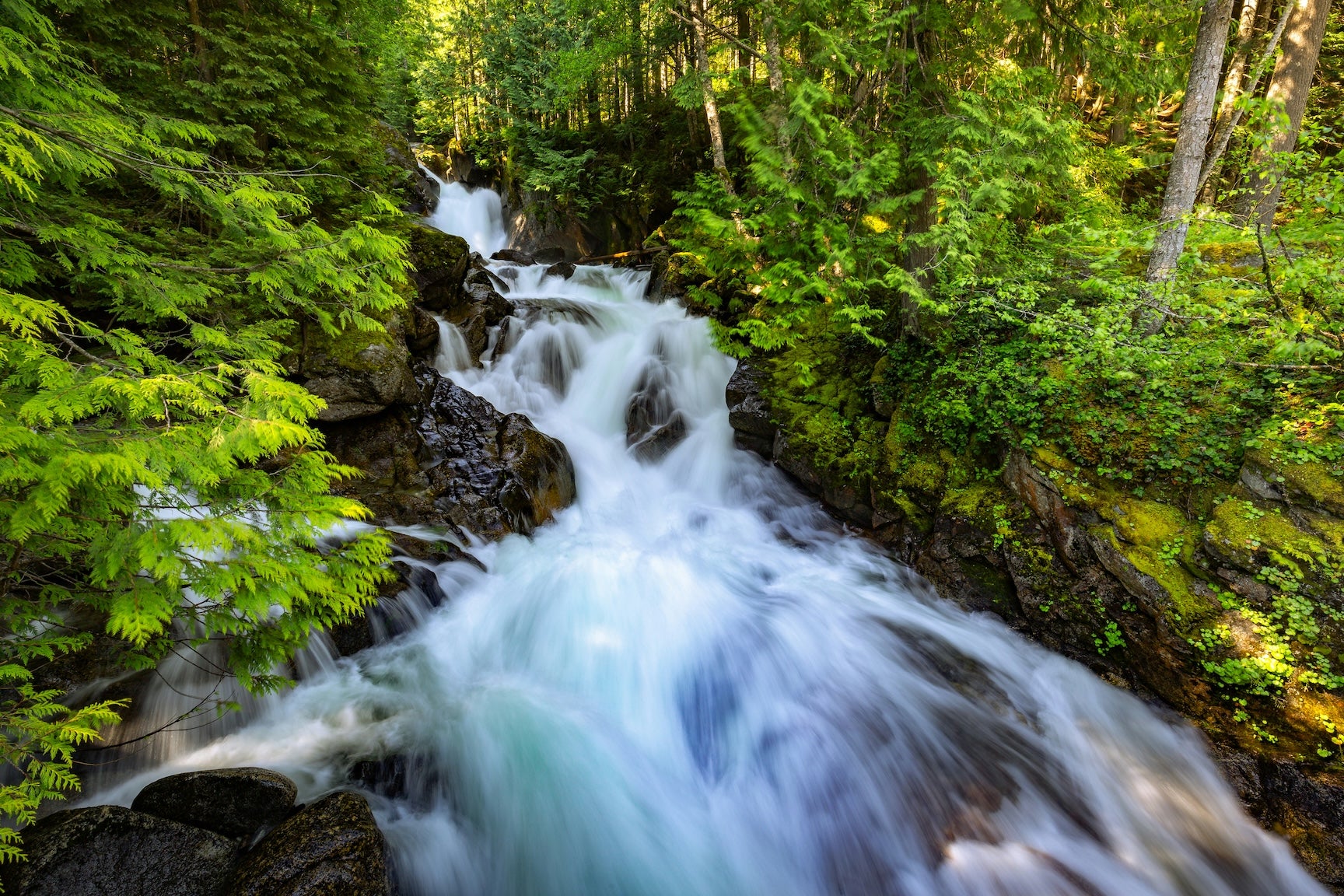
On the last leg, follow US-2 west through the Stevens Pass Greenway (a designated National Scenic Byway). The highway climbs to Stevens Pass (4,061 ft) – a ski area in winter – then winds down through lush forests on the west side. Stretch your legs on a short walk at Deception Falls near the summit, or check out the historic Iron Goat Trail along an old railroad grade. As the road descends along the Skykomish River, you’ll pass small towns (Index, Gold Bar) popular for hikes, rafting, and fishing. Once you reach Monroe, traffic increases as you near the metro area. If time allows, detour south to Snoqualmie Falls (a famous 268-ft waterfall about 25 miles off US-2) before heading into the Seattle area. Otherwise, continue west to Everett and merge onto I-5 for the final stretch into Seattle, where this segment concludes. Aim to arrive by early afternoon to avoid Seattle’s rush-hour traffic on weekdays.
Campgrounds to Consider
- Round Lake State Park Campground (Idaho) – A peaceful, well-maintained campground in North Idaho’s Panhandle, about 10 miles south of Sandpoint. Set in a forest around a small lake, it has swimming, paddling, fishing, and hiking trails right by camp. The campground provides drinking water, restrooms with showers, and both tent and RV sites (some with electric hookups). Its friendly atmosphere and shaded sites make it a relaxing stopover between Glacier and Spokane.
- Bowl and Pitcher Campground – Riverside State Park (Washington) – Located on the Spokane River just outside Spokane, this state park campground blends city convenience with nature. Campsites (for tents and RVs) sit among ponderosa pines and basalt rock formations; a short trail leads to a CCC-built suspension bridge over the river rapids. The campground has flush toilets, hot showers, and picnic tables. It’s a convenient overnight if you want to camp near Spokane – only a 15-minute drive from downtown – while still enjoying hiking trails and river views at camp.
- Sun Lakes–Dry Falls State Park Campground (Washington) – Camp in the heart of the Grand Coulee’s desert oasis. This state park campground sits below the cliffs of Dry Falls and next to Park Lake, offering a unique high-desert camping experience. It has tent sites, RV sites (with hookups), and cabins, plus amenities like restrooms, token-operated showers, and some grassy picnic areas. Visitors swim and fish in the chain of lakes and enjoy vivid sunsets on the canyon walls. (Be prepared for occasional strong winds at night.) Sun Lakes is open from spring through fall and makes a great base for exploring Dry Falls and the Coulee Corridor.
- Steamboat Rock State Park Campground (Washington) – A large campground on Banks Lake, set below the towering mesa of Steamboat Rock. The park has multiple loops with over 150 sites, including full-hookup RV spots, tent sites, and a few cabins. Families appreciate the sandy swimming beach, boat launches, and miles of hiking/biking trails (including the trail up Steamboat Rock itself). Facilities are modern – expect clean bathrooms, hot showers, and a playground. This campground is very popular in summer, so reserve in advance. From your site, you can enjoy sunrise over the lake and might see deer or wild turkeys wandering through the area.
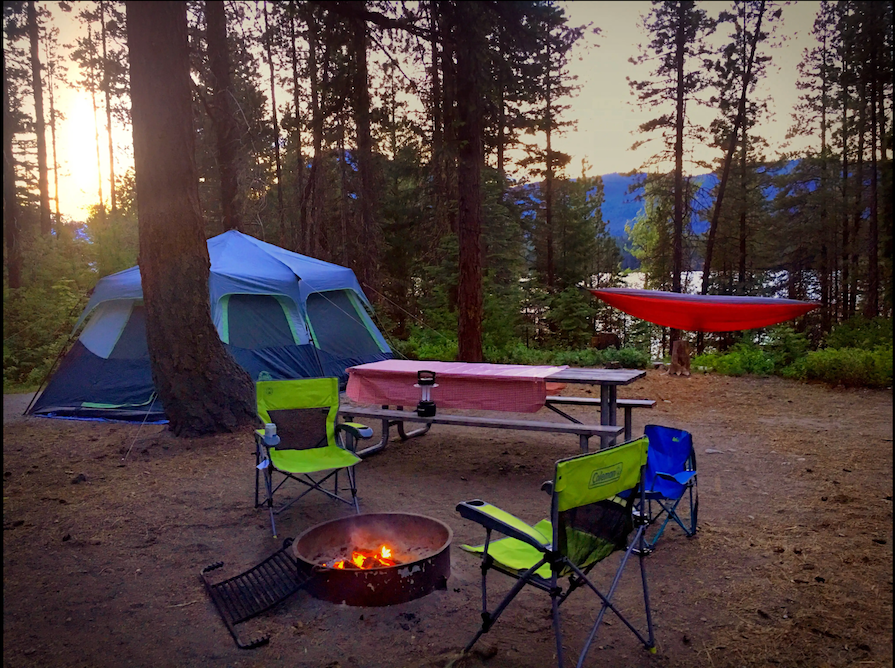
- Lake Wenatchee State Park Campground (Washington) – Nestled on the wooded shores of a clear alpine lake, this campground offers a classic mountain camping experience. The park has two camping areas (north and south shore) with nearly 200 sites for tents and RVs, plus a few cabins. Amenities include picnic tables, fire rings, potable water, flush restrooms, and coin-operated showers. In summer, campers swim, paddle, or horseback ride; in winter, the park’s trails are popular for snowshoeing and skiing. It’s about 20 minutes from Leavenworth, making it an ideal base for exploring that area or hiking nearby trails in the Cascades.
- Lincoln Rock State Park Campground (Washington) – This family-friendly campground sits along the Columbia River (Lake Entiat) just north of Wenatchee. It features spacious lawns and a swimming beach, great for kids and water recreation. There are over 100 campsites, including full-hookup loops for RVs and grassy tent areas, plus several cabins. Visitors praise the clean bathrooms, hot showers, and well-kept grounds. A paved trail connects the campground to picnic shelters and boat launches. The campground is named after a local rock formation that resembles Abraham Lincoln’s profile on the opposite shore. It’s a popular weekend spot for boating and biking, so reservations are recommended for summer.
- Leavenworth Pine Village KOA (Washington, private) – A full-service private campground located 2 miles from downtown Leavenworth on the Wenatchee River. It has a range of accommodations – RV sites with hookups, tent sites, and cabins – along with extensive amenities (seasonal pool, hot tubs, playground, dog park, Wi-Fi, and a camp store). In summer, the campground offers shuttle service to Leavenworth’s Bavarian Village, which is handy during festivals. The riverside setting is beautiful, with some sites backing onto the water. This KOA is very popular with families and can be busy (and a bit pricey) in peak season, but it’s hard to beat for convenience and kid-friendly activities.
Top Activities & Attractions
Natural Highlights
Kootenai Falls (MT) – A short trail near Libby leads to a swinging bridge over these powerful falls on the Kootenai River. The main waterfall is about 30 feet high and drops 90 feet over less than a mile, and the surrounding canyon is a spectacular photo spot. Lake Pend Oreille (ID) – A 43-mile-long glacial lake ringed by mountains. Stop at Sandpoint’s City Beach or the Lake Pend Oreille Scenic Byway pullouts for swimming and views. Dry Falls (WA) – Visit the Dry Falls Overlook and Visitor Center to witness the 400-ft cliffs and learn how Ice Age floods created this giant waterfall remnant. Deception Falls (WA) – A family-friendly nature trail near Stevens Pass that loops over bridges and boardwalks alongside a cascading creek in the mossy forest. If you have extra time and want more mountain scenery, a detour north to North Cascades National Park (via Highway 20) will reward you with alpine lakes and jagged peaks.
Cultural & Historic Sites
- Riverfront Park, Spokane – This 100-acre park downtown was the site of the 1974 World’s Fair. Today it features the historic 1909 Looff Carousel, public art, and Spokane Falls viewpoints (ride the SkyRide gondola for a unique perspective over the falls).
- Grand Coulee Dam Visitor Center – Exhibits and films here explain the construction of Grand Coulee Dam and the Columbia Basin Project. In summer the dam hosts a nightly laser light show telling the story of the river.
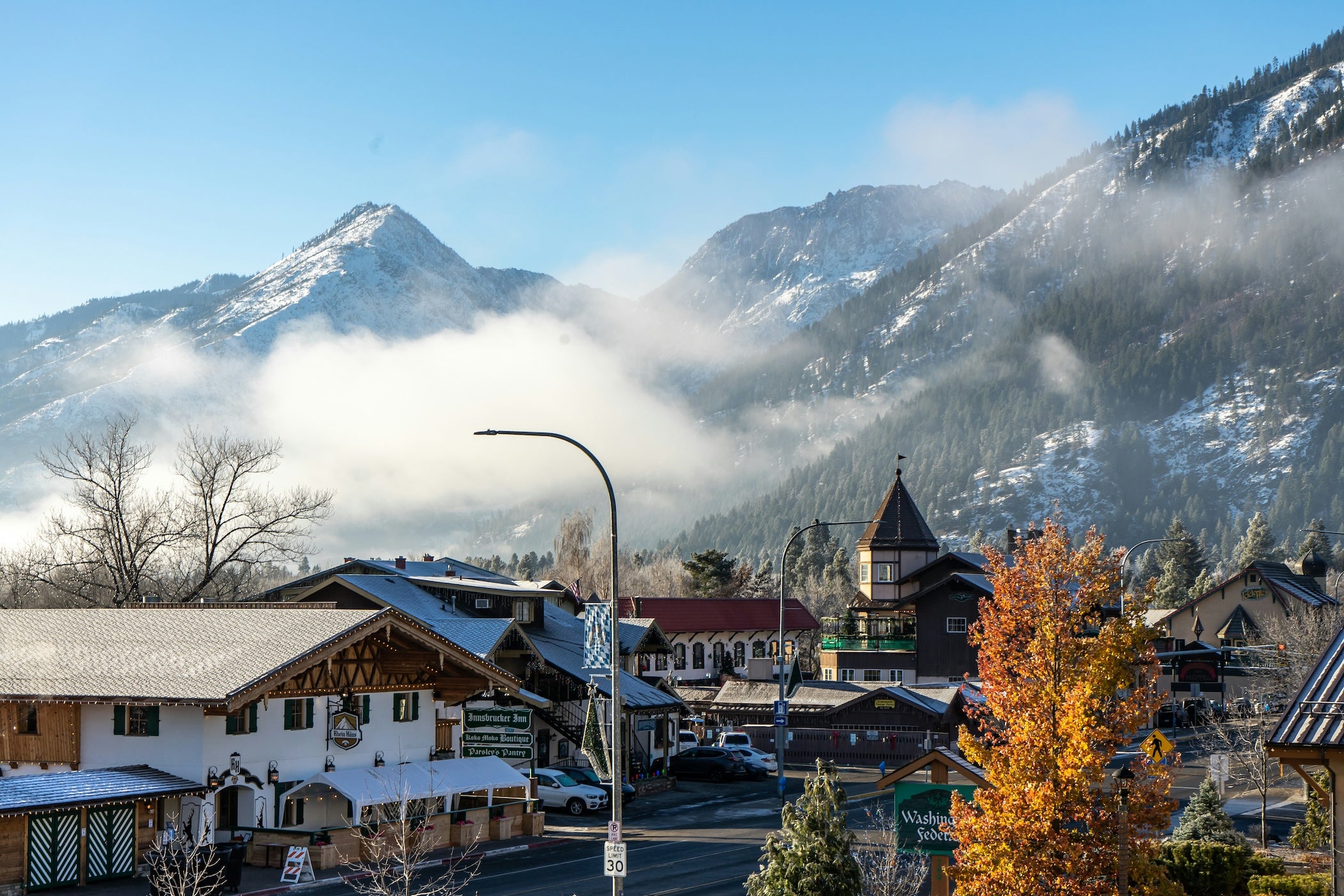
- Leavenworth – A once-timber town reinvented as a Bavarian-themed village. Stroll Front Street to admire the alpine architecture, sample German baked goods and sausage, or catch an outdoor summer theater performance. Leavenworth’s calendar is filled with events like Oktoberfest and the Christmas Lighting Festival, reflecting its cultural flair.
- Panida Theater, Sandpoint – A historic 1927 Spanish Mission–style theater downtown that now hosts films, concerts, and community events – a neat stop to appreciate local history and maybe catch a show if timing aligns.
Outdoor Recreation
This segment is packed with outdoor fun. Hikers can tackle trails like the Iron Goat Trail (6 miles, moderate) on Stevens Pass or the Wallace Falls trail (5.6 miles round-trip to a 265-ft waterfall) near Gold Bar. For shorter walks, try the trails at Riverside State Park (multiple loops along the Spokane River) or the Trail of the Coeur d’Alenes in Idaho (a paved rail-trail good for biking as well). Mountain bikers will find routes in the forests around Lake Wenatchee and Sandpoint (the Schweitzer Mountain resort offers lift-served biking in summer). On the water, popular activities include kayaking and paddleboarding – you can rent gear at Sandpoint to explore Lake Pend Oreille, or bring your own to paddle on Banks Lake or Lake Wenatchee. Anglers will appreciate the fishing opportunities: cast for trout in Round Lake or Lake Roosevelt, or try for walleye and bass in Banks Lake. In winter, portions of this route turn into a cold-weather playground – Schweitzer Mountain and Stevens Pass are top ski areas, and many state park campgrounds (like Lake Wenatchee and Riverside) have groomed snowshoe and Nordic ski trails.
Unique Stops
For something a little different, check out the Nutcracker Museum in Leavenworth, which displays over 9,000 nutcrackers from prehistoric carvings to quirky modern collections – it’s oddly fascinating and a hit with kids. In the tiny town of Skykomish, the Great Northern & Cascade Railway operates miniature train rides on summer weekends (a fun, free stop for families and train buffs). If theme park thrills appeal, you might detour about 30 miles south of US-2 to Silverwood Theme Park (near Coeur d’Alene, ID), home to roller coasters and a water park – a big draw in summer. Driving through the wheat country, keep an eye out for offbeat roadside art: for example, Wilbur, WA has a giant cement bull marking its ranching heritage, and a mural of a wheat farmer on Main Street. And as you approach Seattle, consider a quick stop in Snohomish or Monroe – these small towns offer antique shops, local bakeries, and farm stands that provide a slice of local life on your final miles.
Travel Tips for This Segment
Plan your fuel stops carefully – after leaving the Glacier Park area, gas stations are few until you get closer to Spokane. (Towns like Libby, MT and Bonners Ferry, ID have fuel, but there may be 60+ miles between services, so top off when you can.) Similarly, fill up in Spokane or Davenport before crossing central Washington, as services are sparse on US-2 between there and Wenatchee. Cell phone reception is spotty in stretches of the Idaho panhandle and around the Grand Coulee (don’t expect signal at Steamboat Rock State Park). Download offline maps or GPS data in advance – using a tool like The Dyrt PRO for offline campground maps can be a trip-saver. In summer, keep tabs on regional wildfire news; smoky conditions or even fire-related road closures can occur in late summer. In winter and early spring, be prepared for snow – Stevens Pass occasionally closes for avalanche control, and Montana/Idaho mountain roads can be icy. Always check WSDOT and NPS alerts if traveling outside of summer, and carry tire chains when crossing the Cascades from November through April. Watch for wildlife on the roads, especially around dawn and dusk; deer, elk, and even moose frequent the highway edges in wooded areas of Montana and Idaho. Finally, note that Washington State Parks require a Discover Pass for vehicle entry (a $10/day fee or $30 annual pass), which you can buy online or at park kiosks.
Additional Segments & Resources
This Glacier-to-Seattle drive is one segment of the larger Great Northern road trip route across the country. For an overview of the entire journey (from the Upper Midwest to the Pacific Northwest), see our complete Great Northern road trip guide with all segments. If you’re continuing eastward, you can find segment guides covering the legs from Seattle back to Glacier and onward through the Great Plains and Great Lakes. As you plan, leverage tools like The Dyrt PRO for finding campsites (even offline) along the route, and remember to practice Leave No Trace principles to keep these destinations beautiful for everyone. Enjoy the adventure on this unforgettable northern coast-to-coast drive!
The Dyrt is the only camping app with all of the public and private campgrounds, RV parks, and free camping locations in the United States. Download now for iOS and Android.Popular Articles:
Articles on The Dyrt Magazine may contain links to affiliate websites. The Dyrt receives an affiliate commission for any purchases made by using such links at no additional cost to you the consumer.