

L
Lani B. Guide
GuideGoat Meadow - Dispersed Camp Site
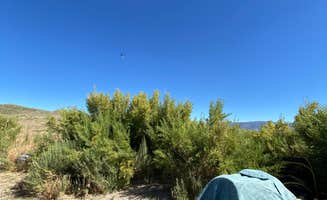
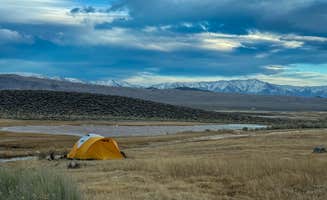
Loads of space! Not many people here in October. Park lot had two trailers and the trail to the right is wide open with numerous pullouts. Lots of great trails around for the dogs.
The camping areas throughout Inyo National Forest range from established campgrounds to open spaces for dispersed camping. Lundy Canyon Campground works well for campers who want basic facilities in a managed setting. For those who prefer more privacy, the forest permits dispersed camping away from developed areas. Hiking trails crisscross the forest, giving campers plenty of chances to walk through the mountains and valleys. Many people come to fish at places like Convict Lake Campground, which has good access to the water. The best camping weather happens during spring and fall when temperatures stay comfortable and the trees change colors. Summer can get quite hot, so bring extra water and sun protection. Winter camping exists for the hardy, though snow blocks many forest roads. You should make reservations for the busier campgrounds, particularly from late spring through early fall. Book at least a few months ahead for summer weekends to get a spot. The forest often limits campfires depending on conditions, so check current rules before arriving. Mammoth Lakes sits close by with grocery stores, restaurants, and gear shops. Most campers find that Inyo National Forest gives them the outdoor experience they want, whether that's active or laid-back. Always pack out what you pack in to keep the forest clean. The combination of mountains, lakes, and forests makes Inyo worth the trip for most campers.
Compare 2 top campgrounds at a time to find your favorite!


Round 1 of 5
$35 / night
"My husband and I have been camping at Convict Lake for many years. He and his family have gone to opening day of fishing in the freezing cold for MANY years."
"It’s just a short drive from the highway and Mammoth Airport. The campground is very popular with a mix of reserved and non reserved sites."
$35 - $80 / night
"Walking distance to town. Great walking paths. Choose to camp under the shade of the pines on a dirt pad or in the clean, parking lot style section. This place never lets us down."
"This was during the California wildfires. I would recommend this RV park/campground they have ample space for both. Every site has a bear box."
$34 / night
"Twin lakes is Located in the Eastern Sierra Nevada Mountains near the town of Mammoth Lakes, California. Upper and lower twin lakes are a fantasic place to set up base camp and explore the sierras."
"Stayed at shaded site 4 next to main road between main lodge and store. Site was a little sloped for 24' RV. Clean flush toilets with sinks. Easy walk to store and main lodge."
"Visited the Hot Springs in late October and was pleasantly surprised with the location, warm in the daytime and cool at night. Surrounded by beautiful mountains and views."
"Views on the other are rolling fields / foothills with lots of cutie vocal Moo Moos and Alkali Lake! You can see other hot springs in the distance. No shade. Lots of flies and red ants."
$32 / night
"We were really tucked away from neighbors and were very close to the lake and bathrooms. We went in August and it was perfect weather, warm days and cool nights."
"We really enjoyed June Lake Campground! Stayed there for one night on our way out of Yosemite. The drive around the lake is beautiful and there are multiple camping areas."
$32 / night
"Every August my family and friends meet at Sherwin Creek Campground around the time of the Perseids meteor shower."
"This campground is just outside the main part of Mammoth Lakes, CA. You have to go on a paved then gravel road to get there."
$33 / night
"CAMPGROUND REVIEW: Coldwater Campground, Mammoth Lakes, CA A beautiful 77 site campground nestled in at over 9,000 ft in the Inyo National Forest of the Eastern Sierras."
"It wasn’t too close to other sites, although you could see them. We loved having the creek across the road. The campground has nice access to hiking trails, and Lake Mary."
$38 / night
"I had always wanted to camp in the Inyo national forest. Oh ridge was on my list and I was able to finally make the trip. It was a hefty drive from the Central Valley but the views were stunning."
"Easy access to purchasable firewood, Bear Boxes at every site, well kept bathrooms with flush toilets and sinks, wind guards at some sites, near a lake, amazing starry night sky, general store nearby"
"Multiple locations near by not listed. It gets a bit dusty and windy. Lots of off road vehicles. All the camper vans rolled in after dark and it filled up quick."
"Easy access to all vehicles except some areas that may need a little higher clearance. Nicely secluded but not many great open views in the area since it is in the Forrest among the trees."
"Private site on the edge of the campground border with a stream just below, across the stream it seems like there are maybe some rental properties but it’s still very private."
"Great Campground and location between Mammoth and June Lake. Once you drive in Glass Creek Rd, the campground splits in two sections."





 Guide
Loads of space! Not many people here in October. Park lot had two trailers and the trail to the right is wide open with numerous pullouts. Lots of great trails around for the dogs.
 Scout
Great little park. Found it to be very clean and the camp hosts are very helpful.
 Guide
This is actually a really nice free dispersed camping site. Once you get to the Goat Meadows sign if you go left you will find a large parking lot with bathrooms. There were probably ten rigs or so jst camping up on the parking lot. If you go right down the hill you will find multiple dispersed camping sites. They are a little obscure, but some have nice fire rings that let you know it’s a site. They are very well spaced so even when you have neighbors you will hardly see or hear them. At the top of the hill where you go left or right was a camp host looking site but not sure if it is actually, but there was a camper there with a bumper pull trailer who uses a very loud shop type cheap generator that you can literally hear all over the area. Luckily, he turned it off about 10pm but started it up around 8am. If it weren’t for him probably would have given this site five stars. Also, T-Mobile and ATT both had zero cell service our phones were both on SOS but that really wasn’t a problem for us.

 Ranger
Reviewed by: The Crew at Hitched4fun.com
If you are looking for a truly unique, tranquil getaway off the beaten path in California, The Inn at Benton Hot Springs is tough to beat. We recently stopped here to decompress on our trip to Glacier National Park, staying in Hot Tub Site#2, and it was hands-down one of the most relaxing nights of our entire journey.
The Soak& Site Experience (Site#2)
Each campsite here features its own dedicated, private natural hot spring tub.
CRITICAL PRO-TIP: Big-Rig Navigation on Highway 120
If you are pulling a large setup—like our 39-foot Keystone Raptor toyhauler—pay close attention to this arrival strategy to save yourself immense stress:
Nobody wants to be the camper stuck across both lanes of Highway 120. Following this route will save your nerves, your trailer skirts, and your tires.
The Hitched4fun Verdict
Benton Hot Springs is an absolute gem for anyone traveling Eastern California. Once you navigate the entrance, having your own private, steaming mineral tub just steps from your RV door makes all the driving worthwhile. We will definitely be back.
P.S. Absolutely no Cell Service. Bring a Starlink Dish.
GuideIt was freezing when we went! The camp host was so nice and welcoming. The site was pretty close to the noisy highway.
 Guide
We came here in October and had no issues finding a spot. We stayed in the parking lot but there are also more remote spots if you continue to the right that are suitable for vans, truck campers, and tents. This area is only minutes from the west entrance to Yosemite and Mariposa Grove and 40 minutes from the valley. The parking lot is big-rig friendly but could fill up quick during the summer. There are on-site vault toilets and dumpsters.
 Guide
Clean and spacious. Water was just a short walk away. Amazing views all around the campground. Restrooms were always clean.
GuideGreat campground. Sites didn’t feel too close to each other. Bathrooms very clean. Hosts very kind. Many things to do within a short drive. Lake was just a short walk from site 12 where we stayed. Definitely would stay again.
 Guide
Stayed at site 24, next to the creek. Near toilet block and trash. Winds were blowing so didn’t make a fire. Overall a nice camping spot, next to creek and it wasn’t too crowded either.
Inyo National Forest camping ranges in elevation from 4,000 to 9,000 feet, creating distinct climate zones and camping experiences. Summer daytime temperatures can reach 85°F at higher elevations while dropping to 40°F at night. Dispersed camping is permitted on most forest service lands, with a 14-day stay limit in any 30-day period.
Fishing at stocked lakes: At Convict Lake Campground, fishing opportunities abound with rainbow trout. "My friends and I have been fishing Convict Lake for the Trout Opener for 15 years years now and camping it for about 4-5 years of those 15. We have stayed in many of the campsites and have been very satisfied with them all," reports Christina R.
Hot spring soaking: The Crab Cooker Hotsprings area offers natural thermal pools. "The Hot Springs were delightful," shares Adela T. The pools maintain year-round warm temperatures, though Rachel W. warns they can be "HOT HOT HOTTTT! 3 people comfortably."
Winter camping: Try snowshoeing from Twin Lakes Campground, which offers winter access. "Remember that you're at elevation so it can get cold at night even in the summer," notes Jonathan G. Winter camping requires preparation with suitable gear for sub-freezing temperatures.
Walk-in sites for privacy: Some campgrounds offer secluded walk-in tent sites. "We weren't at a drive-in spot, but the walk-in wasn't too bad," reports Nicole M. about Sherwin Creek Campground. Many tent campers prefer these spots despite the extra effort.
Lake proximity: Waterfront camping at June Lake Campground provides immediate lake access. "Most of the sites here are literally on June Lake. So watching the lake in the evening and morning is a real treat," says MarinMaverick. Sites closest to water typically fill first.
Year-round accessibility: Varying elevations mean camping options throughout the seasons. "I like to camp here in late October early November when I drive the eastern sierras to take a look at the fall colors," notes a June Lake camper. Lower elevation sites remain accessible when higher camps have closed.
Bear activity: Bears regularly visit campgrounds, requiring proper food storage. "There are bears here too!!" warns Rob L. about Coldwater Campground. All established campgrounds provide bear boxes, and dispersed campers must secure food properly in bear canisters.
Limited connectivity: Cell service varies across the forest. "Cell service for ATT wasn't very strong so take some time away from the rest of the world," reports Jonathan G. Signal strength generally improves near towns like Mammoth Lakes.
High elevation effects: Altitude sickness can occur at higher campgrounds. "This is a great campsite for backpackers getting to Mammoth lakes and acclimating to the altitude before setting off," explains Daniel J. Drinking extra water helps prevent headaches and nausea from elevation.
Tent sites under trees: For summer camping, seek shaded spots. "I really enjoyed tent camping here. When tent camping, you're under beautiful trees which I love!" shares Christina R. about Mammoth Mountain RV Park & Campground. Tree cover keeps temperatures manageable during hot days.
Wildlife viewing opportunities: Many campgrounds have resident deer and small mammals. "We got to see many deer up close. Came to our site to eat," reports Corey M. from Oh Ridge Campground. Early morning and dusk offer the best viewing times.
Swimming access: Several lakes have beach areas suitable for children. "The small beach is perfect for hot days. Be sure to put food and garbage away before bed- we had a bear come visit!!" advises Rosie R. Morning swims typically offer warmer water temperatures than evening dips.
Generator restrictions: Check rules before arrival as policies vary by campground. "Generators hours till 10pm but thankfully only hear sounds of nature at 7pm," notes Leonard H. at Convict Lake. Many campgrounds enforce afternoon quiet hours when generator use is prohibited.
Campsite leveling: Many forest sites require leveling blocks. "Approx. 1/2 sites close to level for 24' RV... 1/2 better suited for car/tent camping," explains a Convict Lake visitor. Bringing leveling equipment is essential for comfortable stays.
Dump station access: Limited dump stations mean planning ahead. "Upon leaving, the access road is totally blocked by vehicles lined up for the dump station. If you want to avoid this, leave early," advises Patrick J. about Mammoth Mountain RV Park. Weekends typically see longer dump station lines.
Frequently Asked Questions
Where can I find camping in Inyo National Forest?
Inyo National Forest offers diverse camping options across its vast terrain. For dispersed camping, Inyo National Forest Dispersed Camping provides secluded sites where you can truly connect with nature without facilities but with plenty of space between campers. Near the Ancient Bristlecone Pine Forest, Grandview Campground offers a high-elevation experience with spectacular night skies. Around Mammoth Lakes, Coldwater Campground sits at over 9,000 feet with 77 sites nestled in the Eastern Sierras. For lake access, Tioga Lake Campground features 9-11 sites at 9,800 feet elevation just outside Yosemite's eastern entrance. Additional options include Sherwin Creek, June Lake Campground, and Twin Lakes Campground, all offering their own unique Inyo National Forest experience.
What are the best campgrounds in Inyo National Forest?
Inyo National Forest offers exceptional camping experiences for all preferences. Oh Ridge Campground stands out with stunning views of June Lake and mountainous surroundings. The sites are spacious with incredible alpine scenery. For backcountry enthusiasts, Thousand Island Lake Backcountry provides 360-degree mountain vistas at nearly 10,000 feet elevation with opportunities for fishing, swimming, and star-gazing. Other top options include Convict Lake Campground near Bishop with easy access to Mammoth, and Junction Campground which offers a quieter experience with well-maintained sites featuring tables, fire rings, and food storage lockers. Each campground showcases the forest's diverse landscapes from alpine lakes to mountain views.
What amenities are available at Inyo National Forest campgrounds?
Amenities vary across Inyo National Forest campgrounds, from basic to more developed facilities. Coldwater Campground features large sites, modern restrooms with cold running water sinks, and bear-resistant food storage lockers. Junction Campground provides tables, fire rings, and food storage lockers at each site with vault toilets, but campers need to bring their own water. Most developed campgrounds offer pit toilets or vault toilets, while some have potable water available seasonally. Fire rings and picnic tables are standard at established sites. Bear-resistant food storage is commonly provided due to wildlife in the area. Dispersed camping areas have no amenities, so campers must pack in all necessities including water and pack out all waste. Cell service is limited throughout the forest, especially in remote areas.
When is the best season for camping in Inyo National Forest?
Summer to early fall (June through September) is the prime camping season for Inyo National Forest, when high-elevation areas become accessible after winter snow melts. Tioga Lake Campground and other high-elevation sites (9,800+ feet) are typically open from late June through September, depending on snowpack. Convict Lake Campground offers a longer season, with fishing enthusiasts arriving for opening day in late April, though it can be freezing cold. Late September brings spectacular fall colors and fewer crowds to the forest. Most campgrounds close by mid-October as temperatures drop significantly. Lower elevation sites may be accessible earlier in spring and later in fall. Winter camping is possible in limited areas for experienced campers with proper cold-weather gear, but most facilities close and roads become impassable.
Keep Exploring