Sierra National Forest campsites range in elevation from around 1,000 feet near Pine Flat Lake to over 8,000 feet at Courtright Reservoir. Winter closures affect most higher elevation campgrounds from October through May, while lower elevation sites remain accessible year-round. Smaller campgrounds like Bretz Mill typically have fewer visitors during weekdays, even during peak summer season.
What to do
Swimming in natural pools: Dinkey Creek Campground offers access to multiple swimming areas. "This was my best camping experience ever. It's location had perfect weather, warm during the day and cool, but not cold, at night. You surrounded by gorgeous tall trees and have access to swimming holes about a mile away," notes camper Michal S.
Paddle sports on quiet lakes: Dorabelle Campground provides direct lake access for non-motorized boating. "The cove is wonderful for swimming and mostly kayaks/SUP with plenty of beach space, water temp was perfect. Happy campers all, one lady let me use her kayak," reports Margo A.
Fishing for trout: Access mountain lakes and streams for various fishing opportunities. "Wishon and Courtright. Rainbow and German Browns can be caught," notes Tom D. about fishing near Wishon Village RV Resort.
Stargazing: The high elevation and minimal light pollution create excellent conditions for night sky viewing. "Being amongst the Sierras and embracing the waters as we did was absolutely empowering. Amazing views of the stars at night," shares Raei B. about Kirch Flat.
What campers like
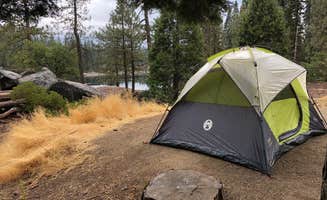
Lakeside access: Camp Edison offers direct water access and boat facilities. "Each site has plenty of room and includes a picnic table and fire pit. It's a short walk to Shaver Lake from virtually any of the sites, and several have a nice view of the lake," explains Angela D.
Reliable campground hosts: Campground staff provide valuable assistance and maintain facilities. "The hosts were very helpful and friendly, the creek, while low, was beautiful, and the guests were courteous and friendly," says Doug about Dinkey Creek Campground.
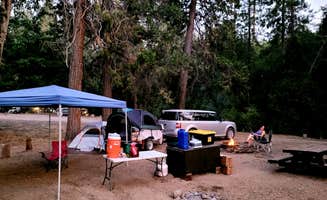
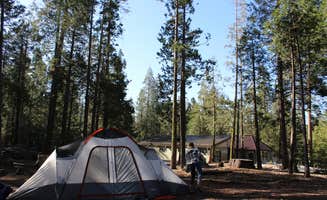
Spacious campsites: Many Sierra National Forest camping areas offer room to spread out. "Each area has a picnic table, fire pit, and is very clean upon arrival. There are lots of cut down wood in the area," mentions Alisha C. about Deer Creek Campground.
Wildlife viewing: The forest provides opportunities to observe various animals in their natural habitat. "At night along with seeing the stars and hearing the river, you can also hear frogs," notes Darlene M. about camping near Kings River.
What you should know
Road conditions vary significantly: Many campgrounds require driving on unpaved or narrow winding roads. "The road to get to campsite can get rough. It's a good 8 mile dirt road. Some parts are collapse. And others parts get muddy so make sure you got a good car," warns Miguel M. about Bretz Mill Campground.
Insect activity peaks in late summer: Yellow jackets become particularly active in August and September. "The yellow jackets. The hosts said it was quite unusual so I tried not to let it color the overall review, but damn! You would be sitting down trying to read and a few would fly around your head or land on your hands," shares Erin S. about her experience at Dinkey Creek Campground.
Cell service limitations: Most Sierra National Forest campsites have minimal to no connectivity. "No cell service with Verizon. No hook-ups. Firewood for sale (8 pieces for $8 - don't bother and just gather)," notes Erin S.
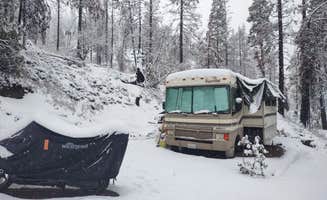
Seasonal weather changes: Temperatures can drop significantly at night, even in summer. "We went in early/mid May, before the weather shapes up, you can have the feeling of having the whole lake to yourself. Just be ready for some cold nights!" advises Daniel J. about Hume Lake.
Tips for camping with families
Weekday visits for quieter experience: Consider scheduling your trip Monday through Thursday. "Our site was very clean. Fire pits cleaned out, entire site was raked when we arrived. Site was nice large size, plenty of space," mentions Stephanie about her August stay at Wishon Village.
Short hiking options: Rancheria Campground offers accessible trails suitable for younger children. "A well maintained campground & walking distance from the lake. Standard but roomy sites with the usual fire ring/grill & picnic table, bathrooms are clean too. Multiple hiking trails from campground to museum, town or around the lake," notes Makenna R.
Look for sites with direct water access: Water features provide built-in entertainment for children. "We stayed in site 15 and it was very nice. Large site with plenty of room for trailer and two big tents. Very short walk down to Huntington Lake and was ideal for swimming with the kids," shares Steven S. about Deer Creek Campground.
Bring insect protection: Especially during late summer months, prepare for bees and mosquitoes. "There were meat bees, so make sure you bring a screen tent for cooking/eating," advises Malynda S. about Hume Lake.
Tips from RVers
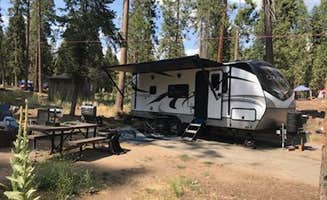
Campsite leveling requirements: Many mountain sites require additional equipment for proper setup. "The paved lots were so far from level that we didn't have enough leveling blocks. I am confident that these unlevel spots, G80 and G81, are the exception and not the norm," notes Doug about Kirch Flat.
Road accessibility concerns: Consider vehicle size when selecting campgrounds. "Tight roads throughout the site, wouldn't recommend a large trailer," advises Erik H. about Dorabelle Campground.
RV-friendly site selection: Some campgrounds offer better options for larger vehicles. "We have a 35 foot 5th wheel and the spots we like here are 37, 50-52, 38-41. We haven't stayed in any other sites so I'm not sure how they are for bigger trailers," recommends Tonya C. about Wishon Village.
Water and power availability: Full hookup options are limited but available. "We camped with full hookups. Nice store and hospitality center with food, drinks and stock of camp supplies," notes John G. about Camp Edison.













 Scout
Scout


