Route 66 kicks off in downtown Chicago and winds through Illinois farmland and classic small towns before reaching St. Louis. This first segment of the Route 66 road trip sets a nostalgic tone with roadside diners, giant vintage statues, and plenty of Americana. You’ll drive on historic two-lane highways past old filling stations and visit museums dedicated to the Mother Road’s glory days. It’s a leisurely cruise where each stop offers a story. By the time you cross the Mississippi River into St. Louis, you’ll have experienced the Midwest’s warm welcome and a snapshot of Route 66’s early history.
Segment Overview
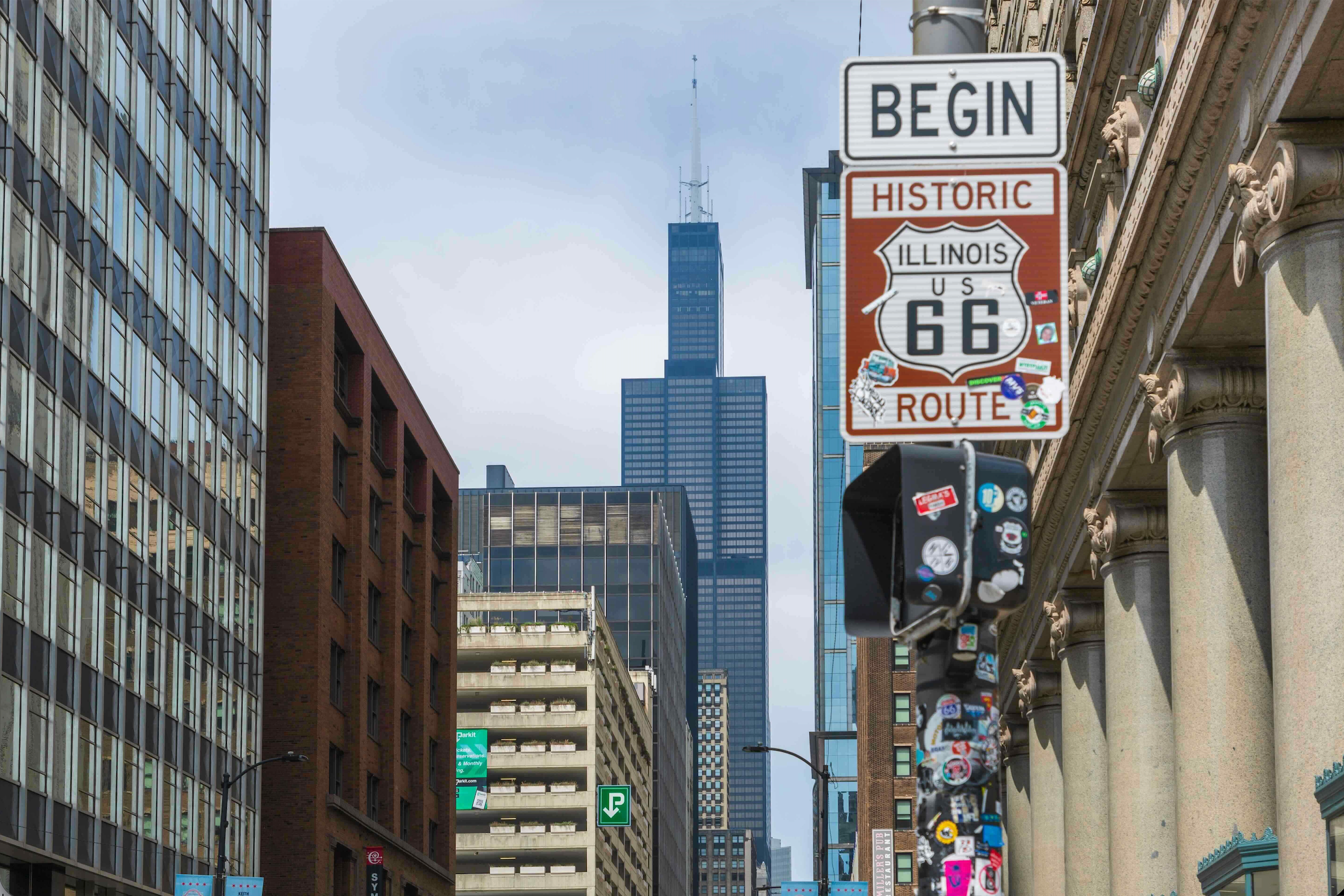
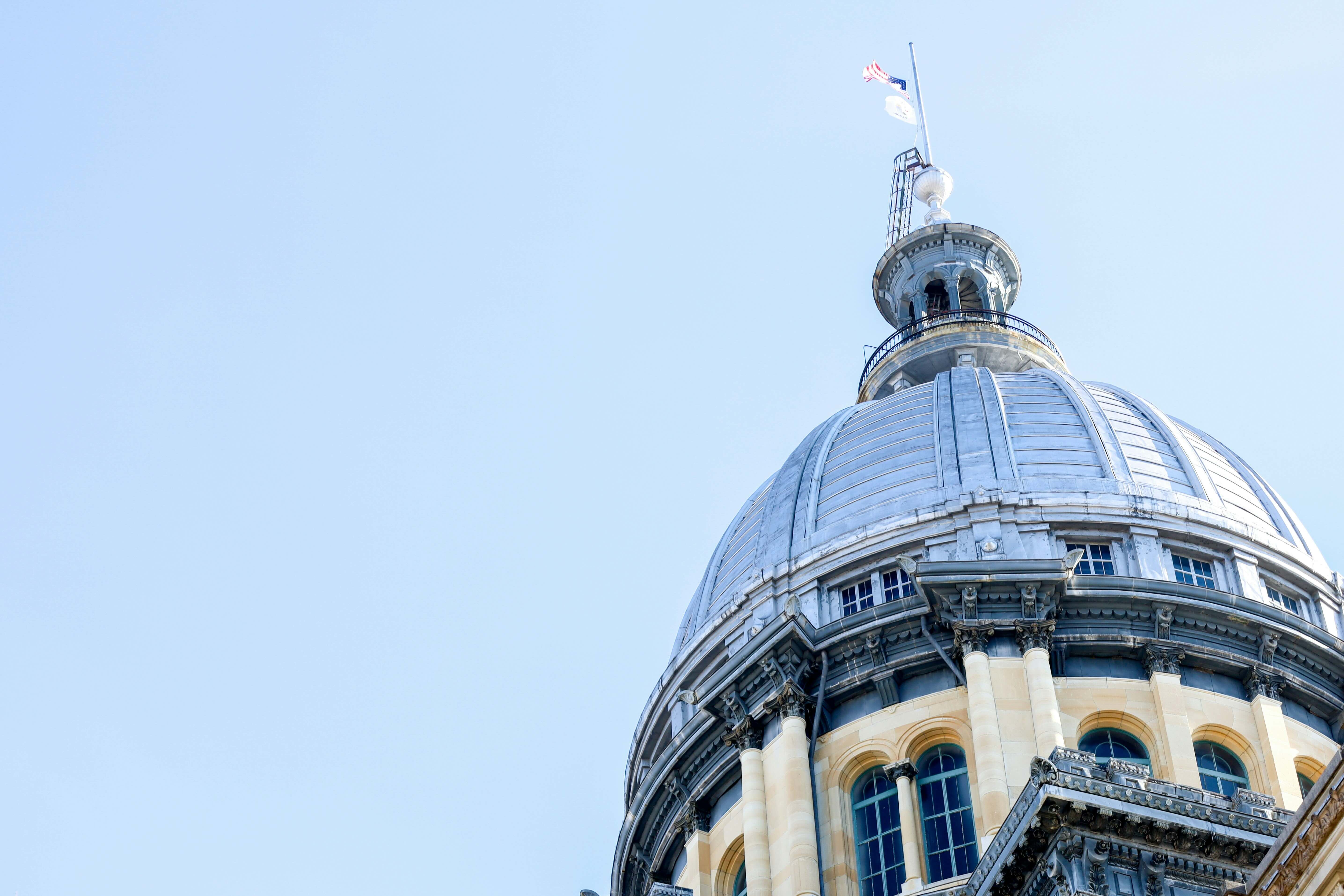
Chicago to St. Louis is about 300 miles of classic Americana. Starting at Chicago’s “Begin Route 66” sign on Adams Street, the road leads through Illinois communities that celebrate the Mother Road’s legacy. You’ll pass by roadside attractions like the Gemini Giant statue in Wilmington and the hall of fame museum in Pontiac. Springfield provides a dose of Abraham Lincoln history and the original Cozy Dog Drive In. The drive is easy-going, with flat rural scenery and frequent small towns. You’ll end the segment by crossing the Mississippi River into St. Louis, Missouri, marking a major milestone on the journey west.
Quick Stats
| Start | Chicago, IL |
| End | St. Louis, MO |
| Distance | ≈300 miles |
| States | Illinois, Missouri |
| Recommended Duration | 3 days |
| Drive Time | 5–6 hours (without stops) |
| Best Seasons | Late Spring, Early Fall |
Day-by-Day Suggestions (3 Days)
Day 1
Begin in Chicago at the official Route 66 starting point (Adams St. and Michigan Ave.). Snap a photo with the “Route 66 Begin” sign, then head out of the city via Ogden Avenue. In Joliet, stop at the old Joliet Prison Park for a quick look at the historic prison made famous in The Blues Brothers. Farther south in Wilmington, grab a photo with the giant spaceman statue known as the Gemini Giant. Continue through Pontiac to see the Illinois Route 66 Hall of Fame & Museum (free admission, open daily) and the many colorful wall murals downtown. Aim to reach Springfield by evening. Springfield offers classic eats at the Cozy Dog Drive In (home of the corn dog on Route 66) and plenty of Lincoln history. Camp overnight just outside town – options include Lincoln’s New Salem Historic Site Campground (a quiet wooded state park with an 1830s living history village) about 20 minutes northwest of the city.
Day 2
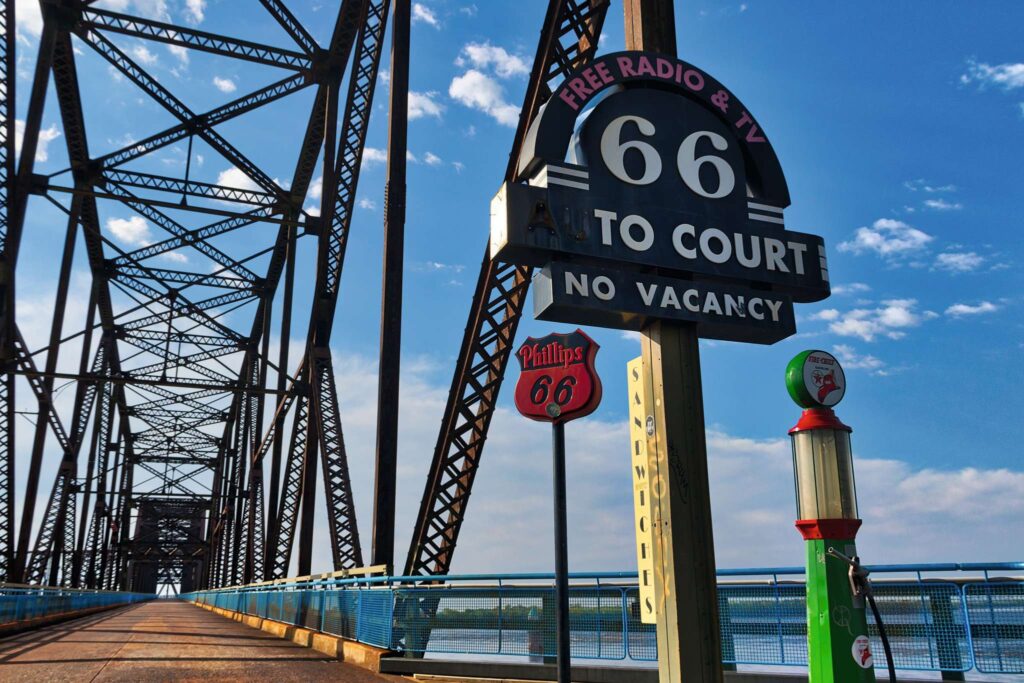
Spend your morning exploring Springfield. You can tour Abraham Lincoln’s home preserved at the Lincoln Home National Historic Site (free tickets at the visitor center) and visit Lincoln’s Tomb at Oak Ridge Cemetery. Back on Route 66, head south and consider a lunch stop in Litchfield at the Ariston Café – a 1920s-era Route 66 restaurant known for its neon sign and homemade pie. In the afternoon, continue through small towns like Staunton (check out Henry’s Rabbit Ranch, a quirky tribute to Route 66 and VW “rabbits”). As you approach the Mississippi River, detour to the Old Chain of Rocks Bridge near Granite City, IL. This historic 1929 Route 66 bridge is now a pedestrian/bike path offering great views over the water and a unique 30-degree turn midway across. Cross into Missouri either via the I-270 bridge or Martin Luther King Bridge into St. Louis. Reward yourself with a classic frozen custard from Ted Drewes (a legendary Route 66 stop on Chippewa Street in St. Louis city). That evening, camp on the outskirts of St. Louis for easy access to downtown – for example, Horseshoe Lake State Park in Illinois (20 minutes from downtown) offers primitive lakeside sites, or the St. Louis West / Historic Route 66 KOA in Eureka, MO (30 minutes west of the city) provides full amenities.
Day 3
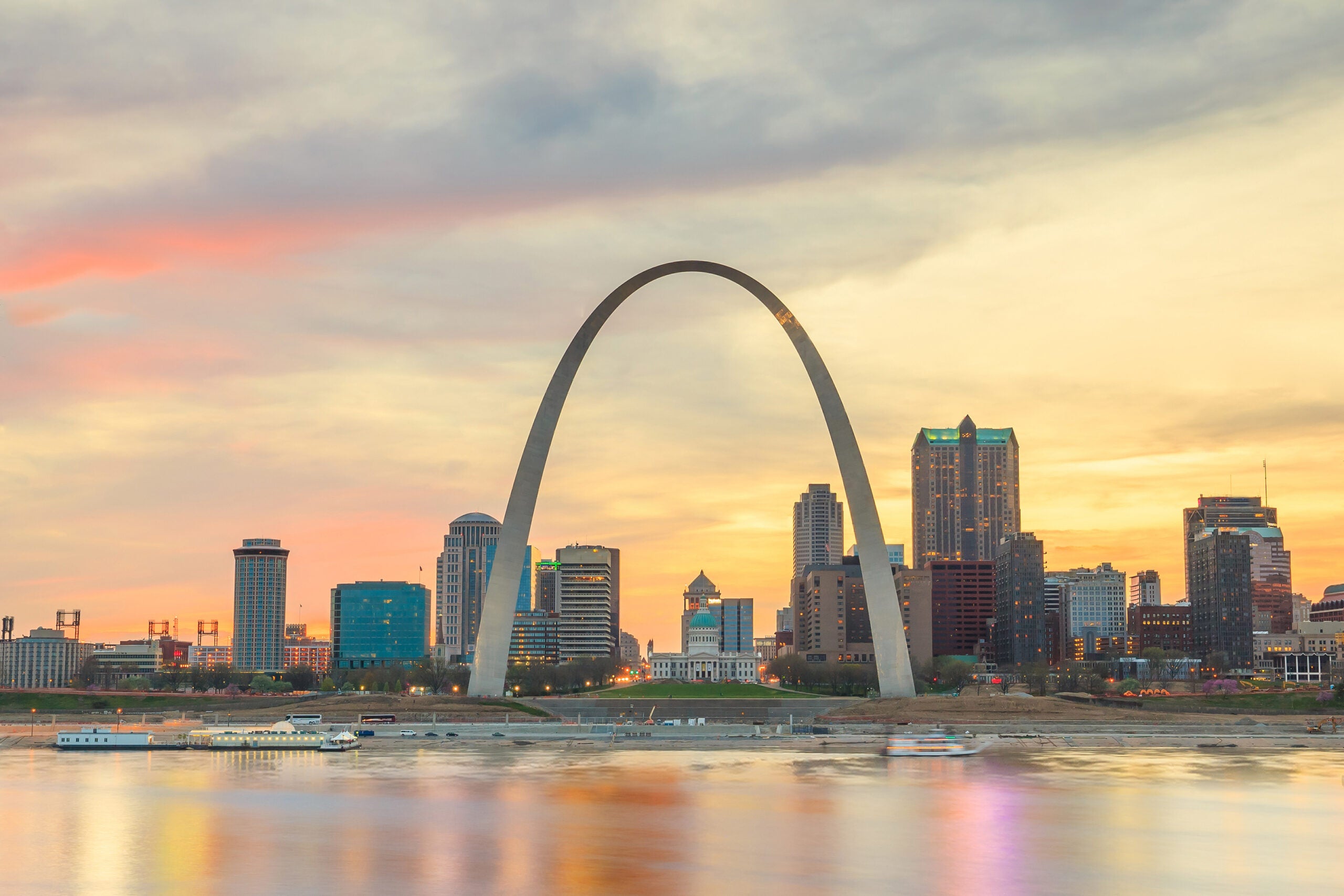
Spend a day enjoying St. Louis, the gateway to the West. Start with the iconic Gateway Arch National Park on the riverfront – you can ride the tram to the top of the 630-foot Arch for sweeping views. Adjacent is the Museum of Westward Expansion (free entry) underneath the Arch, which shares context about why St. Louis is called the “Gateway City.” Next, consider visiting the National Museum of Transportation (which has a large collection of historic cars and Route 66 exhibits) or take a fun detour to the City Museum – a fantastical repurposed warehouse full of slides and interactive art (great for kids and adults alike, though not Route 66-related, it’s a famous St. Louis attraction). If you want more Mother Road history, stop by Route 66 State Park in Eureka just west of St. Louis; its visitor center has Route 66 memorabilia and the park sits on the site of a former roadside town. By the end of Day 3, you’ll have completed the Illinois segment of the Route 66 road trip. Enjoy some St. Louis barbecue for dinner and rest up. The next leg will launch you into Missouri’s rolling hills and even more classic Americana.
Campgrounds to Consider
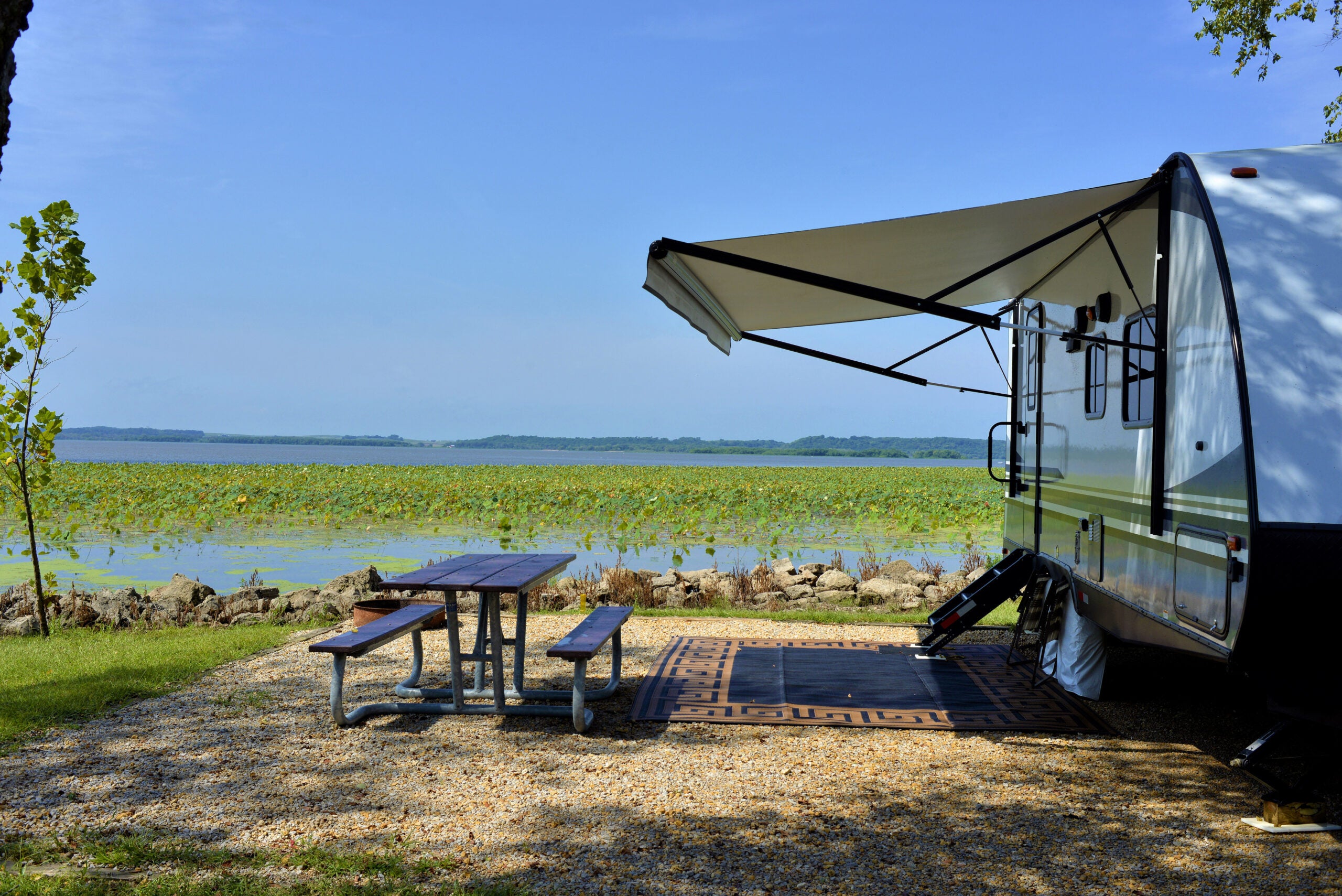
- Lincoln’s New Salem Historic Site Campground – Petersburg, IL. Spacious wooded campground with clean showers, set in a state historic site that recreates an 1830s village where Abraham Lincoln lived. A peaceful overnight that’s a short drive off Route 66 near Springfield.
- Double J Campground & RV Park – Chatham, IL. Just south of Springfield off I-55 (Route 66 alignment), this private campground is highly rated for its well-maintained facilities. It offers full hookups, a pool, mini-golf, a dog park, and easy access to Springfield attractions (only 10 minutes away).
- Country Bend Campground – Litchfield, IL. A family-friendly campground right off Route 66 (I-55 Exit 60) with tent sites, RV sites, and cabins. Features a swimming pool, fishing ponds, a jumping pillow for kids, and holiday weekend activities. Close to the Litchfield Route 66 Museum and Ariston Café.
- Horseshoe Lake State Park – Granite City, IL. Primitive campground around a pretty oxbow lake just 13 miles from downtown St. Louis. No electric hookups or showers (water and pit toilets available), but it’s quiet and scenic. Great for tent camping, fishing, and bird watching; open seasonally May–September.
- St. Louis West / Historic Route 66 KOA – Eureka, MO. A full-service KOA campground 30 minutes west of St. Louis (near Six Flags). It has RV sites, tent sites, and cabins, plus a pool, dog park, and playground. This is a convenient base if you want a few more amenities while visiting St. Louis and preparing to continue the road trip.
- Onondaga Cave State Park – Leasburg, MO. **(Bonus – just beyond St. Louis)** A well-reviewed Missouri state park campground about an hour southwest of St. Louis, along the Route 66 corridor as you head toward the Ozarks. Known for its guided cave tours and shaded riverside campsites, it’s an excellent first night stop into Missouri if you drive a bit past St. Louis. The campground has clean facilities, electric sites, and access to hiking trails and the Meramec River.
Top Activities & Attractions
- Natural Highlights: Explore prairieland and riverside parks on this segment. The Midewin National Tallgrass Prairie (near Joliet) offers hiking among wildflowers and roaming bison just a short hop from the route. Horseshoe Lake State Park (Granite City) provides a peaceful spot for fishing and picnics with views of migratory birds, only minutes from the city. And don’t miss the Mississippi River vistas – walking out on the Old Chain of Rocks Bridge gives you a unique outdoor experience right on the Mother Road.
- Cultural & Historic Sites: Illinois prides itself on Route 66 history. The Route 66 Association Hall of Fame & Museum in Pontiac is filled with memorabilia (from neon signs to a VW bus on the roof) and is a must-stop to appreciate the road’s heritage. In Springfield, dive into American history with Lincoln’s legacy – tour the preserved 1860s neighborhood at the Lincoln Home NHS and pay respects at Lincoln’s Tomb. As you reach St. Louis, the Gateway Arch and its museum commemorate the city’s role in westward expansion. Also in St. Louis, keep an eye out for old Route 66 landmarks like the Ted Drewes Frozen Custard stand (operating since the 1930s) and the retro neon signs along Chippewa Street, which was an original Route 66 alignment.
- Unique Roadside Stops: Part of the charm of a Route 66 road trip is the quirky Americana. On this leg you’ll find gems like the Gemini Giant – a 30-foot-tall fiberglass astronaut statue outside the Launching Pad diner in Wilmington, perfect for a selfie. In Atlanta, IL, there’s a towering “Bunyon Giant” holding a hot dog, another classic photo-op. Don’t pass up Litchfield’s Ariston Café – one of the oldest restaurants on Route 66, where you can still slide into a booth for a slice of pie and imagine travelers in the 1930s doing the same. For offbeat fun, check out Henry’s Rabbit Ranch in Staunton, featuring VW Rabbits “burrowing” in the ground and real rabbits too. And just outside St. Louis in Collinsville stands the kitschy-cool World’s Largest Catsup Bottle (a water tower painted like a ketchup bottle) – a quick and quirky stop to stretch your legs.
Travel Tips for This Segment
- Navigation: Illinois has done a good job signposting Historic Route 66, but in urban areas like Chicago and St. Louis the old road can be hard to follow. A good atlas or offline map is handy. The Dyrt’s trip planner can map campgrounds along the route, and with The Dyrt PRO you can download maps for offline use – useful when cell service drops in rural stretches.
- Road Conditions: Most of this segment parallels I-55 on well-paved two-lane roads. Standard vehicles and RVs will have no trouble. Traffic is light outside the Chicago metro area. If you start in Chicago, try to depart after rush hour to avoid congestion. In small towns, watch for lower speed limits and the occasional farm vehicle on the road.
- Fuel & Services: You won’t go more than 30-40 miles without gas or food in Illinois – there are plenty of gas stations in towns like Joliet, Bloomington/Normal, Springfield, etc. However, smaller mom-and-pop service stations along the historic alignments may have limited hours. It’s wise to refill your tank in larger towns, especially if driving at night. Also note that many Route 66 museums and visitor centers in these towns are closed in the evenings or on certain weekdays, so plan stops accordingly.
- Weather & Seasons: Spring and fall offer mild temperatures ideal for driving and camping. Summer can be hot and very humid in Illinois; pack plenty of water and consider campgrounds with electric hookups so you can run a fan or AC. Sudden thunderstorms are common in summer – keep an eye on the forecast and have a rain plan for your gear. In late fall or winter, some attractions (and water systems at campgrounds) shut down for the season, and snow or ice can occasionally affect roads in northern Illinois. Always check ahead if traveling off-peak.
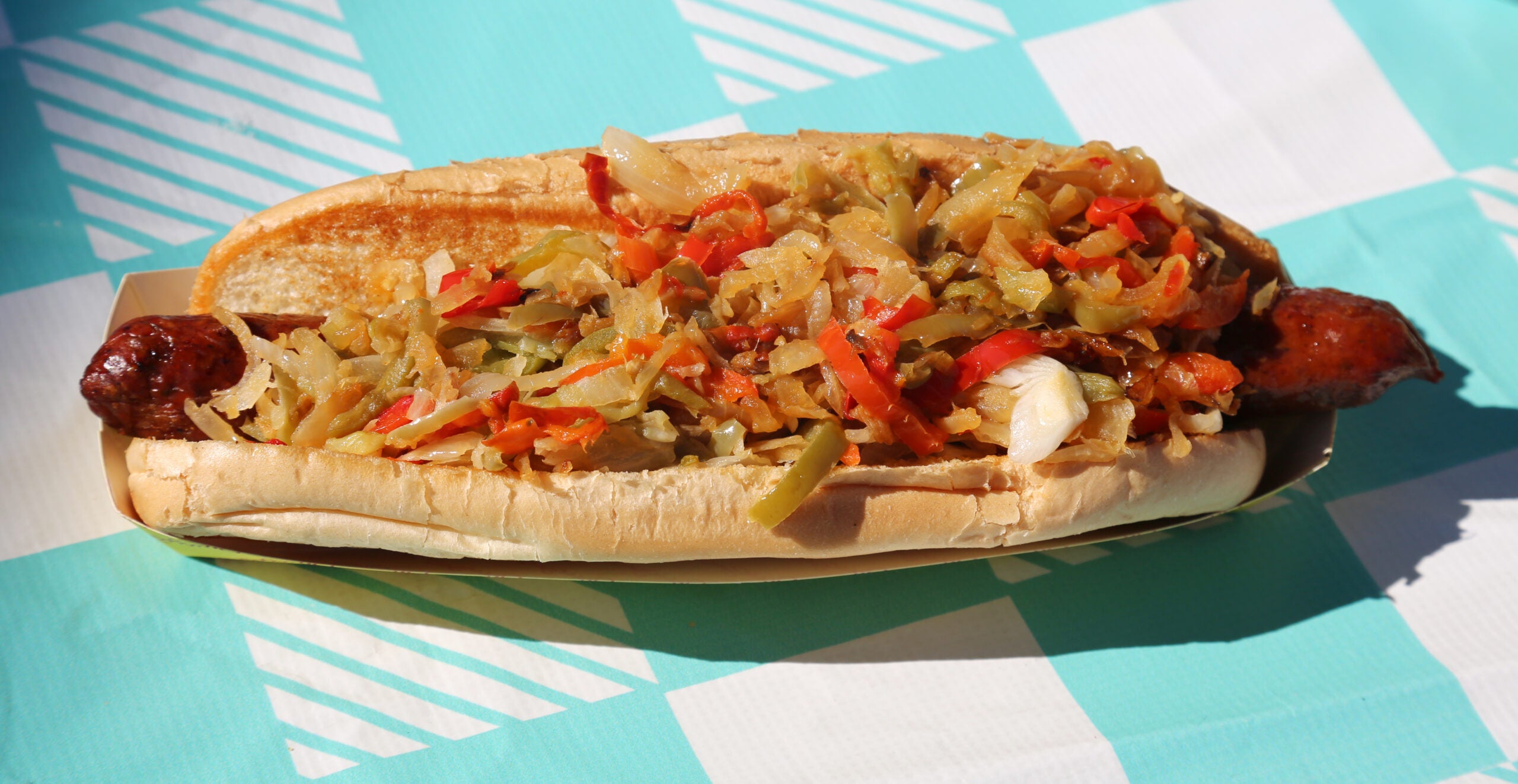
- Food & Local Eats: Embrace the classic diners and drive-ins. Many of these towns have a signature Route 66 restaurant that’s been serving travelers for decades. In addition to the Cozy Dog in Springfield and Ariston Café in Litchfield, you might grab a slice at Lou Malnati’s Pizzeria in the Chicago area before leaving, or a Slinger (a famous St. Louis diner dish) once you arrive in St. Louis. Trying local specialities is part of the fun. Most of these eateries are casual and family-friendly. No need to dress up – come as you are from the road.
Additional Segments & Resources
This Chicago-to-St. Louis stretch is just the beginning of the Mother Road. When you’re ready to continue, check out the next segment guide (St. Louis through Missouri and Kansas) and our full Route 66 road trip itinerary for tips on the entire journey. You can also reference the Illinois Route 66 Scenic Byway official site for interactive maps and an event calendar – handy if you want to time your visit with local festivals or car shows. Lastly, consider trying The Dyrt PRO for this trip. It offers an easy way to find campgrounds along Route 66, plus offline access to camp info and maps (so you won’t worry about losing signal when finding your night’s camp). Here’s to a memorable drive on the Mother Road – enjoy every mile!
The Dyrt is the only camping app with all of the public and private campgrounds, RV parks, and free camping locations in the United States. Download now for iOS and Android.Popular Articles:
Articles on The Dyrt Magazine may contain links to affiliate websites. The Dyrt receives an affiliate commission for any purchases made by using such links at no additional cost to you the consumer.