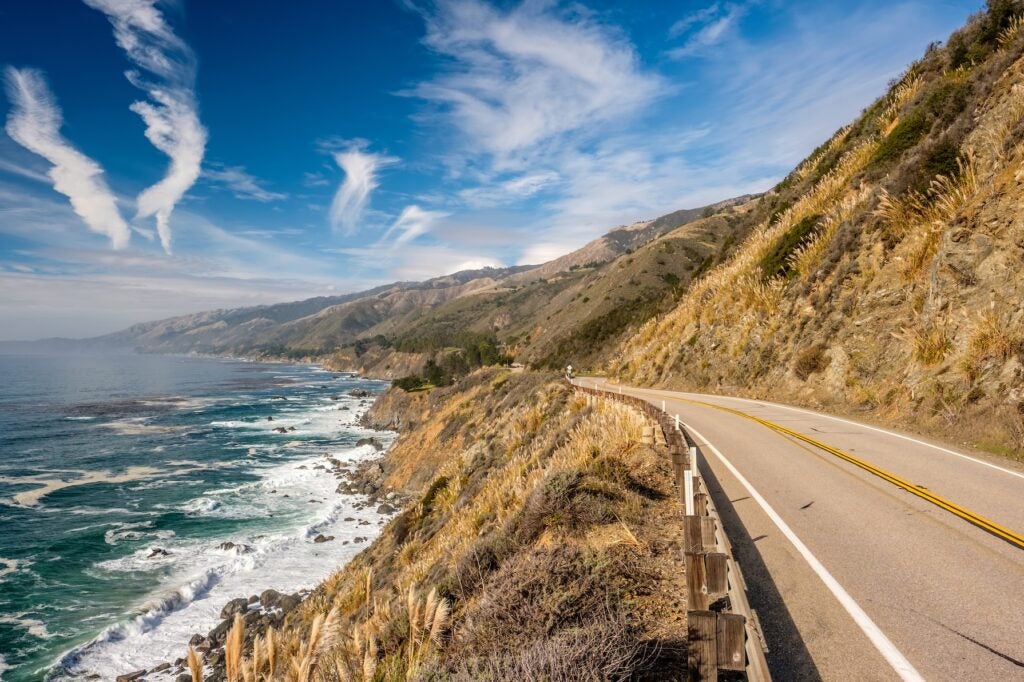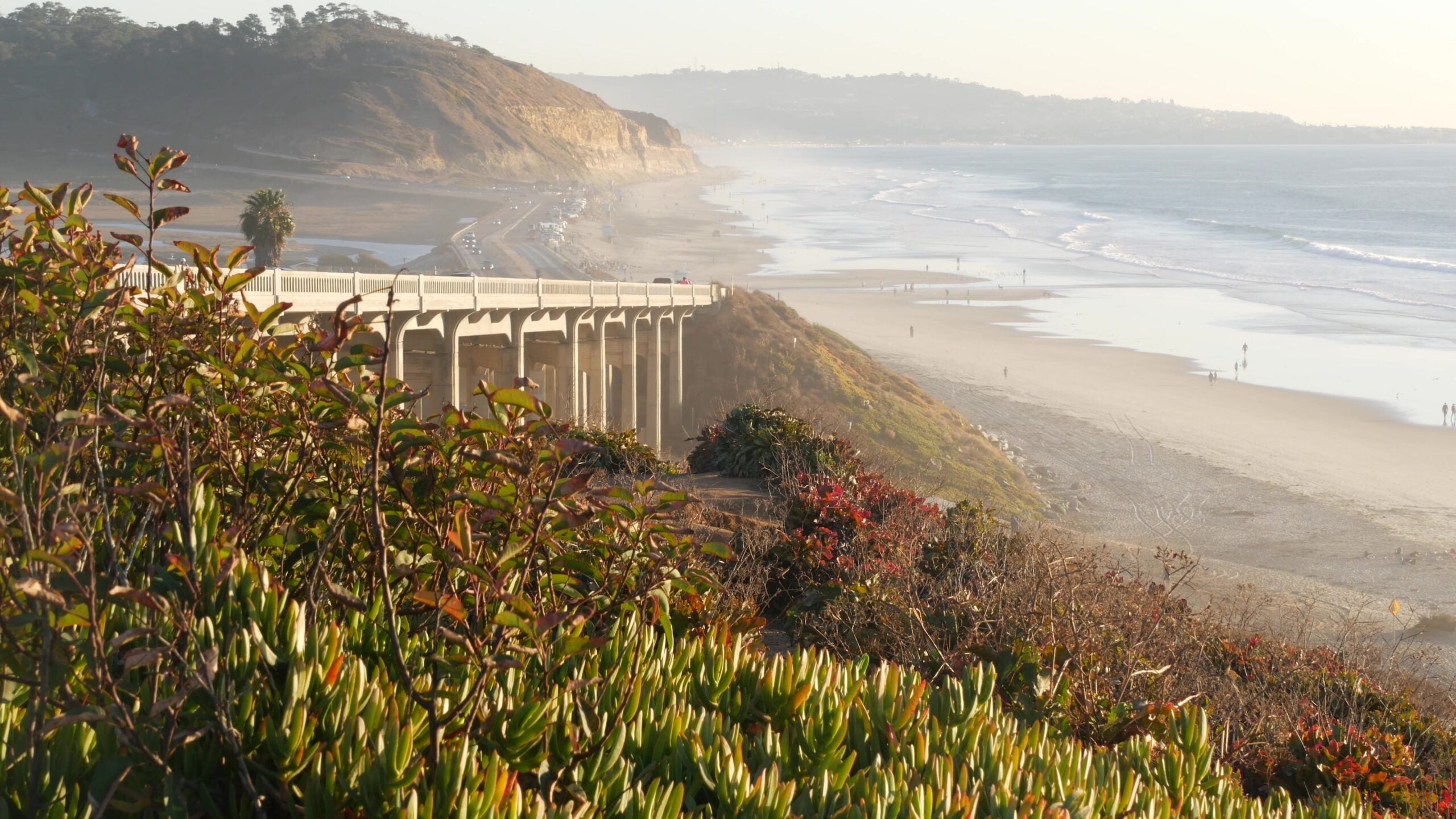
Heading south from Santa Barbara, the Pacific Coast Highway shifts into laid-back Southern California mode. Ocean views line much of this 220-mile stretch as you cruise past golden beaches, surf towns, and city icons. One moment you’re winding below coastal bluffs; the next, you’re on city boulevards with beach cruisers and palm trees. This segment mixes classic SoCal scenery with urban energy, from Malibu’s waves to San Diego’s skyline. In about four days, you can savor short driving days with long beach stops, sample fresh fish tacos, and camp by the surf. It’s a sun-drenched finale to the Pacific Coast Highway road trip adventure.
For broader context and planning beyond this section, see the Pacific Coast Highway Roadtrip Guide.
Segment Overview
Santa Barbara to San Diego packs in Southern California’s highlights in roughly 218–220 miles. The route loosely follows US-101 and CA-1 (Highway 1) along the coast before merging onto historic US-101 toward San Diego. Expect a blend of scenic shoreline and busy city roads – Highway 1 alternates between beachside cliffs and urban streets on this leg. With an easy pace of 4 days, you’ll have time for beach walks, surf sessions, coastal hikes, and explorations of vibrant beach towns. This segment is driveable year-round, with mild weather most months (watch for winter rains or coastal fog). It’s an accessible trip for any vehicle, though be ready for city traffic and plan fuel stops before the few longer gaps. In short: a classic SoCal road trip flavor to cap off the Pacific Coast Highway journey.
| Segment Start / End: | Santa Barbara, CA to San Diego, CA |
| Distance: | ≈220 miles (355 km) |
| Direct Drive Time: | About 4–5 hours (without heavy traffic) |
| Recommended Duration: | 4 days (short drives with ample stops) |
| Primary Routes: | US-101, CA-1 (PCH), then I-5/Historic US-101 into San Diego |
| Best Seasons: | Year-round (warm summers, mild winters; marine fog May–Jun.) |
| Notable Highlights: | Malibu beaches, Santa Monica Pier, Orange County surf towns, La Jolla coves |
| Main Challenges: | Urban traffic (Los Angeles), limited alternate routes through Camp Pendleton |
Travel Lighter with Lightship RV
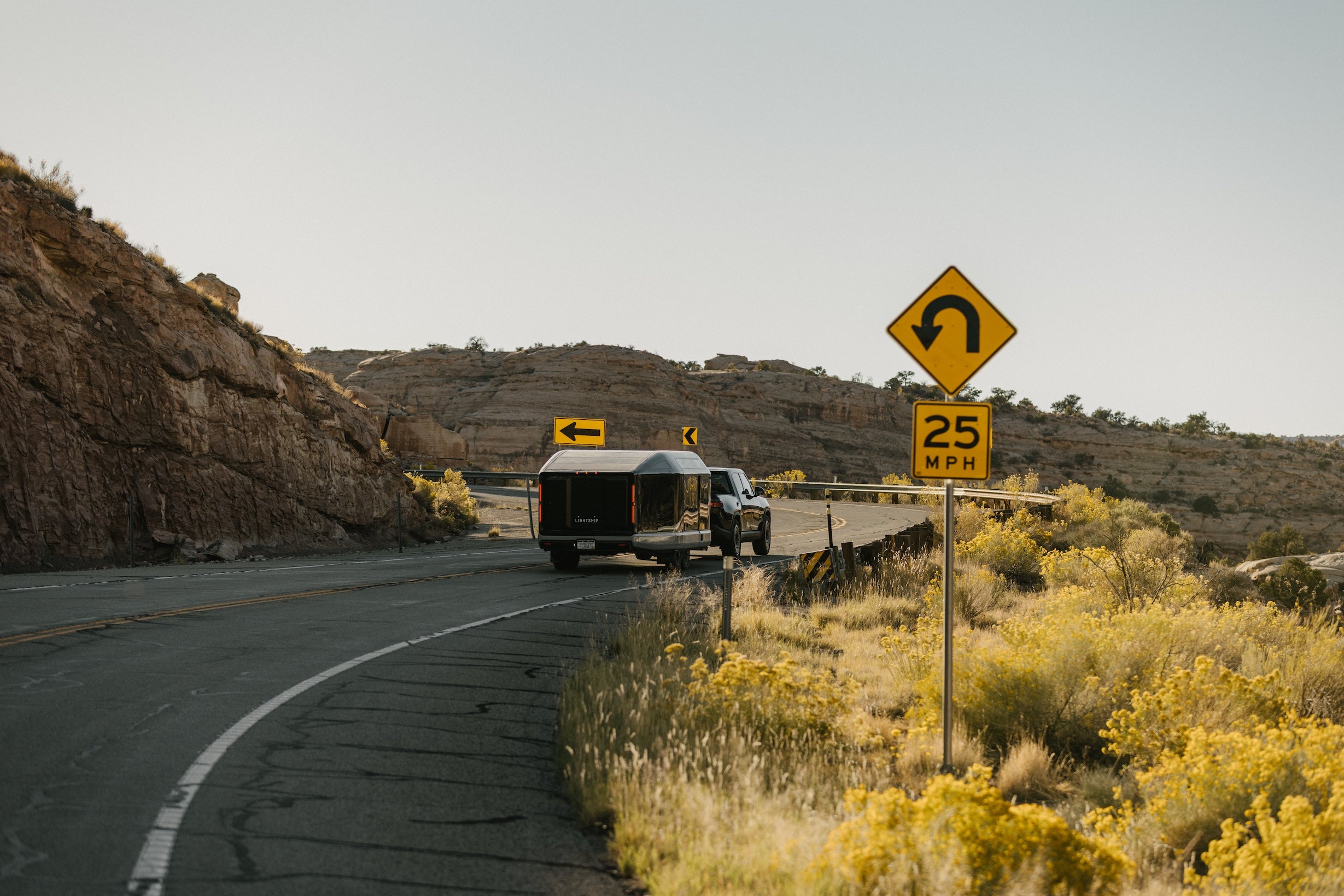
Planning an RV road trip? Lightship is rethinking what’s possible on the road. The all-electric, self-propelled Lightship AE.1 is designed with TrekDrive™ technology to help extend range and make longer routes feel more approachable, especially on winding roads like California’s Highway 1. It’s built for destinations that sit farther between charging or fuel stops, and for camping that feels quieter, lighter, and more connected to the places you’re exploring.
Day-by-Day Itinerary
Day 1: Santa Barbara to Malibu
Begin in Santa Barbara, perhaps with a morning stroll along its waterfront or a visit to the Old Mission before hitting the road. Head south on US-101, skirting the coast to Ventura (30 miles). Ventura’s last big-city services make a good fuel or grocery stop. Beyond Ventura, Highway 1 splits off through farmland and hugs the shoreline by Point Mugu. Stretch your legs at Point Mugu Rock or stroll the sand at Thornhill Broome Beach (a primitive beach campground) for a dose of salt air. The drive into Malibu winds between the Pacific and the Santa Monica Mountains – keep an eye out for surfers at Rincon and County Line breaks on the way. By afternoon, explore Malibu’s highlights: the tide pools and sea caves at El Matador State Beach or the iconic Malibu Pier near Surfrider Beach. Grab a casual seafood lunch at Neptune’s Net (a local roadside staple). Overnight options include camping at Leo Carrillo State Park on Malibu’s western edge or finding lodging in Malibu/Santa Monica. Fuel up in Malibu if needed, as gas stations are spaced out along this rural stretch.
Day 2: Malibu to Orange County
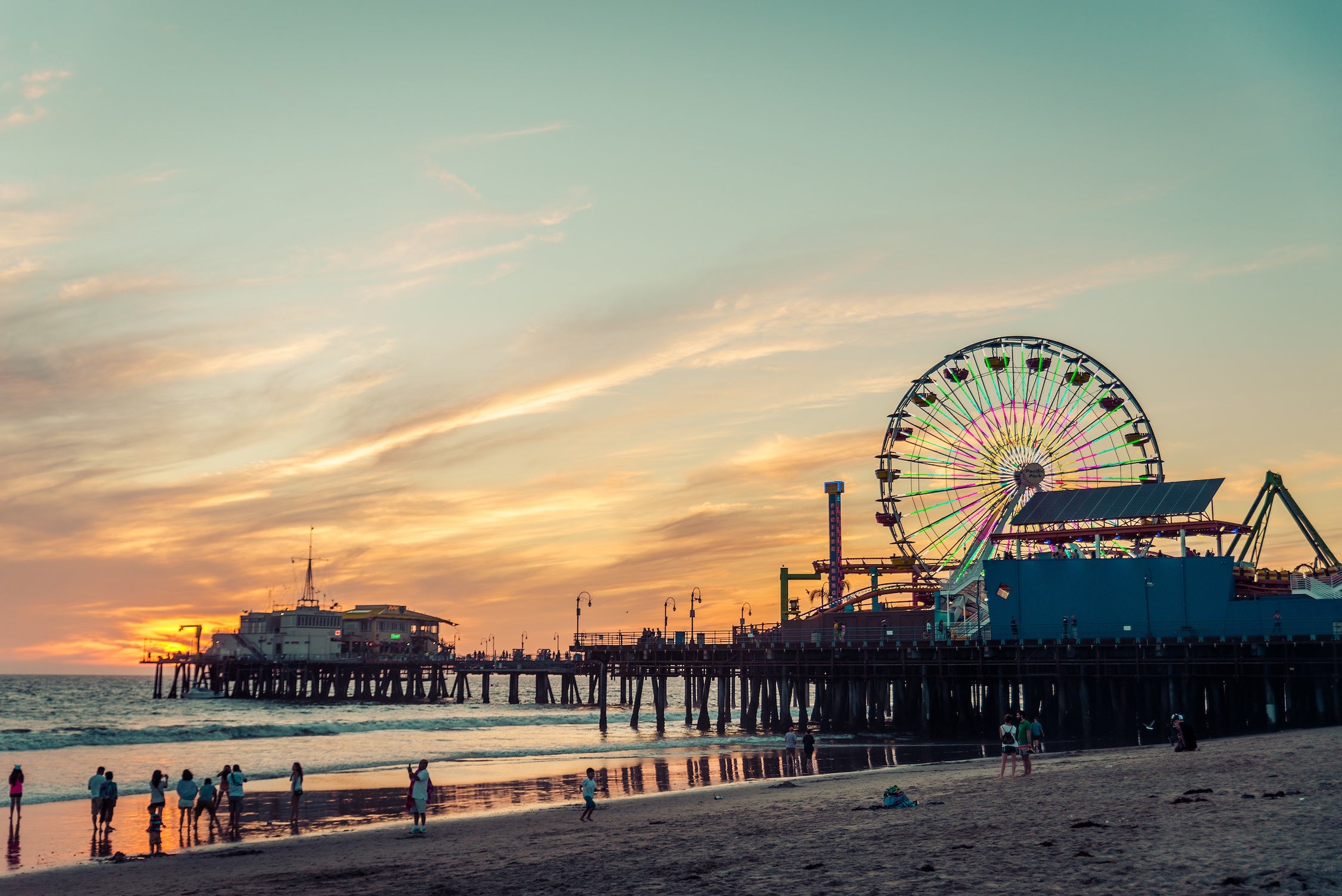
Start Day 2 with a classic coastal sunrise. As you continue from Malibu into Santa Monica, consider a stop at the Santa Monica Pier – it’s the historic terminus of Route 66 and offers a mini amusement park and ocean views from the Ferris wheel. Rolling south, you’ll pass through Venice Beach (worth a look for its eccentric boardwalk scene and Muscle Beach gym). Highway 1 then weaves through city streets and LAX airport’s outskirts before rejoining the shore in the South Bay beach cities (Manhattan, Hermosa, Redondo). Enjoy a coffee or picnic lunch by the pier at Hermosa Beach or Redondo Beach. By midday, you’ll navigate the long arc of greater Los Angeles – expect slower traffic, so take it easy and soak in the passing beach town vibes. As you enter Orange County via Long Beach/Seal Beach, the route (now PCH/Highway 1) becomes the coast-hugging Pacific Coast Highway through Orange County. Cruise past the famous surf breaks of Huntington Beach (“Surf City USA”) and consider a stop at the International Surfing Museum or a walk on Huntington’s long pier. Further south, Newport Beach and Laguna Beach offer upscale coastal charm – Laguna’s coves and art galleries are a nice detour if time permits. By late afternoon, reach Dana Point, a harbor town known as the “Dolphin & Whale Capital of the World” with year-round whale watching tours. This is officially the southern end of Highway 1. Spend the night around Dana Point or neighboring San Clemente. Campers can snag a site at Doheny State Beach (beachfront camping by Dana Point Harbor) or San Clemente State Beach on the bluff. There are plenty of dining options in Dana Point’s harbor or San Clemente’s downtown (try some fresh fish tacos or a classic SoCal burrito). Before turning in, make sure to top off your gas tank – the next stretch has no services through Camp Pendleton.
Day 3: Orange County to North San Diego County
Leaving Dana Point, you’ll join I-5 South for about 25 miles to bypass the Marine Corps Base Camp Pendleton (no public coastal road traverses this section). Enjoy the ocean panorama from the interstate as you cross into San Diego County. Exit in Oceanside, the first beach city in North County San Diego. Take time to walk the Oceanside Pier – it’s one of the longest wooden piers on the West Coast, often lined with anglers and pelicans. The nearby California Surf Museum downtown is a neat quick stop for surf culture buffs.
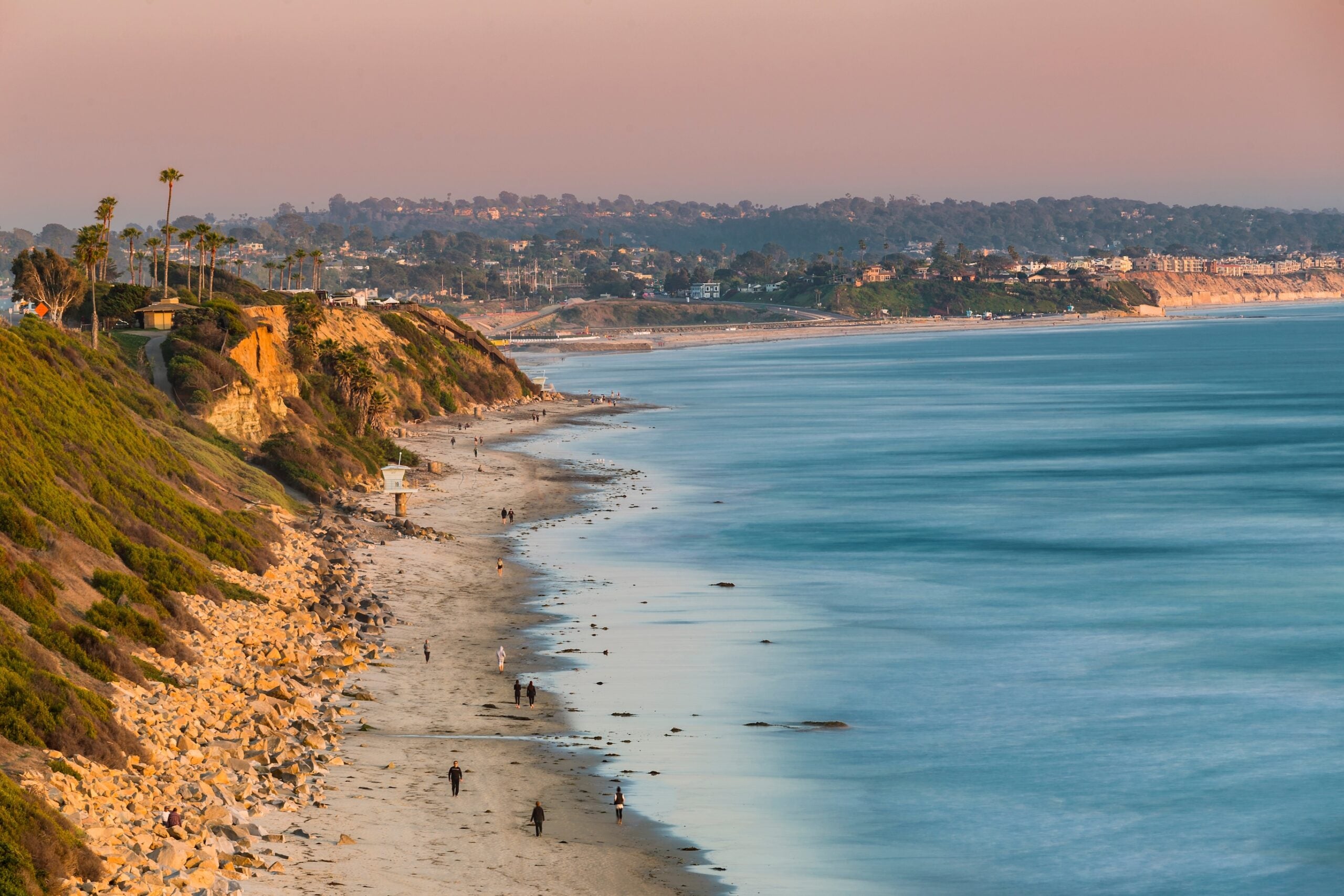
Continue along Coast Highway (old U.S. 101) through Carlsbad, a friendly beach town with a walkable village area. Families might detour a couple miles inland here to spend an afternoon at LEGOLAND California (in Carlsbad) for theme-park fun. Otherwise, keep cruising through Carlsbad’s beachfront and south into Encinitas, a classic Southern California surf town. Stop at Encinitas’ Swami’s Beach overlook to watch surfers carve the waves made famous by the Beach Boys. Just across the street you can visit the peaceful Self-Realization Fellowship Meditation Gardens (free entry, open to the public) for ocean-view gardens and koi ponds.
As evening approaches, set up camp at San Elijo State Beach in nearby Cardiff-by-the-Sea – a bluff-top campground with stairs down to the sand – or at South Carlsbad State Beach Campground if you passed it earlier. Both offer oceanfront sites where the sound of crashing waves will lull you to sleep.
Not camping? Encinitas has cozy inns and plenty of eateries (try a local brewpub or a healthy café bowl in downtown Encinitas). As always, fuel is available frequently through these beach towns, so you’re never far from gas or supplies on Day 3.
Day 4: North County to San Diego
Your final day is a short but sweet drive into San Diego, leaving ample time for activities. From Encinitas, continue down Historic Coast Hwy 101 through Solana Beach (known for its design district and live music venue, the Belly Up) and Del Mar. In Del Mar, consider a morning hike at Torrey Pines State Natural Reserve just south of town. The reserve protects the nation’s rarest pine tree in a wild coastal bluff setting. Several trails (1–3 miles) lead to viewpoints over the ocean and down to the beach at Torrey Pines.
Next, swing into La Jolla, an upscale seaside community within San Diego known for its dramatic cove. Visit the La Jolla Cove and Children’s Pool to see sea lions and harbor seals basking on the rocks (keep a respectful distance, they’re wild!). Adventurous travelers can also kayak the La Jolla Sea Caves or snorkel among the abundant marine life in La Jolla’s protected underwater park.
Leaving La Jolla, Highway 101 merges into city streets as you enter San Diego proper. Before heading downtown, you might detour to Coronado Island via the sweeping Coronado Bridge for a look at the famous Hotel del Coronado and a final stroll on a wide sandy beach with views back toward the San Diego skyline. Finally, arrive in downtown San Diego, where this epic Pacific Coast Highway road trip culminates.
San Diego offers a ton of possibilities to celebrate your journey’s end: explore the historic Gaslamp Quarter’s restaurants, wander the extensive gardens and museums of Balboa Park (home to the San Diego Zoo), or tour the USS Midway Aircraft Carrier Museum on the bay. Take some time here if you can, as America’s Finest City has enough sights and sunshine to keep you busy for days.
Campgrounds to Consider
- El Capitán State Beach – Santa Barbara area. Camp beneath sycamores on bluffs above a sandy beach. Tent and RV sites; no hookups but hot showers available. Popular for ocean views and easy beach access.
- Thornhill Broome Beach (Point Mugu SP) – Ventura/Malibu coast. Primitive beachfront camping literally on the sand, right along PCH. Fire rings and pit toilets, but no hookups or shade. Fall asleep to waves under the stars – just be prepared for wind and highway noise at times.
- Leo Carrillo State Park – Malibu. Coastal canyon campground with access to a lovely stretch of beach. Tide pools and sea caves are a short walk away. Family-friendly spot offering both tent sites and RV sites (some with electrical hookups). Reserve ahead for summer weekends.
- Doheny State Beach – Dana Point. Oceanside camping at a historic SoCal surf beach. RV and tent sites are steps from the sand and Dana Point Harbor. No sewer hookups, but there are restrooms and outdoor showers. Fills fast due to its convenient location for beach activities and harbor restaurants.
- San Clemente State Beach – San Clemente. Camp on bluffs overlooking the ocean in this popular state beach campground. Paved sites (with water & electric in some loops) suit RVs or tents. A trail leads down to a wide beach that’s great for swimming and surfing. Close to San Clemente’s shops and cafés.
- San Elijo State Beach – Cardiff-by-the-Sea (Encinitas). Extremely popular bluff-top campground in North County San Diego. Tent and RV sites with unparalleled ocean views. Stairs down to a surf break and beach. Amenities include hot showers and a small camp store. Walkable to local coffee shops and eateries in Cardiff. Book 6 months in advance for summer.
- South Carlsbad State Beach – Carlsbad. Another bluff-top campground along the coast, just south of Carlsbad. Features over 200 sites (some hook-ups) with picnic tables and fire rings. Known for gorgeous sunsets and a long beach below the bluffs. No built-in shade – bring a canopy. Great for RVs and tents; summer weekends sell out early.
- Campland on the Bay – San Diego (Mission Bay). A large private campground/resort within the city, ideal if you want a base in San Diego at the trip’s end. 500+ sites with full hookups, tent areas, and tons of amenities: pools, hot tubs, a marina, game arcade, and even an on-site restaurant. Very family-friendly and lively. It’s not wilderness camping, but you’re minutes from San Diego beaches and attractions.
Top Activities & Attractions
Beaches & Coastal Towns
This segment shines when it comes to beach life. In Malibu, visit Surfrider Beach by the pier to watch longboarders on one of California’s most famous waves. Further along, Santa Monica Beach & Pier offers a mix of beach day fun and carnival-style rides (don’t miss the historic carousel and solar-powered Ferris wheel). On Orange County’s coast, Huntington Beach boasts a lively scene with surf competitions and evening beach bonfires. Stroll Main Street for surf shops and grab a burger at Ruby’s Diner at the end of the pier. Down in Laguna Beach, explore coves like Crystal Cove State Park or Shaw’s Cove for tide pooling and snorkeling in clear waters. As you near San Diego, the village of La Jolla is a must-stop: its picturesque La Jolla Cove is great for spotting sea lions and photographing the dramatic coastline. Each town along the way has its own vibe, from the artsy flair of Laguna to the laid-back surf culture of Encinitas. Take time to park the car, wander the beachfront promenades, and soak up that SoCal sun.
Outdoor Recreation & Wildlife
The opportunities to get outside are endless. Hikers can tackle trails in the Santa Monica Mountains above Malibu – for instance, the Solstice Canyon Trail (about 2.6 miles round-trip) leads to a waterfall and the ruins of an old ranch house amid lush canyon scenery. For a unique coastal hike, head to Torrey Pines State Natural Reserve near La Jolla, where several short trails wind through windswept bluffs and rare pine groves to viewpoints overlooking the Pacific. Wildlife lovers should keep eyes peeled for marine life: pods of dolphins often play just beyond the breakers, and from December through April migrating gray whales can be spotted spouting offshore as they travel between Alaska and Baja. Consider joining a whale watching cruise out of Dana Point – the town’s harbor is famed for its frequent dolphin and whale sightings (blue whales even visit in summer). In San Diego’s La Jolla Ecological Reserve, you can rent a kayak or stand-up paddleboard to explore sea caves and maybe encounter harmless leopard sharks in the shallow coves during summer. Whether it’s surfing the consistent waves (with lessons available at spots like Huntington or Oceanside), cycling along beach paths, or watching sunset from a coastal bluff, outdoor recreation is a highlight of this segment.
History & Culture
Amid all the beach fun, there are plenty of cultural and historic gems along the route. In Santa Barbara (the segment’s start), you have the Old Mission Santa Barbara, founded in 1786, which is worth a visit if you didn’t catch it earlier. Its twin bell towers and rose gardens showcase California’s Spanish heritage. Further south, the city of San Juan Capistrano (just inland from Dana Point) is home to Mission San Juan Capistrano, known for the annual return of the swallows and beautiful ruins of the Great Stone Church.
If you’re a fan of military history or maritime heritage, make a pit stop at USS Iowa in the Los Angeles Harbor (San Pedro) area en route – a retired WWII battleship turned museum (though slightly off PCH, it’s an option when passing through LA’s port). Once you reach San Diego, history buffs should explore Old Town San Diego State Historic Park (living history displays of early Mexican-Californian life) or the Cabrillo National Monument on Point Loma, which commemorates the first European expedition to the West Coast and offers panoramic views of the bay.
Art and culture lovers will enjoy Laguna Beach’s numerous art galleries and perhaps align their trip with the summer Pageant of the Masters art festival there. And of course, San Diego’s Balboa Park presents a cultural feast: over a dozen museums (from art to science to air & space) housed in stunning Spanish-Colonial architecture, plus gardens and performing arts. This road trip segment isn’t just beaches, it’s a journey through surf culture, Spanish colonial history, and the modern SoCal lifestyle, all rolled into one.
Travel Tips for This Segment
- Timing & Traffic: Southern California traffic is no joke. Try to time your drives through Los Angeles and Orange County during mid-day, avoiding rush hour (7–10am and 4–7pm). A “quick” 30-mile city stretch can take well over an hour in bad traffic. Patience is key – use the slower pace to people-watch or listen to some beachy road trip tunes.
- Fuel & Services: You won’t find the remote fuel deserts of Big Sur here, but there are a couple of spots to plan for. Gas up in Ventura or Malibu on Day 1 – stations are sparse and pricier along the Malibu coast. Likewise, fill up in Dana Point or San Clemente before the 27-mile I-5 run past Camp Pendleton (no exits with services). Otherwise, fuel, EV charging, groceries, and ATMs are readily available in all cities and towns. Many beach communities have convenience stores right off PCH, but expect higher prices in touristy spots.
- Weather & Seasonality: This segment is enjoyable year-round. Summer brings the classic SoCal beach scene – warm days in the 80s, cool ocean breezes, and lots of visitors. Late spring and early fall often offer the best mix of good weather and lighter crowds. Be aware of the “May Gray” and “June Gloom,” when overcast mornings are common near the coast (usually clearing by afternoon). In winter, you might catch some rainstorms and bigger surf; pack a light rain jacket just in case. Always have sunscreen handy – even hazy skies can give a sunburn.
- Permits & Rules: No special permits are needed to drive this route. However, many popular coastal parks and beaches charge day-use or parking fees (e.g. $15 at Torrey Pines or Crystal Cove). If you plan to hike at Torrey Pines or visit multiple state parks, consider getting a California State Parks day pass. For camping, reservations are a must in summer, state beach campgrounds fill up months in advance. Check each campground’s rules (some allow alcohol and dogs, others don’t). In Los Angeles County, note that there are restrictions on sleeping in vehicles overnight along the streets, so stick to official campgrounds or RV parks.
- Road Conditions & Safety: Highway 1 in this region is well-maintained but can be narrow with sharp curves in a few sections (especially around Malibu’s cliffs). Drive cautiously and be mindful of pedestrians and cyclists sharing the road in beach towns. Keep valuables out of sight if you park and wander off – beach parking lots can attract petty theft. Rip currents are common in the Pacific, so swim near lifeguard towers and heed any warning flags. Also, watch for occasional coastal fog that can roll in and reduce visibility, particularly in the morning or after sunset. If foggy, slow down and use headlights.
- Navigation & Connectivity: Cell service is strong in most areas, but can drop in a few pocket areas (like deep canyons or the far side of Camp Pendleton). It’s wise to download offline maps and campground info in advance – The Dyrt PRO offers offline access to maps and camp listings, which is handy if coverage cuts out. Having the Caltrans QuickMap bookmarked is useful too for real-time traffic and any road alerts. Lastly, consider that PCH signage can be inconsistent through cities (it may just say “Coast Highway” or a local street name). A GPS or map will help keep you on the intended route when highway signs vanish.
Additional Segments & Resources
This Santa Barbara to San Diego guide is one part of the 19-day Pacific Coast Highway adventure. If you’re continuing onward, or if you started here in the middle, be sure to check out the other segment guides on The Dyrt for a complete picture:
- Segment 1: Olympic National Park, WA to Astoria, OR (4-day road trip)
- Segment 2: Astoria, OR to Brookings, OR (4-day road trip)
- Segment 3: Brookings, OR to San Francisco (4-day road trip)
- Segment 4: San Francisco, CA to Santa Barbara, CA (3-day road trip)
- Segment 5: Santa Barbara to San Diego (4-day road trip)
Safe travels and happy camping as you explore the Pacific Coast Highway!
The Dyrt is the only camping app with all of the public and private campgrounds, RV parks, and free camping locations in the United States. Download now for iOS and Android.Popular Articles:
Articles on The Dyrt Magazine may contain links to affiliate websites. The Dyrt receives an affiliate commission for any purchases made by using such links at no additional cost to you the consumer.