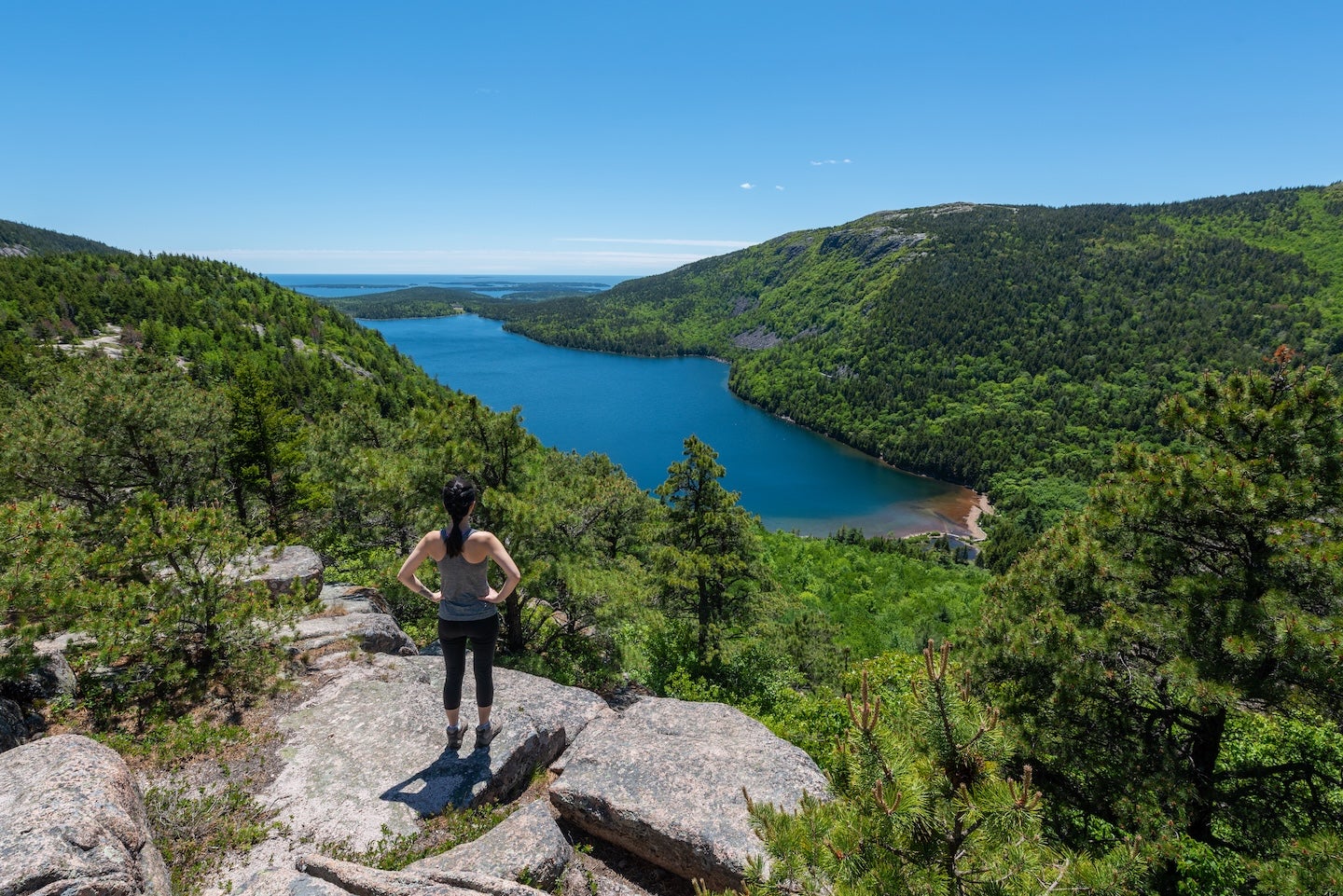
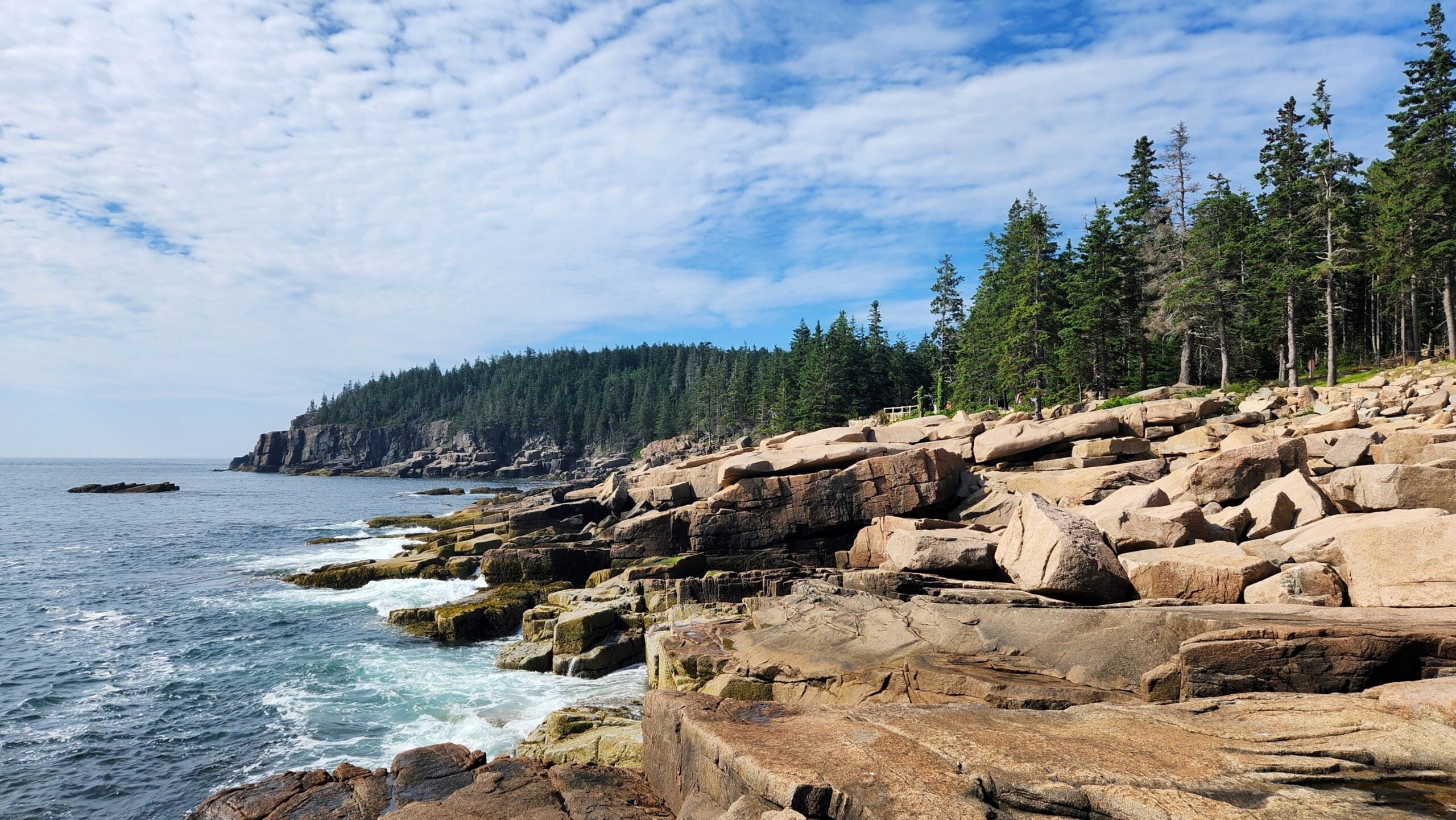
New England’s Great Northern route spans from Maine’s Atlantic coast to the shores of Lake Champlain in Vermont. This segment from Bar Harbor, Maine to Burlington, Vermont covers approximately 320 miles of classic New England scenery. Travelers can drive it in a long day, but spending 3–4 days lets you experience Acadia’s coastal beauty, the mountain adventures of New Hampshire’s White Mountains, and the pastoral Green Mountains of Vermont. It’s a journey from ocean sunrises to mountain vistas and lakeside sunsets. For a complete guide to the entire route, see our complete Great Northern road trip overview.
Route Overview: Maine Coast to Lake Champlain
This route starts at Acadia National Park on Mount Desert Island, as part of the Great Northern road trip, hugging Maine’s rugged coast before turning west through the state’s forests and farmlands. After Bangor, the drive follows U.S. Route 2 across northern New England. You’ll crest mountain passes in the White Mountain National Forest, then descend into Vermont’s rolling hills and the islands of Lake Champlain. Summer and early fall are the best times to go — Acadia’s facilities are fully open, and mountain roads like the Mt. Washington Auto Road are operational. Late September offers brilliant fall foliage but also cooler nights and possible crowding at popular stops. Winter travel is not advised on this stretch due to seasonal road closures and harsh mountain weather.
Quick Stats
| Total Distance | Drive Time (no stops) | States |
| ~320 miles | ~7 hours | ME, NH, VT |
| Primary Routes | Recommended Duration | Fuel & Services |
| US-1A, US-2, I-93, I-89 | 3–4 days | Bangor, ME – Gorham, NH – Montpelier, VT |
Day-by-Day Itinerary
Day 1: Bar Harbor, ME to White Mountains, NH
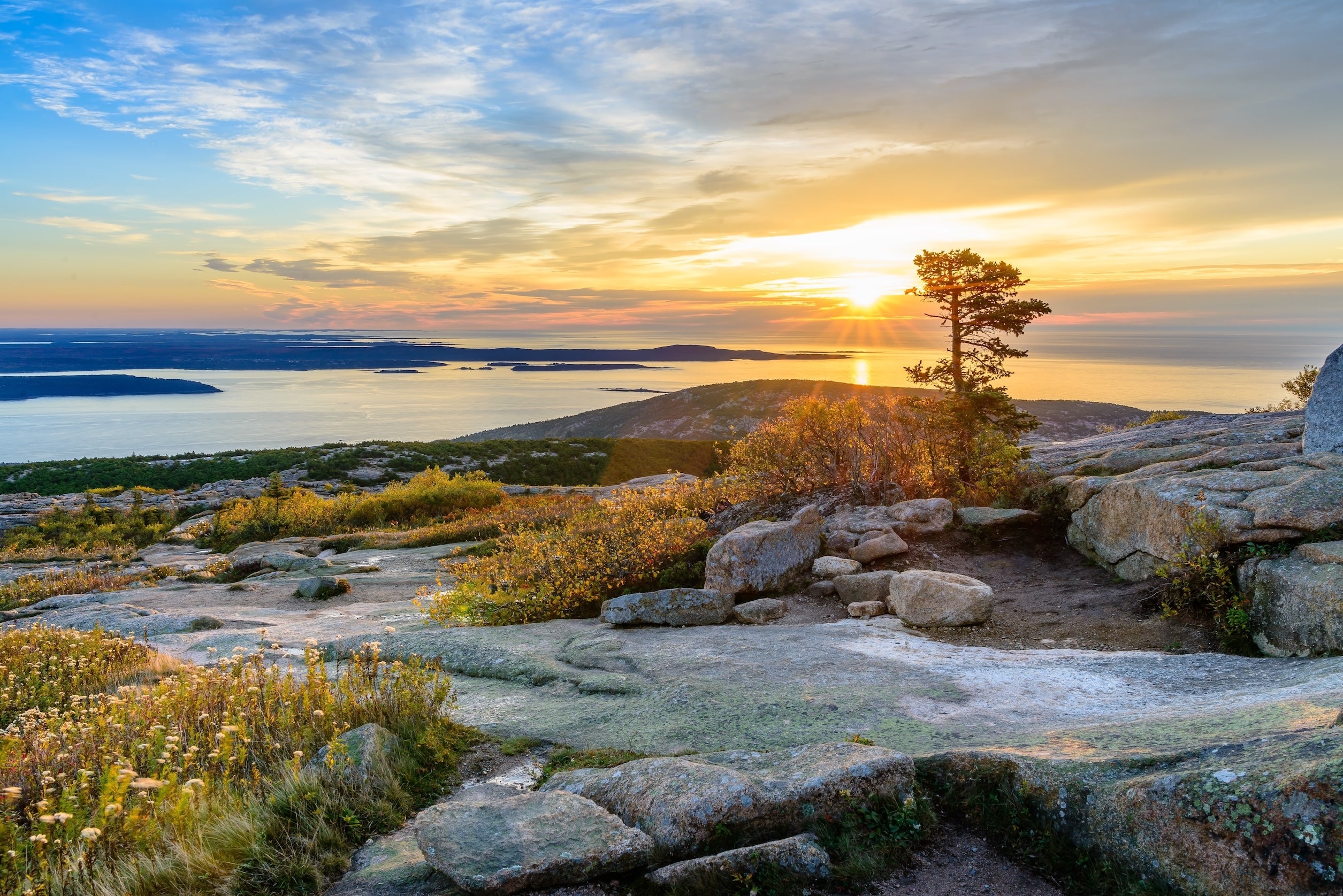
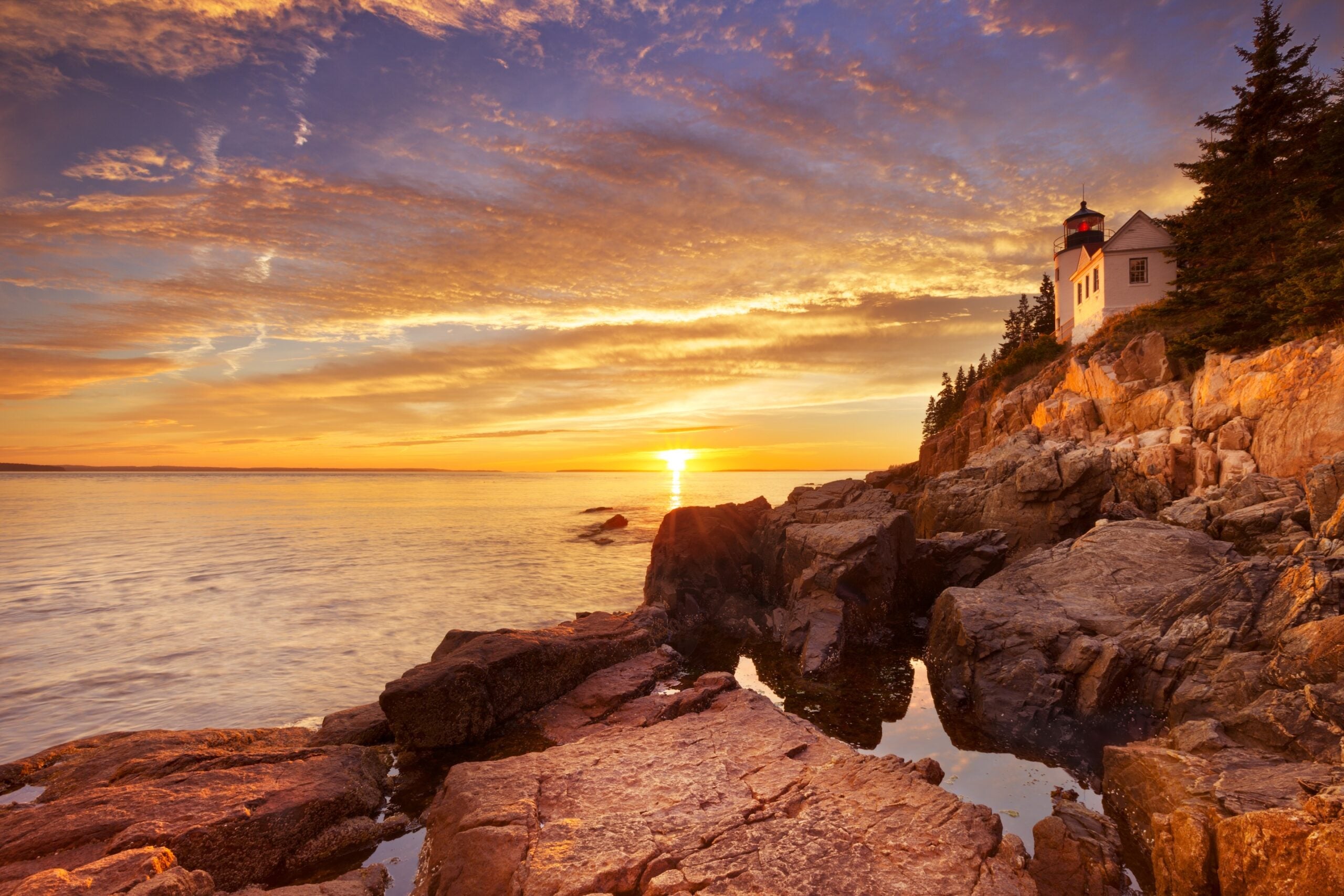
Morning: Start early in Acadia National Park. Catch the sunrise from Cadillac Mountain (reservation required) and enjoy final ocean views along the Park Loop Road. After a hearty breakfast in Bar Harbor, break camp by late morning and head inland. Afternoon: Follow US-1A to Bangor (about 1.5 hours). Stop to see Bangor’s towering 31-foot Paul Bunyan statue, then continue west on US-2 through central Maine. The drive is rural and pretty—watch for moose at dusk. By late afternoon you’ll reach New Hampshire’s White Mountains. Wind through wooded highway curves into Gorham, NH, then turn south to Dolly Copp Campground at the base of Mt. Washington. Settle in under the pines and listen for the nearby brook. Overnight at Dolly Copp Campground.
Day 2: White Mountains, NH to Lake Champlain, VT
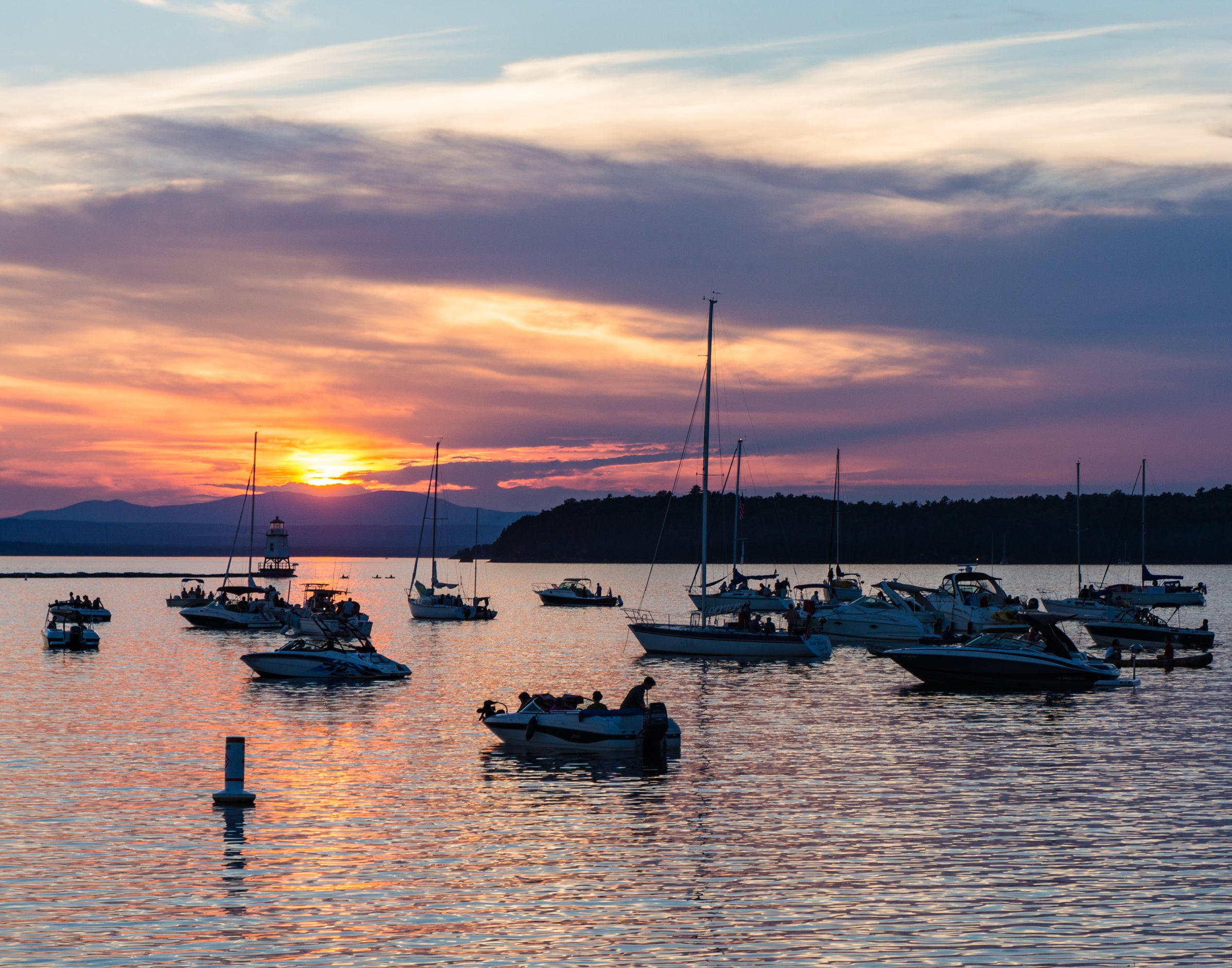
Distance: ~200 miles (5 hours). Morning: Wake up in the crisp mountain air at Dolly Copp. Drive through Franconia Notch (I-93) amid towering peaks and cliffs as you head into Vermont. If time allows, pause at a viewpoint or trailhead in Franconia Notch State Park. Afternoon: Cross into Vermont and follow US-2 west. In Montpelier, the nation’s smallest capital, grab a quick lunch or coffee downtown. Continue northwest toward Burlington, following US-2 across slender causeways through the Lake Champlain Islands to reach Grand Isle State Park by evening. Enjoy a lakeside sunset over the Adirondacks. Overnight at Grand Isle State Park (South Hero Island, VT).
Day 3: Lake Champlain to Burlington, VT
Distance: ~30 miles (0.5 hours). After waking up on Grand Isle, it’s only a short drive south on US-2 over the causeway to Burlington. Arrive by mid-morning and spend some time enjoying Vermont’s largest city. Park near the waterfront and walk the Lake Champlain shoreline path, or explore the open-air Church Street Marketplace downtown. Reward yourself with a maple creemee (Vermont’s signature maple soft-serve) as a sweet finale. Burlington’s laid-back college town vibe is the perfect endpoint for this leg of the journey.
Campgrounds to Consider
Blackwoods Campground (Acadia N.P., ME) – The park’s main campground with wooded sites near the ocean and trailheads. No showers on-site (bathrooms and water available), but you’re minutes from Bar Harbor. If you prefer more amenities, the nearby Bar Harbor Campground (private) has hot showers, hookups, and a shuttle into town (first-come, first-served).
Dolly Copp Campground (White Mountain N.F., NH) – A spacious forest campground 6 miles south of Gorham, at the base of Mount Washington. Recently renovated, it has new bathhouses with hot showers. Sites are spread among tall pines and birches alongside a babbling brook. Keep food secured—black bears and moose frequent this area.
Lafayette Place Campground (Franconia Notch S.P., NH) – 97 wooded sites in the heart of Franconia Notch. It’s a prime base camp for hiking Franconia Ridge or visiting the Flume Gorge. The campground has coin-operated showers, a camp store, and direct access to trailheads and the recreation path around Echo Lake. Sites are a bit close together, but you can’t beat the mountain scenery and convenience.
Grand Isle State Park Campground (Lake Champlain, VT) – Vermont’s most popular state campground, set on an island in Lake Champlain. Over 100 tent/RV sites (plus lean-tos and cabins) are scattered in groves just uphill from the shore. There’s a swimming beach, fishing pier, and kayak rentals on-site. Facilities include modern restrooms with hot showers. Sunsets from the waterfront are a highlight for campers here.
North Beach Campground (Burlington, VT) – A unique urban campground within Burlington city limits that provides a taste of nature and city at once. Sites (for tents and RVs) sit under tall shade trees steps from a sandy beach on Lake Champlain. The Burlington bike path runs through the campground, making it easy to bike or walk 1.5 miles to downtown. It can get crowded in peak summer, so reservations are recommended. This campground is ideal if you want to explore Burlington without giving up camp vibes.
Top Attractions and Activities
Natural Highlights
- Cadillac Mountain, Acadia: Drive or hike to Acadia’s highest peak for sunrise. It’s the first place to see sunrise in the U.S. (vehicle permit required for dawn). Panoramic views of the ocean and surrounding islands make the early start worthwhile.
- Mount Washington Auto Road: A 7.6-mile mountain road climbing to the 6,288-ft summit of Mt. Washington. Drive yourself (fee) or take a guided van. Steep grades and sheer drop-offs require caution, but on a clear day you can see into Vermont, Maine, and Canada from the top.
- Franconia Notch Trails: Short treks like the Basin (steps from the road) or Artists Bluff (1.5-mile loop to a cliff vista) offer big rewards for little effort. Longer hikes to summits like Mt. Lafayette or Cannon Mountain are accessible for those with more time. Don’t forget to pause at Echo Lake for a classic New Hampshire mountain view.
Unique Stops
- Kancamagus Highway, NH: This famous 34-mile mountain road (NH-112) between Lincoln and Conway is renowned for its fall foliage and White Mountain views. If you have an extra half-day, detour south to drive the “Kanc.” Highlights include waterfalls like Sabbaday Falls and numerous overlooks. No services along the way, so fuel up beforehand.
Travel Tips for This Segment
- Fuel and Connectivity: Gas up in bigger towns (Bangor, Gorham, Montpelier) since long rural stretches have no stations late at night. Expect spotty cell service in the mountains — download offline maps ahead of time.
- Weather & Gear: Coastal Maine can be foggy and cool even in summer mornings, so pack layers. In the White Mountains, weather changes quickly; always carry a rain jacket or warm layer. If driving up Mt. Washington, check summit conditions beforehand.
- Wildlife Caution: Moose and deer often cross roads at dawn and dusk. Drive cautiously, especially in remote areas, and use low beams when appropriate. In camp, store food securely and dispose of trash properly – Black Bears roam the White Mountain forests (Dolly Copp provides bear boxes).
- Peak Season: Summer and fall weekends are busy — reserve popular campgrounds (like Blackwoods or Grand Isle) well ahead. Some facilities close after Columbus Day, so plan around seasonal shutdowns and always verify opening dates.
Additional Segments & Resources
This segment is part of a longer cross-country adventure. See our Great Northern road trip itinerary to explore all segments of the journey. Remember to camp responsibly and leave no trace. For further planning, take advantage of The Dyrt PRO offline maps and consult official park websites (like the Acadia National Park site) for up-to-date information.
The Dyrt is the only camping app with all of the public and private campgrounds, RV parks, and free camping locations in the United States. Download now for iOS and Android.
Popular Articles:
Articles on The Dyrt Magazine may contain links to affiliate websites. The Dyrt receives an affiliate commission for any purchases made by using such links at no additional cost to you the consumer.