This segment of the Atlantic Coast Highway road trip links coastal North Carolina with the storied Lowcountry of South Carolina and Georgia. It’s a journey from Wilmington’s Cape Fear Riverfront down through beach towns and historic cities to the moss-draped squares of Savannah. While you could drive it in a single day, taking 2–3 days (or more) is ideal to fully experience the beaches, history, and Southern culture along the way. Highlights include colonial-era port cities, wild salt marshes teeming with birdlife, and plenty of opportunities to camp or sample fresh local seafood. As part of the larger Atlantic Coast Highway road trip spanning the Eastern Seaboard from Maine to Florida, this stretch showcases the Deep South’s coastal charms and contrasts nicely with the northern sections of the route.
Route Overview
| Distance | Approx. 300 miles (480 km) |
| Drive Time | About 5 to 6 hours (without stops) |
| Start / End Points | Wilmington, North Carolina / Savannah, Georgia |
| Best Seasons | Spring (March–May) and Fall (September–November) |
Geographic and Cultural Context
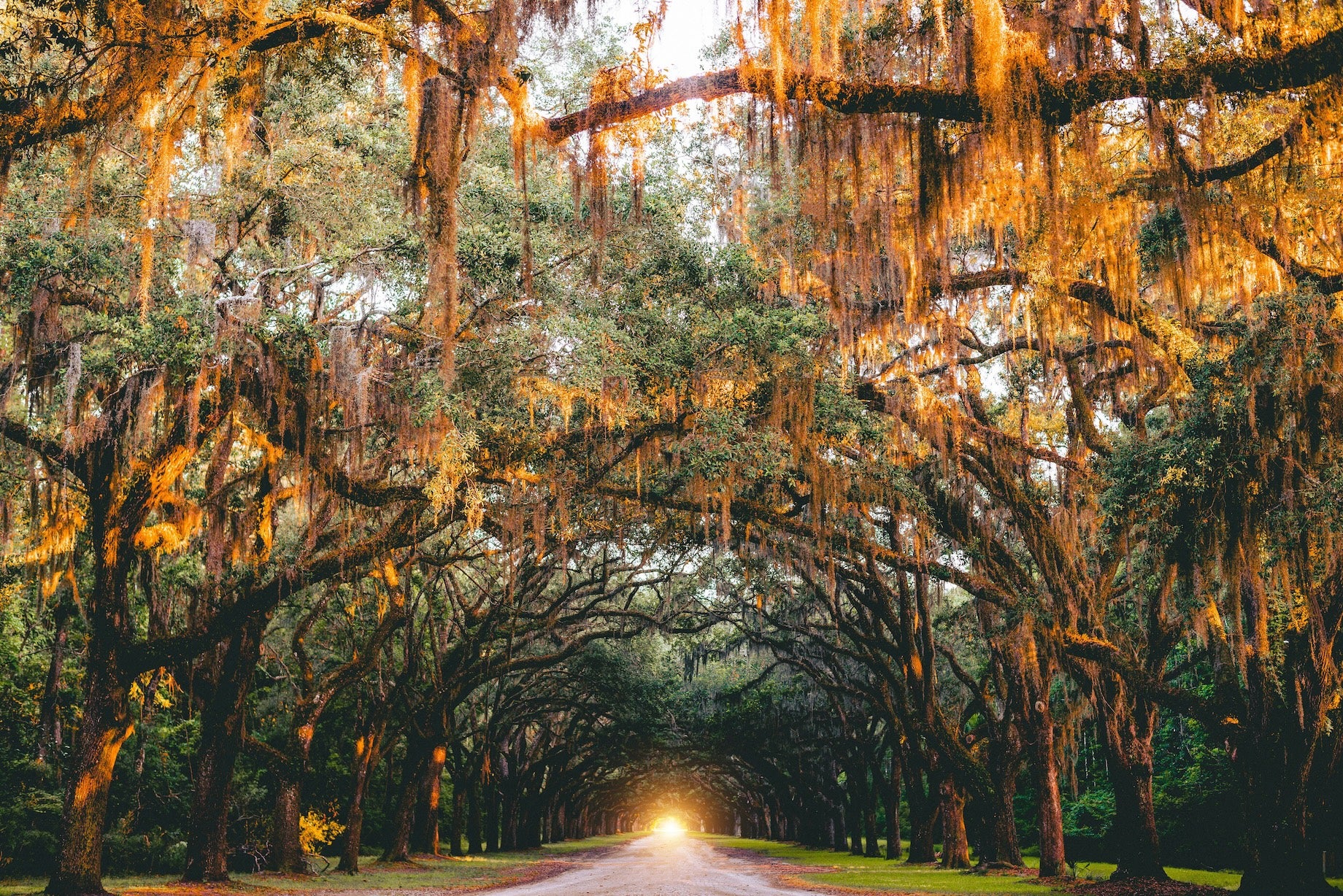
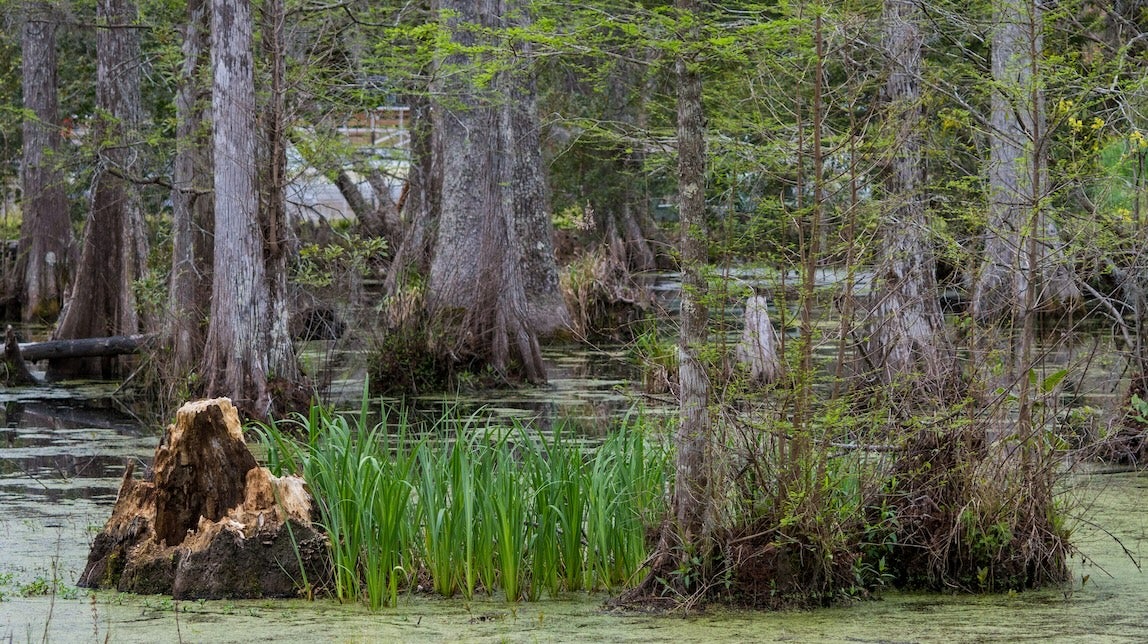
The drive from Wilmington to Savannah traverses the heart of the Southeast’s coastal plain, often called the Lowcountry. Geographically, the route is flat and dotted with tidal rivers, barrier islands, and expansive salt marshes. Stands of live oak trees draped in Spanish moss line many backroads, especially as you head further south. This unique landscape is home to abundant wildlife – you might spot herons and egrets in the marshes or even an alligator lurking in a roadside creek in the Carolina lowlands.
Culturally, this region is rich with history and tradition. The Gullah Geechee Cultural Heritage Corridor, which extends through coastal North and South Carolina into Georgia, highlights the unique African American culture that evolved in these coastal areas during and after the slavery era. You’ll pass areas where Gullah Geechee communities have preserved distinctive language, arts, and cuisine over generations. Throughout the drive, history is ever-present – from Revolutionary War and Civil War sites to the well-preserved 18th- and 19th-century architecture in Charleston and Savannah. This coastal route also has a slower, more hospitable Southern pace compared to the bustle of I-95 inland. Expect friendly small-town vibes, a strong maritime heritage (fishing, shrimping, and boating are big here), and plenty of local pride in everything from BBQ styles to college football teams.
Major Stops and Attractions
Day 1: Wilmington, North Carolina
Your journey begins in Wilmington, a historic river city that’s worth a stop before hitting the open road. Stroll along the Wilmington Riverwalk, a scenic boardwalk paralleling the Cape Fear River, for views of downtown’s restored cotton warehouses and shops. History buffs can tour the WWII-era USS North Carolina battleship, permanently docked across the river, or wander the cobbled streets of the Historic District lined with grand old homes. Wilmington’s vibrant downtown also offers plenty of cafes, breweries, and boutiques if you need to stock up on last-minute road trip supplies. If you have time for a detour before leaving town, nearby Wrightsville Beach offers a classic wide Carolina beach, while Carolina Beach to the south has a vintage boardwalk and the unique carnivorous plants at Carolina Beach State Park.
From Wilmington, you’ll head south on US-17 (the coastal highway) toward the South Carolina state line. One option for a more scenic start is to take the short ferry ride from Fort Fisher (just south of Kure Beach) over to Southport, bypassing some inland stretches of highway. The 30-minute ferry crosses the Cape Fear River and lands you in the quaint town of Southport, known for its maritime charm and waterfront lined with shrimp boats. Whether by ferry or highway, you’ll soon enter northeastern South Carolina and the region known as the Grand Strand.
Day 2: Myrtle Beach and the Grand Strand, SC
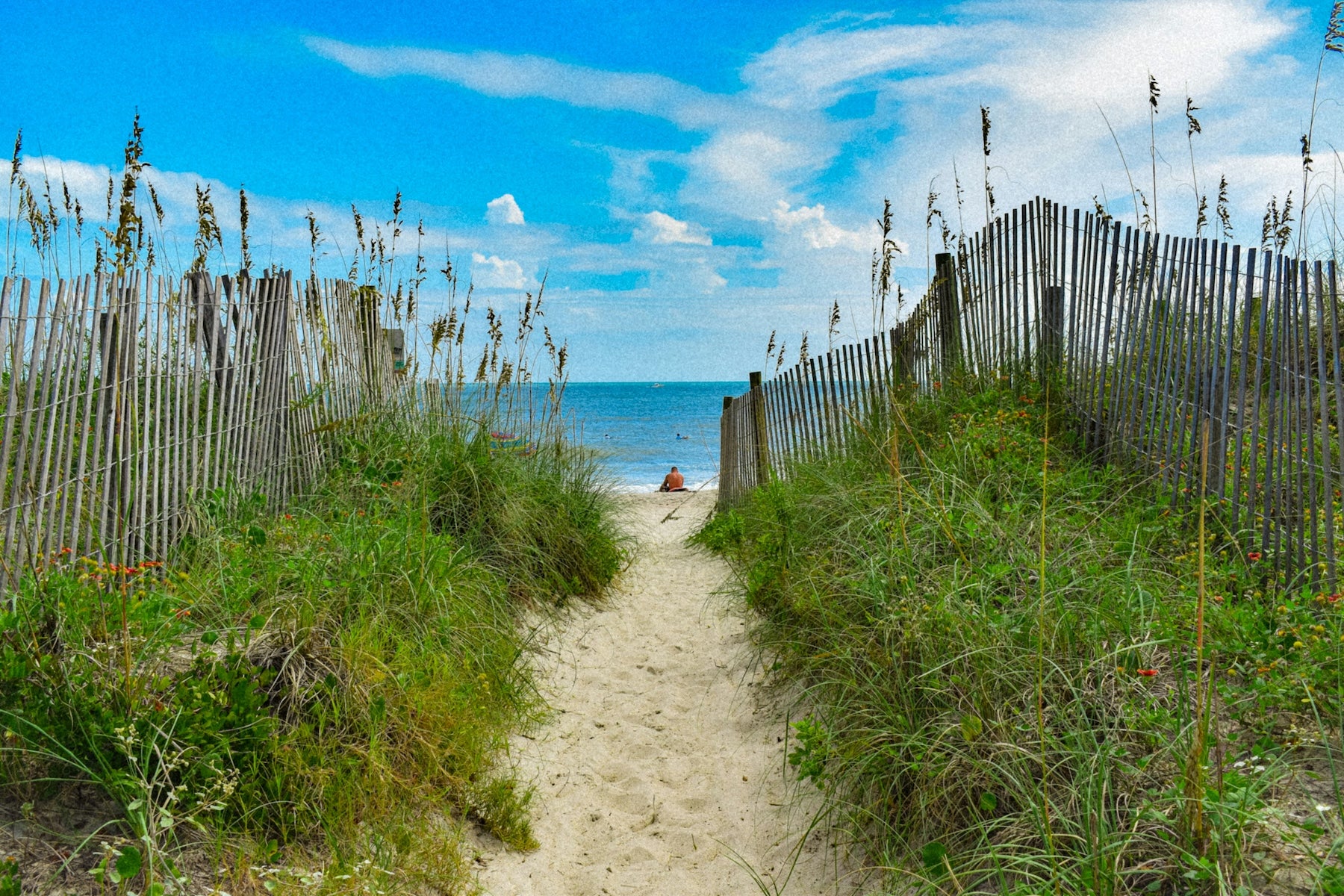
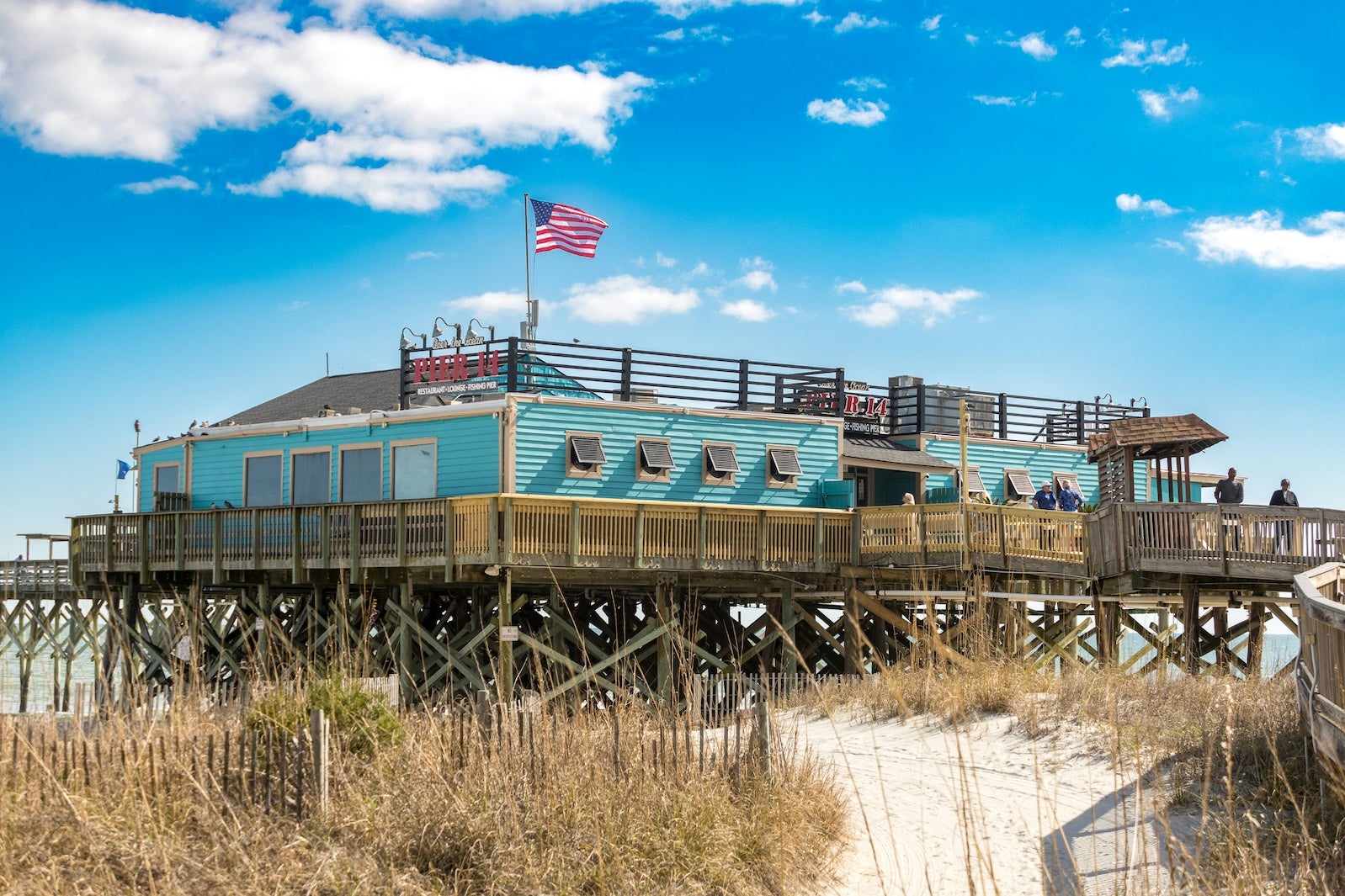
The Grand Strand is a 60-mile stretch of Carolina coastline famous for broad sandy beaches and nonstop entertainment. In the hub of it all, Myrtle Beach delivers classic beach-town fun: a busy boardwalk with arcades and the towering SkyWheel ferris wheel, dozens of miniature golf courses, water parks, and neon-lit attractions. It’s a family vacation mecca, so in summer expect traffic and crowds. If you’re up for it, you can easily spend a half-day enjoying the beach or visiting kitschy spots like the Myrtle Beach Boardwalk or Broadway at the Beach shopping district.
For a change of pace, the southern end of the Grand Strand offers a quieter beauty. Just south of Myrtle Beach, check out Huntington Beach State Park in Murrells Inlet – a protected stretch of undeveloped beach and salt marsh that’s fantastic for birdwatching and also home to the picturesque ruins of Atalaya Castle. Across the road, the renowned Brookgreen Gardens showcases sculptures and lush gardens on a former rice plantation estate. As you continue south, the highway passes through the fishing village of Murrells Inlet, often called the “Seafood Capital of South Carolina,” where waterfront restaurants serve up fresh shrimp and oysters. Further down US-17, you’ll reach Georgetown, a small historic port. This charming waterfront town makes a pleasant pit stop to stretch your legs along Front Street harborwalk and perhaps learn about the area’s rice plantation history at the Rice Museum. From Georgetown, the road presses on into a more rural stretch as you approach the Charleston area.
Day 3: Charleston, South Carolina
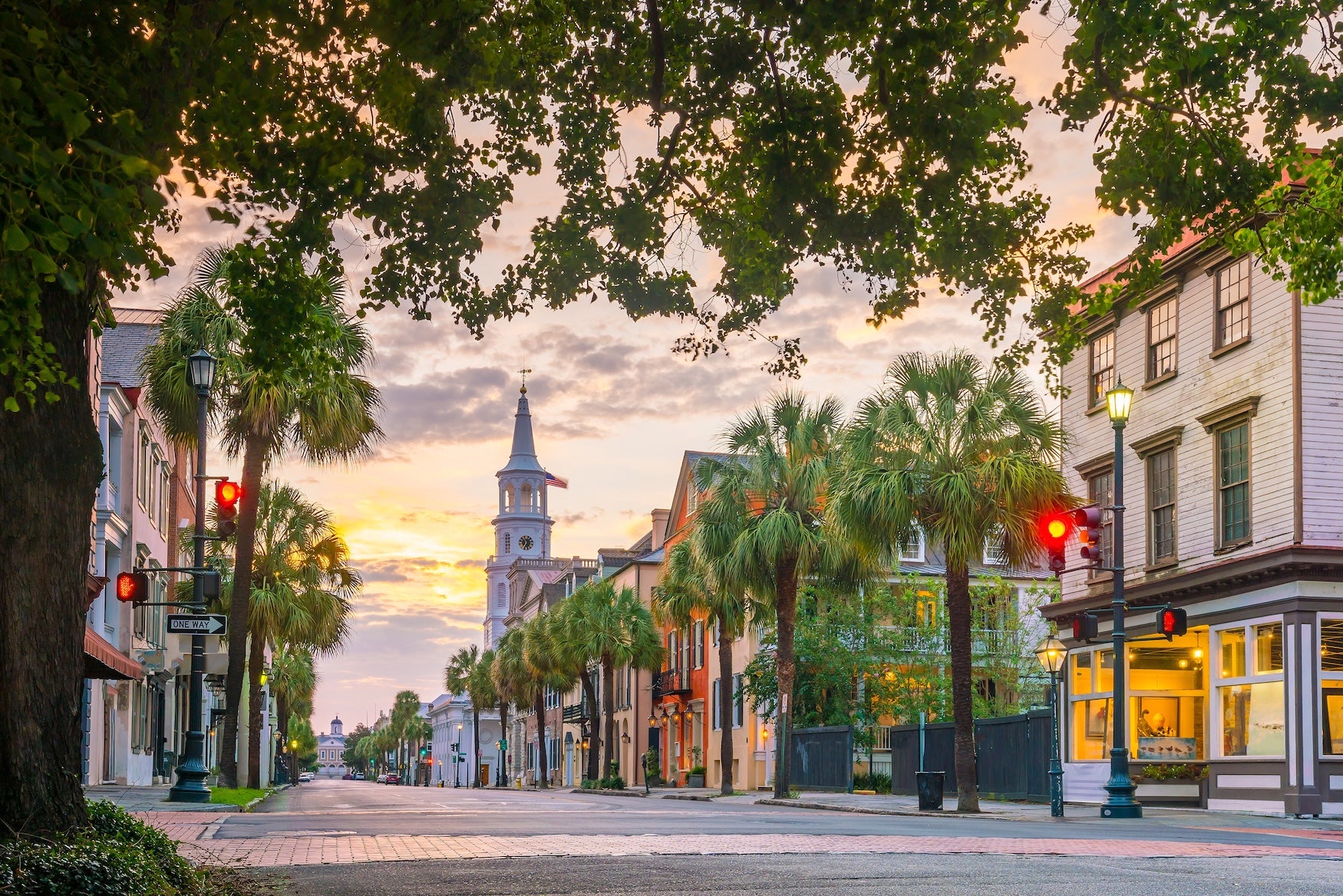
One of the crown jewels of the American South, Charleston is a must-stop destination on this route. The city oozes history and atmosphere. Take a stroll in the French Quarter and South of Broad neighborhoods to admire rows of pastel-colored antebellum houses, ornate ironwork, and hidden gardens. The Battery promenade and Waterfront Park give you views of Charleston Harbor – you can even see Fort Sumter out on an island where the Civil War’s first shots were fired (boat tours are available to visit Fort Sumter National Monument). Don’t miss the lively City Market downtown, where vendors sell sweetgrass baskets and local artisans’ goods, continuing a tradition that dates back centuries. Charleston’s complex history is on display at every turn: you can tour historic sites like the Nathaniel Russell House or take a somber visit to the Old Slave Mart Museum for context on the city’s past.
Around Charleston, there are additional attractions if you have extra time. Just outside the city, plantations such as Magnolia Plantation & Gardens and Boone Hall offer insight into the region’s antebellum history amid beautiful grounds (though with an important recognition of the enslaved people who built them). Nature lovers might visit Sullivan’s Island or Folly Beach for a beach day or stop by the famous Angel Oak – a 400-year-old live oak tree – on Johns Island. As you leave the Charleston area heading southwest, US-17 traverses remote marshlands and crosses multiple rivers on the way to Georgia. This portion between Charleston and Savannah is sparsely developed, but there are gems if you venture off the main highway. One worthwhile detour is to Beaufort, SC, a 45-minute sidetrack from Point South that rewards you with a lovely waterfront downtown and streets of historic cottages beneath mossy oaks. Beaufort’s Southern charm and history (featured in films like Forrest Gump) make it a popular side trip. Back on US-17, you’ll cross into Georgia for the final leg to Savannah.
Day 4: Savannah, Georgia
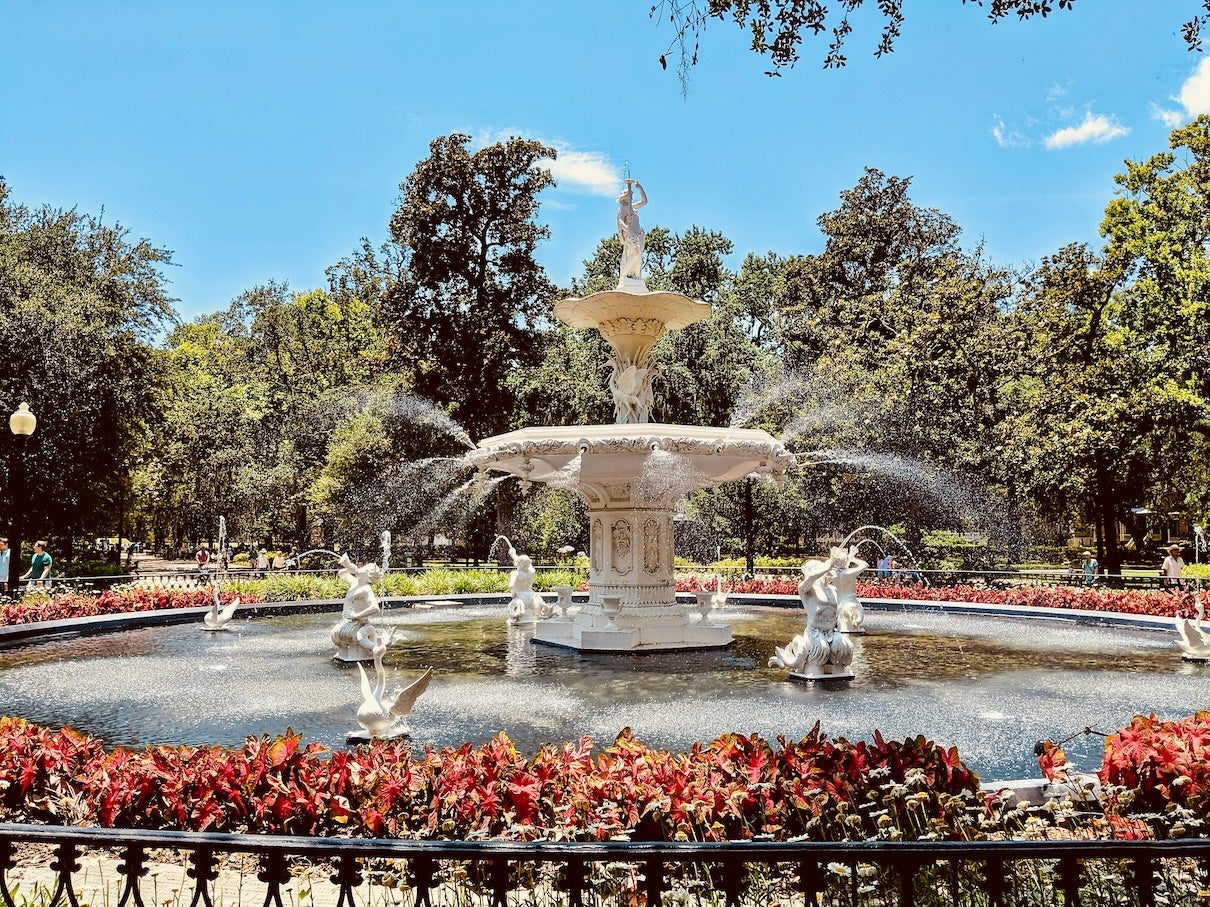
The road trip concludes in enchanting Savannah, a city that perfectly caps off the Atlantic coast journey. Savannah’s historic district is famed for its 22 park-like squares encircled by elegant mansions, churches, and cobblestone lanes. Park the car once you arrive – this is a very walkable city. Must-see spots include Forsyth Park, with its iconic white fountain, and the tree-canopied Jones Street (often called one of the most beautiful streets in America). Strolling through the squares under Spanish moss feels like stepping back in time. Savannah also has a dynamic riverfront along the Savannah River; River Street’s old brick warehouses are filled with pubs, restaurants, and shops. You can watch cargo ships glide by as you savor some fresh pralines from a candy kitchen or a bowl of shrimp and grits at a waterfront café.
The city’s atmosphere is an appealing blend of genteel and quirky. You might take a guided walking tour (historical or even a popular ghost tour at night) to learn about Savannah’s rich (and sometimes eerie) history. Notable sites include the Gothic Revival Cathedral of St. John, the Mercer-Williams House (famous from the book Midnight in the Garden of Good and Evil), and Bonaventure Cemetery just outside downtown – a hauntingly beautiful cemetery draped in moss (and a backdrop for many Southern Gothic tales). After experiencing Savannah’s hospitality and delicious Lowcountry cuisine, road trippers can either head west or north for a change of scenery or continue south toward Florida if the adventure isn’t over yet.
Camping Opportunities
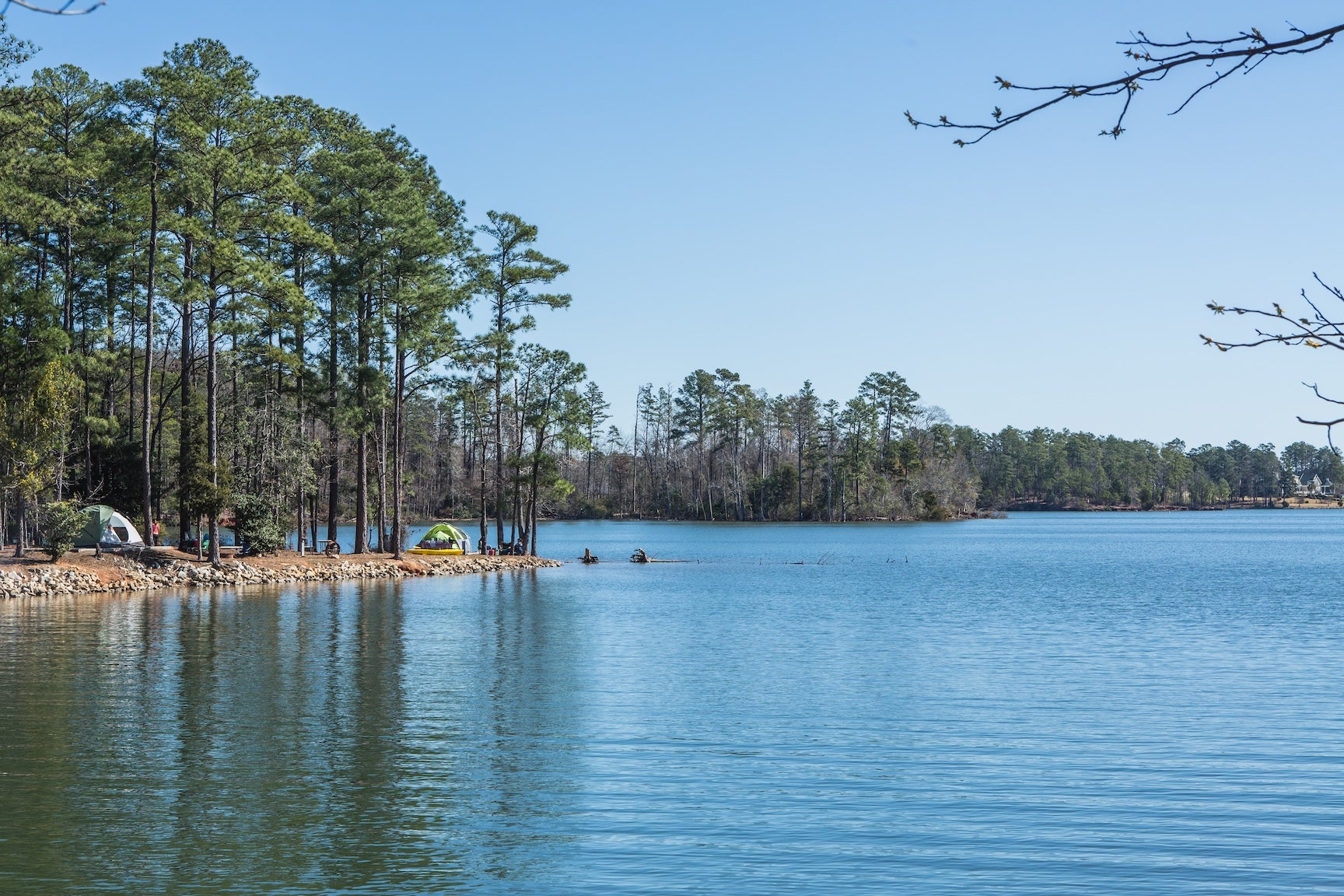
Camping along this route is a treat, with many well-maintained campgrounds that let you sleep under the stars (and beneath swaying pines or oaks) near beaches and rivers. The Atlantic Coast Highway segment from Wilmington to Savannah has a mix of state parks and local campgrounds ideal for tent and RV campers. Here are a few top camping options to consider:
- Carolina Beach State Park campground – Located just south of Wilmington, this state park offers wooded campsites along the Cape Fear River. It’s a perfect first-night stop, featuring easy access to hiking trails (where you can spot wild Venus flytraps) and a marina. You’ll be minutes from the beach while enjoying a quiet, natural setting.
- Huntington Beach State Park campground – A favorite on the Grand Strand, Huntington Beach State Park (near Murrells Inlet) provides campsites in a semi-tropical setting of palmettos and live oaks. Campers love the short walk to a pristine beach and the chance to see alligators and birds in the saltmarsh boardwalk area. Reservations are recommended, especially in summer.
- James Island County Park campground – Just outside Charleston, this county park campground is an ideal base for exploring the city. It has full hookups and modern facilities in a wooded park setting, plus bonus amenities like a splash pad, climbing wall, and even a seasonal shuttle into downtown Charleston and to Folly Beach. It’s popular due to the location, so book ahead for peak seasons.
- Skidaway Island State Park campground – Near Savannah, Skidaway Island State Park offers a peaceful, family-friendly campground amid maritime forest and salt flats. Large sites, clean bathrooms, and miles of nature trails make it a relaxing retreat after sightseeing in the city. Keep an eye out for deer and fiddler crabs on your hikes. This park is only about 20 minutes from Savannah’s historic district, so it’s an excellent last stop on the trip.
All these campgrounds have been reviewed by The Dyrt community, and each provides a unique experience of the coastal environment. Note that summers are busy, so securing reservations in advance is wise. Also, coastal campgrounds mean bugs in warm weather – have good insect repellent and enjoy the campfire!
Dining and Lodging
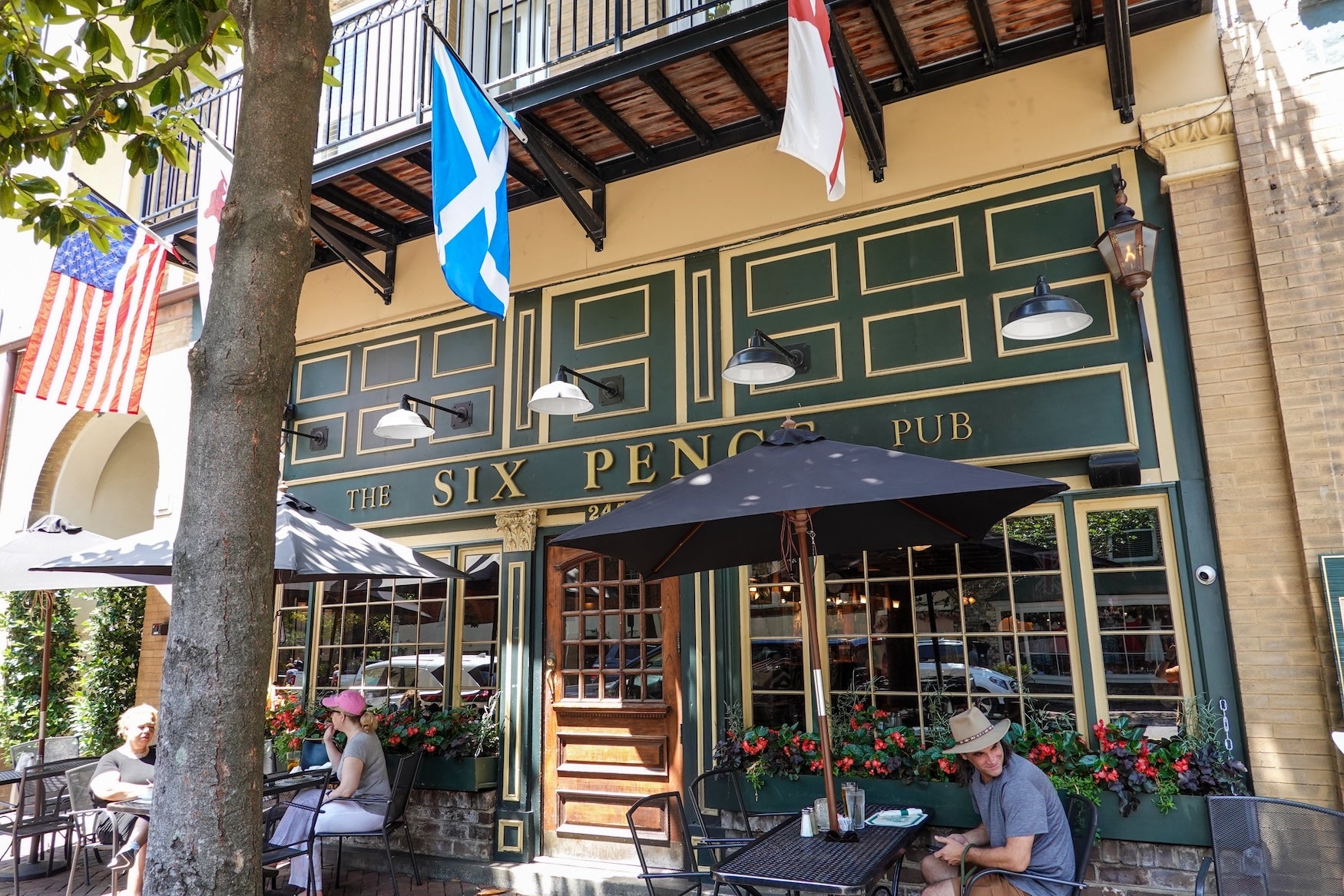
One of the joys of a coastal road trip is tasting the local cuisine at each stop. Along this route, you’ll find plenty of Southern comfort food and fresh seafood. In North Carolina and northern SC, look for Calabash-style seafood: lightly breaded, fried fish and shrimp served with hushpuppies (the style originated just north of Wilmington). As you reach the Lowcountry of South Carolina and Georgia, don’t miss regional specialties like shrimp and grits, she-crab soup, and Lowcountry boil (also known as Frogmore Stew) brimming with shrimp, corn, sausage, and potatoes. Charleston and Savannah are foodie heavens, boasting everything from down-home barbecue joints to upscale farm-to-table restaurants. Charleston’s dining scene is nationally acclaimed – you can try elegant Lowcountry dishes at restaurants in the historic district or grab a casual bite at a no-frills oyster bar. Savannah likewise offers a mix: enjoy a quick lunch of famous Leopold’s ice cream and a fried chicken sandwich, or splurge on a candlelit meal at a restored mansion-turned-restaurant. And of course, sweet tea is ubiquitous if you need a cool refreshment, and you’ll find boiled peanuts sold at roadside stands in South Carolina – a salty snack worth trying.
When it comes to lodging, you have options to suit every style. Camping is readily available (as noted above) for those who want to stay close to nature. If you prefer a roof over your head, the bigger towns and cities offer everything from budget-friendly chain hotels to charming inns. Myrtle Beach has countless oceanfront hotels and motels – you could easily find a room with a balcony facing the Atlantic if you’re craving a night of air conditioning and a real bed. In Charleston and Savannah, consider staying in or near the historic districts: both cities feature lovely boutique hotels and bed-and-breakfasts set in centuries-old buildings (imagine waking up in a four-poster bed in an 1840s townhome). These tend to be pricier but put you in the heart of the walkable sights. For a unique stay, Savannah even has a few reputedly haunted inns for the adventurous. If you’re road-tripping on a tighter budget, look to the outskirts – for example, Mount Pleasant just outside Charleston or the gateway area of Savannah have more affordable hotels and campgrounds while still keeping you within a short drive of downtown attractions.
Seasonal Considerations
This coastal route can be driven year-round, but each season brings its own character. The most pleasant times to travel are spring and fall. In spring (March through May), you’ll catch comfortable temperatures (70s°F by day) and beautiful blooms – azaleas and dogwoods light up gardens especially in places like Wilmington and Charleston. Late spring also kicks off beach season without the full crush of summer tourists. Fall (September through early November) offers warm days and cooler nights; the ocean water is still warm from the summer, and you’ll enjoy the golden colors in marsh grasses and smaller crowds after Labor Day. These shoulder seasons also tend to have less humidity and fewer mosquitoes than high summer, making outdoor exploration more enjoyable.
Summer (June through August) is the busiest and hottest time along the Atlantic Coast Highway. Expect high humidity and temperatures in the 90°F range, plus afternoon thunderstorms are common. Popular spots like Myrtle Beach, Charleston, and Savannah will be bustling with vacationers. If you travel in summer, plan for extra time in traffic (especially around Myrtle Beach’s strip and Charleston’s city streets) and be sure to stay hydrated in the heat. The upside is that everything is open and in full swing – from seasonal ice cream stands to evening events – and you’ll have long daylight hours for exploring. Just be prepared for higher prices on accommodations and packed campgrounds. Winter (December through February) is the quietest period. Temperatures are mild overall (50s°F average, though occasionally dipping into frost at night), which means you can still enjoy walking tours and outdoor sights, but beach swimming is probably off the table. Some attractions or tours may have shorter hours or off-days in the winter, especially around the holidays. On the plus side, you’ll find the roads and cities much less crowded, and hotel rates can be lower. A winter trip can be peaceful – imagine having a brisk morning walk on a nearly empty beach or campground.
One critical seasonal factor in this region is hurricane season. From June through November (with a peak in August–September), coastal North and South Carolina and Georgia are susceptible to tropical storms and hurricanes. If you’re planning a trip in early fall or late summer, keep an eye on weather forecasts. It’s wise to have a flexible schedule in case a storm threatens – sometimes evacuations are ordered for low-lying coastal areas when a major hurricane is approaching. That said, many travelers still enjoy summer and early fall trips; just stay aware of the potential and maybe purchase travel insurance during hurricane season. Whenever you go, sunscreen and bug spray are your friends – the sun can be strong even outside summer, and marshy areas breed mosquitoes and no-see-ums especially in warmer months.
Practical Driving Tips
Road Conditions & Traffic: The primary route for this segment is US Highway 17, which alternates between four-lane divided highway and two-lane rural road. Generally, the roads are flat and well-maintained. Around city centers (Wilmington, Myrtle Beach, Charleston, and Savannah) you’ll encounter traffic lights and slower urban traffic. Plan for congestion during rush hours or summer weekends in these areas. In Myrtle Beach, for example, US-17 (known locally as Kings Highway) can get very busy with tourists cruising the strip – be patient and watch for cars frequently turning into attractions and shopping centers. Charleston can also have heavy traffic, especially on the bridges and arteries leading downtown. If you want to bypass some city congestion, look for bypass routes: I-526 can loop you around Charleston, and there’s a bypass around Wilmington (though then you’d miss the city). Drive defensively in unfamiliar small towns, as speed limits will drop quickly when you enter built-up areas. Local police in small communities (like some stretches in rural SC) do enforce speed limits, so don’t push it – relax and enjoy the slower pace.
Fuel & Services: Fuel up in or near the larger towns when you have the chance. There are long rural stretches, particularly between Georgetown and Charleston, and again between Charleston and Savannah, where gas stations are fewer and farther between. For instance, after leaving the Myrtle Beach area, it’s smart to top off your tank in Georgetown. The next major stop with plenty of services is Mount Pleasant (just before Charleston). Likewise, departing Charleston, you might not see a big travel plaza until you approach Savannah. That said, you’re never more than roughly 40–50 miles from some kind of gas station or convenience store on this route, so it’s not extremely remote – just plan ahead if your fuel gauge is dropping. Cell phone coverage is generally reliable throughout the route (thanks to relatively flat terrain and not being too far from populated areas), but expect the possibility of dead zones in very rural patches, like in the middle of Francis Marion National Forest south of Georgetown. It’s wise to download maps offline or have a physical map, especially if you plan detours.
Safety & Etiquette: Driving in the Lowcountry presents a few unique considerations. Watch out for wildlife on the roads, particularly at dawn or dusk – deer are common, and occasionally alligators may be near water crossings (usually not on the road, but never say never in warmer months!). When you see signage for “Bridge may ice in winter,” take it seriously if you’re traveling in the rare cold snap, since these areas seldom get snow and even a little ice can surprise drivers. If you take the Fort Fisher ferry or any other smaller ferry (for example, there’s a free municipal ferry in Savannah across the river), factor in the schedules and wait times. The Fort Fisher–Southport ferry runs frequently during the day, but it’s wise to arrive early during summer as lines can form. Lastly, embrace the Southern hospitality – locals might strike up a conversation at a gas pump or give a friendly wave on a back road. If you find yourself stuck behind a slow-moving truck on a two-lane section, take a breath and enjoy the scenery until a safe passing zone appears. This journey is as much about the laid-back coastal vibe as it is about the destination, so there’s no need to rush.
Local Insights and Recommendations
- Scenic Ferry Shortcut: Consider starting your day with the Fort Fisher to Southport ferry ride instead of driving straight down US-17 out of Wilmington. It’s a small detour to the coast (through Carolina Beach) but the ferry across the Cape Fear River is a fun 30-minute ride that only costs a few dollars. Arrive early in peak season as it’s first-come, first-served. On the Southport side, treat yourself to an ice cream or fresh fish tacos in the charming waterfront town before continuing your drive.
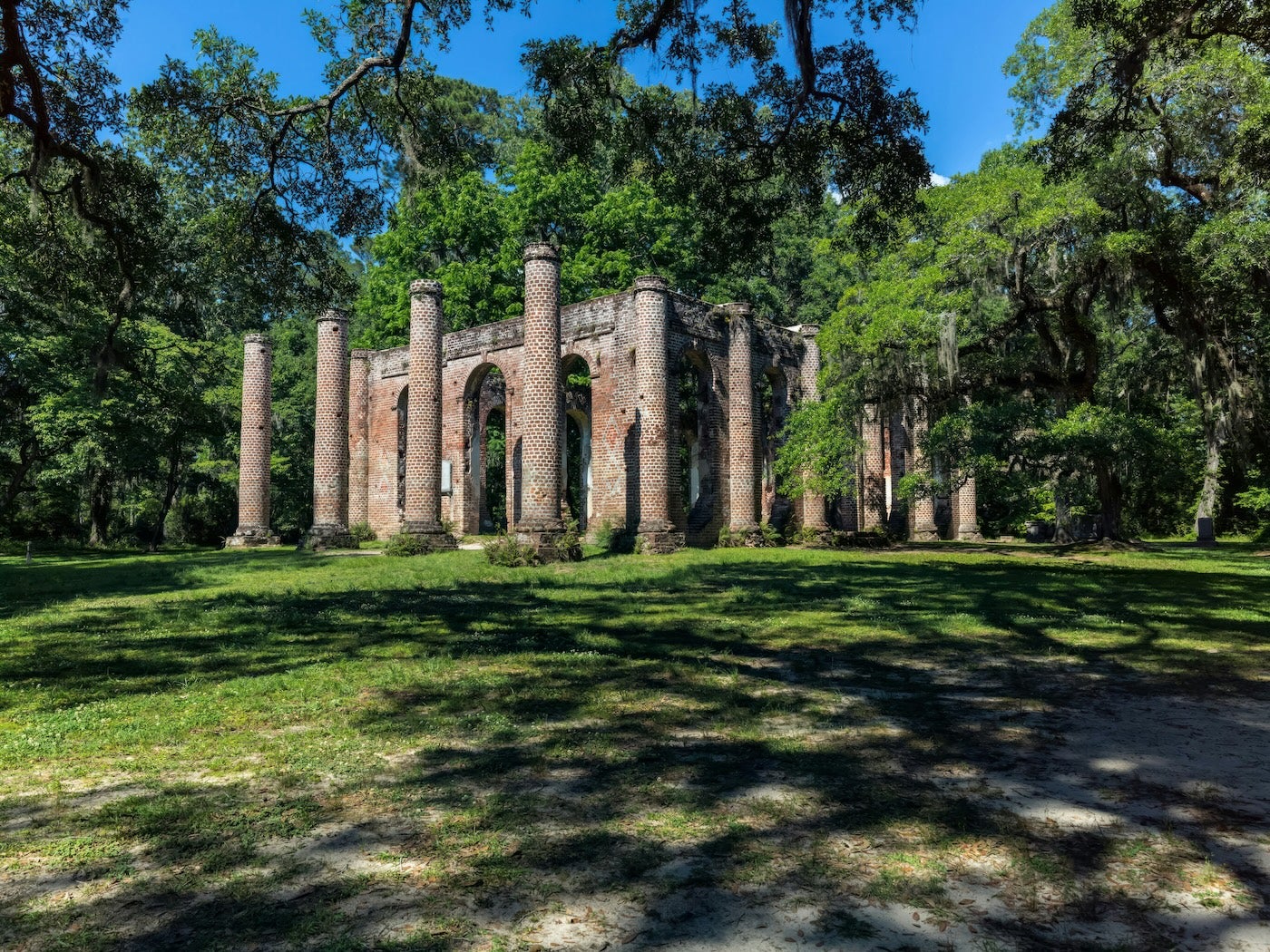
- Hidden Historic Gem: When driving between Charleston and Savannah, take a brief detour near Yemassee to see the Old Sheldon Church Ruins. Tucked beneath ancient oaks, the brick ruins of this 1750s church are freely accessible and make for an atmospheric picnic or photo stop. It’s a peaceful site with a lot of history and only a few minutes off the highway – well worth the stop to stretch your legs and reflect.
- Taste of Local Flavor: Don’t pass up the roadside stands selling boiled peanuts in South Carolina. This salty, savory snack of soft-boiled green peanuts is a Southern road trip classic. They’re often sold from small trailers or mom-and-pop gas stations – a warm bag of Cajun-spiced boiled peanuts can keep you company on a long drive. Also, in the Lowcountry, look for seasonal produce stands; depending on timing, you might find sweet peaches, pecans, or even watermelons being sold straight from the farm.
- Sweetgrass Basket Shopping: As you approach Mt. Pleasant just outside Charleston, you’ll notice Gullah artisans selling handwoven sweetgrass baskets from small stands along US-17. This tradition is over 300 years old. If interested, stop at the Charleston City Market or one of the roadside stands to see these works of art up close. They aren’t cheap (each basket is painstakingly crafted), but even chatting with the basket weavers is a wonderful cultural exchange. Just remember to pull off the road safely if you decide to stop at a roadside stand.
- Bugs and Bites: In warmer months, be prepared for tiny biting insects (“no-see-ums”), especially around marshes and at dusk. Locals often carry bug spray in their glove box – it’s a lifesaver when camping or even dining outside in the evenings. A little witch hazel or aloe is good to have on hand, too for any itchy bites. On the flip side, coastal South Carolina and Georgia also have a bounty of delicious seafood – consider timing your trip with a local oyster roast or shrimp festival (fall brings many food festivals in the region). It’s a tasty way to celebrate the journey.
- Continuing the Adventure: If you plan to continue your drive south of Savannah, you’ll enter the realm of Georgia’s Golden Isles and the northern Florida coast. Be sure to check the Atlantic Coast Highway itinerary for the next leg of the journey – from Savannah down to Florida, where highlights include Cumberland Island’s wild horses and the famous A1A coastal drive, all the way to the Florida Keys. This Wilmington-to-Savannah segment is just one beautiful chapter of a much longer coastal adventure!
Popular Articles:
Articles on The Dyrt Magazine may contain links to affiliate websites. The Dyrt receives an affiliate commission for any purchases made by using such links at no additional cost to you the consumer.