If you spend time in natural areas, you’ve probably encountered the advice to “Leave No Trace.” Reactions to the phrase vary widely, ranging from “That’s dumb, everyone leaves a trace” to “I learned the 7 Principles years ago,” to “I love it—I’m already a member of an organization that teaches Leave No Trace.”
The mix of responses is understandable. The Leave No Trace movement started more than 30 years ago, and its champions range from the National Park Service and youth scouting organizations to outdoor education groups like the National Outdoor Leadership School (NOLS) and the eponymously named Leave No Trace, a supporter-based nonprofit organization.
What’s the real story behind Leave No Trace? That can be a tricky question to answer, but here are three common misconceptions—and why they don’t reflect Leave No Trace today.
Myth 1: The phrase “leave no trace” makes it sound like humans don’t belong in nature, and everything we do there is bad.
Truth: That’s an understandable reaction, but it misses the movement’s true intentions. Leave No Trace encourages people to get outdoors so they can enjoy the natural world. The core knowledge base is the 7 Principles, which are built on the idea that we all benefit from spending time in nature—and that our experiences are even better when we follow easy-to-understand guidelines that reduce our impact and preserve natural qualities. Rather than advocating for closures or unwanted restrictions on natural areas, Leave No Trace aims to keep them open for enjoyment while still protecting them.
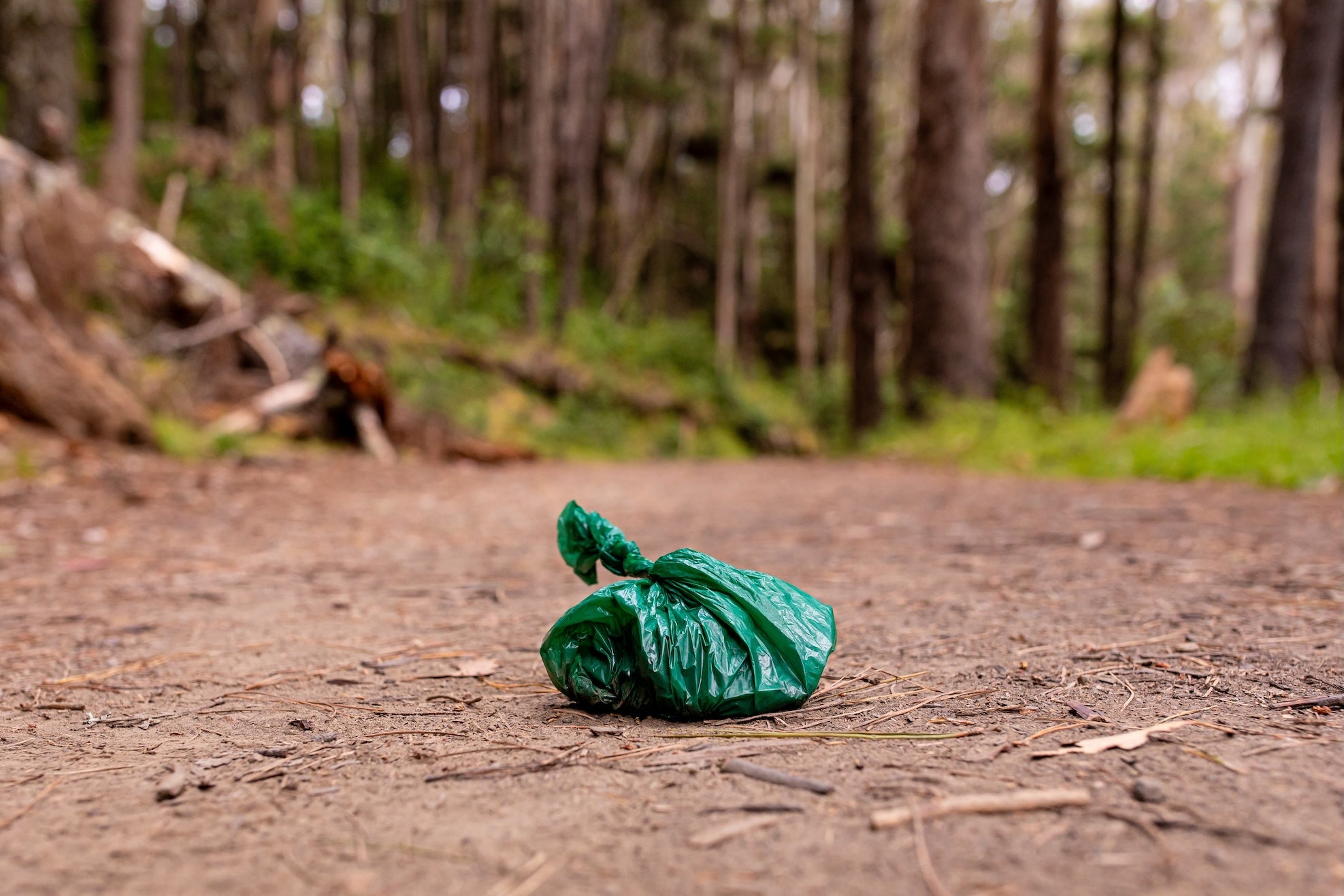
Myth 2: What’s with the obsession over making people pick up their dog’s poop? If wild animals leave it in the woods, my pooch and I should be able to, too.
Truth: There are objective reasons why removing both dog waste and human waste is an important part of protecting nature. Wild animals consume resources and nutrients from the ecosystem, then promptly return those same resources and nutrients. This creates a closed loop, with no net gain or loss of nutrients or resources, and no outside contamination. Pet waste adds unnatural elements that measurably harm soil and water quality, and it often contains pathogens and parasites. Human waste is even more destructive, frequently introducing pharmaceutical residues and disease-causing organisms into habitats where wildlife live.
Myth 3: My experience in nature shouldn’t be subject to a bunch of made-up rules—isn’t that what Leave No Trace is?
Truth: Whether you call the ideas behind Leave No Trace “rules,” “guidelines,” or “principles” is up to you, and it’s ultimately your decision whether it makes sense to follow that advice. Few of us can say we’ve never negatively impacted a natural place. But the goal doesn’t have to be perfection; even small reductions in our impacts help preserve natural areas, protect wildlife, and make the outdoor experience better for everyone. Leave No Trace also works closely with dedicated researchers and environmental scientists who test the advice to ensure it’s grounded in real-world evidence and as effective as possible at protecting nature.
None of this is about guilt or perfection—it’s about the fact that a few small, informed choices add up to wild places that stay wild. The myths about Leave No Trace don’t hold up to scrutiny, but the invitation remains: get outside, enjoy it fully, and leave nature as good as you found it. That’s not a restriction on your experiences. It’s what keeps those experiences possible for the next person, too.
—Mark Eller is the director of communications for Leave No Trace, a nonprofit based in Boulder, Colorado.
The Dyrt is the only camping app with all of the public and private campgrounds, RV parks, and free camping locations in the United States. Download now for iOS and Android.Popular Articles:
Articles on The Dyrt Magazine may contain links to affiliate websites. The Dyrt receives an affiliate commission for any purchases made by using such links at no additional cost to you the consumer.