Equestrian camping near Barbourville, Kentucky offers access to over 100 miles of trails through the Daniel Boone National Forest. The region sits at elevations ranging from 800-1200 feet, with a humid subtropical climate that features distinct seasons. Summer temperatures typically reach the mid-80s with frequent afternoon thunderstorms, while spring and fall provide more moderate conditions for trail riding.
What to do
Trail riding with panoramic views: At Daniel Boone National Forest Little Lick Horse Camp, riders can access the Nathan McClure trailhead directly from the campground. "You will drive and drive and drive...and drive on the gravel road. However the road is good and the signage will get you there! Follow the little tent signs to Little Lick Horse Camp in the woods of Daniel Boone NF," notes Shelly S.
Fishing from riverside campsites: Anglers can cast directly from Clayton Geneva Memorial Campground where campsites border the Cumberland River. "You can fish off the banks of the Cumberland river or take a swim. Close to trails and a waterpark too," shares Jennifer L. The campground offers both river access and proximity to other water activities.
Hiking varied terrain: Numerous trailheads near horse camps connect to the broader Daniel Boone National Forest system. "There are several awesome trailheads in the area, Nathan McClure TH right in the campground," reports Shelly S. about Little Lick Campground. Trails range from easy 1-2 mile loops to more challenging 8-10 mile routes through diverse forest environments.
What campers like
Peaceful waterfront locations: Many equestrian campers appreciate riverside sites at S-Tree Campground, which provides a quiet retreat after long trail rides. "Bathrooms were clean. Campsite was clean. Campground very well maintained. So peaceful!!" writes Amy K. The campground maintains vault toilets and well-defined campsites despite its remote setting.
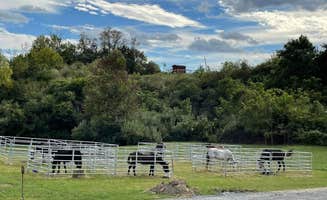
Spacious sites for horse trailers: Horse camps in the region are designed with ample room for trailers and equipment. "The campsites are huge with available fire pits and restrooms," Wayne H. notes about S-Tree Campground. This extra space allows equestrian campers to set up comfortable base camps for multi-day riding adventures.
Dark skies for stargazing: Rural location means minimal light pollution at sites like Little Lick Campground. "Dark and starry skies, quiet and woodsy," describes Shelly S. After sunset, temperatures often drop 15-20 degrees from daytime highs, creating comfortable conditions for evening campfires and night sky observation.
What you should know
Road conditions can be challenging: Access roads to horse camps often require careful driving. About Little Lick Horse Camp, Shelly S. advises, "Off Ky Rt 80 in Daniel Boone National Forest, keep following the tent signs, they will get you to Little Lick Campground." Many forest roads remain unpaved but are generally passable for trucks pulling horse trailers.
Variable campsite drainage: Some locations experience drainage issues during rainy periods. At Tranquility Creek, campers note it maintains "Quiet, clean place to rest. Take nothing but pictures, leave nothing but footprints," according to Maurice N. However, spring rains can create muddy conditions at many horse camps.
Limited amenities: Most equestrian camping options near Barbourville are primitive. "This is a primitive little campground out in the middle of nowhere," Shelly S. shares about Little Lick Campground. Campers should bring all necessary supplies, including water for themselves and their horses, as most sites lack running water.
Tips for camping with families
Wildlife viewing opportunities: Families can spot diverse forest wildlife while camping. Tombo T. suggests at Little Lick Campground to "Be wary of shy bears and bobcats." Morning and evening offer the best wildlife viewing times, with white-tailed deer commonly seen at dawn and dusk near camp edges.
Swimming holes for summer cooling: During hot months, riverside camping areas provide natural swimming options. At Clayton Geneva Memorial Campground, "River side tent sites on a shaded, sandy river bank" are available according to Amber H., who adds you can "canoe, kayak, swim, fish, relax." The Cumberland River maintains summer water temperatures around 75-80°F.
Plan for limited cell service: Most forest locations have spotty connectivity. Jadon B. describes Little Lick Horse Camp as "Up a forestry road at the top of a mountain! Sleeping with the bears!" While exciting for wilderness immersion, parents should prepare children for disconnected time and bring offline entertainment options.
Tips from RVers
Generator considerations: Noise regulations vary across campgrounds in the region. At Bear Creek Horse Camp, which offers more developed facilities, Shelly S. notes it's "Totally set up for the horse crowd with plenty of horse room." Electric hookups eliminate generator needs, but at primitive sites, respect for quiet hours is essential.
Access limitations: RV drivers should research specific approach routes. "Make sure you have the horse power for the hills going out. I had to back down the gravel hill and get a second run to make it up!" warns Shelly S. about Bear Creek Horse Camp. Most horse camps can accommodate smaller to mid-sized RVs with proper planning and careful driving.
Seasonal considerations: Winter access becomes limited at many sites. Iris L. notes that Barren Fork Horse Camp costs "$8 for one night/$12 for two nights" during standard season, making it budget-friendly for extended stays. However, winter weather can make forest roads impassable for larger rigs between November and March.




 Legend


