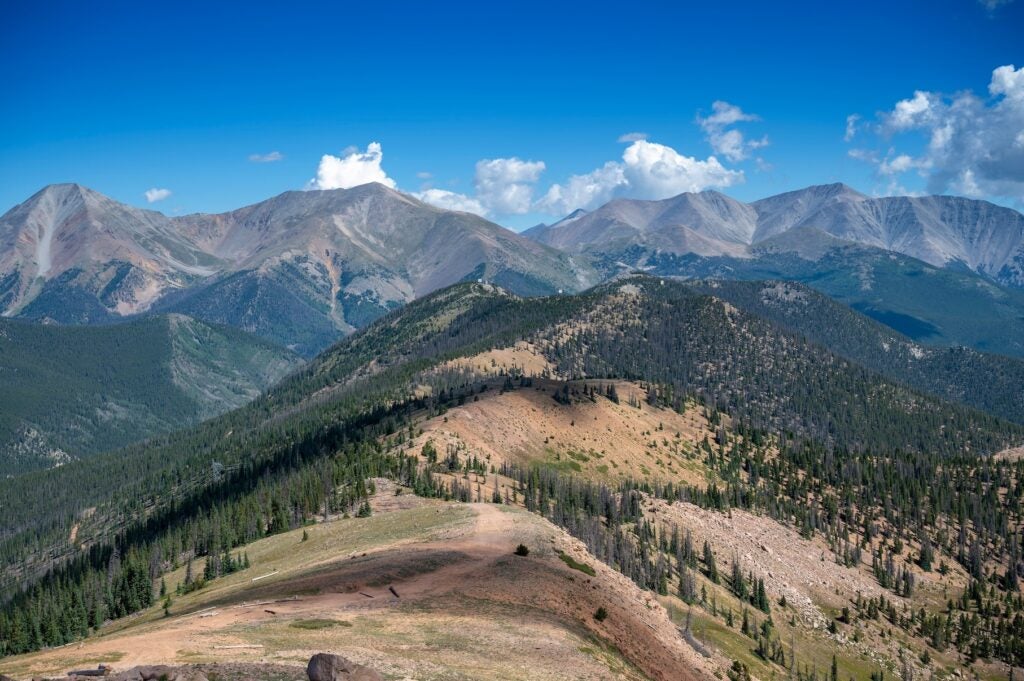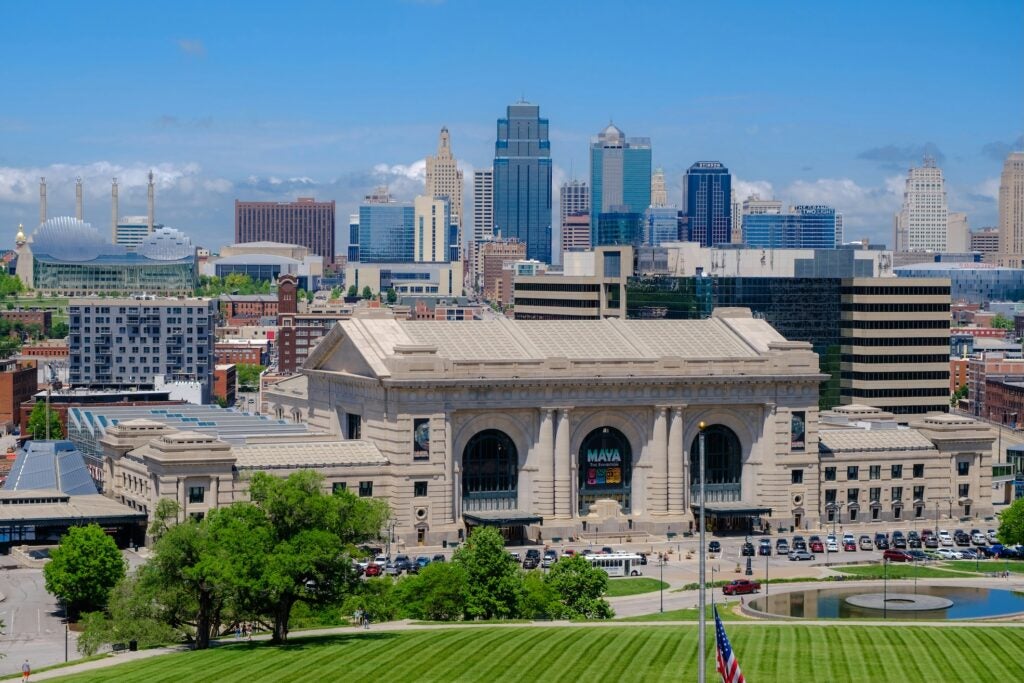
The route begins in urban Kansas City and quickly transitions to rolling farmland along I-70. Western Kansas delivers long horizons and steady grades, with reliable services in towns like Salina and Colby. In Colorado, the terrain gradually rises before dramatic peaks appear near Walsenburg and the Sangre de Cristo Mountains. Late spring through early fall offers the most predictable weather, though summer heat can be intense on the plains. Winter storms may impact roads, and can happen as early as October and as late as May, so check conditions through the Colorado Department of Transportation before heading into higher elevations.
Quick Stats for This Road Trip Segment
| Route Details | Info | Notes |
|---|---|---|
| Total Distance | Approx. 650 miles | Kansas City to Pueblo |
| Drive Time | 10 to 11 hours | Without extended stops |
| States | Missouri, Kansas, Colorado | Midwest to Rockies |
| Primary Routes | I-70, US-160, I-25 | Major highways, paved |
| Recommended Duration | 3 to 4 days | Allows time for dunes and hikes |
| Cell Service | Good to Spotty | Weaker near dunes and mountains |
| Fuel Stops | Salina, Hays, Colby, Lamar | Long gaps in western KS |
Day-by-Day Kansas City to Pueblo Itinerary
Day 1: Kansas City to Salina Along I-70
Approx. 180 miles, 2.5 to 3 hours. Leave Kansas City early to beat traffic and settle into the rhythm of I-70. The road is straight and well-maintained, with frequent services.
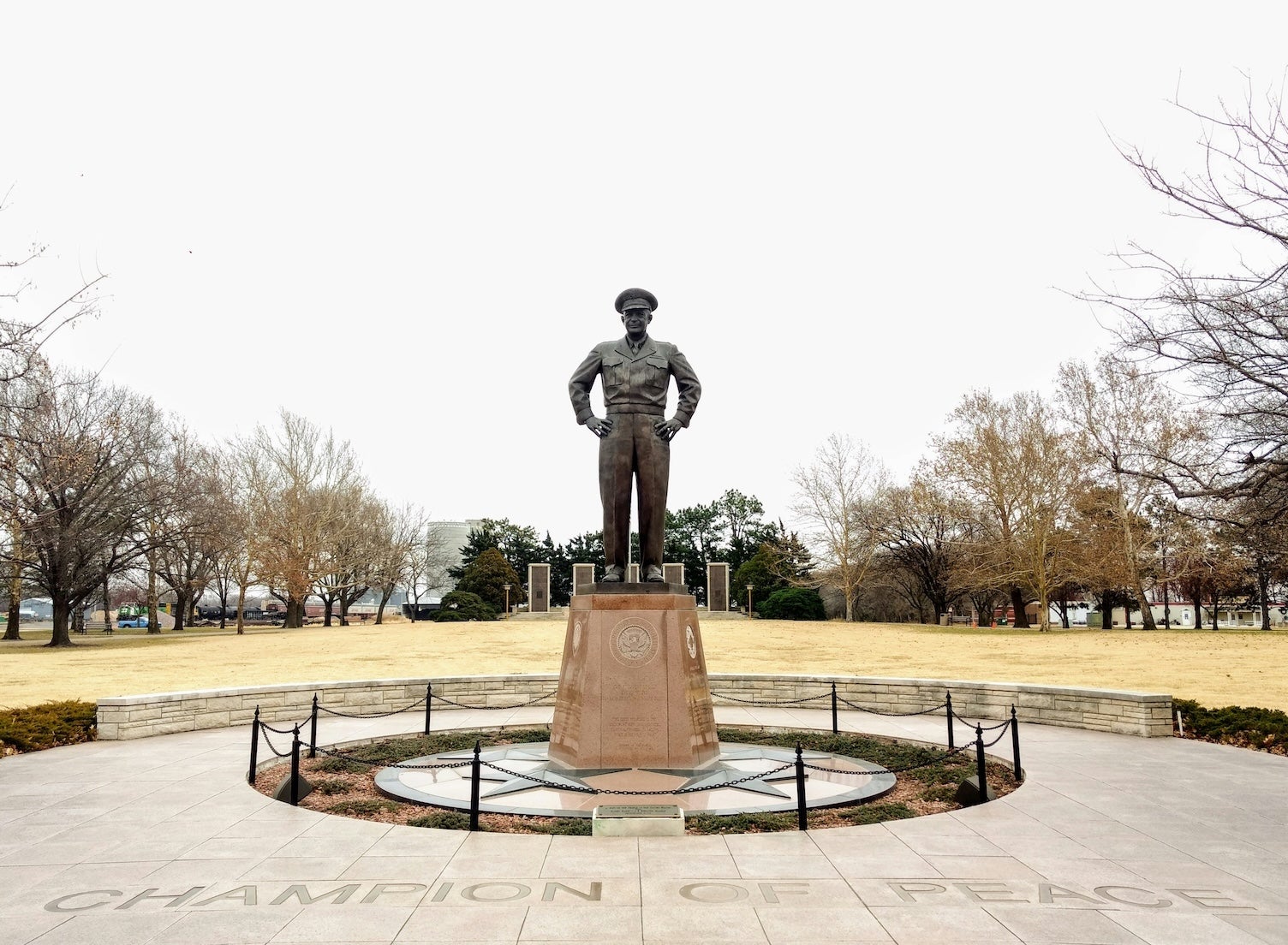
In Topeka, stretch your legs at the Kansas State Capitol. The dome tour is free and offers wide views over the city. Continue west and stop in Abilene to visit the Eisenhower Presidential Library, which opens daily except major holidays and provides a thoughtful look at mid-century history.
If you prefer a quieter overnight away from the interstate, consider detouring north to Marysville City Park. This small-town campground offers spacious sites beneath mature shade trees, clean restrooms, and a peaceful setting along the Big Blue River. It’s a low-cost, easy stop that feels a world away from highway traffic.
Spend the night in Salina, a convenient midpoint with grocery stores, outfitters, and multiple fuel stations. Optional detour: drive 25 miles south to Kanopolis Lake for hiking and shoreline views if you have extra time.
Day 2: Salina to Colby Across Western Kansas
Approx. 190 miles, 3 hours. Today’s drive highlights the scale of the Great Plains. Traffic thins west of Hays, and the horizon feels endless.
Stop in Hays to explore Frontier Park and the Sternberg Museum of Natural History, known for its fossil displays. In Oakley, visit Monument Rocks, a 25-mile detour south of I-70 featuring dramatic chalk formations rising from the prairie.
Overnight in Colby, where you will find full services and several dining options along the interstate. Fill your tank here. The next stretch into eastern Colorado has fewer towns and longer distances between exits.
Day 3: Colby to Great Sand Dunes National Park
Approx. 220 miles, 4 to 5 hours. Cross into Colorado and continue on I-70 briefly before heading south via US-287 and US-160 toward the Sangre de Cristo Mountains. Elevation gradually increases, and the landscape shifts from grassland to rugged foothills.
Pause in Lamar or La Junta for lunch and fuel. As you approach Alamosa, consider a stop at the Monte Vista National Wildlife Refuge for birdwatching during migration seasons.
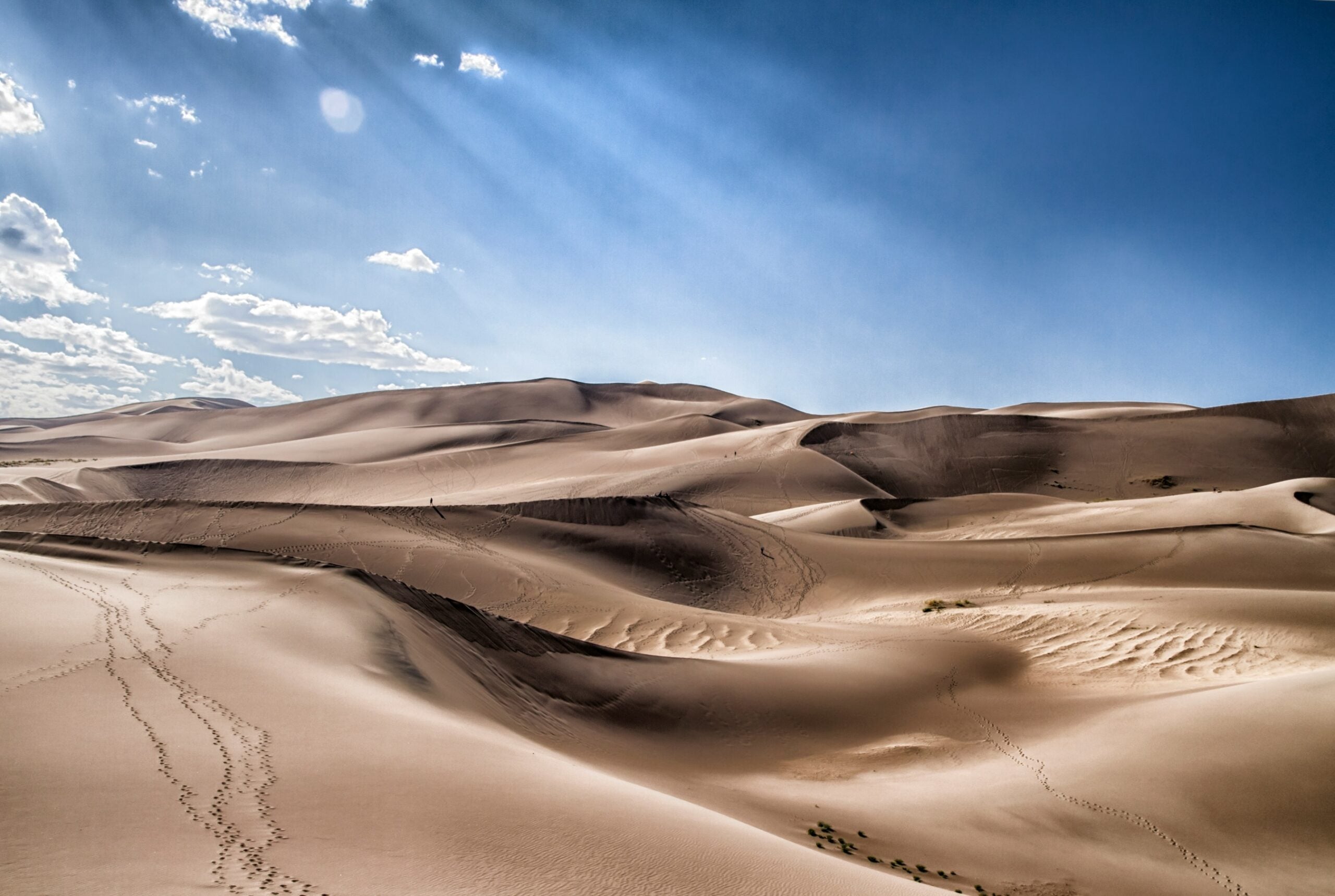
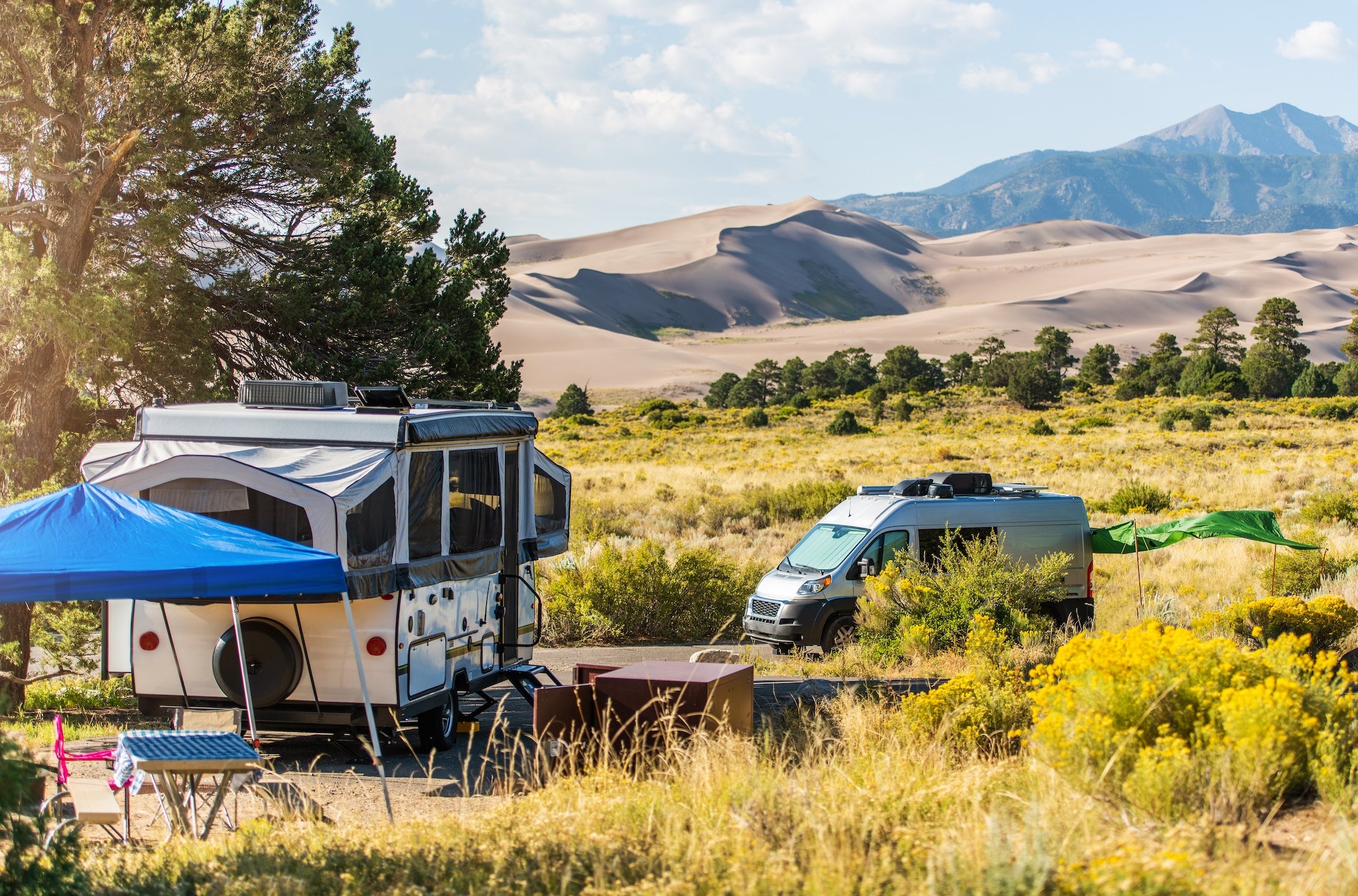
Arrive at Great Sand Dunes National Park by late afternoon. Walk directly onto the dunes from the main parking area or hike the 2.8-mile round trip Mosca Pass Trail for forested shade and views. Review current conditions on the National Park Service site for Great Sand Dunes before your visit. Stay overnight nearby to enjoy the sunset light on the dunes.
Day 4: Great Sand Dunes to Pueblo via Walsenburg
Approx. 100 miles, 2 hours. Spend your morning exploring the dunes when sand temperatures are cooler. Climbing High Dune, about 2.5 miles round trip, offers expansive views across the valley.
Drive east on US-160 through La Veta Pass, which reaches over 9,400 feet and delivers sweeping mountain scenery. In Walsenburg, you can detour 3 miles to Lathrop State Park for a lakeside picnic.
Continue north on I-25 into Pueblo. Explore the Historic Arkansas Riverwalk downtown before settling in for the night. Pueblo has full services, medical facilities, and easy access to the next segment of The Loneliest Road.
Campgrounds Along the Kansas City to Pueblo Route
Piñon Flats Campground sits inside Great Sand Dunes National Park near Alamosa. Surrounded by piñon and juniper trees, this campground offers tent and RV sites with mountain views and easy dune access. Campers appreciate its proximity to Medano Creek in late spring.
Watkins Mill State Park Campground north of Kansas City provides a wooded first-night option with electric hookups and a scenic 3.8-mile paved lake trail. It is a calm transition from city to countryside.
Milford State Park Campground near Junction City sits on the largest lake in Kansas. Expect spacious RV sites, shower houses, and access to boating and fishing.
Cedar Bluff State Park Campground west of Hays offers blufftop views over a deep blue reservoir. Both tent and RV sites are available, and sunsets here are striking on clear evenings.
Lathrop State Park Campground near Walsenburg features lakeside campsites with electric hookups and showers. It makes a convenient stop between the dunes and Pueblo.
Lake Pueblo State Park Campground just west of town provides full-service sites, boating access, and over 60 miles of trails. It is ideal for extending your stay near Pueblo.
Top Things to Do Between Kansas City and Pueblo
Natural Highlights
Great Sand Dunes National Park protects the tallest dunes in North America, rising over 700 feet. Medano Creek typically flows from late May into early summer. Cedar Bluff State Park and Milford Lake offer prairie reservoir scenery and easy shoreline trails.
Cultural and Historic Sites
The Eisenhower Presidential Library in Abilene and Bent’s Old Fort National Historic Site near La Junta provide insight into westward expansion. Both operate with set hours, so check official sites before arrival.
Outdoor Recreation
Hike the Mosca Pass Trail, climb High Dune, or bike the Arkansas River Trail in Pueblo. Fishing and boating are popular at Lathrop and Lake Pueblo state parks.
Unique Stops
Monument Rocks in western Kansas offers a memorable side trip, while Pueblo’s Historic Arkansas Riverwalk delivers dining and evening strolls in a compact downtown setting.
Travel Tips for This Stretch of The Loneliest Road
Western Kansas can feel isolated, with 60 to 80 miles between full-service towns. Keep your fuel tank above half once you pass Hays. Summer temperatures often exceed 95 degrees on the plains, while mountain evenings near the dunes can drop sharply after sunset.
Strong crosswinds are common along I-70, especially for high-profile RVs. In spring and early summer, Medano Creek at Great Sand Dunes may require water shoes for safe crossing. Cell service weakens inside the national park and along parts of US-160, so download maps in advance.
Continue Your Loneliest Road Adventure
This Kansas City to Pueblo drive is just one portion of the larger journey west. For context on how it connects to Nevada’s remote highways and beyond, review our Loneliest Road road trip overview. You can also explore the full Loneliest Road road trip itinerary to map out every segment. Before you go, consider The Dyrt PRO for offline maps and campground details, and follow Leave No Trace principles to keep these landscapes open and welcoming for future travelers.
The Dyrt is the only camping app with all of the public and private campgrounds, RV parks, and free camping locations in the United States. Download now for iOS and Android.Popular Articles:
Articles on The Dyrt Magazine may contain links to affiliate websites. The Dyrt receives an affiliate commission for any purchases made by using such links at no additional cost to you the consumer.