The Minnesota Valley Recreation Area provides accessible equestrian trails within a network of natural habitats southwest of the Minneapolis-Saint Paul metro area. Bridle paths wind through oak savanna and wetland ecosystems typical of southern Minnesota at elevations ranging from 750-900 feet. Trail conditions vary seasonally with spring thaws often creating muddy sections that require careful navigation by riders.
What to do
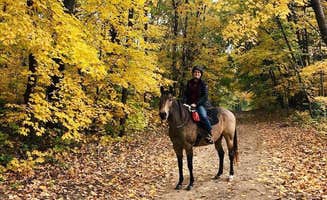
Trail riding year-round: Horse enthusiasts can access approximately 35 miles of dedicated bridle trails at Lake Maria State Park. "The trails are a little more woodsy sites. Some are lake front and some are more woodsy sites," reports Tori K. Riders should pack appropriate seasonal gear as conditions vary dramatically.
Horse-friendly swimming access: Summer visitors can cool off at Baker Park Reserve where "there are nice paved trails around a couple of lakes/ponds for biking, and easy access to the shower and bathroom facilities (which were very nice)," according to ERolf P. Water access for horses remains limited to designated areas.
Birding opportunities: The diverse habitats support robust bird populations for equestrian campers who enjoy wildlife viewing. One visitor to Crow Hassan Park Reserve notes it's "Great for birding and walking trails! One of my favorite places to go near home." Binoculars and field guides enhance the experience for horse riders taking breaks along the trails.
What campers like
Well-maintained facilities: Many equestrian campers appreciate the accessibility of bathroom facilities near trail systems. At Baker Campground, visitors note "Bathrooms were close and well kept." These facilities provide essential comfort for multi-day trail riders.
Privacy between sites: Horse campers value separation between camping areas to minimize stress for their animals. "The sites are large, but very open (which was ok with a group of us, not our style when it's just us though)," Jennifer H. remarks about their experience. This spacing allows equestrians room to manage their horses comfortably.
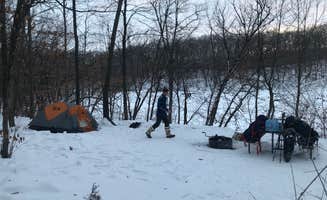
Winter access: Unlike many seasonal campgrounds, experienced equestrians value facilities that remain accessible during colder months. "Spent a lot of my childhood playing and exploring this park! It wasn't till a few years ago that I actually stayed and camped overnight," shares one regular visitor who appreciates the year-round availability of certain trails and camping areas.
What you should know
Seasonal insect conditions: Be prepared for significant insect activity during summer months. A camper at Lake Maria State Park warns: "When we pulled up to the parking lot we knew we were in trouble. The black flies were dive bombing the car like a scene from Armageddon." Horse riders should pack appropriate repellents and protective clothing.
Water availability fluctuations: Water sources for horses may become limited during dry periods or winter. While drinking water is generally accessible, equestrians should verify current conditions before arrival, especially for longer stays requiring substantial water for their animals.
Reservation requirements: Unlike some dispersed camping areas, all equestrian sites require advance booking. The reservation system typically opens 120 days before arrival date, and popular weekends fill quickly, particularly during prime riding seasons.
Tips for camping with families
Child-friendly amenities: Families with both children and horses can find accommodations at High Island Creek Park where one visitor notes: "Fun, clean and fairly priced! Most activities are free!" The park offers playgrounds near camping areas so parents can supervise children while tending to horses.
Beginner-friendly trails: Select loops appropriate for young or inexperienced riders. "I spent the entire time just saying 'wow'. I had never been here before, despite it only being 20 minutes away," shares one visitor about discovering suitable trails for riders of all levels.
Pack multiple layers: Weather conditions can change rapidly in this region. Families should bring additional clothing options for everyone, including waterproof gear during spring and fall seasons when temperature fluctuations are most pronounced.
Tips from RVers
Parking considerations: RVs with horse trailers require specific planning at Lake Elmo County Park Reserve. "Our modern site 40 was in a great open location with a shaded edge. We had plenty of room to play, park the camper or set up tents," shares Steph H. The park accommodates larger rigs with room for both living quarters and horse trailers.
Electricity limitations: While electric hookups exist at several equestrian campgrounds, amperage may be restricted. "We were able to utilize water and electric hookups," mentions one RVer, though facilities typically offer 30-amp service rather than 50-amp connections needed by larger units.
Manure management protocols: RVers with horses must follow specific waste management guidelines that vary by facility. Some parks provide designated disposal areas while others require campers to pack out all manure. Check current regulations before arrival as requirements change seasonally.




 Legend


