Most outdoor enthusiasts assume Search and Rescue (SAR) works like other emergency services: dial 911, help arrives, taxes cover the cost. The reality is more complicated and more impressive.
Search and rescue in the U.S. is primarily a county-led, volunteer-driven system that depends on community support, grant funding, and partnerships to maintain readiness. Understanding how this system works matters not just for your safety, but for the sustainability of backcountry access itself. When SAR teams can’t respond effectively due to funding gaps or equipment shortages, access restrictions often follow.
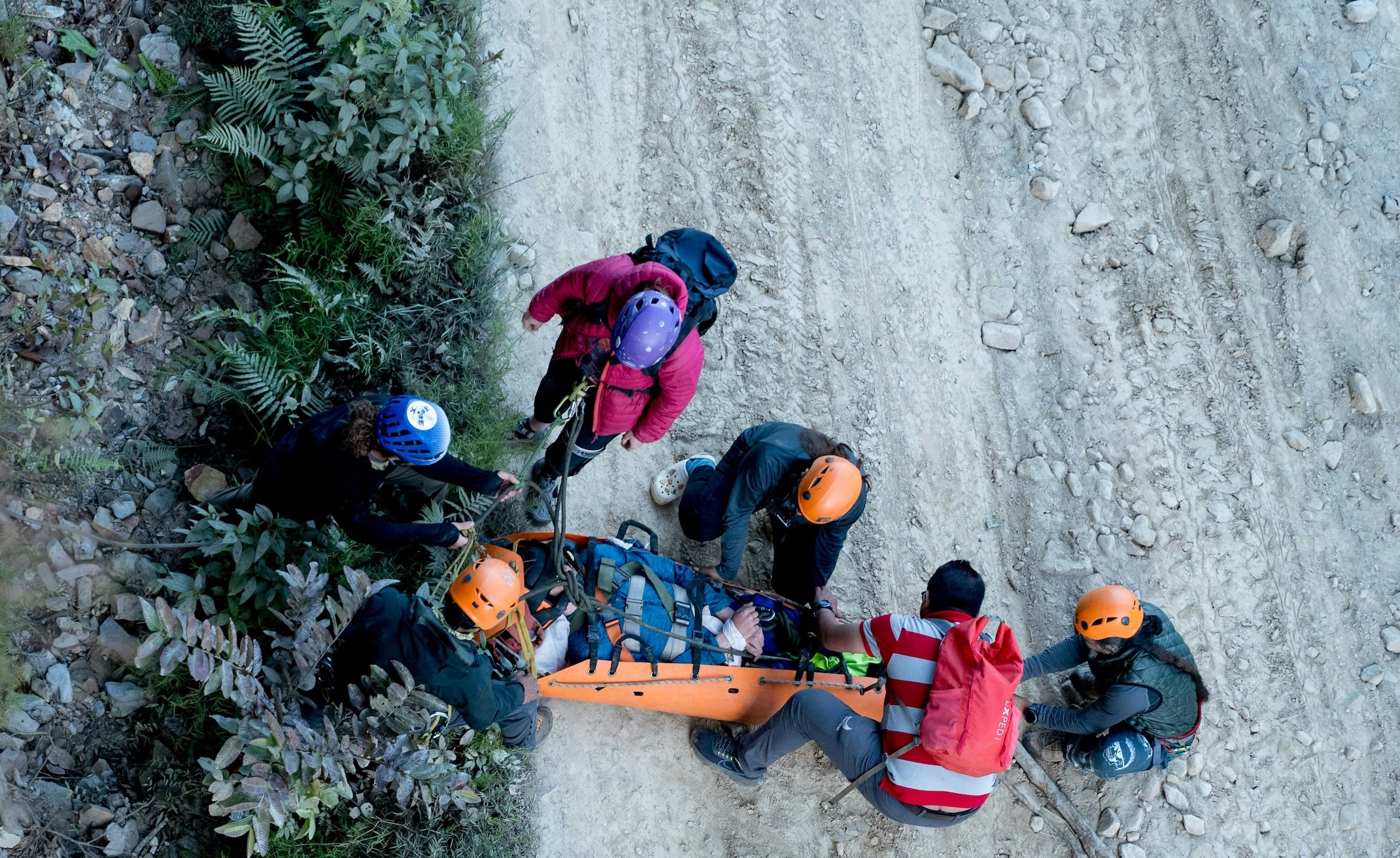
This is the story of how rescues actually happen, who makes them possible, and why supporting SAR infrastructure strengthens the entire outdoor community.
How SAR Is Organized in the U.S.
Unlike fire or EMS, SAR has no single national model. It operates through a patchwork of county leadership, volunteer teams, and multi-agency coordination that varies by region.
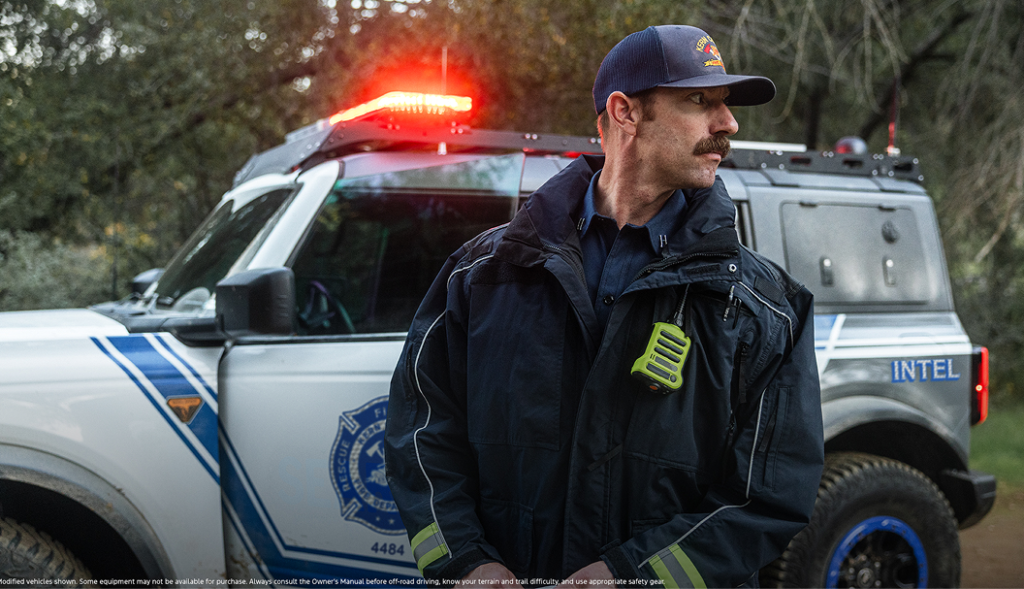
In most states, the county sheriff holds statutory responsibility for search and rescue. When someone goes missing, the sheriff serves as incident commander, activating local SAR teams and coordinating the response. In many counties, those teams are entirely volunteer. They may operate as independent nonprofits, sheriff’s auxiliary units, or divisions within fire departments.
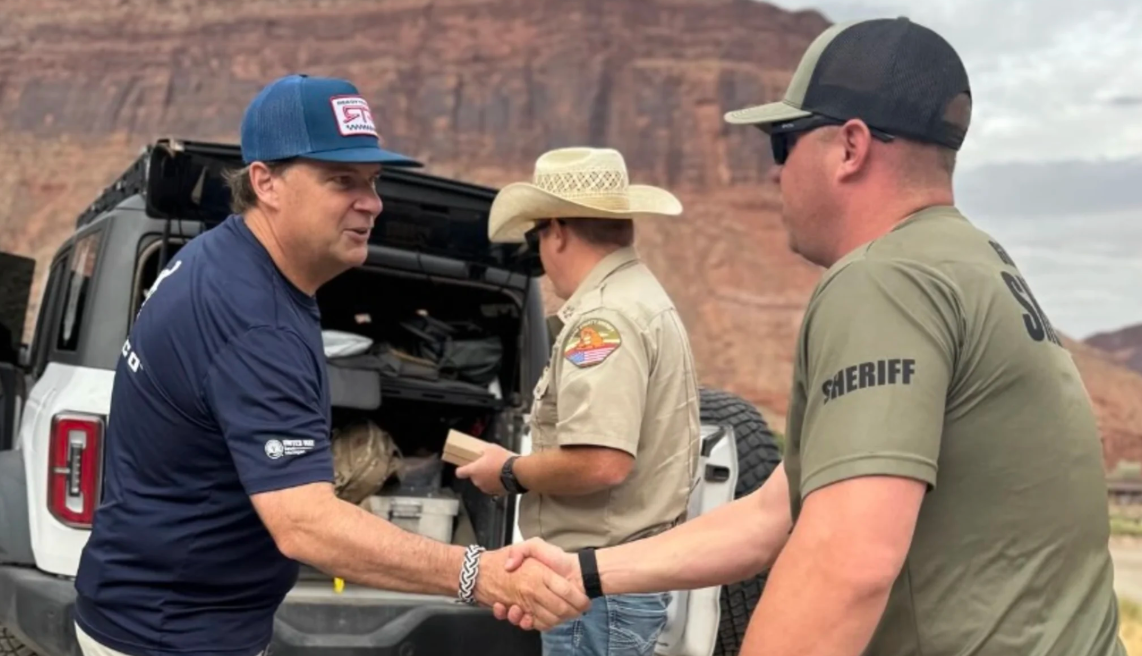
This model has real strengths. Local teams know their terrain. They are embedded in their communities. They can scale up through mutual aid with neighboring counties. But capability depends on volunteer availability and local resources. Rural counties or areas with limited recreation may struggle to maintain trained, fully equipped teams.
Jurisdiction adds complexity. A single incident may involve county SAR volunteers, sheriff’s deputies, fire and EMS, U.S. Forest Service law enforcement, National Park Service rangers, state wildlife officers, and helicopter assets from the National Guard or private contractors. Each operates under different authorities and funding streams. Making this work requires pre-established agreements, Incident Command System training, and strong interagency relationships.
Responsibility also shifts by location. Counties typically manage rescues on private land and many state lands. National Parks run their own SAR programs but often collaborate with counties. National Forests require close coordination between the Forest Service and county teams. When those relationships are strong, the system works.
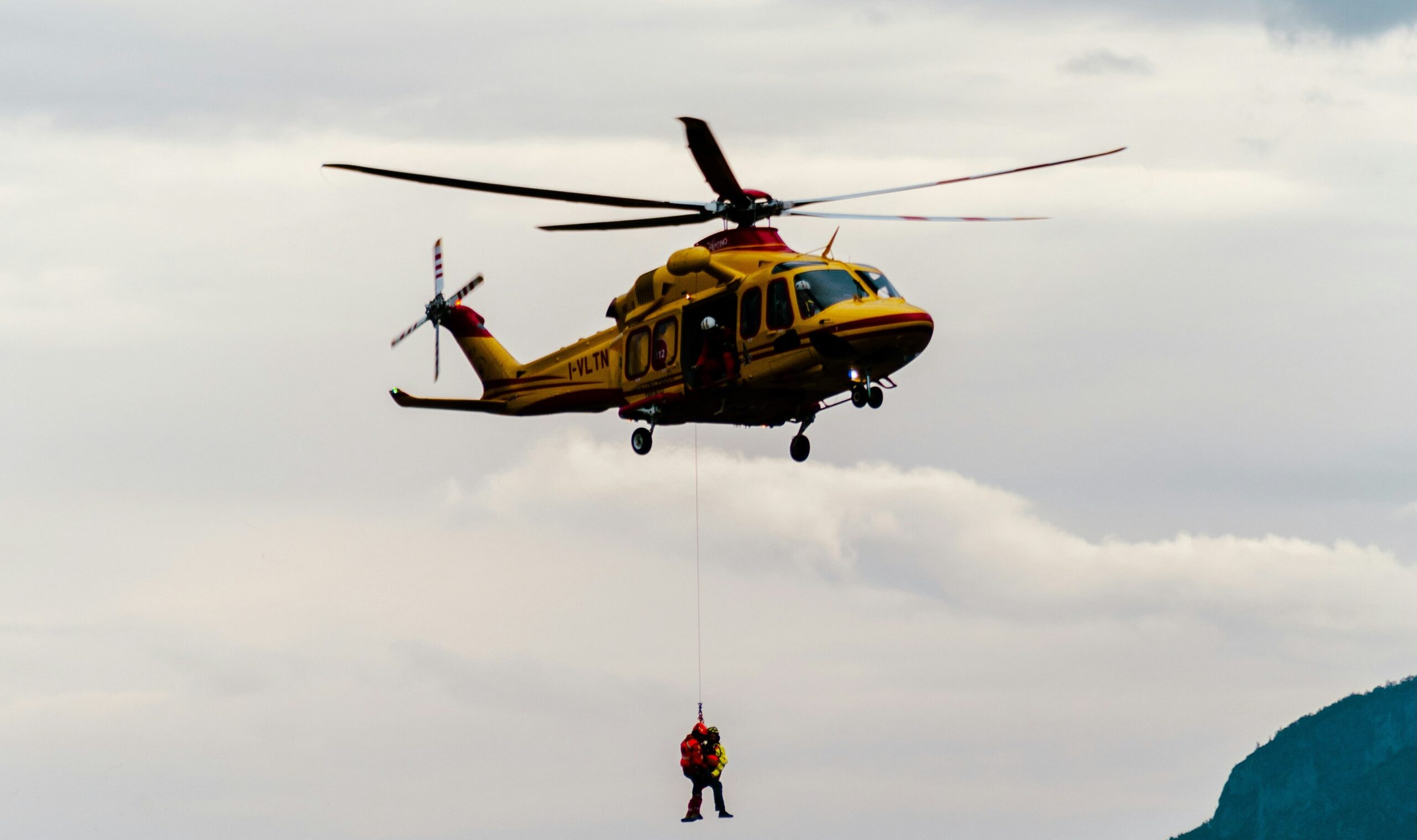
Regional variation is dramatic. Colorado’s mountain counties maintain highly specialized teams for rope rescue, avalanche response, and high-altitude operations. Alaska relies heavily on Civil Air Patrol and military assets across vast distances. Appalachian states coordinate across multiple small counties. Desert Southwest teams focus on heat emergencies and slot canyon rescues.
This local structure means teams carry primary responsibility for their communities. It also means external support, from grants to national partnerships, can significantly strengthen existing infrastructure.
Who Makes Up SAR Teams
When you activate an emergency beacon, the people who respond are your neighbors.
SAR volunteers come from every profession. Some are mountain guides and ski patrollers. Others are teachers, nurses, software engineers, construction workers, or small business owners. They bring skills from their day jobs, from aviation knowledge to technical rope systems to wilderness medicine.
Training is substantial. Most teams require wilderness medical certification, ICS coursework, and team-specific instruction on terrain, communication protocols, and search techniques. Technical members pursue additional certifications in rope rescue, swift water rescue, avalanche response, or helicopter operations. Many maintain Wilderness First Responder credentials or higher.
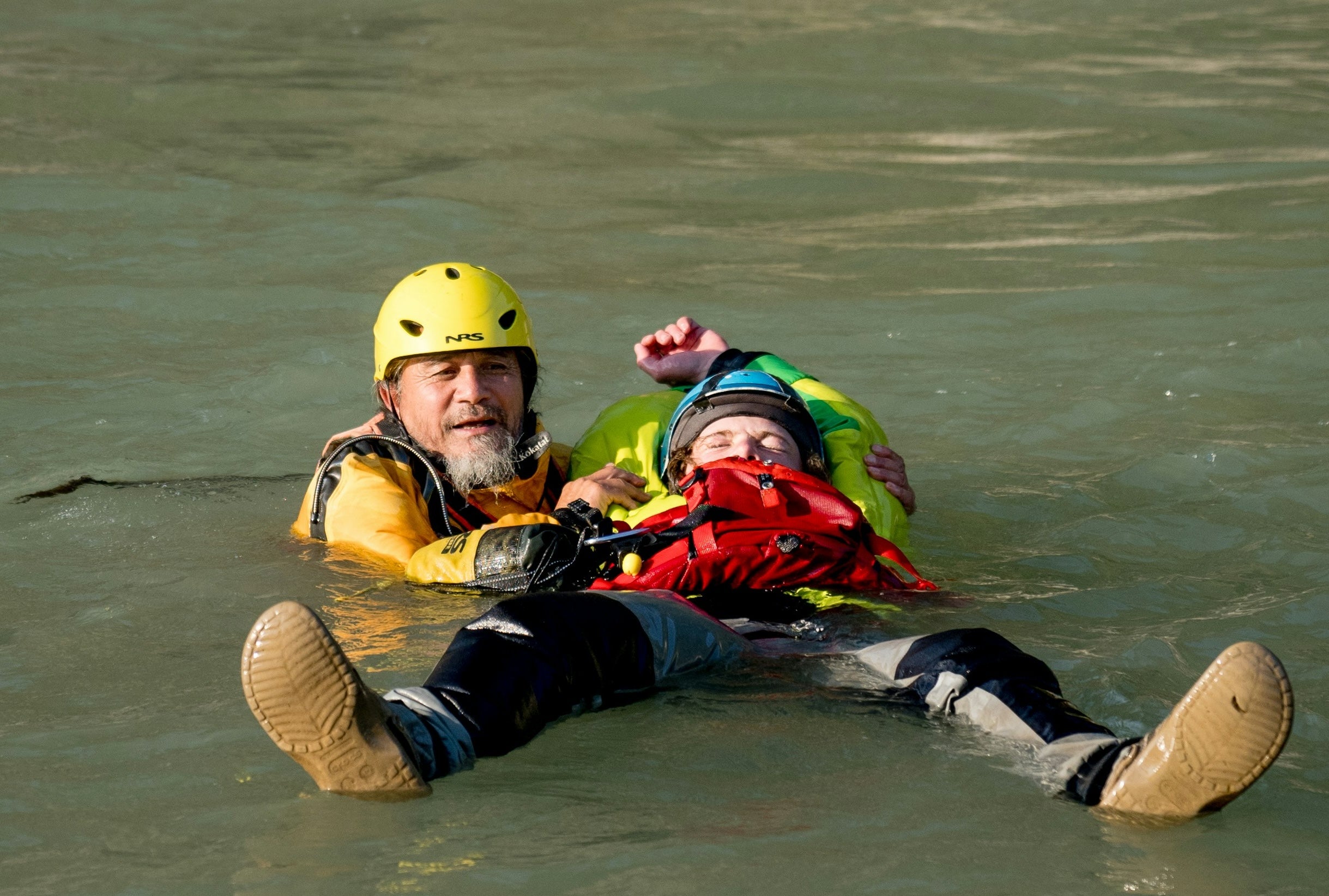
Training is ongoing. Teams often meet twice monthly or more, practicing search patterns, rope systems, patient packaging, and scenario-based exercises. This maintains perishable skills and builds the cohesion that matters during high-stress missions.
The time commitment is significant. Active volunteers typically contribute 100 to 300 hours annually between training, callouts, maintenance, and administration. Many must meet availability standards, responding to a percentage of incidents or covering on-call shifts. Balancing careers and families with that responsibility is no small commitment.
Why do they do it? For community. For service. For the belief that someone has to be there when things go wrong. Many are recreationists themselves. They understand how quickly an ordinary day outside can change.
Retention is a constant challenge. Volunteers move, burn out, or shift priorities as life evolves. Sustaining teams requires continuous recruitment and mentorship, which takes time and resources.
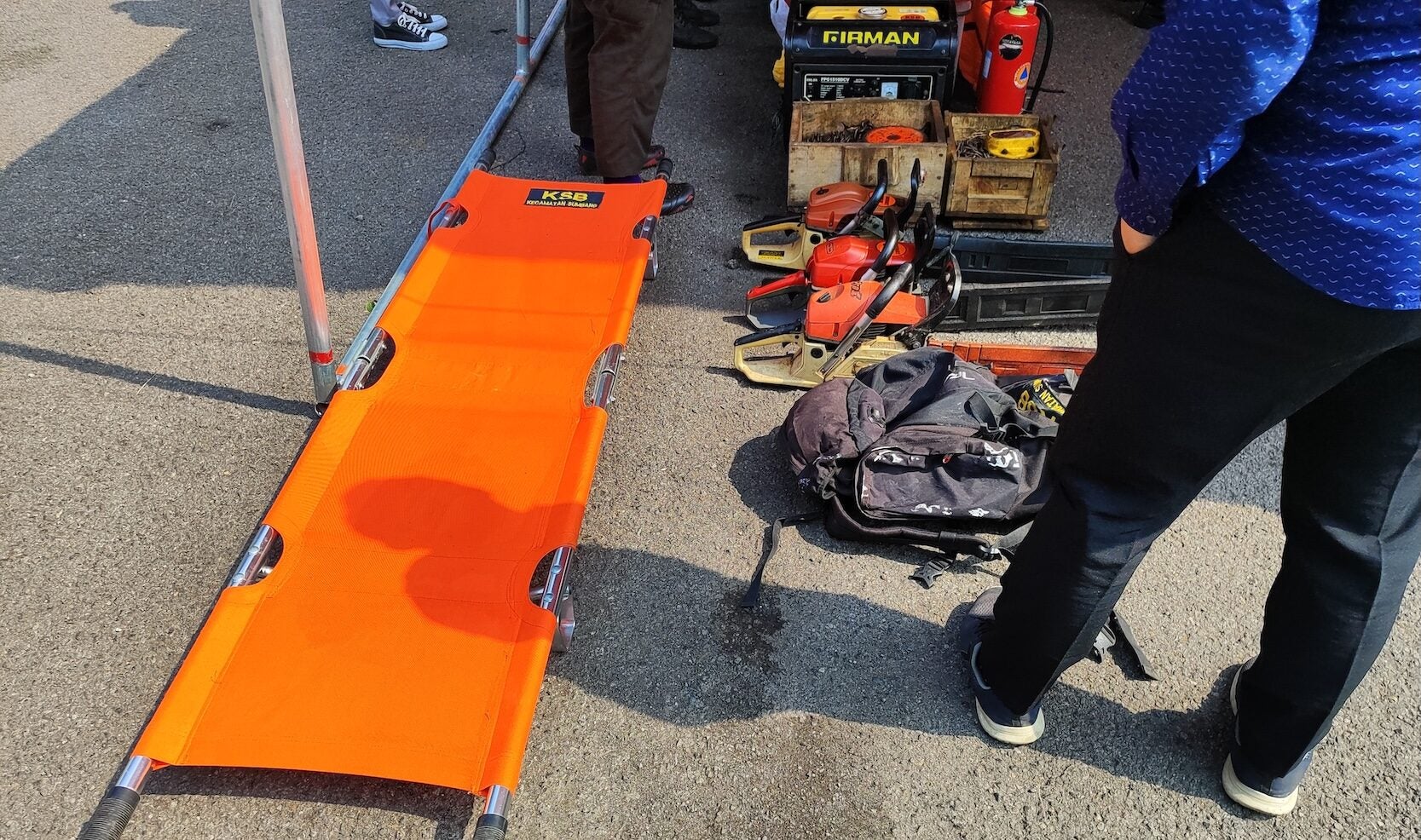
Supporting these volunteers means equipping them properly. When responders are using personal vehicles, purchasing gear out of pocket, and taking unpaid time away from work, providing adequate equipment becomes a matter of respect as much as effectiveness.
The Funding Reality
Here is what most people do not realize: SAR often operates on limited or inconsistent funding.
County support varies widely. Some jurisdictions allocate modest budgets for fuel, communications maintenance, or basic supplies. Others provide little to no direct funding, expecting teams to fundraise independently. Even where budgets exist, they rarely cover major capital purchases like vehicles or advanced rescue equipment.
SAR competes with every other county priority, from roads to social services. Large expenditures for infrequent emergencies can be difficult to justify, even though response capability directly impacts public safety.
As a result, most teams rely heavily on community donations and fundraising. They run annual campaigns, apply for local grants, and depend on contributions from residents and grateful rescued parties. This model builds strong community ties, but it creates instability. Teams may save for years to purchase a single vehicle or specialized system.
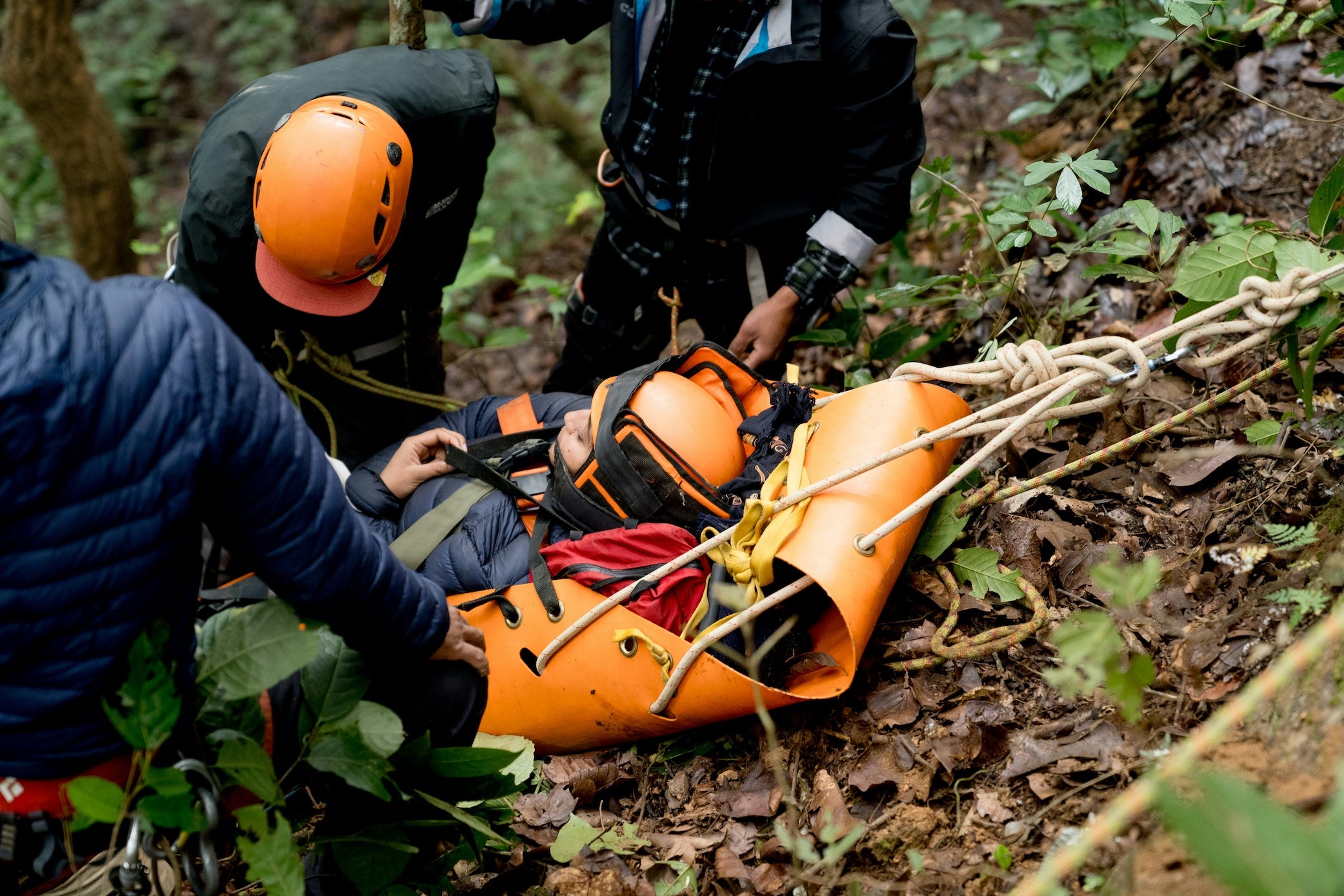
Grant funding is essential but competitive and often restricted. Federal programs, state agencies, and private foundations can support major purchases, yet applications require time and administrative capacity. Grants may cover a vehicle but not long-term maintenance.
Equipment costs are substantial. Upfitting a SAR vehicle with communications integration, storage systems, and specialized modifications can add tens of thousands of dollars beyond the base price. Rope rescue gear, avalanche equipment, medical supplies, and radios add more. These are not one-time expenses. Gear wears out. Technology evolves. Safety standards advance.
Operational Needs: What It Takes to Respond
When a callout comes in, willingness is not enough. Teams need capability.
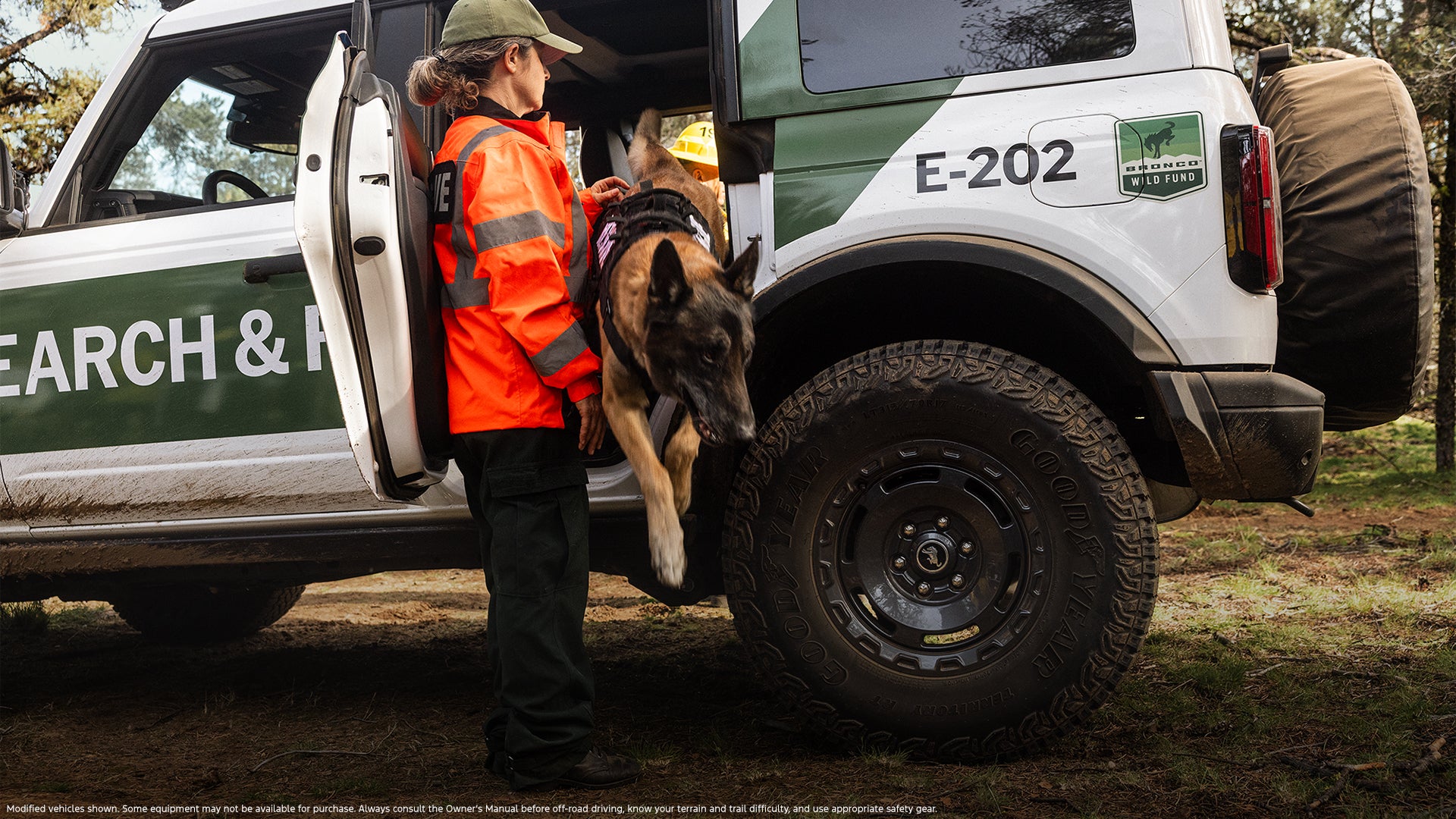
Vehicles are foundational. Responders must reach trailheads and staging areas on unmaintained roads, in snow, mud, or steep terrain. A SAR vehicle carries personnel and gear, serves as mobile command, and sometimes transports patients when air evacuation is unavailable.
Beyond vehicles, specialized gear defines mission scope. Rope teams carry extensive technical systems. Swift water teams maintain boats and flotation equipment. Avalanche teams use beacons, probes, and shovels. Medical kits range from wilderness first aid to advanced life support. A single response can require multiple vehicles filled with equipment.
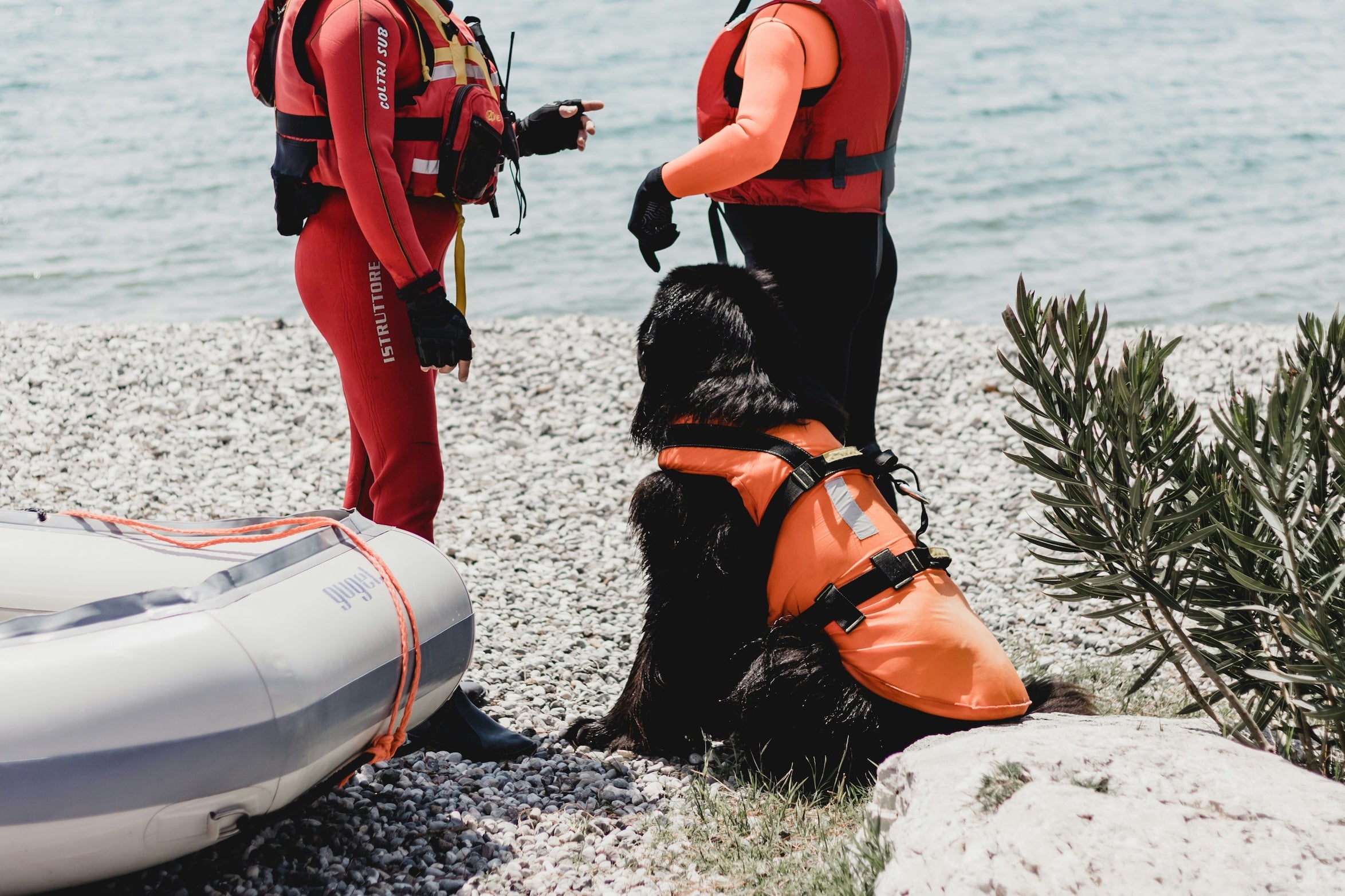
Communication systems are essential. Reliable radios, repeaters in mountainous terrain, satellite devices, and GPS tracking ensure coordination and responder safety. These systems require maintenance and upgrades as technology evolves.
Operational readiness is not static. It requires ongoing training, equipment care, and strong interagency relationships. When teams are well-equipped and well-trained, they reach people faster and bring them home more safely.
Why National Partnerships Strengthen Local Teams
The volunteer, county-led model is powerful, but it leaves gaps that partnerships can help fill.
Better equipment expands access. Updated vehicles and communications allow teams to reach more terrain and coordinate across jurisdictions. Specialized gear enables technical missions without waiting for distant mutual aid.
Safety improves for both rescuers and subjects. Reliable vehicles reduce the risk of responders becoming stranded. Modern communications allow rapid escalation if conditions deteriorate. Quality equipment reduces improvisation in high-consequence scenarios.
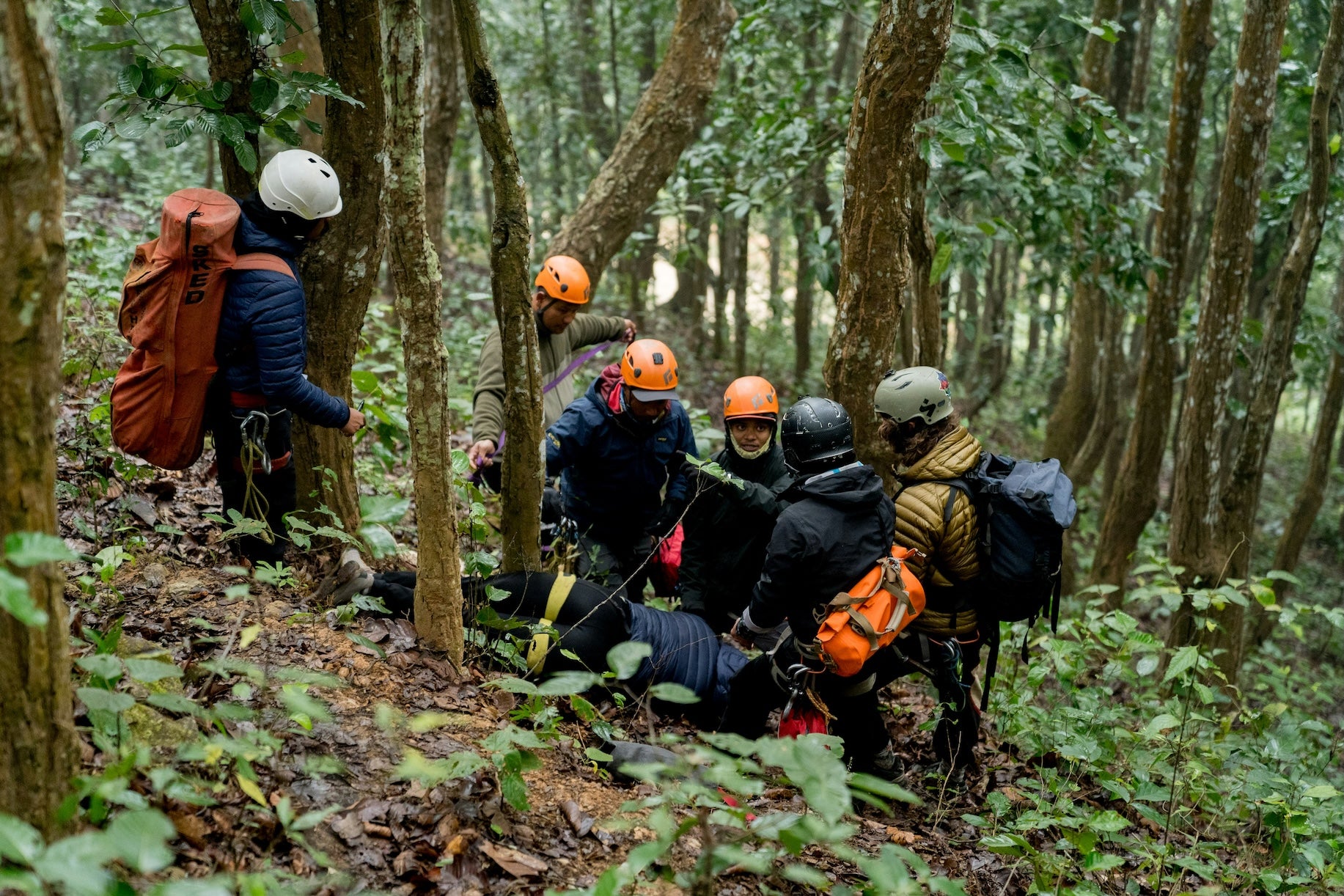
Response times in remote areas can mean the difference between survival and loss. Capability directly affects outcomes.
Sustainability also matters. When teams spend less time fundraising for basic infrastructure, they can focus on training and readiness. When volunteers are not subsidizing operations personally, retention improves. When counties see external investment, they are more likely to maintain their own support.
Ford’s work with NASAR is part of a broader ecosystem that includes foundations, manufacturers, state agencies, and community donors. No single source solves every challenge, but together they create the infrastructure that makes rescue possible.
The System Behind the Rescue
Search and rescue in America works because of people and infrastructure working together. Volunteers commit hundreds of hours. Counties uphold statutory responsibility. Communities donate. National partners provide scale and resources.
When any element weakens, the system feels it.
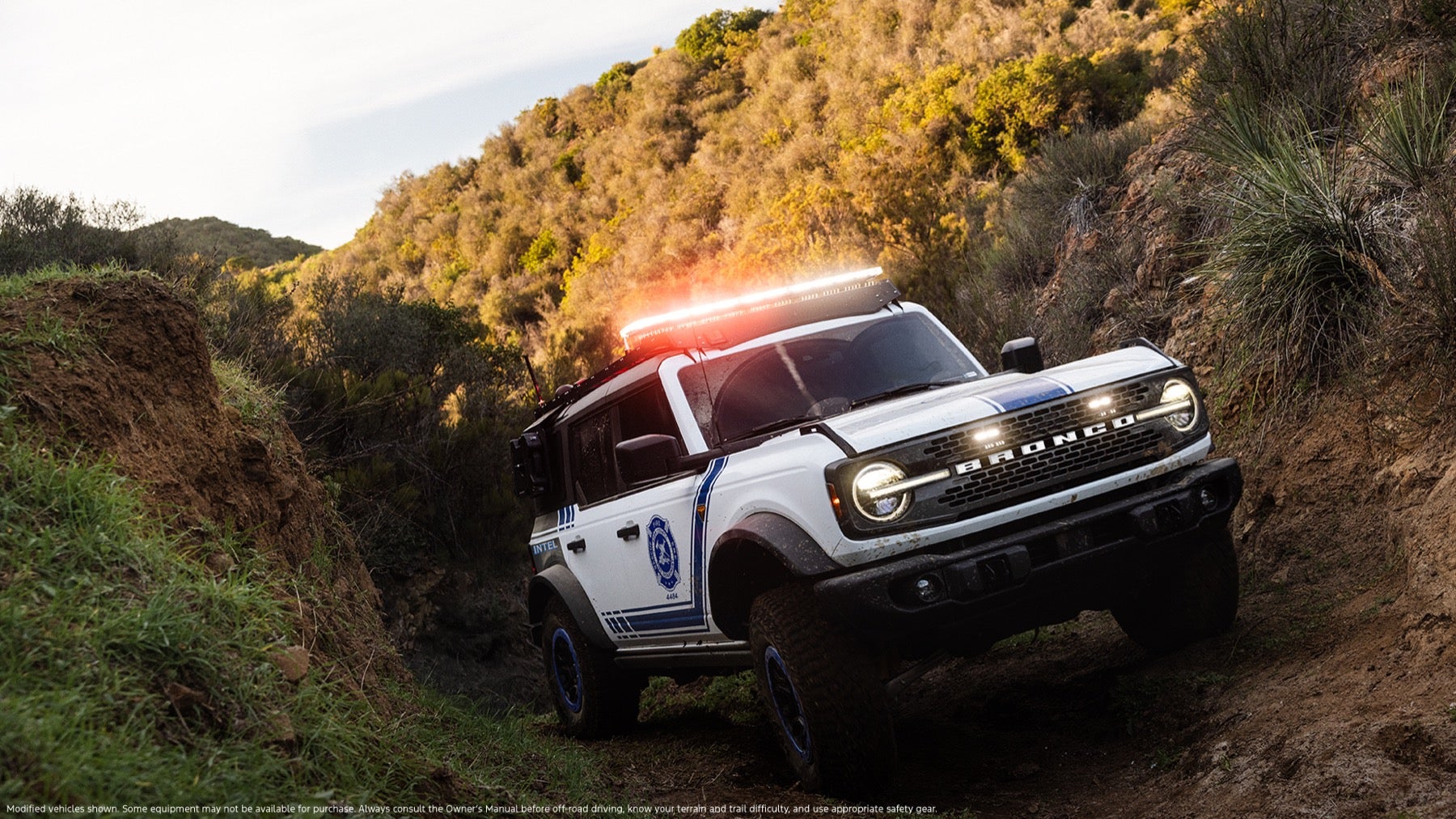
Ford’s partnership with NASAR to provide upfitted Broncos through a grant program is one example of tangible support that strengthens local teams. It is not the entire solution, but it is meaningful infrastructure investment.
Every time you head into the backcountry, you rely on this system. Understanding how it functions and what it requires is part of responsible recreation. That support might mean donating to a local team, advocating for funding, volunteering, or simply recognizing that access depends on shared responsibility.
Rescues do not happen by accident. They happen because communities choose to sustain the systems that make them possible.
Learn more about SAR operations and Ford’s partnership with NASAR at thedyrt.com/bronco-search-and-rescue
The Dyrt is the only camping app with all of the public and private campgrounds, RV parks, and free camping locations in the United States. Download now for iOS and Android.Popular Articles:
Articles on The Dyrt Magazine may contain links to affiliate websites. The Dyrt receives an affiliate commission for any purchases made by using such links at no additional cost to you the consumer.