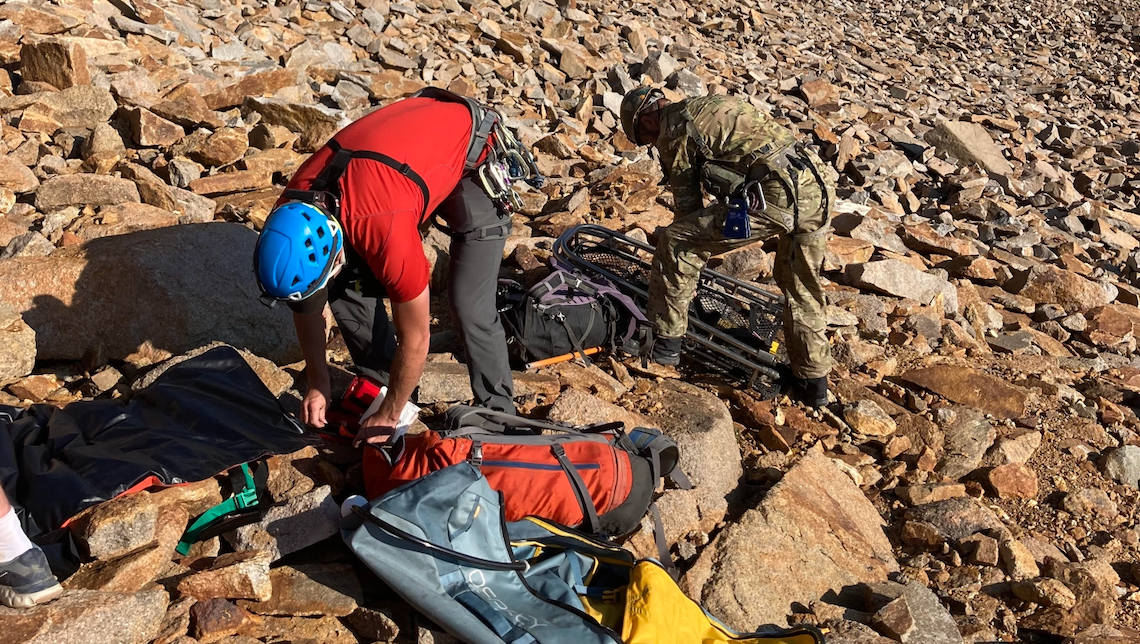
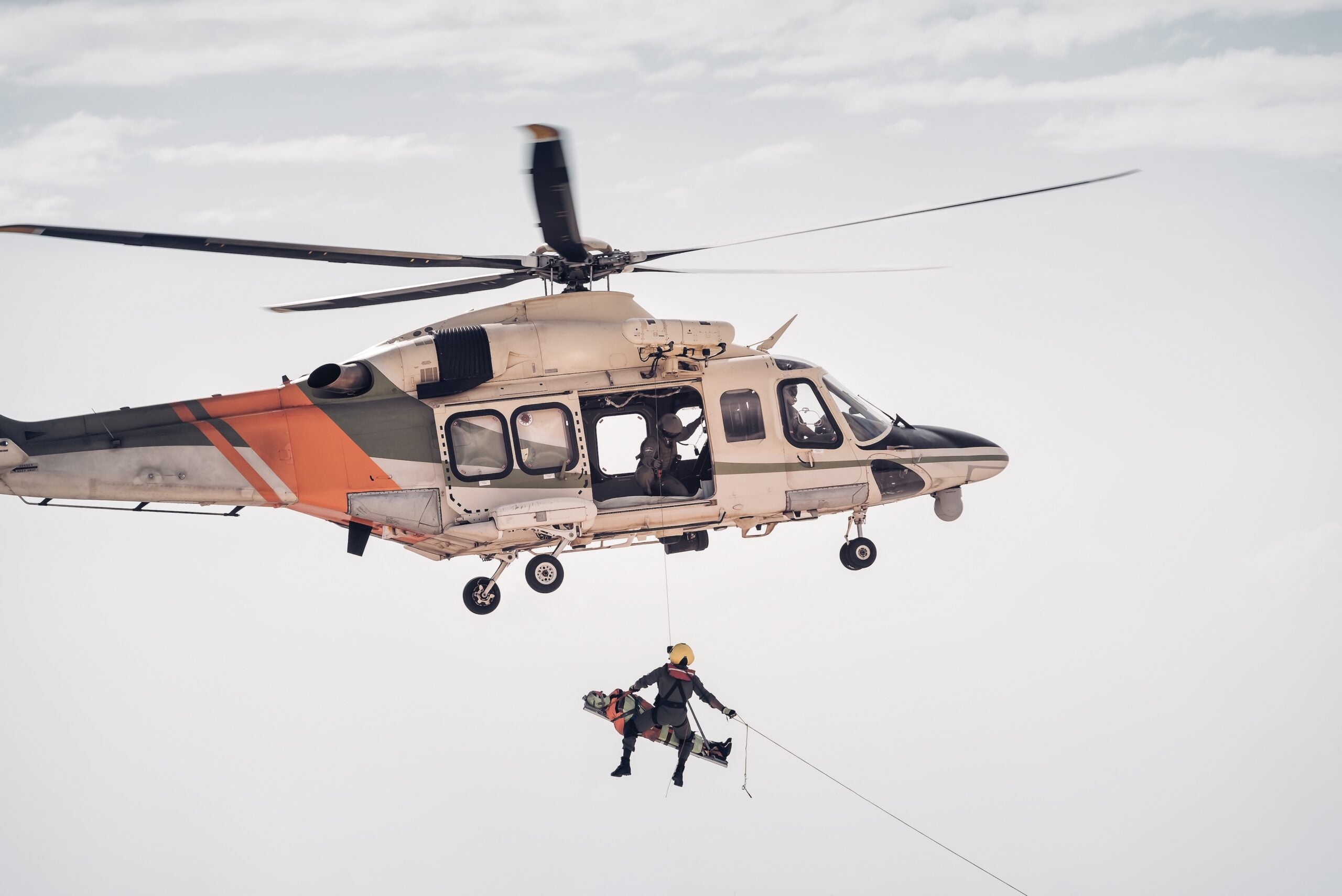
The call came in just after dawn: a plane had gone down somewhere on a 14,000-foot peak. Deputy Todd Rector and his team from San Miguel County Search and Rescue would spend days on that mountain, inserting via Black Hawk helicopter, rigging technical rope systems on exposed ridgelines, and ultimately recovering bodies from twisted metal embedded in snow and rock. The final victim wouldn’t be found until the following summer, after the snowpack finally released what it had buried.
This is search and rescue work stripped of romanticism. The part that doesn’t make it into the highlight reels celebrating backcountry adventure.
Todd Rector has been answering these calls since 1994. What started as volunteer work became his full-time assignment when he joined the San Miguel County Sheriff’s Office in 2000. Now, as a SAR specialist overseeing roughly 80 volunteers across Colorado’s unforgiving San Juan Mountains, he’s seen the full spectrum of what happens when the backcountry bites back.
“Everything from pulling somebody out of the Wilsons with a helicopter… to somebody whose poodle chased a rabbit down a deer trail,” Todd says. Between those extremes lie 60 to 80 callouts every year, each one demanding the same level of commitment.
The Pager Goes Off
The evaluation starts before anyone leaves the parking lot.
When dispatch routes a backcountry call, the first phase isn’t heroic action. It’s information gathering under uncertainty. He interviews the reporting party. He collects location data, sometimes walking panicked callers through the process of plotting GPS waypoints on their phones. He assesses whether a full team deployment is actually necessary or if the situation can resolve itself with guidance.
“The evaluation process involves… collecting as much information as I can,” Todd explains. Sometimes that information is robust: coordinates, a detailed description of injuries, clear weather conditions. Other times it’s a ping from a Garmin satellite device routed through the Air Force Rescue Coordination Center. A digital distress signal with minimal context.
The rise of satellite SOS technology has fundamentally changed search and rescue operations. Modern devices like Garmin inReach and satellite-enabled phones mean more people can call for help from truly remote locations. That’s saved lives. It’s also created a new category of callouts. Situations where the person hitting the SOS button could potentially self-rescue but chooses not to.
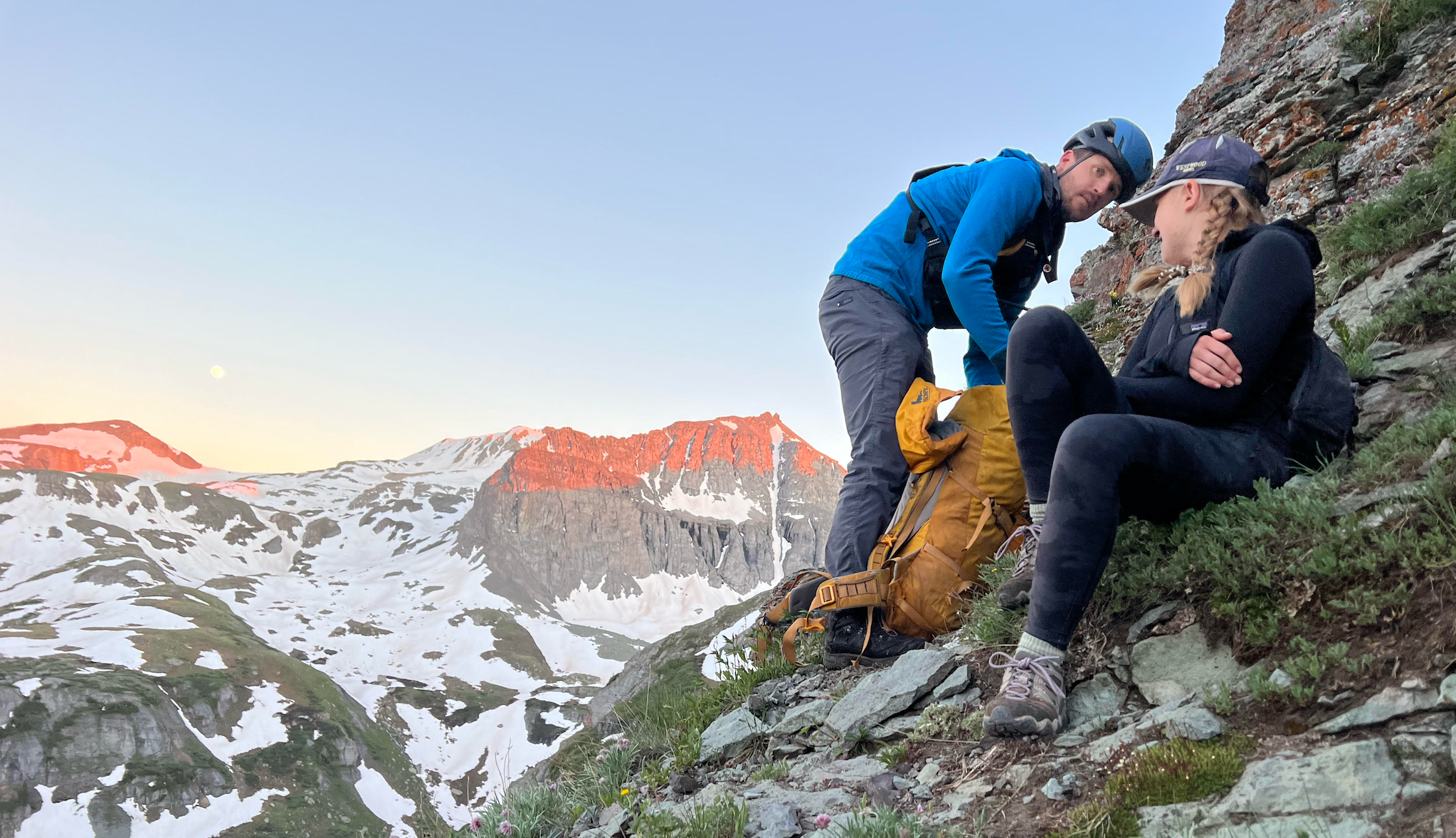
“That SOS button–we can’t ignore it,” Todd says. Every ping could be someone bleeding out from a climbing fall or simply someone who took a wrong turn and panicked. There’s no way to know until SAR volunteers drop what they’re doing (leaving jobs, families, dinner tables) and respond.
“There is a demographic that wants to hit a button and have rescuers flying in to pluck them out,” he notes, without judgment but with the weariness of someone who’s seen the pattern repeat. His advice: “Being familiar with those things before you actually need them is a really good idea.”
Know how your satellite SOS works. Understand what constitutes an actual emergency. Recognize the human cost of every activation.
The Range Between Routine and Catastrophic
San Miguel County SAR operates in terrain that doesn’t forgive mistakes. The San Juan Mountains deliver steep avalanche paths, technical 14ers, exposed passes, and the infamous Black Bear Pass. A 4WD route that regularly produces vehicle accidents requiring technical extraction.
The team handles river rescues. Climbing incidents. Lost hikers who wandered off-trail and couldn’t navigate back. Avalanche burials. Body recoveries from plane crashes, climbing accidents, and backcountry skiing tragedies.
“We do a ton of body recoveries,” Todd says plainly.
But for every high-stakes helicopter insertion, there are calls that resolve more quietly. Someone’s dog chased wildlife down a game trail and the owner can’t find their way back to the trailhead. A hiker took a wrong turn, panicked, and needed guidance rather than extraction. A group underestimated the time required for their route and got caught by darkness.
These “routine” calls still require the same volunteer response: people dropping everything at a moment’s notice because someone in the backcountry needs help. 60-80 callouts a year quickly add up, especially when you factor in the twice-monthly training sessions that keep skills sharp.
One rescue stands out in Todd’s memory: a local skier buried in an avalanche, severely injured with a broken pelvis and punctured lung. The rapid response likely saved his life, but the decision-making was complex.
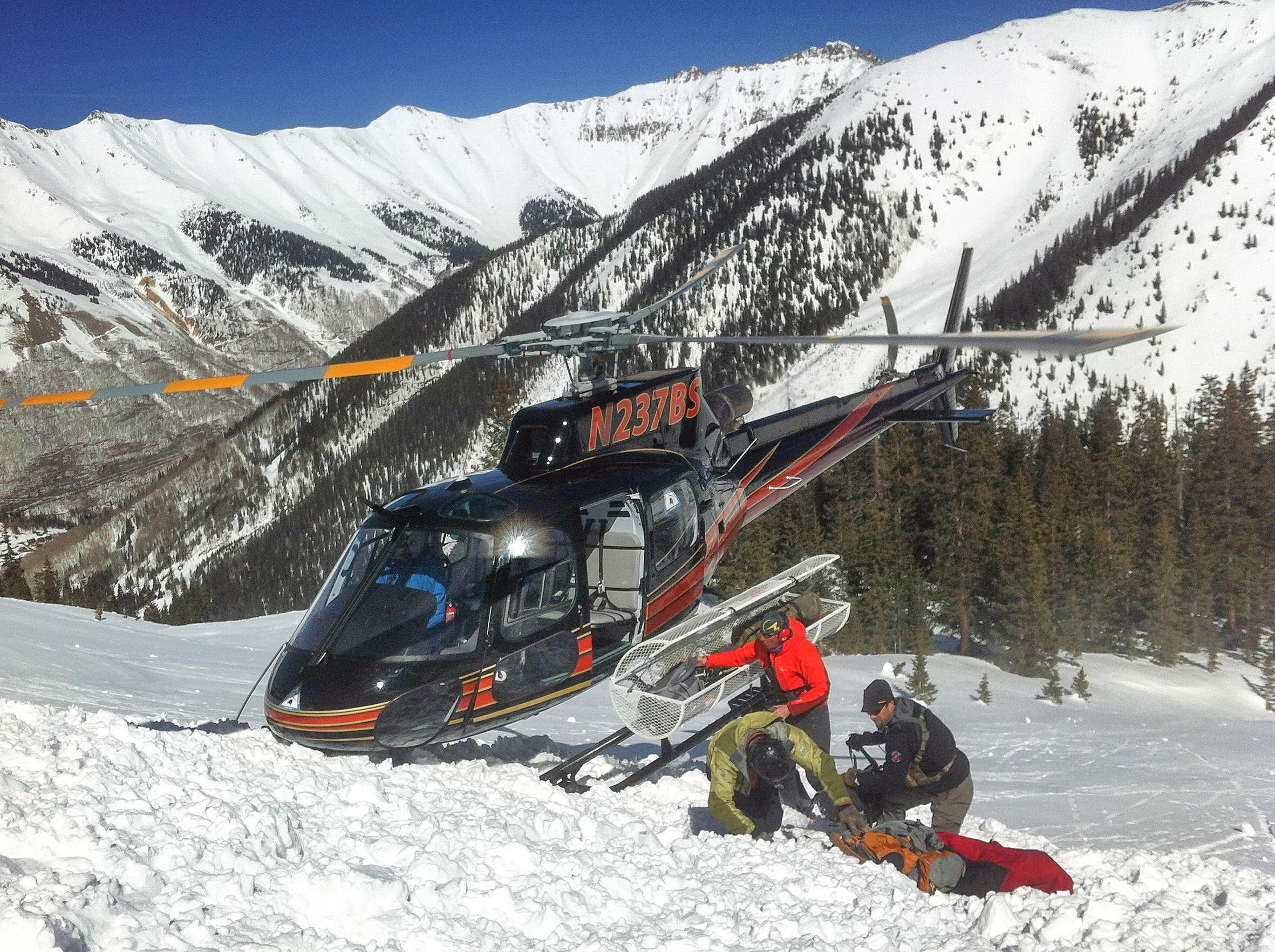
“Sometimes we’re weighing staying and playing versus hauling ass and getting them out,” Todd explains. Medical training, backcountry medicine protocols, evacuation logistics, weather windows. All factors in real-time triage decisions where the wrong call could mean the difference between life and death.
The Weight That Doesn’t Show
There’s a cost to this work that doesn’t appear in mission reports.
Critical incident stress is real. The long-term emotional effects on volunteers and professional SAR staff accumulate over years of callouts. In a small mountain town like those in San Miguel County, the dynamic becomes even more complicated. “Very often those people can be your friends, loved ones, neighbors,” Todd says.
You’re not just recovering a body from an avalanche debris field. You’re recovering someone whose kids went to school with your kids. Someone you saw at the grocery store last week. Someone whose face you’ll remember every time you ski that steep gully.
Mental health resources exist. The agency provides private access to counseling and critical incident stress management. But volunteers don’t always take advantage of those resources, and the effects compound over time.
“There’s a very real effect on volunteers’ mental health down the road,” Todd acknowledges. He’s candid about his own experience: “I have no doubt my personal life has been affected… stuffing it down inside.”
This is the part of search and rescue that doesn’t make it into recruitment videos. The part that has nothing to do with technical rope skills or avalanche beacon practice. The part where you drive home after a multi-day mission, walk into your house, and try to be present for your family while your mind is still on that mountain.
It’s why “leading volunteers is a very different game because they don’t have to be there.” Todd’s respect for his team is absolute. These people show up knowing the cost, without a paycheck, because someone needs help.
Who Shows Up and Why
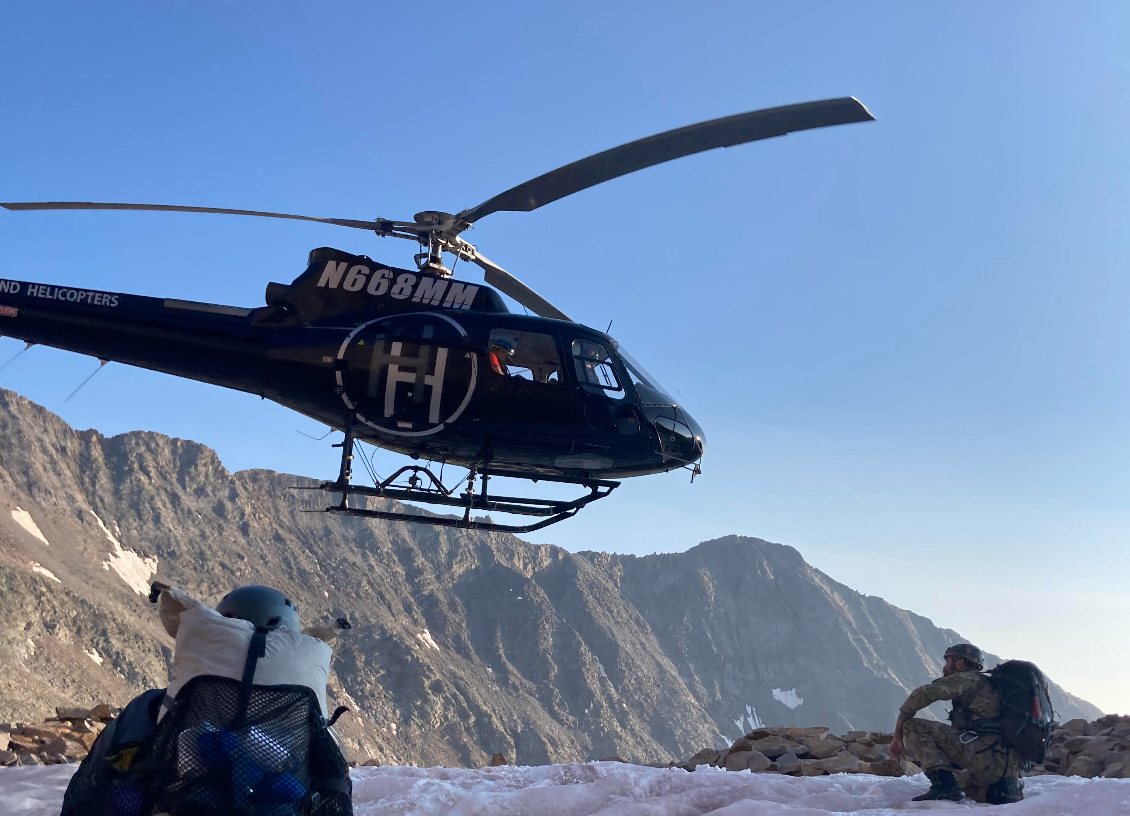
San Miguel County SAR runs on approximately 80 volunteers with wildly diverse backgrounds. There are mountain guides and ski patrollers, yes. People whose professional lives already intersect with backcountry risk. But there are also realtors, teachers, drone operators, and others whose day jobs have nothing to do with technical rescue.
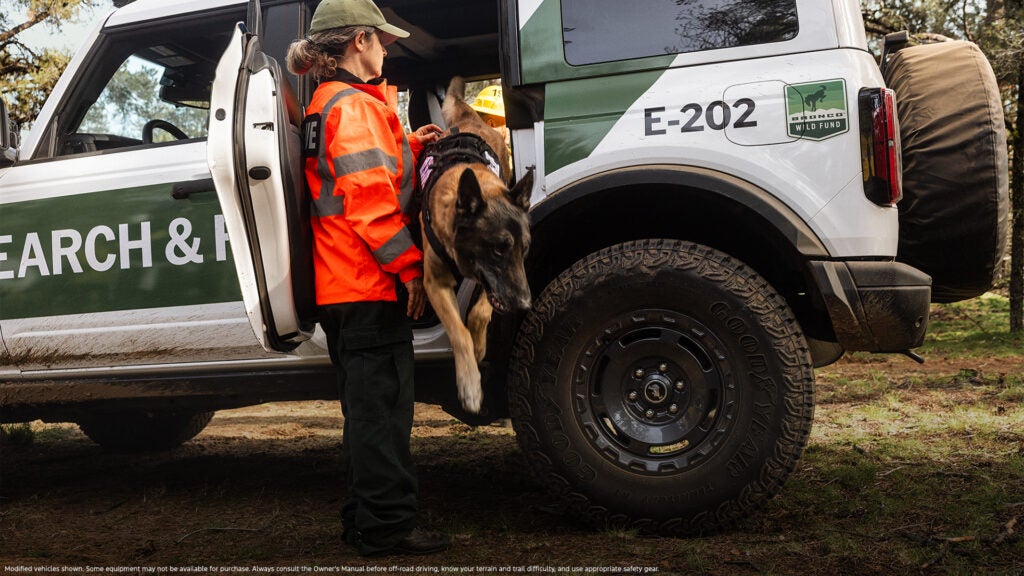
“We embrace anybody… it’s not just the mountain guide,” Todd emphasizes. The team needs people who can operate mapping software, document incidents, manage logistics, pilot drones for aerial search, and handle the dozens of non-technical tasks that make a rescue operation function.
The baseline expectation: you need to be prepared to survive 24 hours in the backcountry. “We expect that you can spend 24 hours out there… not thrive necessarily, but survive,” Todd says. That means appropriate clothing, shelter knowledge, navigation skills, and the mental resilience to function when things go wrong.
Training happens twice monthly. Volunteers learn rope systems, avalanche rescue protocols, wilderness medicine, technical vehicle operation, and incident command structure. They practice scenarios. They maintain certifications. They invest hundreds of hours annually in skills they hope they’ll never need to use on someone they know.
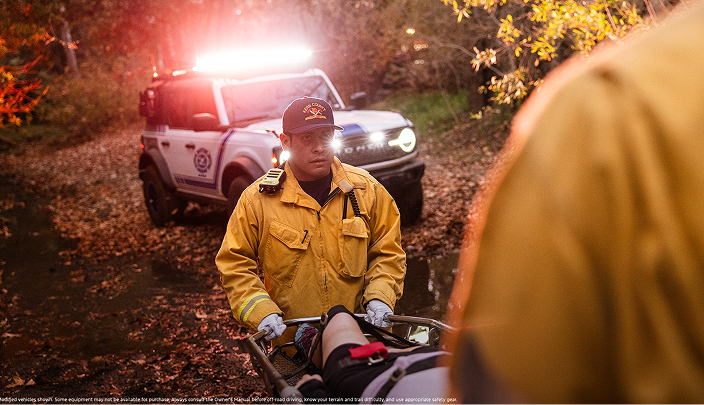
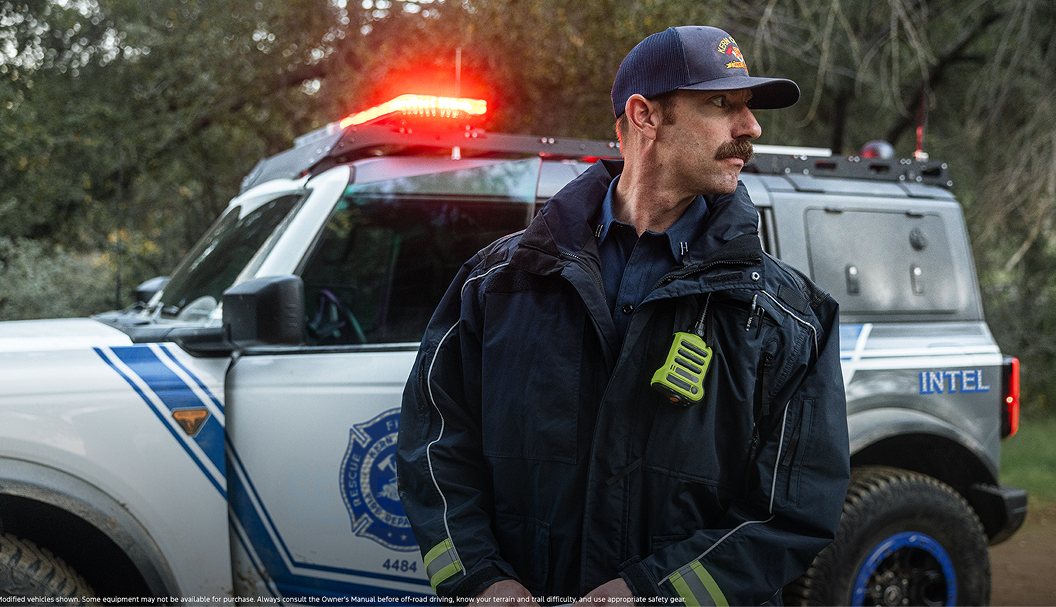
The agency’s fleet includes specialized vehicles for technical terrain access, including a 1996-97 Ford Bronco that serves as what Todd calls “our technical off-roading ambulance.” It’s built for the worst roads in Colorado. The kind where one wrong wheel placement means you’re calling for a rescue team yourself.
So why do they keep showing up? For Todd, it traces back to a desire for public service that predates his law enforcement career. “I wanted to do something bigger… something selfless,” he explains. The balance between policing and SAR work matters too. SAR brings more visible gratitude, more direct evidence that the work makes a difference.
“Those guys are why we have a successful search and rescue program,” he says of his volunteers. The respect runs both ways.
What It Actually Takes to Come Home
Athletic ability doesn’t keep you alive in the backcountry. Preparation does.
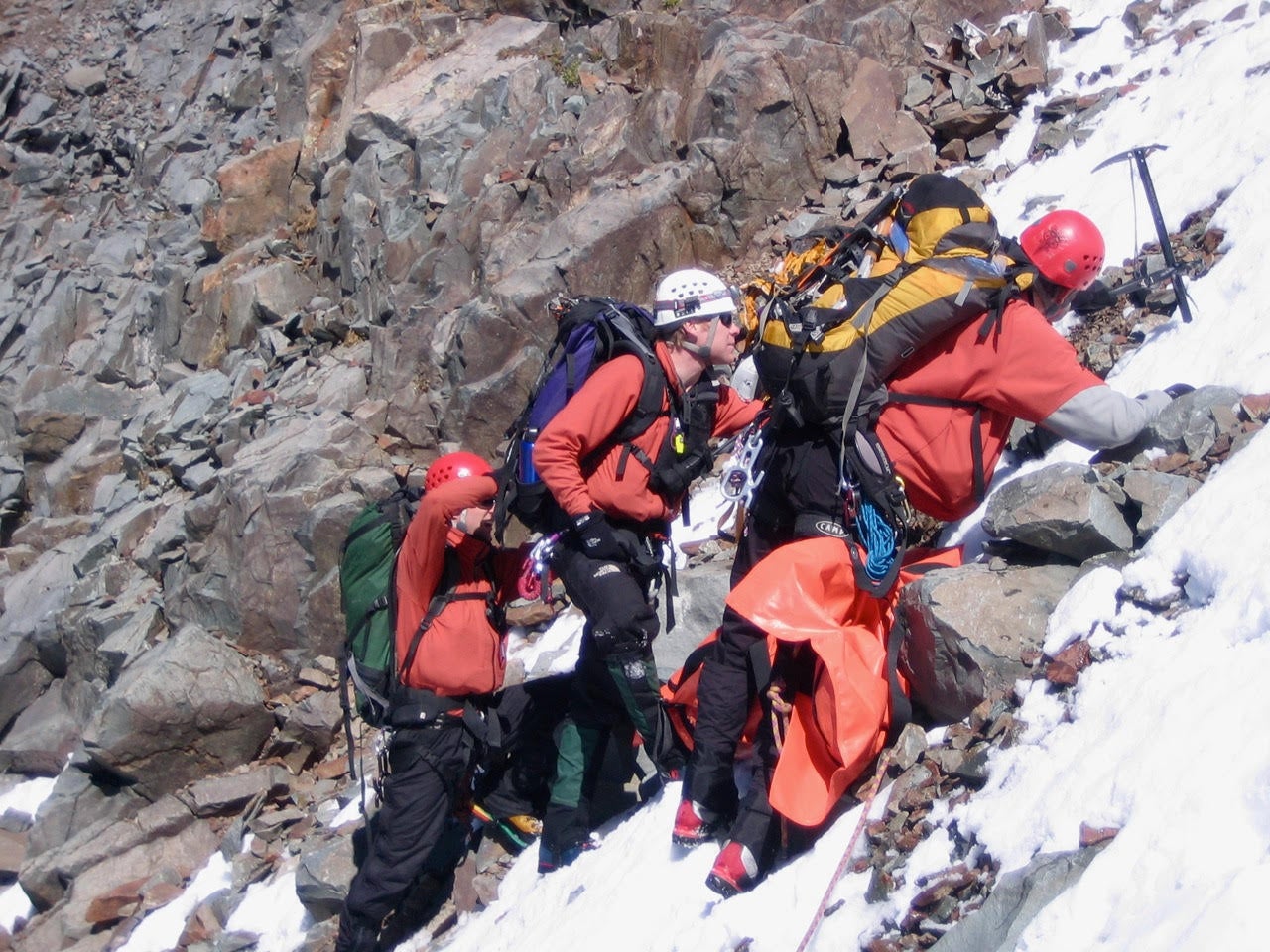
Todd has seen plenty of strong, fit people get into serious trouble because they mistook physical capability for backcountry competence. “Success in the backcountry comes through education and experience and preparation,” he says. That means understanding weather patterns, route finding, navigation when visibility drops to zero, proper equipment selection, adequate fuel (food and water), and shelter systems.
It means knowing that “you might get away with it ten times before you get bit.”
That’s the dangerous pattern SAR specialists see repeatedly: people push their limits, get lucky, and interpret luck as skill. They ski avalanche terrain without proper training because they did it last weekend and nothing happened. They hike without the Ten Essentials because their phone has GPS and they’ve never needed a headlamp before. They rely on satellite SOS devices as a safety net rather than a last resort.
Until the eleventh time, when conditions shift or luck runs out, and suddenly they’re the reason 80 volunteers are leaving their Saturday morning to come find them.
Backcountry preparedness isn’t complicated, but it requires humility. It requires acknowledging that the mountains don’t care about your fitness level or your Instagram following. It requires carrying gear you hope you’ll never use and turning around when conditions deteriorate, even if you’re close to the summit.
It requires understanding that every SOS activation pulls resources from a finite pool of people who’ve committed their lives to showing up when others need help.
Why It Matters
Todd Rector has spent three decades answering calls in the middle of the night, on holidays, and on his days off. He’s seen the best and worst of what happens when humans venture into wild places. He’s made decisions under impossible pressure and lived with the outcomes.
He keeps showing up because someone has to. Because in small mountain communities, SAR isn’t an abstract service. It’s neighbors taking care of neighbors. It’s the knowledge that when you head into the backcountry, there are people willing to come find you if things go wrong.
But that system only works if people on both sides hold up their end. SAR volunteers train, sacrifice, and carry the emotional weight of their work. The rest of us have a responsibility too: to educate ourselves, to prepare properly, to make decisions that respect both the terrain and the people who might have to come save us.
The backcountry will always be dangerous. The question isn’t whether rescue exists, it’s whether we understand the full weight of sending a distress signal. That decision sets real people into motion. The responsibility to be prepared, and to respect the resources behind that response, starts with us.
The Dyrt is the only camping app with all of the public and private campgrounds, RV parks, and free camping locations in the United States. Download now for iOS and Android.Popular Articles:
Articles on The Dyrt Magazine may contain links to affiliate websites. The Dyrt receives an affiliate commission for any purchases made by using such links at no additional cost to you the consumer.