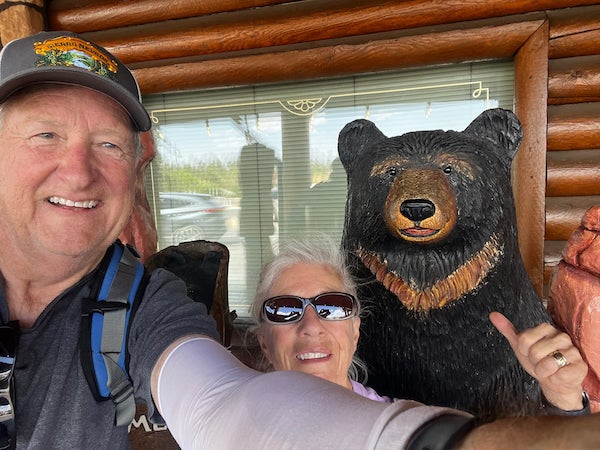
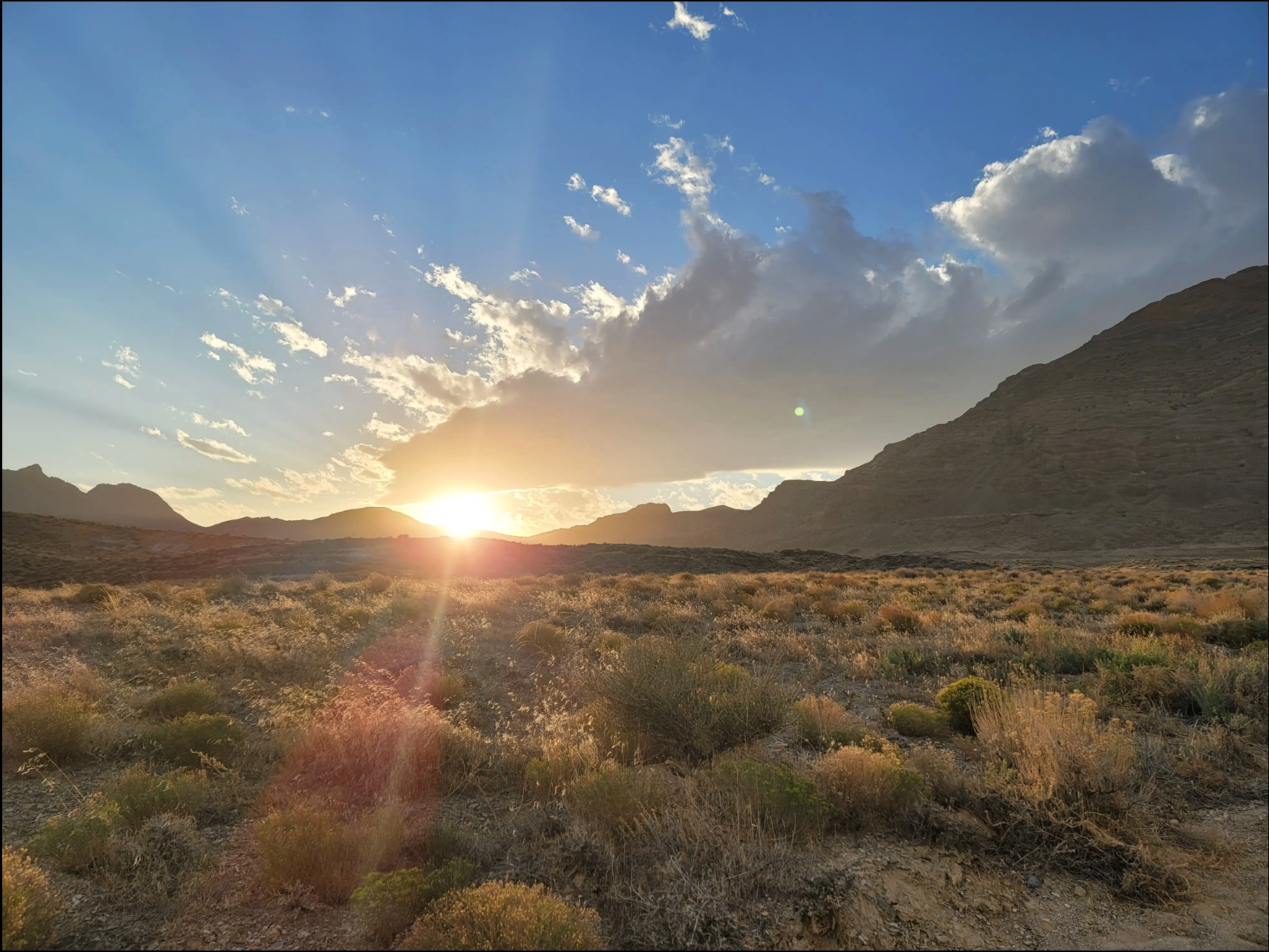
There’s a dispersed camping spot at Volcano Peak Campground, near the Bonneville Salt Flats in Utah that fills up every weekend. It’s free BLM land with incredible views, no permit required, and it’s exactly far enough from town that most people don’t bother. The RVers who do show up fall into two categories: the ones who stay one night and leave, and the ones who settle in for four or five days.
The difference is almost always power.
What Off-Grid Actually Solves
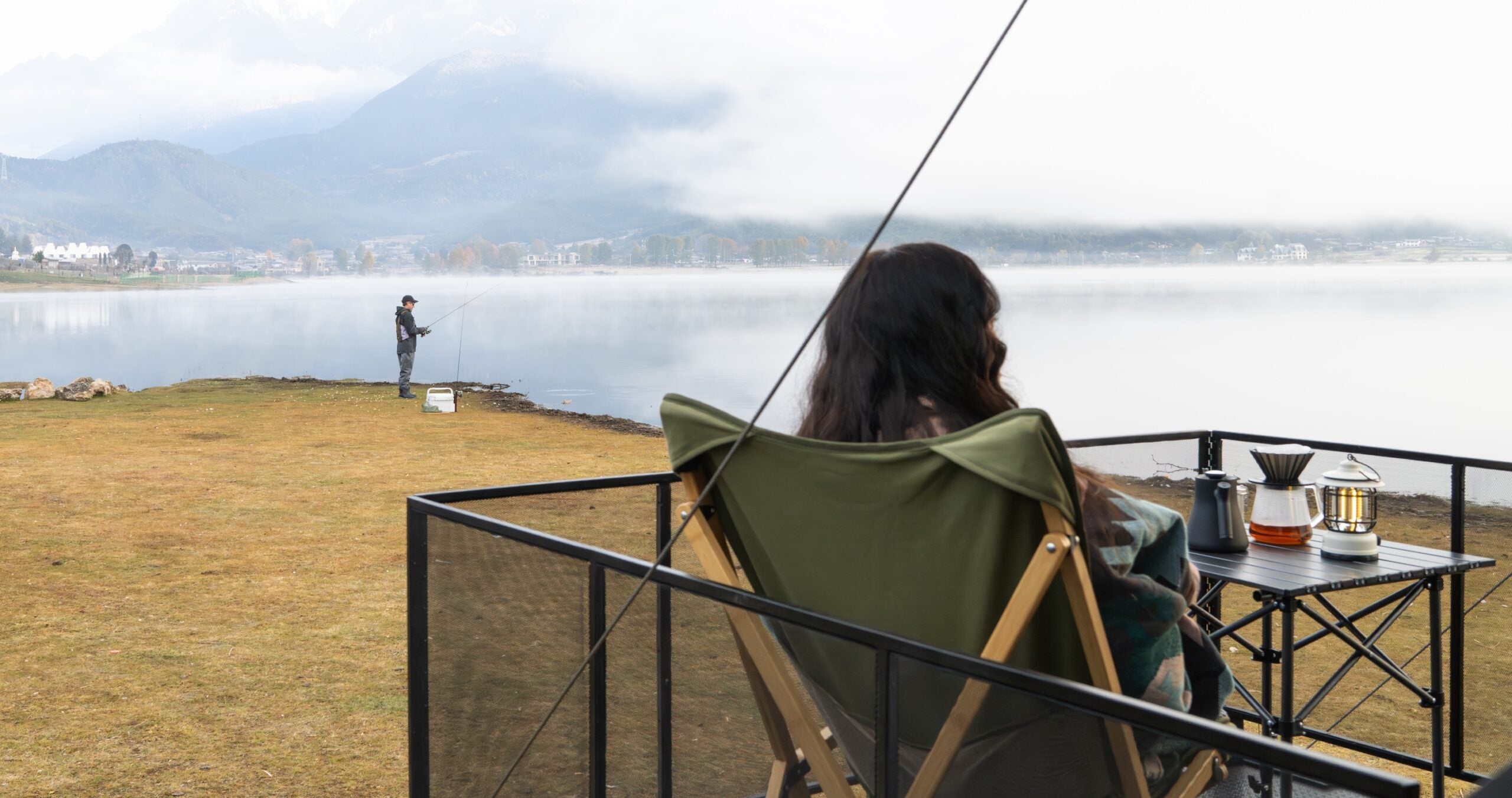
For some people, off-grid camping is about getting away from crowds. For others, it’s about saving money on campground fees. For a lot of van lifers and road trippers, it’s just about having options. When you’re not tied to RV parks and developed campgrounds, your route can follow interesting roads instead of reservation availability.
But here’s what it really comes down to: how long can you actually stay somewhere before you need to plug in, refuel, or pack up?
That question matters more than most of the gear debates people get stuck on. You can have the nicest camp setup in the world, but if your battery dies on day two, you’re either running a loud generator or heading back to civilization. Neither of those feels like freedom.
How Most People Learn Their Limits
A friend of mine bought an RV with a supposedly robust electrical system. The previous owner said it could run for days without charging. First trip out, he made it about 36 hours before the battery was toast. Turns out the fridge pulled way more power than he expected, and he’d been running lights, charging phones, and using a laptop without thinking much about it.
He didn’t make that mistake twice. But he also didn’t take another long trip for six months because he wasn’t sure what would actually work.
That’s the pattern for a lot of people. You either over-plan and haul way more battery than you need, or you under-plan and spend the whole trip worried about running out. Both options are annoying.
The Part Nobody Wants to Do
Figuring out your actual power needs requires some basic math. How much does your fridge draw per day? What about lights, phone charging, a fan, a water pump? How much battery capacity do you actually have, and how much of that is usable?
Most RVers don’t want to sit down with a spreadsheet and calculate watt-hours. So they don’t. They just guess and hope it works out.
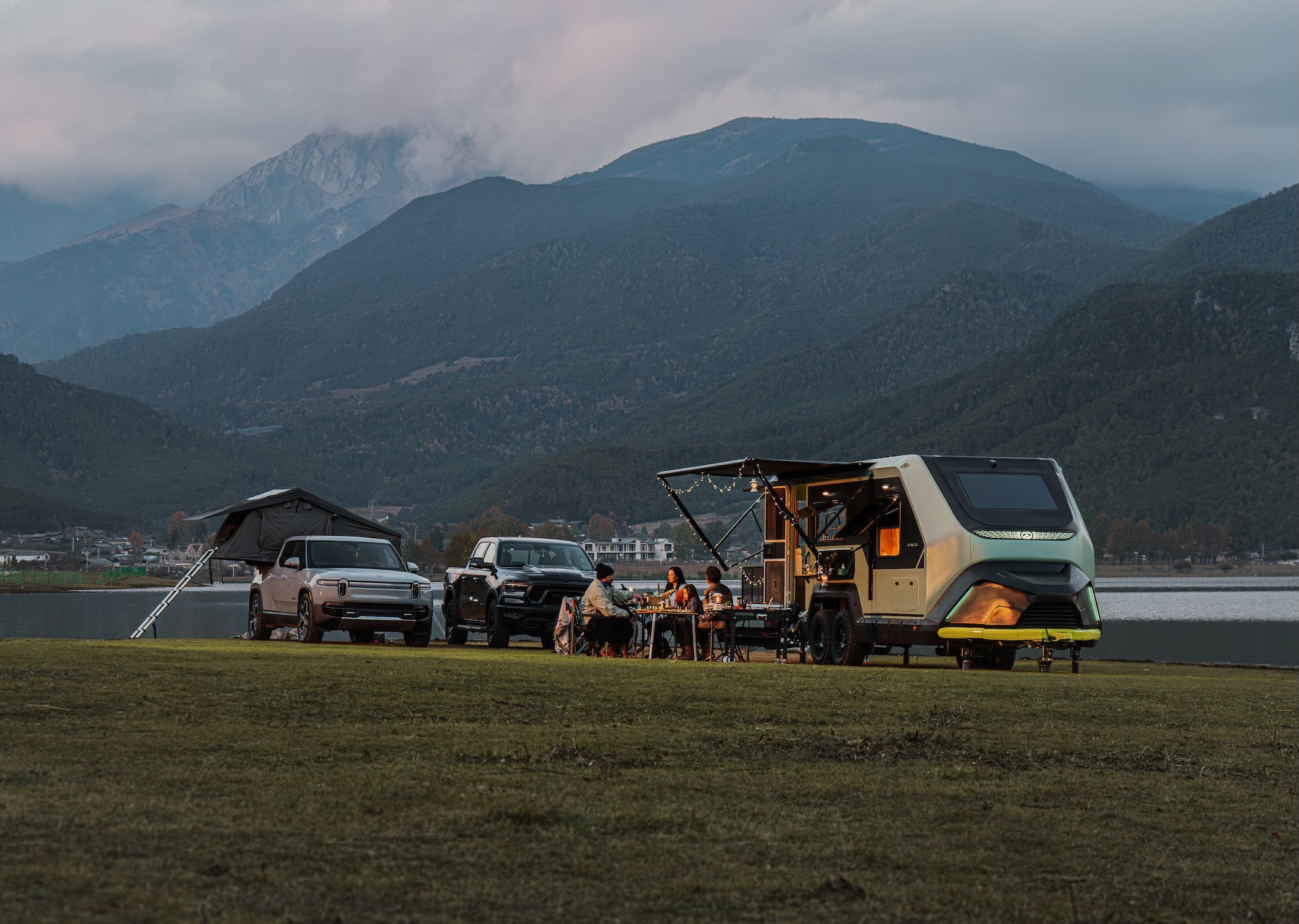
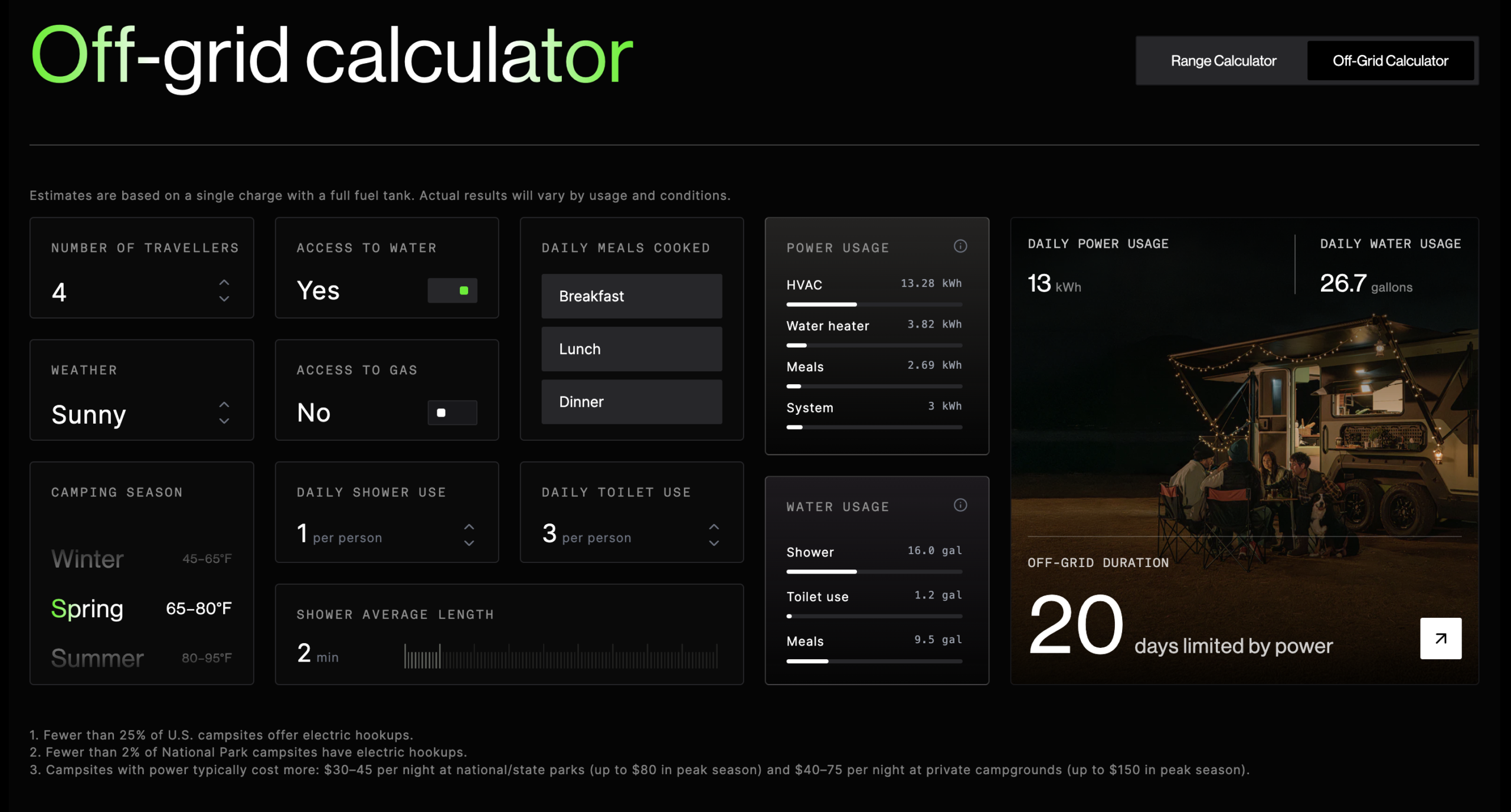
The smarter move is to run the numbers once and then stop thinking about it. Evotrex builds power systems specifically for off-grid setups, and their Off-Grid Calculator is a cool tool that helps you calculate your battery life based on expected usage. It’s based on the Evotrex-PG5’s energy capacity of about 270 kWh, but you can play around with your own setup for a better sense of whether it’ll last for a weekend or a week.
It’s not exciting, but it’s a lot better than cutting a trip short because you ran out of juice.
What You Get When the Power Part Is Handled
Once you know your system will hold up, the rest of camping gets easier. You’re not rationing phone batteries or turning off the fridge at night to conserve power. You’re not skipping the good campsites because they’re too far from a plug. You’re just camping.
That’s the whole point. Off-grid camping shouldn’t feel like a constant project. It should feel like normal camping, just with better location options.
The Real Payoff
The best off-grid trips aren’t the ones where you prove you can survive in the middle of nowhere with no support. They’re the ones where you find a place you actually want to be and stay there as long as it makes sense.
Maybe that’s three days on a beach in Baja. Maybe it’s a week bouncing between forest service roads in Colorado. Maybe it’s just knowing you can skip the crowded campground and post up somewhere quieter without wondering if your battery will die overnight.
Off-grid capability doesn’t change what camping is. It just removes one more reason to leave before you’re ready. And with tools like Evotrex’s power systems and calculators, figuring out what you actually need becomes the easiest part of the whole setup.
The Dyrt is the only camping app with all of the public and private campgrounds, RV parks, and free camping locations in the United States. Download now for iOS and Android.Popular Articles:
Articles on The Dyrt Magazine may contain links to affiliate websites. The Dyrt receives an affiliate commission for any purchases made by using such links at no additional cost to you the consumer.