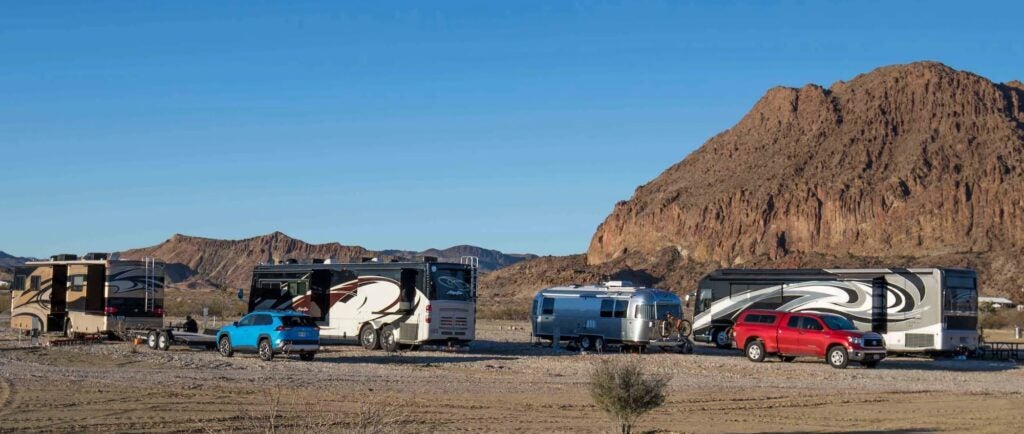
If you’ve camped without hookups for more than a weekend, you know the feeling. You finally find the perfect dispersed spot. Big sky, no neighbors, total quiet. And then, a few hours later, you’re thinking about battery levels.
I’ve been there. Sitting at a picnic table, coffee in hand, half listening to the crackle of the campfire and half calculating whether we can keep the fridge cold the whole trip while also making sure our Airpods are charged up for a morning run.
Access to power has a way of quietly taking over the trip.
Campsites get chosen based on where there’s a place to top off. A generator makes its way into the gear pile, even though the noise ruins the stillness. And sometimes the trip gets cut short, not because you’re ready to leave, but because pushing your luck doesn’t feel worth it.
The problem isn’t camping. It’s power.
Most RVs were built for campgrounds first: hook up, plug in, and relax.
When you take that same setup off-grid, it works… until it doesn’t. Solar usually gets added as a feature. Batteries get upgraded, but it still feels like something layered on top of a system that wasn’t really designed for independence.
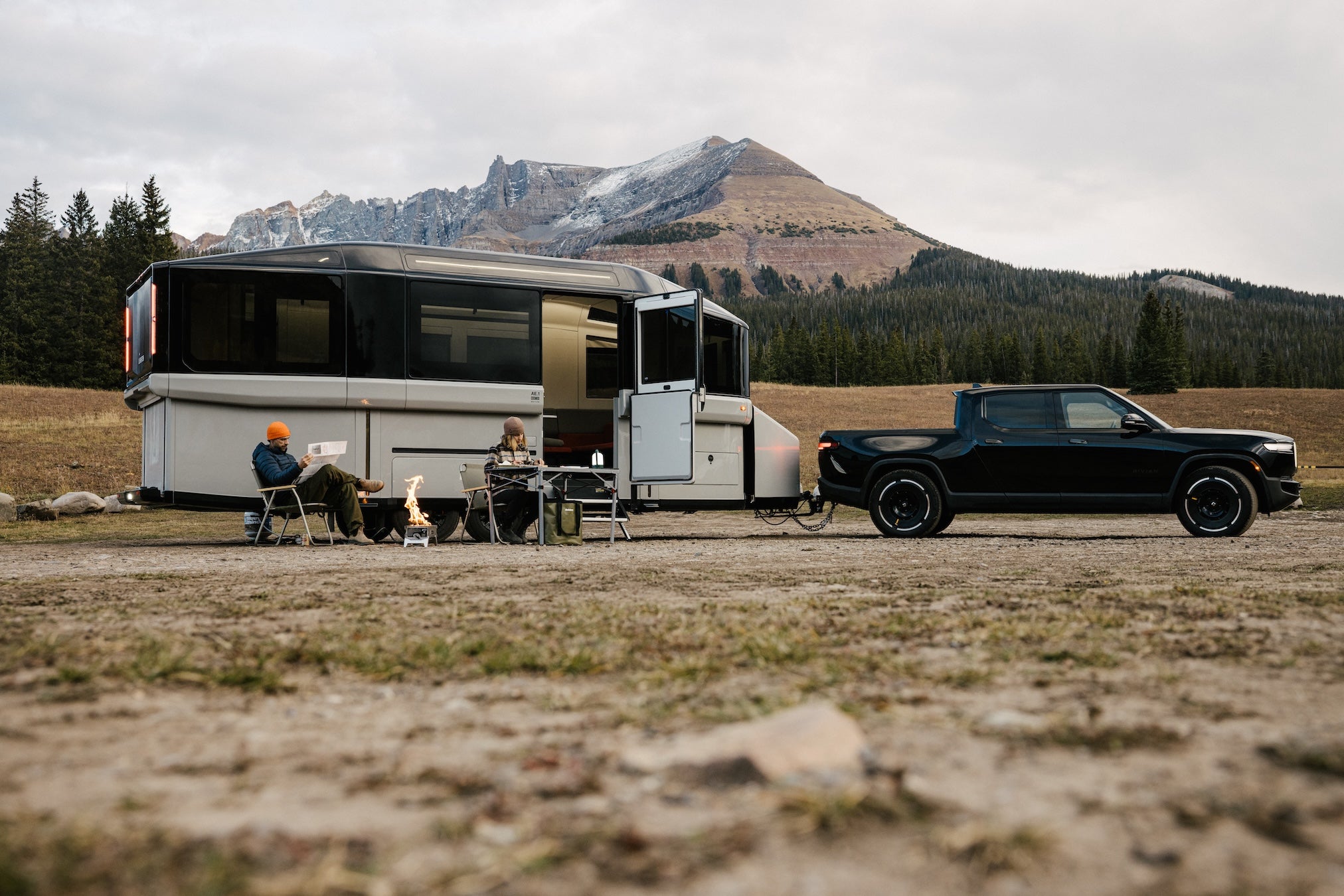
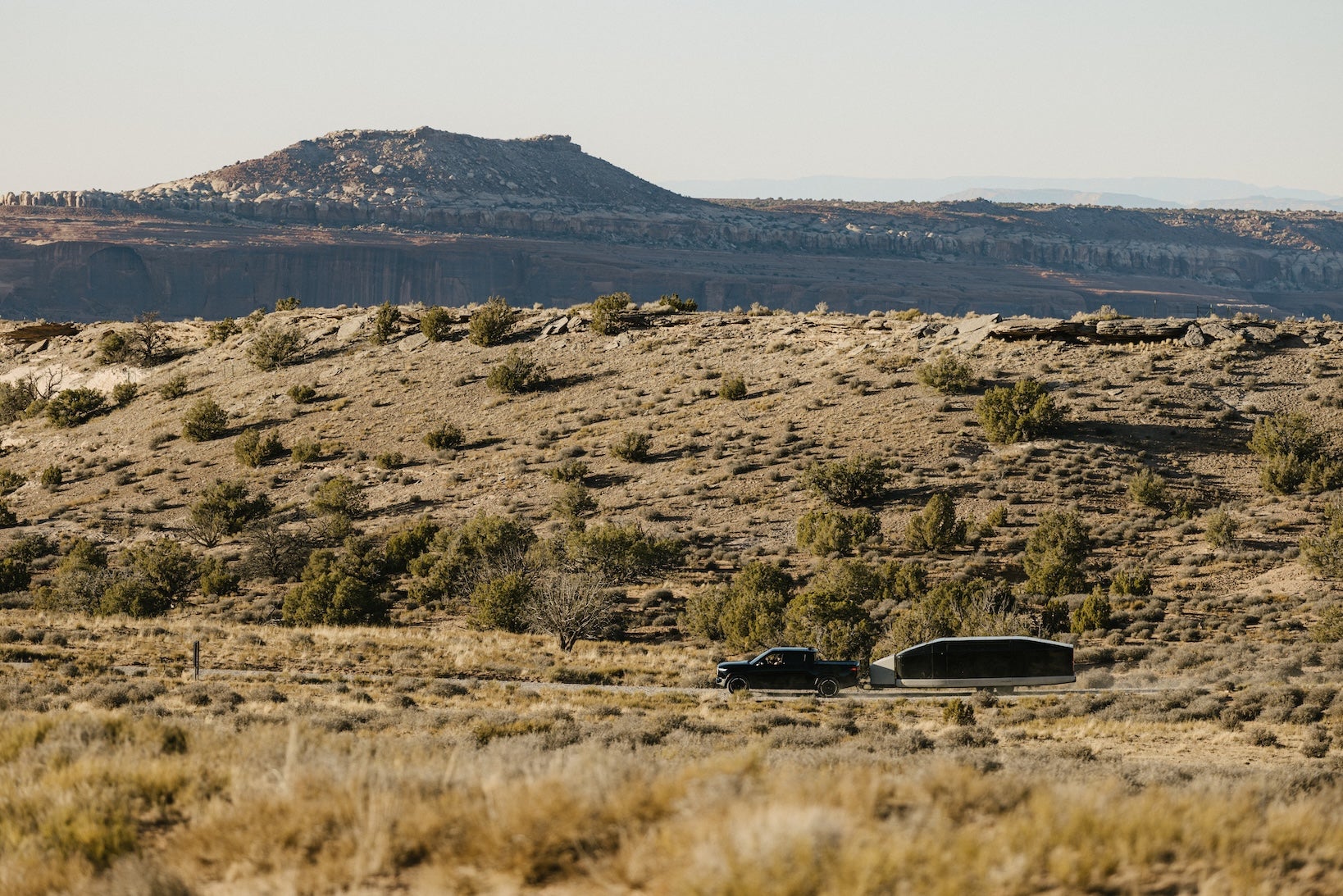
Lightship took a different route. Instead of building a traditional trailer and adding solar later, they started with energy and worked outward. The whole platform is designed around generating, storing, and managing power from the start.
Also, while it doubles the range you can tow with an EV, you don’t need an electric truck to tow it. Gas and diesel trucks work just fine, which matters, because most of us aren’t swapping out our tow vehicles anytime soon. Plus, Lightship uses its own battery-powered electric drivetrain, known as TrekDrive, to self-propel and assist the tow vehicle, actually helping your gas mileage.
What makes this RV different
Let’s keep it simple. There are three parts working together here:
Solar that actually does something
Lightship’s roof is covered in 1.8 KW of fully integrated solar designed to produce meaningful daily power. Not just offset a light or two. Actually recharge what you’re using.
A battery built for more than a weekend
Lightship offers up to 77kWh of battery storage. That’s a serious number. It’s closer to what some homes use for backup power than what most trailers carry for a quick trip.
In real life, that means longer stays without scrambling for a charge. You can run the systems you care about, keep things comfortable when the weather swings, and charge your gear without watching percentages like a hawk.
A self-contained system
This is where the term “microgrid” comes in. And yes, it sounds technical. But the idea is simple.
The trailer generates its own power. It stores that power. And it manages how that power is used.
It’s not just a collection of parts, it’s a coordinated system. That means fewer surprises and less babysitting. You’re not flipping breakers or doing math every time someone turns something on.
It basically acts like its own little grid on wheels. Which also means you can use that power at camp, plugging in things like electric bikes or other gear when you’re off the grid.

What it actually feels like
Specs are nice, but what matters is how a trip changes.
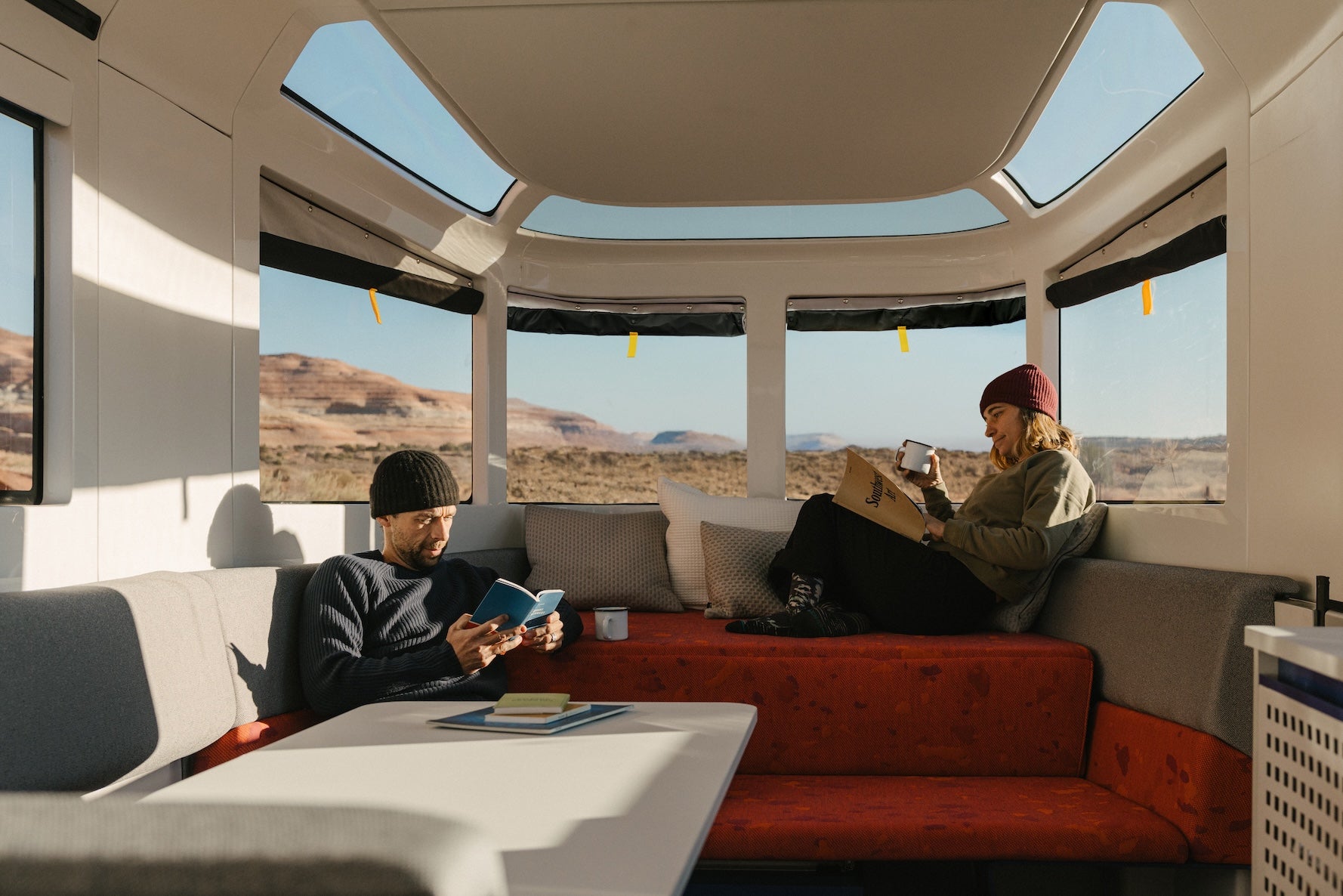
With a setup like this, you stay out longer. You camp quieter because you’re not leaning on a generator. You pick a site for the view instead of the pedestal (or compromising for the sunniest spot to power your panels).
And maybe most importantly, you stop thinking about power all the time.
When you’re not constantly managing energy, you’re more present. You sit a little longer by the fire. You linger over breakfast. You don’t rush because the battery is making you nervous.
It doesn’t stop at the campsite
There’s another layer to this that’s worth mentioning.
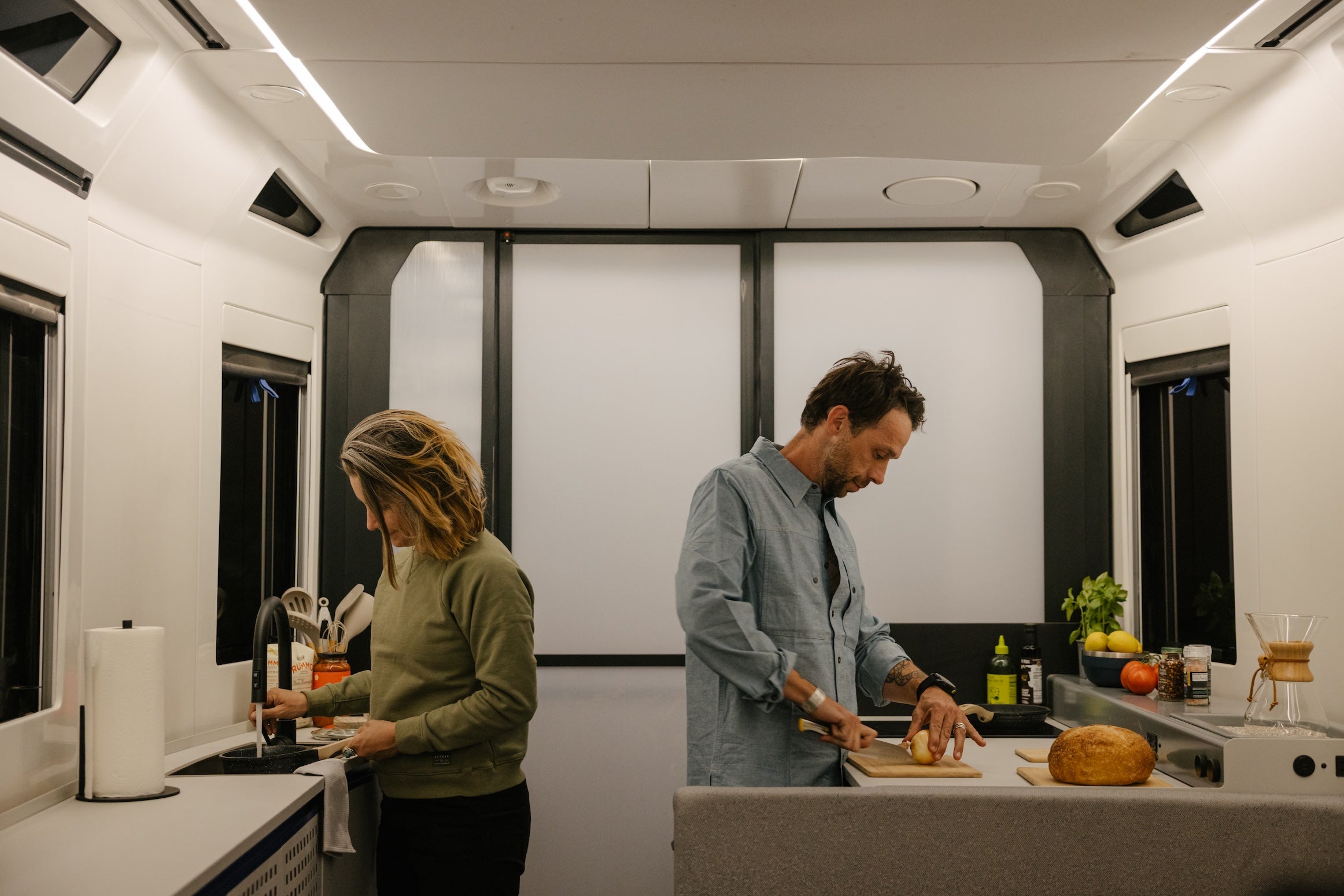
With a transfer switch, Lightship can function as a home backup power system. Park it at your house, connect it properly, and you’ve got a 77kWh energy reserve sitting there if the grid goes down.
That changes the value equation.
You’re not just buying a travel trailer, you’re buying a large solar and battery system that is more than five Tesla Powerwall 3s – a $70,000+ system. For people who care about resilience or live in areas with outages, that’s meaningful.
It’s not just about adventure. It’s about stability, too.
The bigger idea
Camping will always have grit. That’s part of the appeal. There’s weather to deal with, dirt that finds its way into everything, plans that shift whether you like it or not.
But power does not have to be the thing that holds you back.
Lightship feels like a step toward a different kind of independence. One where you can tow farther with the truck you already own, camp far from hookups, and still feel comfortable staying put.
Off-grid should feel intentional, not restrictive.
And when the power question fades into the background, you’re left with the part that really matters… the place, the people you’re with, and the reason you drove out there in the first place.
The Dyrt is the only camping app with all of the public and private campgrounds, RV parks, and free camping locations in the United States. Download now for iOS and Android.Popular Articles:
Articles on The Dyrt Magazine may contain links to affiliate websites. The Dyrt receives an affiliate commission for any purchases made by using such links at no additional cost to you the consumer.