Westward Ho RV Resort sits in Glenbeulah, Wisconsin, providing full-hookup sites for RVs up to 50 feet. The campground features electric, water, and sewer connections at each site, along with WiFi access and a dump station for added convenience. Picnic tables accompany the sites, and pets are welcome throughout the property.
The resort operates on a reservation system and offers drive-in access to all sites. For campers exploring additional options in the area, camping near Glenbeulah provides several alternatives. Book ahead during peak season to secure your preferred dates.
Description
Social media can reveal a great deal about what people care about, follow, discuss, and engage with. The problem is rarely a lack of information. It is figuring out which signals actually matter.
A social media assessment helps turn scattered profile activity into structured insights. Instead of manually moving between platforms, posts, follows, and interactions, researchers can use a more systematic process to understand interests, patterns, and connections—and then decide which findings deserve a closer look.
For marketing teams, agencies, researchers, and other professionals, the value comes from moving beyond collecting information toward making it useful.
Why Manual Social Media Research Gets Messy
Imagine researching a person across several social platforms.
You might start with Instagram, check what accounts they follow, move to TikTok, search for an X account, and then look for additional context elsewhere. Before long, you have a dozen tabs open and a collection of observations that are difficult to compare.
The challenge becomes even greater when several people are involved in the research.
One team member may focus on interests. Another may notice professional affiliations. Someone else may flag an unusual pattern. Unless those findings are organized consistently, useful context can disappear into notes, screenshots, and browser tabs.
A structured assessment solves a different problem from a basic profile search. Finding the profile is only step one. The next question is: what can the available information actually tell you?
What a Social Media Assessment Should Actually Measure
A useful social media assessment should have a clear objective before the research begins.
For example, a marketer researching a potential creator might want to understand content interests and audience alignment. Someone preparing for a professional conversation might care more about shared interests or areas of expertise.
Defining that goal keeps the research focused.
Rather than saving everything, look for information that answers the original question. Depending on the project, that could include:
- recurring interests and topics;
- pages and accounts followed;
- content themes;
- connections between profiles;
- unusual or contradictory signals;
- information that needs additional verification.
The point isn't to build the biggest possible collection of data. It's to identify the information that can actually support the next decision.
Start With Interests, Not Assumptions
Social profiles are often treated as biographies. They aren't.
People present themselves selectively online, and one post or follow can easily be misunderstood without context. A better approach is to look for recurring signals rather than assigning meaning to isolated activity.
Suppose someone follows several accounts related to entrepreneurship, regularly interacts with startup content, and shows similar interests across more than one platform. Together, those signals may suggest a meaningful interest in the subject.
One follow alone wouldn't tell you nearly as much.
This is where structured analysis becomes useful: it helps researchers move from individual data points toward patterns.
The same principle applies to potential red flags. A single unusual interaction shouldn't automatically become a judgment about someone. Findings need context, corroboration, and human review.
Turn Research Into a Repeatable Workflow
A good assessment process can be divided into a few clear stages.
First, define the research question. What are you actually trying to understand?
Second, identify the relevant profiles. Make sure you are evaluating the correct person before drawing conclusions from their activity.
Third, collect relevant signals. Focus on the interests, follows, activity, or connections that relate to the research objective.
Fourth, group those signals into themes. Instead of treating every observation separately, look for recurring patterns.
Finally, document the findings. Record what was discovered, where it came from, and which conclusions still require verification.
This turns a social media assessment into a workflow rather than an open-ended browsing session.
That matters particularly when research feeds into a larger marketing or project-management process.
Where Socialprofiler Fits Into the Process
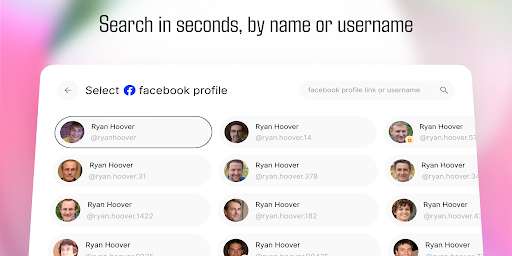
Manual research becomes time-consuming when you need to understand patterns across multiple social profiles. This is where Socialprofiler can reduce some of that work.
Socialprofiler is built around Personal Interest Assessments. It analyzes social-media activity to categorize a person's interests and organizes the results into a report rather than requiring users to manually interpret large numbers of follows, likes, and other signals. Its reports include interest analysis and AI-generated summary analytics.
The platform also analyzes information across Facebook, Instagram, X, and TikTok and can help locate related accounts across the platforms it supports.
That cross-platform perspective matters because one profile rarely tells the whole story.
Social media use is also fragmented across platforms and demographic groups. Pew Research Center's 2025 research shows substantial differences in the use of major platforms including Facebook, Instagram, TikTok, and X, reinforcing why cross-platform context can be valuable when researching an online presence.
Someone's Instagram activity may lean toward lifestyle content while another account reflects professional interests. Looking at multiple sources can provide broader context and make recurring interests easier to recognize.
Socialprofiler also categorizes interests instead of presenting users with an unstructured stream of activity. Researchers can therefore spend less time manually sorting individual signals and more time reviewing what those patterns might mean.
Its Summary Analytics feature condenses identified interests into an AI-generated digest. Importantly, Socialprofiler itself states that these summaries are intended as a synopsis rather than an opinion about the individual and that users should review the underlying interests themselves.
That's an important distinction for any research workflow: automation can organize information, but interpretation still needs human judgment.
From Information to Actionable Insight
A report isn't useful simply because it contains a lot of information.
The next step is connecting the findings to the original objective.
For a marketing team, recurring interests might help shape a creator partnership conversation or identify areas of audience alignment. For sales research, shared professional interests may provide useful context before outreach. For general research, the value may simply be understanding which themes appear consistently across a person's social presence.
The strongest findings are usually the ones supported by multiple signals.
If an interest appears once, record it cautiously. If related signals repeatedly appear across different parts of someone's social activity, it may deserve more attention.
This approach prevents the social media assessment from becoming a list of assumptions.
Keep Human Review in the Workflow
Automated analysis can process far more information than someone would realistically want to review manually, but scale doesn't eliminate the need for judgment.
Social media data can be ambiguous. People follow accounts for professional reasons, curiosity, entertainment, research, or even disagreement. An algorithm can identify a pattern without necessarily knowing why it exists.
That is why assessment results should be treated as research inputs rather than definitive conclusions about someone's character or intentions.
There is also an important limitation to keep in mind with Socialprofiler specifically: the company states that it is not FCRA compliant and should not be used for employment background screening, housing selection, or other purposes requiring FCRA compliance.
For professional research, defining the appropriate use case before running an assessment is just as important as interpreting the results afterward.
Make Social Research Easier to Use
The real problem with social media research isn't finding information. It's turning thousands of scattered signals into something a person or team can actually evaluate.
A structured social media assessment creates that bridge.
Start with a specific question, gather relevant information, identify patterns, review the context, and document what matters. Tools can accelerate parts of that process, but the strongest workflow still keeps people responsible for interpretation and decisions.
When research is structured this way, social media stops being an endless stream of profiles, posts, and follows.
It becomes information you can actually work with.
RV Road Trip Guides


Map & DirectionsSocial Media Assessment: How to Turn Online Profile Research Into Actionable Insights is located in Wisconsin near Glenbeulah
 RV Park
Coordinates
43.73766021 N
88.16071075 W
Connectivity
 T-Mobile5GGood Coverage
 VerizonLTESome Coverage
- AT&T5GGood Coverage
Connectivity
- T-Mobile5GGood Coverage
- VerizonLTESome Coverage
- AT&T5GGood Coverage
Access
- Drive-InPark next to your site
Site Types
- Tent Sites
- RV Sites
- Cabins
Features
For Campers
- Market
- Picnic Table
- Reservable
- WiFi
- Electric Hookups
- Toilets
- Pets
For Vehicles
- Sanitary Dump
- Sewer Hookups
- Water Hookups
- Pull-Through Sites
- 50 Amp Hookups
- Big Rig Friendly
Drive Time
- 20 min from Fond du Lac, WI
- 22 min from Sheboygan, WI
- 37 min from Oshkosh, WI
- 57 min from Appleton, WI