Cave Mountain Lake Group Camp provides primitive camping on a small creek running through the campground. Located within George Washington and Jefferson National Forest, sites are naturally shaded with the creek winding through, creating a cooling effect during summer months. Temperatures in this region typically range from 75-85°F during peak camping season, with cooler evenings around 55-65°F due to the mountain elevation.
What to do
Hiking Sharp Top Trail: Access this challenging trail near Peaks Of Otter Campground for panoramic mountain views. "Both were beautiful, but slightly difficult so just be prepared. Also bring bug spray because the flies were terrible at the top," advises Sam M. The trail is approximately 1.5 miles each way with 1,300 feet of elevation gain.
Fish the James River: The James River offers excellent fishing opportunities near Breeden Bottom Campground. "Great fishing," notes RL, who enjoyed a "site RIGHT on the river." The river is known for smallmouth bass, catfish and sunfish, with fishing best in early morning or evening hours.
Mountain biking: Numerous forest service roads and trails accommodate mountain bikers of all skill levels. Trail maps are available at ranger stations throughout the national forest. Several campgrounds serve as excellent base camps for day rides on both technical singletrack and gravel roads.
What campers like
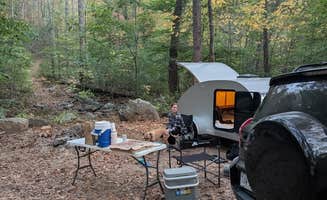
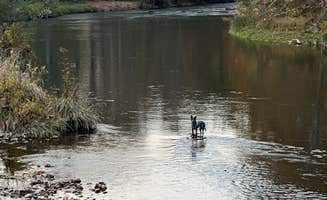
Creek access: Many campers appreciate sites adjacent to streams. At Cave Mountain Lake Group Camp, Lanie B. shares, "We stayed at site 6 and it backed up to a little stream. The site itself was private even though there are other sites around. Our boys loved playing in the stream."
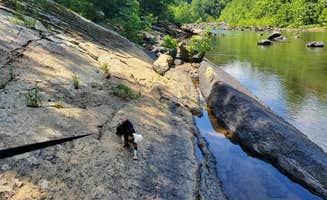
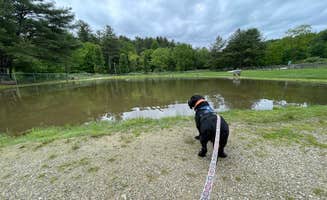
Natural swimming holes: Beyond designated swimming areas, local swimming spots are popular. "The lake is very cold but fun," notes Heather L. about Cave Mountain Lake. For warmer water, dispersed sites along creeks provide natural wading areas where children can splash safely.
Wildlife viewing: The forested setting supports diverse wildlife. Dawn and dusk offer the best viewing opportunities for deer, various bird species, and occasionally black bears. "Very territorial deer, will stalk you on way to dumpster!" warns Karen W. about Peaks of Otter Campground.
What you should know
Cell service limitations: Most forest campgrounds have limited or no cell coverage. "The nearest cell signal is about ten miles up at the House Mountain Overlook," reports Nicole D. about Otter Creek Campground. Download maps and information before arrival.
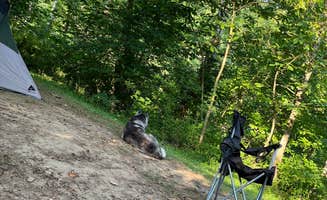
Limited amenities at primitive sites: Dispersed camping in George Washington National Forest off 812 offers solitude but minimal facilities. "Creek for water if you have filter. Nice fire ring and wood," notes Keith H. Pack in all necessary supplies, including water purification equipment.
Seasonal closures: Most national forest campgrounds operate seasonally, typically May through October. Weather can affect accessibility, particularly after heavy rains when forest roads may become difficult for passenger vehicles. Check current conditions with ranger stations before traveling.
Tips for camping with families
Activity planning: Yogi Bear's Jellystone Park offers structured programming for children. "The rec staff had awesome activities planned and kept the kids entertained all week with kick ball and karaoke and shaving cream wiffle ball and dance parties," shares Matt R. Arrive early to register for popular activities.
Swimming options: The swimming pond at Jellystone Park features unique attractions. "There is a lake with a big blow up slide and more in the center and also has river access. You can get free life jackets to use," explains Jennifer T. Bring water shoes for rocky creek bottoms.
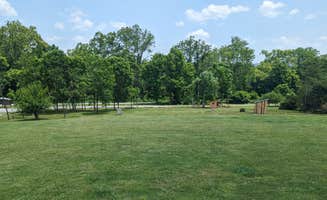
Campsite selection: Choose sites based on children's ages and interests. For toddlers, look for sites away from water hazards but with open play areas. For older children, creek-side sites provide natural entertainment. Sites with natural features like large rocks or fallen logs often become favorite play spots.
Tips from RVers
Site leveling concerns: Some campgrounds have challenging terrain for RVs. At Natural Bridge KOA, Martha S. notes, "We were here in mid Sept and in site 15. It was a very small site with a half deck. If we had camper with slide, we would not have been able to use our slide in this site." Request specific site information when booking.
Water pressure considerations: Water systems at older campgrounds can be inconsistent. Christopher C. reports from Lynchburg KOA: "My water pressure was good but talking to other campers, the farther away you get from the front of the park the worse the water pressure gets." Bring a pressure regulator and water containers as backup.
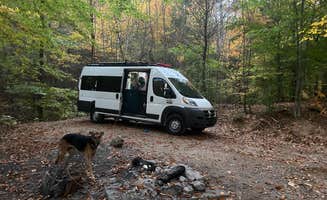
Road conditions: Forest service roads can be challenging for larger rigs. Many dispersed camping areas are accessible only to smaller vehicles or require high clearance. "Multiple road sites that fit my van with room to spare," notes SJ W. about George Washington National Forest sites, indicating their suitability for smaller recreational vehicles.














 Legend


