Tent camping near Copeland, Florida centers around the Everglades and Big Cypress ecosystems. The region consists of subtropical wetlands with elevations rarely exceeding 8 feet above sea level. Water levels fluctuate seasonally, affecting campsite access and mosquito populations. Summer temperatures consistently exceed 90°F with high humidity, while winter temperatures range from 50-70°F with significantly reduced insect activity.
What to do
Paddling exploration: The Ten Thousand Islands area provides extensive kayaking opportunities through mangrove tunnels and open water. At Backcountry Crooked Creek Chickee, camper Paul W. notes "fishing is epic, even from the chickee. Stay quiet and look under the platform, tarpon, snook and drum were always around."
Wildlife watching: The area supports diverse wildlife including alligators, wading birds, and occasional Florida panthers. Anthony B. from Pink Jeep Campground reports "wildlife everywhere" during a January 2023 visit.
Stargazing: Limited light pollution creates exceptional night sky viewing. The Florida Trail's camp provides "very great star gazing at night. So dark when all your fire is out," according to Nick C., who notes you can practice backpacking skills here.
Historical exploration: Several sites contain cultural significance. Richard S. explains that Watson's Place Wilderness Campground has a complex history involving Edgar Watson who "was killed in 1910 on Chokoloskee Island in a confrontation with local residents" related to bodies found near his sugarcane farm.
What campers like
Platform camping: The elevated chickee structures provide unique camping experiences. Sarah C. explains that "Chickees, Seminole for 'thatched roof,' are one of the coolest features of the national park" with each sleeping up to 12 people (6 per side).
Isolation: Many sites offer significant privacy despite proximity to developed areas. At Pink Jeep Campground, Anthony B. found "very few neighbors" during a January visit, noting "We were the only registered campers, but there was one or two other groups in the campground."
Beach access: Several sites feature direct beach access for swimming and shore fishing. Sarah C. describes Tiger Key as "one of the sweetest spots in the Everglades" that "sits on the boundary of the national park and looks out across the 10,000 Islands and it's right at the mouth of the Gulf of Mexico."
Ecological diversity: The transition zones between freshwater and saltwater environments create unique ecosystems. Luke mentions seeing "lots of wild life" during a two-night stay at Seven Mile Camp with his niece on her first camping experience.
What you should know
Water management: No potable water exists at most sites. Nick C. warns about Seven Mile Camp: "You need to bring all your water for your night and following day."
Tidal considerations: Boat-in sites require planning around tides. Liz M. emphasizes "You must check the tides before doing this paddle!" when describing access to Lopez River Wilderness Campground.
Permit requirements: Most backcountry sites require permits obtained 24 hours in advance. Sarah C. advises: "Keep in mind that you can only get your permit for these sites 24 hours in advance of entering the park. So be at the ranger station early the day before you plan to start your trip."
Insect preparation: Mosquitoes and no-see-ums can be intense, particularly during warm months. Paul W. notes that at Crooked Creek Chickee "bugs were tough sunset and sunrise."
Tips for camping with families
Seasonal planning: Winter (December-March) provides most comfortable temperatures and fewest insects. Alex M. confirms: "Since this is in South Florida, the winter months are the best time to camp. Any other time of the year is pretty hot and full of mosquitos."
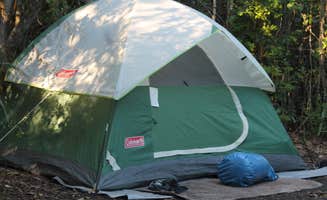
Shelter considerations: Bring fully enclosed tents with good ventilation for bug protection. Liz M. recommends "Pack a tent that you don't mine hanging out in and bring cards/books to pass the time as there are certain hours you will not want to be outside."
Access challenges: Trail conditions can be difficult for younger children. Alex M. describes the Florida Trail as "the real deal" with "lots of water, mud, and sometimes debris in the way of the trail."
Shade limitations: Many sites lack natural shade. Nick C. warns that at Seven Mile Camp "There is about NO shade at the camp so plan for that."
Tips from RVers
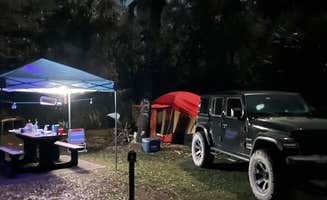
Access restrictions: Several campgrounds require special vehicle permits. Armando F. explains: "You do need to make sure you make a reservation and you have a ORV license to enter the area" when visiting Pink Jeep Campground.
Vehicle requirements: Standard clearance passenger vehicles cannot access certain campgrounds. Armando continues: "Since I have a Jeep its a fun ride to get to the camp grounds. However a normal SUV can do the trick to get you there."
Proximity benefits: Some sites provide wilderness experiences within reasonable driving distance of urban areas. Armando F. notes Pink Jeep Campground is "close to Miami. Very easy to drive over here for a weekend and camp out with your buddies."
Facility limitations: Most sites lack hookups and dump stations. Anthony B. reports vault toilets at Pink Jeep were "clean" but notes limited facilities beyond these basic amenities.







 Ranger


