Dispersed camping near Everglades National Park offers primitive experiences in one of America's most unique ecosystems. The subtropical climate creates distinct camping conditions, with winter dry season (November-April) providing the most comfortable temperatures and fewer insects. Summer brings daily thunderstorms, extreme humidity, and mosquito populations that can make camping challenging without proper preparation.
What to do
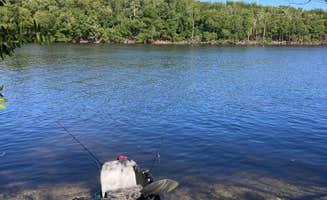
Paddling adventures: Access remote chickee platforms like Backcountry Crooked Creek Chickee where campers report excellent fishing opportunities. "Fishing is epic, even from the chickee. Stay quiet and look under the platform, tarpon, snook and drum were always around," notes Paul W., who recommends planning paddling trips with tide schedules.
Wildlife observation: The diverse ecosystems surrounding Everglades camping areas host alligators, wading birds, and numerous fish species. Bring binoculars for bird watching, especially during early morning hours when wildlife activity peaks. Plan observation points near water sources but maintain safe distances from wildlife.
Night sky viewing: The relative isolation of backcountry sites provides opportunities for stargazing away from city light pollution. Winter months offer clearer skies with lower humidity. Bring red-filtered flashlights to maintain night vision during astronomical observation sessions.
What campers like
Solitude and silence: The remote nature of Everglades backcountry camping provides rare opportunities for complete immersion in wilderness. Chickee platforms require boat access, limiting visitor numbers and creating truly secluded experiences away from developed areas.
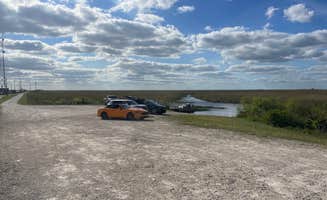
Fishing access: The waterways surrounding backcountry sites offer productive fishing. At L-31 Boat Ramp, visitors mention "Bank fishing" opportunities, though campers should note this location has "no water, no services," according to Scott O.
Natural immersion: Free camping near Everglades National Park allows direct contact with this unique ecosystem. Primitive camping at sites like Ivy Primitive Camp in Big Cypress National Preserve provides opportunities to experience the transition zone between the Everglades and Big Cypress environments without facilities or amenities.
What you should know
Site limitations: Many primitive camping locations have specific restrictions and challenging access. Stephanie E. warns about L-31 Boat Ramp: "There is a detention center across the highway, the lights from the canal crossing and water pump building are extremely bright, there is a huge lit up casino about 1/4 mile away."
Water management: No free camping areas near Everglades National Park provide drinking water. All water must be carried in, with 1-2 gallons per person per day recommended during winter and more in summer. Water purification systems are not reliable for all water sources in this ecosystem.
Tide awareness: Tidal influences affect paddling difficulty to remote campsites. Paul W. advises paddlers heading to Crooked Creek Chickee: "Make sure you go with the tide, it was moving 3-4 during my paddle."
Tips for camping with families
Insect preparation: Families should bring appropriate insect protection, especially during transition times. According to one Crooked Creek Chickee camper, "Bugs were tough sunset and sunrise," making proper timing and protection crucial for comfortable family experiences.
Site sharing awareness: Some backcountry sites may require sharing with strangers despite appearing private. "This is actually 2 bookable sites. Both nights I stayed, another group showed up late afternoon," notes a Crooked Creek Chickee visitor, which families should consider when planning for privacy.
Safety measures: Establish clear boundaries for children around water areas, implement buddy systems, and bring comprehensive first aid supplies. The remote nature of these camping areas means medical help may be hours away.
Tips from RVers
Limited dispersed options: Traditional RV boondocking or dispersed camping is extremely limited near Everglades National Park, with most locations unsuitable for larger vehicles. Boat ramp parking areas occasionally permit overnight stays but lack amenities.
Alternative considerations: RVers seeking no-hookup camping should consider established campgrounds within the park rather than true dispersed camping. The primitive conditions and limited access make most free camping areas near Everglades National Park impractical for RVs larger than truck campers or small vans.






 Guide
Guide