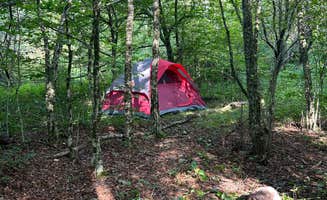
Primitive camping options around Schenevus, New York extend beyond established sites into state forests and public lands that permit dispersed camping. The region sits at approximately 1,200 feet elevation in the northern foothills of the Catskills, with rolling terrain covered by mixed hardwood forests. Winter temperatures regularly drop below freezing from November through March, with summer highs averaging in the mid-70s.
What to do
Fishing opportunities: At Alder Lake, campers can enjoy fishing in the calm waters. One visitor noted, "We had a stellar time just hiking down the path and relaxing by the water." The lake offers good opportunities for catching bass and panfish during warmer months.
Hiking trails: Multiple interconnected trail systems wind through the forests near Schenevus. A camper at Alder Lake shared, "The hike around the lake is a lovely, easy walk. The hike trail that connects to the far end of the lake is 6+ miles and while there were no real views, it was lovely."
Winter recreation: Cross-country skiing is available at Betty and Wilbur Davis State Park during winter months. A visitor mentioned you can "reserve one of the winterized cabins and come for a long weekend of cozy cabin time and quiet time outdoors on the winter trails."
What campers like
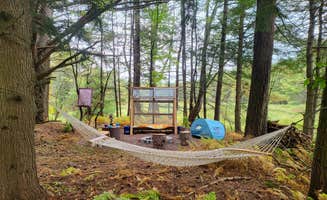
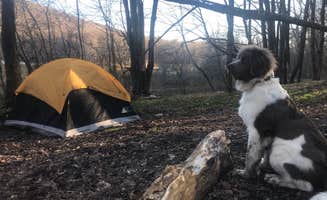
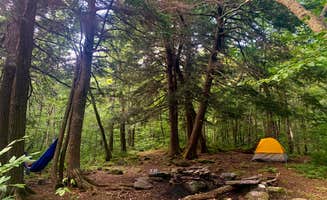
Secluded settings: Many tent camping areas provide peaceful retreats away from crowds. A visitor to Duck Pond Campsite shared, "After driving unpaved dirt road for a while, we arrived at surprisingly well maintained beautiful campsites. The pond is small so the mosquitos were not too bad. So few people passed by and very unknown quite and we just loved the experience."
Water features: Ponds and small lakes enhance many camping areas. At Charles E. Baker State Forest, a camper mentioned "Water access at a lovely nearby pond," making it a good spot for cooling off on summer days.
Dark skies: The rural setting of tent camping areas around Schenevus provides excellent stargazing opportunities. One camper at Alder Lake described their experience with "no noise at night apart from the running stream" and mentioned an "awesome sunrise" visible from their campsite.
What you should know
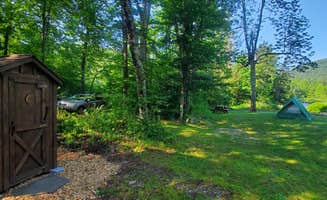
Access roads: Many tent camping locations require navigating unpaved roads. A visitor to Duck Pond Campsite warned, "The road in on old cemetery rd was pretty rough, so we decided to go out the other way, which was way worse... Intermittent cell service which was frightening while driving on these rough roads."
Amenities vary significantly: From basic to rustic, facilities differ across locations. At E16 Canal Lock, "The Canal Corporation provides designated spots for tent and van camping along the canal. Stays are limited to a maximum of 48 hours. Upon arrival, campers must scan the QR code at the entrance and complete a brief survey."
Popular weekends fill quickly: During peak season, arrive early to secure primitive sites. One camper at Alder Lake reported, "We arrived around 11:00 am and the parking lot was already packed and cars were lined up along the road."
Tips for camping with families
Playground access: Some campgrounds offer kid-friendly facilities. At Betty and Wilbur Davis State Park, "There is a beautiful picnic pavilion and playground, so kid friendly."
Picnic facilities: Most established campgrounds provide picnic tables for family meals. Multiple reviewers mentioned using picnic areas at state forest campgrounds.
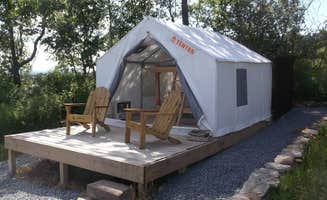
Cabin options: For families new to camping, consider cabins as an introduction. At Grandpa's Back 40 Glamping, glamping accommodations provide comfort while still enjoying outdoor experiences.
Tips from RVers
Clearance challenges: Lower clearance vehicles struggle on some access roads. One RV owner noted at Alder Lake, "Was not the easiest for my RV van to get up the hill with the ruts, but I have a small lift so it helps, lower clearance vans might not make it."
Limited designated RV spots: Most primitive camping areas around Schenevus accommodate small vans rather than larger rigs. Few have proper RV pads or hookups of any kind.
Water access: No water hookups exist at most primitive sites, requiring RVers to bring sufficient water supplies. Most reviewers mentioned the need to be self-sufficient with water when camping in state forests.









 Scout


