Dispersed camping areas near Butler, Tennessee typically range from 1,500 to 3,000 feet in elevation within the Cherokee National Forest. The surrounding terrain features mixed hardwood forests with steep slopes and numerous creek drainages feeding into Watauga Lake. Most primitive sites remain accessible from April through October, though summer temperatures in the valleys can reach the high 80s while ridgetop areas stay 5-10 degrees cooler.
What to do
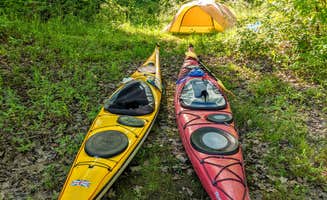
Paddle Watauga Lake: Access points near Little Stony Creek Road Dispersed Area provide direct water entry for kayaking. "Stayed a night out here while traveling, scary narrow rocky trails, but beautiful streams and mountains," notes camper Brendan G.
Explore mountain hiking trails: Tent campers at Elk Knob State Park Campground can take the Summit Trail with 1,000-foot elevation gain. "Take Summit Trail to the top and enjoy great views of the surrounding area 2 miles one way. This trip was in fall and the leaves were beautiful," writes Fain H.
Creek fishing: Several small streams in the area offer trout fishing opportunities. At Blue Bear Mountain Camp, one visitor reported, "We caught a trout in the pond right away." Local regulations require Tennessee or North Carolina fishing licenses depending on location.
What campers like
Cooler mountain temperatures: Higher elevation tent campsites near Butler, Tennessee provide natural air conditioning. At Blue Bear Mountain Camp, campers appreciate that "The elevation is high so weather is nice for those trying to escape the summer heat."
Creek-side camping spots: The sound of running water enhances many local camping areas. At Blackberry Blossom Farm & Campground, "We stayed at one of the drive up spots that are near the bathhouse and a small babbling creek. Woke up to the awesome sounds of nature!"
Privacy between sites: Many dispersed camping areas offer good separation between campers. One review of Blue Bear Mountain Camp notes, "The campsites are very spaced out," which creates a more secluded experience for tent campers seeking solitude.
What you should know
Road access challenges: Many dispersed camping areas have difficult approaches. "Scary narrow rocky trails" at Little Stony Creek and "The state maintained gravel road used to access campground was narrow and would be difficult to get a large camper up there" at Blue Bear Mountain Camp indicate preparation is needed.
Limited cell service: Most primitive areas have poor connectivity. At Camper Mountain on Roaring Creek, campers note "It's a bit of a drive out there with little to no cell service but wifi is available over the whole site!"
Pack in all supplies: Butler is a small town with basic provisions but limited selection. Prepare to bring everything you need, especially for dispersed sites. "There is no drinking water, picnic tables, or even pit toilet, so come prepared," campers advise about dispersed areas.
Tips for camping with families
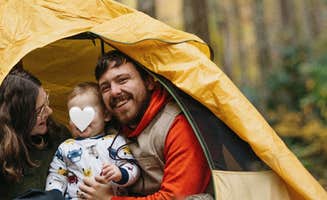
Choose developed sites for convenience: Families with young children benefit from established facilities. "I have never been to a cleaner, more beautiful campground in my life. The facilities are up to date, the bathhouse is spotless, and the campsites themselves are clear and well-maintained," reports a camper at Blackberry Blossom Farm.
Look for swimming opportunities: During summer months, creek access provides natural water play areas. The Laurels Picnic Area, while not a campground itself, is described as a "Great place to take kids for picnic and to play in the Creek."
Consider campground amenities: Some sites offer added conveniences for family camping. Dark Ridge HideOut includes unexpected perks like "delivery of homemade pizza. I recommend the Jalapeno & Cheese."
Tips from RVers
Fill tanks before arrival: Most dispersed and primitive sites lack water hookups. Blue Bear Mountain Camp requires RVers to "fill your camper tank with water at the office area. They have spots with electric hookups."
Check road access reports: Many forest roads leading to tent campsites near Butler, Tennessee have steep grades or tight turns. As one camper noted about Blue Bear, "The state maintained gravel road used to access campground was narrow and would be difficult to get a large camper up there, although there were lots of large ones there."
Plan for off-grid camping: Limited utilities means preparation is essential. At most area campgrounds, RVers must plan to be self-contained. "They have a dump station where you can empty your tanks on your way out," notes one camper about facilities at Blue Bear Mountain Camp.













 Guide


