Wayne National Forest provides primitive camping options around Caldwell, Ohio with elevations ranging from 650 to 1,000 feet in its Appalachian foothills setting. The terrain combines hardwood forests with small waterways and seasonal conditions vary dramatically, with summer temperatures averaging 75-85°F and winter lows frequently dropping below freezing. Most rustic tent sites remain open year-round, though water availability becomes challenging in winter months.
What to do
Hiking on the North Country Trail: The trail passes through multiple camping areas in the Athens Ranger District, offering day hiking options. At Lamping Homestead Recreation Area, the surrounding trails connect to the larger trail system. According to one camper: "The area is great for hiking, with the North Country Trail going right by the campground, cycling through the rolling hills of the backroads, and canoeing on the Little Muskingum River."
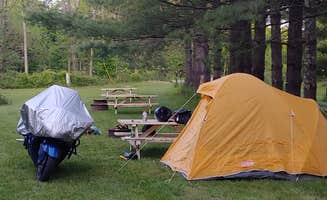
Motorcycle touring: The region's paved forest roads provide excellent motorcycle routes. Pop's Place Camping serves as a strategic base for riders. A visitor noted: "This is an ideal base camp for riding your motorcycle on the scenic roads in that area of Ohio such as the triple nickel. The owners are very nice people and helpful."
Creek exploration: Many forest campgrounds feature creek access for wading, fishing, and water play during warmer months. Water levels vary seasonally, so conditions change throughout the year. At Lane Farm Campground, one visitor observed: "The Little Muskingum river on the east side of the campground was very shallow and slow moving in September. I don't know what it would be like earlier in the camping season."
What campers like
Low cost tent camping: Most forest service sites charge minimal fees, making them budget-friendly options. One camper at Lane Farm Campground wrote: "Quiet little campground for only $10. It is getting difficult for travelling motorcyclists to find a campground to sleep for the night as most that call themselves campgrounds are RV parks and don't allow tent camping."
Bathroom facilities: Despite being rustic, many sites maintain clean restroom facilities. A visitor to Baileys Trail Tent Camping mentioned: "Very nice bathroom/shower compared to what we expected. Will visit again." This provides more comfort than fully dispersed camping without developed facilities.
Private tent spaces: Some campgrounds offer secluded sites that provide privacy despite limited development. A camper at Benton's on the Baileys described their experience: "Excellent campground that is tucked out of the way. You have to walk to the site, up a steep hill, but it is very private and quiet. The bathrooms are down the hill too, but very clean and private."
What you should know
Water availability: Most primitive sites lack potable water, requiring campers to bring their own supply. One visitor at Kinderhook Trailhead noted: "One vault toilet and perfect AT&T and Sprint cell service." No mention of water sources indicates preparation is necessary.
Seasonal operation: While many campgrounds remain technically open year-round, services and road access may be limited in winter. Road conditions can change quickly with weather, particularly on gravel forest roads and access points.
Bridge and facility conditions: Infrastructure may show wear or damage from seasonal flooding. One visitor to Hune Bridge Campground reported: "OK, yes, there is a covered bridge, but it's closed and full of local yocal graffiti. Part of the draw for me was the river running alongside, but it is bone dry."
Tips for camping with families
Playground access: Some private campgrounds near the forest offer kid-friendly amenities not found at forest service sites. A visitor at Pop's Place Camping described: "The common grass area has wood lounge chairs, common fire ring, playground, and cornhole boards. There is a basketball backboard near the current cabin if you happen to bring a basketball for your kids to use."
Consider proximity to facilities: When tent camping with children, choose sites with easier bathroom access. Forest service sites typically feature vault toilets without running water. Consider private campgrounds if showers are needed.
Pack extra water: With limited water sources at most forest sites, families should bring 1-2 gallons per person per day, especially during summer months. Water for cleaning and cooking should be factored into calculations beyond drinking requirements.







 Ranger


