Elm Creek Horse Camp provides individual corrals for equestrian camping near Rogers, Minnesota. The camp is situated approximately 12 miles southeast of Rogers, offering both tent and RV sites that accommodate horse owners. Each site includes essential equestrian facilities with direct access to riding trails throughout the park system. Located adjacent to the archery range, the camp serves as a convenient base for trail riders seeking both day and overnight options.
What to do
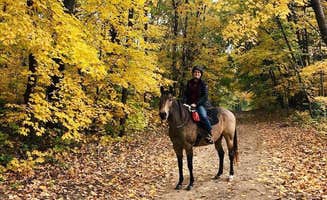
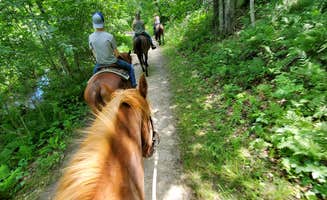
Trail riding through varied terrain: At Crow Hassan Park Reserve, riders can access extensive sandy prairie trails and wooded paths. "This is my all-time favorite park to bring my horse to, and it's her favorite trail too. Seriously, when we head back to our trailer she will stop and refuse to proceed," shares one regular visitor. The park offers both day-use and overnight equestrian options.
Swimming with horses: Several water access points near equestrian campgrounds allow riders to cool off their horses during summer months. "The lake is nice. There are 2 swimming beaches: 1 for the campground and one for all of the day visitors," notes a camper at Baker Campground. Many trails include water crossings and lake access points where horses can wade safely.
Dog-friendly trail exploration: Parks that accommodate equestrian camping typically welcome dogs as trail companions. "If you're the kind of camper who measures a site by how many tail wags it inspires, then Campsite 2 at Elm Creek Horse Camp is barking up the right tree. The trails? Chef's kiss. Plenty of new smells, shaded stretches, and squirrels for days," mentions a visitor who brought their dog alongside their horse.
What campers like
Secluded campsites: At Lake Maria State Park, equestrian campers appreciate the privacy. "Backpack sites only. Love this park as it offers many backpacking sites with some being very short hikes in and some being longer hikes. Some are lake front and some are more woodsy sites," writes one visitor. This setup creates natural spacing between campers with horses.
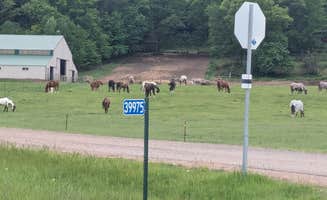
Barn facilities: Several equestrian campgrounds provide sheltered options for horses. "The barn stalls are available for use (unlike the Blue Stem horse site), otherwise there are overhead horse hitch lines," notes a camper describing the Riverbend group equestrian area. These structures provide weather protection and secure overnight containment for horses.
Trail connectivity: The regional trail system allows riders to access multiple parks without trailering. "I never tire walking the dog park circle along the crow river! Great for birding and tons of beautiful trails!" mentions one regular visitor to Crow Hassan Park Reserve. Many equestrian trails connect to larger networks, enabling multi-day riding itineraries between camping locations.
What you should know
Reservation requirements: Group equestrian sites typically require advance booking and have specific capacity limits. At Ann Lake, "Group sites can be reserved. Just about everything you need," notes a camper. Most individual equestrian sites operate on first-come, first-served basis during weekdays but fill quickly on weekends.
Access limitations: Some equestrian camping areas have restricted entry points designed for trailers. "Be aware that the road into this group site only is wide enough for one vehicle at a time, so far I've been lucky to not encounter another vehicle as I'm entering or leaving," cautions a camper about coordinating trailer movement at group sites.
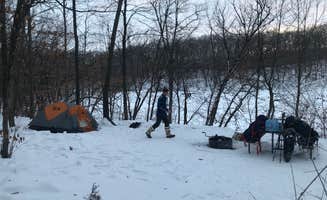
Seasonal considerations: Bug populations affect both horses and humans in this region. "We went in the middle of Summer. High bug season... The black flies were dive bombing the car like a scene from Armageddon," warns a camper at Lake Maria State Park. Most equestrian campers recommend spring or fall visits to minimize insect issues, especially for horses sensitive to flies.
Tips for camping with families
Playground proximity: Bunker Hills Regional Park offers family-friendly amenities near horse trails. "With great fishing, playground, swimming, and biking trails very nearby, the kids were kept as busy as they wanted to be," reports a camper. Many equestrian campgrounds include recreation areas where non-riding family members can enjoy activities while others ride.
Wildlife education opportunities: Horse camping areas often support diverse wildlife viewing. "We were all entertained by the plethora of mushroom varieties that surrounded the camp," mentions one family who camped with children. Rangers occasionally offer educational programs about local ecosystems that incorporate the role of horses in land management.
Safety considerations: Families with both horses and small children require specific site configurations. "This campground is a gem so very close to the Twin Cities. The sites are good sized, and the bathroom/showers are great," notes a family camper. Sites with hitching posts located away from tent areas provide safer separation between horses and sleeping quarters.
Tips from RVers
Trailer parking configurations: Country Camping on the Rum River accommodates large horse trailers with living quarters. "This place does have 30amp and 50amp hook ups and has pull through spots and sewer sites so that needs to change on this app. Max trailer length that I've seen here is 70'. Anyone can fit in here!" reports an RVer who visited with a large rig. Most equestrian campgrounds provide extra-long parking pads to accommodate truck and trailer combinations.
Electric availability: Many equestrian sites now offer electric hookups for living-quarter trailers. "We were able to utilize water and electric hookups," notes a visitor describing the convenience for RV-style horse camping. Most parks maintain at least some sites with 30-amp service suitable for horse trailers with basic living quarters.






 Legend


