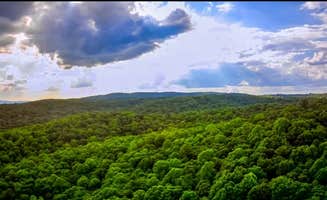
Army Camp in New River Gorge National Park and Preserve offers no-fee camping opportunities within a wooded river valley setting. Campsites sit between steep 2,500-3,200 foot mountains that create distinctive terrain features throughout the area. The campground typically experiences high humidity during summer months with temperatures ranging from 75-85°F, while spring and fall bring milder conditions and occasional heavy rainfall that can affect river levels.
What to do
River activities: Access the New River directly for swimming during warmer months when water levels permit. One visitor notes that Army Camp provides "evening river dips before bed" with "water access not a problem if you have a good filtration system." The fluctuating river levels require caution, especially after rainfall.
Fishing opportunities: Army Camp attracts anglers seeking smallmouth bass, catfish, and other river species. "Area for people to swim in the river or fish," mentions Billy C. The National Park Service provides specific guidance on fishing regulations, recommended lures, and seasonal considerations for this section of the New River.
Trail exploration: Beyond the campground's short riverside paths, numerous hiking trails exist within short driving distance. "One trail on far side of parking area that I haven't been on yet," notes a camper, while others mention the accessible trail leading to riverside benches. Military history enthusiasts can observe remnants of the actual Army training camp where soldiers learned river-crossing techniques.
What campers like
Riverside setting: The proximity to flowing water creates a peaceful soundtrack throughout the camping area. "The powerful drone of the New River never subsides," according to one review, while Rhys R. appreciates that there are "plenty of spaces to hammock down by there."
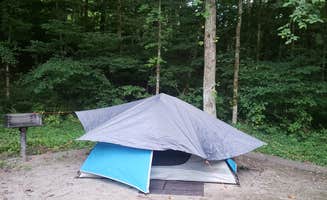
Site amenities: Each campsite includes practical features beyond basic tent spaces. "Sites are gravel with fire pit, charcoal grill, and picnic table. Spots are shaded," explains Caroline F. Another camper adds that "the ground is great for tents, no rocks" and mentions that sites include lantern poles alongside the standard amenities.
Value proposition: Walnut Flats, another free camping option within reasonable distance, offers similar no-cost camping with basic amenities. "You can't beat an established campground (picnic tables, fire pits, bathrooms) in a national park that's also free!" remarks Rachel S. about Army Camp. This sentiment echoes across multiple reviews that highlight the rare combination of established facilities without fees.
What you should know
Site availability challenges: Competition for sites intensifies during weekends and peak seasons. "We were lucky and got one of the last spots, there's only 11. If you're planning on coming here, make sure and come early," advises Rhys R. Midweek arrivals generally have better success rates.
Water requirements: No potable water exists on site, requiring advance planning. "No drinking water, so bring your own," cautions Jean C. Most campers bring sufficient water supplies for their entire stay, though experienced backcountry campers may filter river water with proper equipment.
Communication limitations: The valley location creates a complete communication blackout. "No AT&T service so I only stayed two nights (gotta work during the week!)," explains Tucker B. For emergency communications, visitors must drive approximately 10-15 minutes to higher elevations where limited cellular service becomes available.
Tips for camping with families
Wildlife awareness: Army Camp provides opportunities for nature observation with safety considerations. One camper mentions, "Good amount of spiders and ants but didn't notice any mosquitoes in mid May." Families should pack appropriate insect protection and maintain clean campsites to minimize wildlife encounters.
River safety protocols: Establish clear boundaries for children near the water. The New River features powerful currents that intensify after rainfall. As one camper observed, "The New River had encroached another 100ft through the woodland, flowing alongside the campground loop gravel drive... Even though it had not rained in 18 hours, the New River continued to swell."
Weather preparedness: Pack for rapid weather changes common in river valleys. Summer thunderstorms develop quickly, while temperature fluctuations between day and night can exceed 30 degrees. The mountain ridges surrounding the campground can trap moisture, creating morning fog and dew-soaked conditions.
Tips from RVers
Access considerations: The narrow access road requires careful navigation for vehicles towing trailers. "It is a one lane road to get to the campground and can get tight when other vehicles pass, but we got down there with our F250 truck and camper when a big grader and the park ranger came by. It's very doable," shares Kristi D. Smaller travel trailers and truck campers navigate more successfully than larger units.
Site selection strategy: Not all sites accommodate RVs equally. "Spots are large enough to fit 2 vehicles," notes Caroline F., though leveling can be challenging on some gravel pads. RV campers report best success with sites along the outer loop rather than interior positions.




 Traveler


