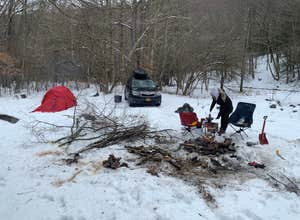
Dispersed camping near Monongahela National Forest offers primitive sites throughout the 900,000+ acre wilderness in eastern West Virginia. Most areas sit at elevations between 3,000-4,000 feet, with some sites reaching higher points with temperature drops of 10-15 degrees compared to surrounding lowlands. Winter access becomes difficult or impossible for many sites due to snow and unplowed forest roads, while summer brings dense foliage and increased wildlife activity.
What to do
Hiking accessible trails: At Gaudineer Knob camp sites, visitors can explore unique forest ecosystems. "The forest floor is only moss. Like miles of moss and other than the trail that was it. No other trees either. Just Spruce... That combination created the world's most quiet environment ever," reports one camper. The 1/2 mile loop trail provides access to an overlook worth visiting even if you don't camp.
Fishing opportunities: The Elk River Dispersed camping area provides access to trout fishing. "The area where we camped is catch and release only! Please be respectful of the river and rules," notes a visitor. Elk Springs Resort & Fly Shop nearby offers guides and supplies for anglers wanting to try the well-stocked fishing areas.
Mountain biking: Several forest areas feature maintained single-track trails. One visitor to Mower Basin mentions, "I also love this place as it has a small network of single track trails for anyone with a bike, or in my case, Electric unicycle. The trails were well maintained and offered a wonderful variety of wooded and open space riding."
What campers like
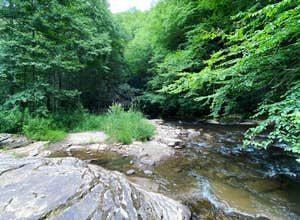
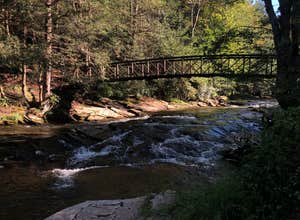
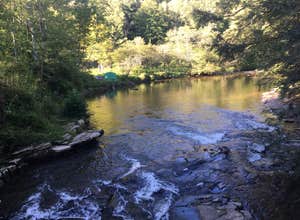
Secluded camping experiences: Little River Dispersed Campsites provides peaceful riverside camping. "We noticed two small gravel camping areas to the left when we entered the area, but were then rewarded with the first open site on the right by the creek. The site was breathtaking, with a small stream pool running along one edge, and the rushing river on another," writes one camper. The area includes approximately 15 campsites along Little River Road.
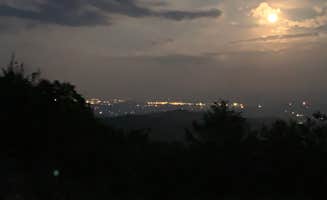
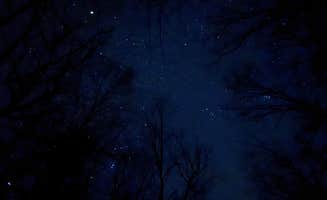
Night sky viewing: The remote forest locations offer exceptional stargazing. At Poor Farm Dispersed Recreation Area, one camper noted, "The moon was bright but you could still see hundreds of stars." Sites at higher elevations with clearing views provide the best astronomical observations.
Wildlife encounters: Free camping areas throughout the forest host diverse wildlife. One camper at Little River reported, "Not even 2 minutes from our dispersed camp site we were charged by an extremely aggressive black bear." While potentially dangerous, such encounters highlight the importance of proper food storage. "We decided to keep ALL FOOD in the car's trunk those nights and not hanging in a tree just to be safe."
What you should know
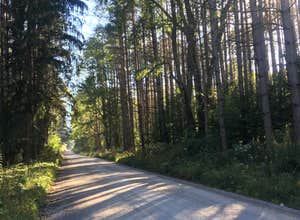
Access challenges: Many dispersed sites require navigating rough roads. For Little River campsites, "We drove in from the south, through Durbin, which is almost 7 miles on a pothole ridden dirt road. Dangerous for RVs, great for those looking for an escape." Always check road conditions before attempting access.
Limited connectivity: Cell service is virtually nonexistent across most free camping areas. At Braley Pond Dispersed Camping & Day Use Area, campers report: "no cell or data signal. No fees, no check-in. Great place to leave behind civilization."
Seasonal considerations: Weather significantly impacts camping conditions. "Check weather conditions and map before heading here," advises one Elk River camper. Spring brings high water levels in riverside camping areas, while summer offers optimal access but increased competition for sites.
Tips for camping with families
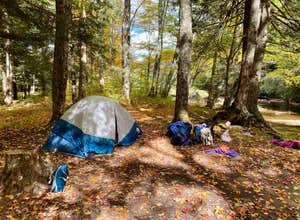
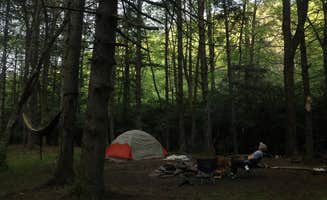
Child-friendly sites: Some areas offer better family accommodations. Braley Pond provides "enough room to pull in, pitch a large tent (ours was a 10-person) and hang hammocks." Another family reported, "I brought my boys out to camp this past weekend, and this place was perfect for our first dispersed campsite experience."
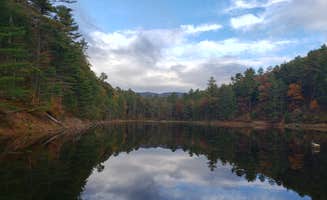
Water activities: While swimming is prohibited in some areas, streams provide cooling options. "Though you can't swim in the lake, we did wade the stream, which was cold and clear and beautiful," notes a family visiting Braley Pond. Many sites feature riverside access for supervised wading.
Bathroom considerations: Vault toilets exist at some locations. At Sherwood Lake WV, the nearby "Lake Sherwood Day use recreation area with seasonal pay sites is located at the end of the road" providing bathroom access. Families should bring portable toilet options for sites without facilities.
Tips from RVers
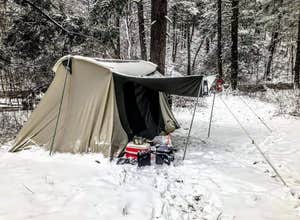
Site selection: When seeking free camping near Monongahela National Forest with larger vehicles, prioritize sites with established access. "We strolled up the mountain in our 39ft skoolie. It snowed and we had a really good time!" reports one RV camper at Mower Basin, indicating some roads can accommodate larger rigs despite challenging conditions.
Road conditions: Forest roads vary significantly in quality. One camper notes about Forest Road 227, "There are a lot of campsites along this road, many of which could fit an RV, but many of which have some rough roads that an RC or trailer might not do well on." Higher clearance vehicles manage better on most access roads.
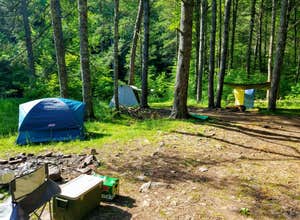
Site spacing: Several dispersed areas offer sufficient space between sites for privacy. "Each site also has a campfire ring and is well spaced out from the next one, but not always from the road," notes a camper about sites off Forest Road 227, providing useful information for RVers concerned about proximity to other campers.











 Ranger


