Tent campsites near Fleetwood, North Carolina offer varied primitive and backcountry options beyond the established campgrounds. At 3,000-4,000 feet elevation, this mountain region maintains lower humidity and cooler temperatures than surrounding lowlands, with overnight lows dropping into the 50s even during summer months. Forest access roads can become challenging after rainfall, with several campgrounds recommending high-clearance vehicles for reliable access.
What to do
Waterfall hiking: 1-2 miles round trip. At Mortimer Campground, "two trailheads are on the campground, one of which is a beautiful and easy hike to a small waterfall." The trail follows along Thorps Creek, providing multiple water access points.
Tubing adventures: $10-25 per person. Riverside Canoe and Campground offers specialized tubing equipment. "You can rent a tube to place a cooler inside of so you can tube down the river with beverages and snacks in tow. The end of the rafting experience puts you right there back at the campsite."
Mountain summit hiking: 1.9 miles each way. At Elk Knob State Park Campground, "Summit Trail to the top and enjoy great views of the surrounding area 2 miles one way." The trail climbs steadily to 5,520 feet elevation, with winter access available for experienced hikers.
What campers like
Private riverside sites: $20-25 per night. Campers at Dusty Trails Outfitters appreciate the individual facilities at each site. "As we pulled down the gravel road, we noticed each site had their own port-a-potty, hand washing station(with soap), campfire ring, picnic table and trash can."
Fishing opportunities: stocked ponds and rivers. Tent campers report good fishing at several locations. At Blue Bear Mountain Camp, one camper mentioned "the hike to the pond was a little more strenuous than we anticipated but once you get there, there is a nice creek and we caught a trout in the pond right away."
Seasonal temperature advantages: 70-80°F summer highs. Mountain elevation provides natural cooling. At Blue Bear Mountain Camp, campers note "the elevation is high so weather is nice for those trying to escape the summer heat" with July temperatures only reaching the 70-80°F range.
What you should know
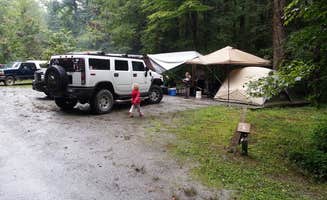
Road conditions: prepare for gravel access. Access to Basin Cove requires planning. "This camp ground is very small and on the side of a very quiet road next to beautiful fields with breath taking views it has no paved roads so bring a truck or suv sedans will get stuck easily."
Cell service limitations: spotty to none. Most campgrounds have limited connectivity. At Basin Cove, "there is no cell service and it is very clean of trash perfect quiet getaway." Some exceptions exist, with New River State Park noting "four bars of Verizon LTE. Amazing!"
Distance from supplies: stock up before arrival. Mortimer Campground is "down a pretty long gravel road, so it's best to have what you need when you arrive. No quick trips to Wally World for resupply here."
Tips for camping with families
Creek exploration: dedicated kids' areas. Mountaineer Campground offers "Creeper Trail park (1 mile to the town of Lansing) where you can hike, bike, fish and picnic near Big Horse Creek."
Missing facilities: plan accordingly. Several campgrounds lack conventional playground equipment. One camper at Blue Bear Mountain Camp noted "I wish there was a playground for the kids but overall it was very nice."
Hiking difficulty ratings: choose age-appropriate trails. Basin Cove offers accessibility for younger hikers. "The trail is amazing—but some spots may be very difficult to cross in the spring. Great for taking beginner backcountry tent/hammock campers!"
Tips from RVers
Water fill procedures: central fill stations. Blue Bear Mountain Camp requires a specific water access process. "They do not have water hookups- you fill your camper tank with water at the office area. They have spots with electric hookups."
Dump station locations: plan for end-of-stay dumps. Blue Bear Mountain Camp provides "a dump station where you can empty your tanks on your way out." Most primitive sites have no facilities.
Road width challenges: large rigs not recommended. Access roads to many campgrounds present difficulties. One camper noted the "state maintained gravel road used to access campground was narrow and would be difficult to get a large camper up there, although there were lots of large ones there."










 Guide


