Equestrian camping near Lansing, West Virginia sits at elevations averaging 1,500-2,000 feet in the Allegheny Mountains. The area receives approximately 40-45 inches of annual rainfall, creating lush vegetation throughout spring and summer months. Winter temperatures can drop below freezing with occasional heavy snowfall, making most equestrian camping seasonal from April through October.
What to do
Trail riding at Snowshoe Mountain Resort: The nearby mountain offers expansive riding opportunities for horses and their owners. At River Expeditions Campsites, campers can join guided horseback experiences. "River Expeditions offers tent camping, safari tents, RV sites, bungalows, mini-cabins, deluxe cabins, and even luxury cabins with private hot tubs," notes Jennifer B., highlighting the range of accommodation options for riders who need comfortable lodging after a day on the trails.
Explore historical sites on horseback: The region features several Civil War battle sites accessible via horseback trails. "The hiking is difficult in some areas but spectacularly beautiful," says Julie B. about the terrain near Mash Fork Campground, which connects to historical paths throughout the area.
Fish while your horse rests: Many horse camping locations offer streamside access for fishing. "The River offers both stocked trout fishing along with wild trout tribs in a few places," mentions Mike F. about Cranberry River Sites, where equestrians can alternate between riding and fishing adventures.
What campers like
Direct river access for horses: Horses need water access, especially during summer rides. "Beautiful RV Park. Wonderful sites for parking your RV... The park is right on the beautiful Elk River where you can swim, float or kayak," writes Katrina B. about Elk River Camp and RV Park, where horses can also access the water safely along designated areas.
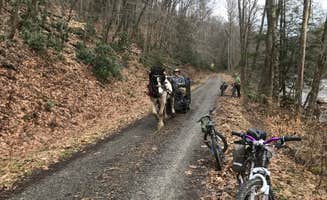
Multi-day trail options: Many equestrians appreciate the ability to ride for several days without repeating trails. "Traveling West Virginia's Greenbrier River Trail from its Northern Terminus at Cass Railroad, Stumptown to its Southern Terminus in North Caldwell has created a thirst that can only be slaked by multiple future returns," reports Dave V. about the extensive trail system near the primitive campsite at Mile Post 9.5.
Well-maintained trails for novice horses: Several trails feature smooth, well-graded surfaces suitable for less experienced horses. "The trail's 1% grade makes it accessible for riders of various skill levels," mentions a local equestrian about trails connecting campgrounds.
What you should know
Bear safety requirements: Equestrian campers must properly secure both human and horse feed. "There are bears," states Joseph K. bluntly about Cranberry River Sites. Other reviewers echo this sentiment: "This is bear country so I would recommend utilizing a bear bag or bear canister for your food and toiletries," advises Dave V.
Limited cell service: Most equestrian routes have minimal or no connectivity. "No cell service" appears repeatedly in reviews as both a pro and a con for safety considerations. Consider carrying satellite communication devices when traveling on horseback.
Weather variability affects trail conditions: Mountain weather changes rapidly. "Late afternoon showers soaked the three groups of bikepackers that set up camp at Mile Post 28.5 for the night," notes Dave V., illustrating how quickly conditions change, which affects both riders and horses.
Tips for camping with families
Kid-friendly horse experiences: Some campgrounds offer shorter trail rides suitable for children. "Our guides, Brian and Mason were efficient, conscientious, and FUN!!! They made the most of every rapid and even tailored the trip especially to our group!" shares Judy W. about the personalized experiences at New & Gauley River Adventures.
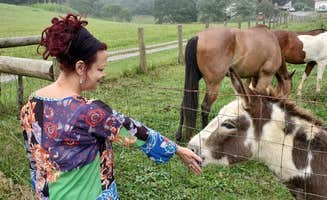
Farm animal interactions: Several campgrounds feature small farms where children can interact with animals between rides. "We loved every moment of our stay from the fire pit to the beautiful tails on the property to seeing the farm animals. The constant songs of the birds is a reminder that we belong in nature," writes cheryl B. about her stay at CB Ranch.
Educational trail signage: Many trails include historical and ecological information accessible to young riders. "You can pretty much camp where ever you'd like and there are also Adirondack style shelters in various spots along the trail," notes Mike F., describing features that make learning opportunities accessible along riding routes.
Tips from RVers
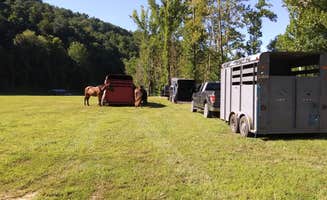
Horse trailer parking considerations: Many campgrounds have specific areas for horse trailer parking. "Very well lit with very modern water and electric hook ups. All slips have a fire pit, bar-b-que grill and picnic tables," notes Katrina B., describing amenities that accommodate both horses and their owners.
Electrical needs for equestrian equipment: Some campgrounds offer electrical hookups convenient for cleaning tack or charging electric fencing. "50 amp hook-up, Water, Sewer," lists Beth R. about available utilities at Elk River Camp and RV Park.
Unloading zones: Several campgrounds feature dedicated areas for safely unloading horses. "Spacious sites, and he is making amazing improvements to the park," mentions Gary F. about ongoing facility upgrades that benefit equestrian campers.






 Legend


