Equestrian camping near Mcgaheysville, Virginia offers diverse terrain experiences across the Massanutten Mountain range. The area sits at elevations between 1,200-3,000 feet, creating varied climate zones that can be 10-15 degrees cooler than surrounding valleys. Camping facilities in this Shenandoah Valley region range from primitive sites to full-service campgrounds, with most open from April through November.
What to do
Mountain hiking options: Big Meadows Campground in Shenandoah National Park provides direct access to numerous hiking trails. "With so many hiking trails and waterfalls nearby we love to camp in Big Meadows - and for the star watching at night," notes Rachel M. The campground connects to paths suitable for various skill levels.
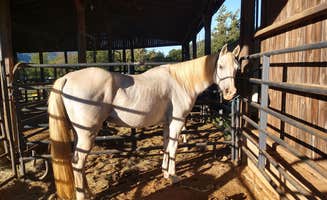
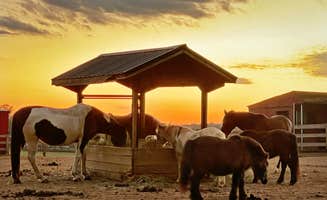
Horseback riding experiences: Fort Valley Ranch offers guided horseback trail rides for both experienced and novice riders. "We found a river access point perfect for swimming and wading within a 10-minute drive," reports Jason G., highlighting the dual water and trail activities available.
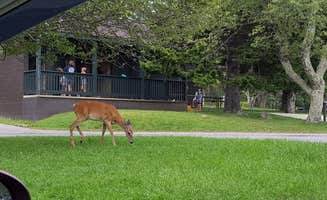
Wildlife observation: The natural habitats support diverse animal sightings. "We saw many deer and bear while camping. Just being in Shenandoah is a soothing experience," writes Rachel M. about Big Meadows. Another camper notes, "You will definitely see deer in the campground as they walk through and browse the understory."
What campers like
Night sky viewing: The higher elevation camping areas provide exceptional stargazing opportunities. At Big Meadows Campground, campers appreciate "the star watching at night" according to reviews. The limited light pollution and mountain elevation create ideal conditions for astronomy enthusiasts.
Riverside camping spots: Near Seneca Rocks, Yokums offers waterfront sites. "I had a little trail down to the waters edge and sat on giant boulders to eat my meals," describes Kelly G. These river-adjacent sites provide natural cooling effects during summer months.
Spacious campsite layouts: Campers consistently mention site spacing as a key benefit. "Campground was busy but never felt like we were sharing someone else's tent stakes," notes Jacob S. about his experience at Big Meadows. The well-designed layouts maintain privacy even during peak seasons.
What you should know
Weather variability: Mountain camping brings significant temperature swings. "It was an especially cold night hitting a low of 14F. Very happy for the nearby heated restrooms with hot running water," reports Carol B. at Spruce Knob Lake Campground. Pack layers regardless of season.
Limited connectivity: Most campgrounds have minimal or no cell service. "Download your maps before you come, because there's no cell service and you'll truly get away," advises Jean C. The entire Spruce Knob area offers genuine disconnection from digital distractions.
Facility variations: Bathroom and shower facilities differ significantly between campgrounds. "The bathrooms were plentiful, heated, hot running water, and a utility sink available," reports Carol B. about Big Meadows, while others like Spruce Knob Lake offer more primitive options with pit toilets and limited water supplies.
Tips for camping with families
Kid-friendly fishing spots: Trout Pond Recreation Area offers accessible fishing in crystal-clear waters. "We hiked around Rock Cliff Lake and observed petrified wood. Swimming is excellent with sand beach. Big catfish in clear water," notes Fred F., highlighting the multi-activity potential.
Educational ranger programs: Structured learning activities enhance family camping experiences. "Nice amphitheater with interesting ranger programs," shares Kim L. about Big Meadows Campground. These sessions typically run 30-45 minutes and cover wildlife, geology, and conservation topics.
Playgrounds and recreation areas: Several campgrounds feature dedicated children's facilities. "There are 3 pools, playground, marina, Minigolf, stables and bike rental," mentions Kathie M. about Shenandoah Crossing, providing rainy day alternatives and energy-burning options for younger campers.
Tips from RVers
Site leveling considerations: Pay attention to campground topography when booking. At Shenandoah Crossing, "All the RV sites were impressively level, with only minimal leveling needed," reports Jason G., while Brenda L. notes, "Our site was not exactly level but I think it was because we were in the first spot on a row and it had a slant."
Mountain road access: The winding roads present challenges for larger rigs. "I was initially concerned about the road leading into the campground, as my rig is over 50 feet in total length. However, we were surprised that the winding roads presented no issues for us," shares Jason G. about Fort Valley Ranch.
Hookup availability: Research utilities before arrival. "We found that sites 1, 3, 5, 7, and 9 are FHU (not sure what amp electric though)," reports Laure D. about Trout Pond Recreation Area, adding "While 3, 5, 7, and 9 are designated Host spots, site 3 had the sign covered and an RV using it."





 Legend


