The Ouachita National Forest near Parks, Arkansas sits at elevations ranging from 600 to 2,600 feet with a humid subtropical climate. Summer temperatures typically reach 90°F with high humidity, while winter nights often drop below freezing. Flash flooding remains a significant risk throughout the region, particularly at lower elevation camping areas near creeks and rivers.
What to do
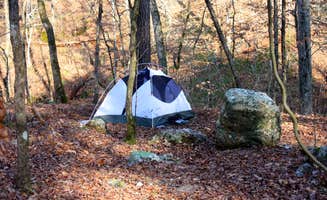
Hiking the Eagle Rock Loop: Access this 26.8-mile trail near Albert Pike Recreation Area, which offers multiple primitive camping opportunities along the route. "Go about 2.3 miles in once you cross the river twice look for a small trail that leads to the ultimate camping spot. Huge rock facing behind it and small path leads straight to some of the most clear blue swimming holes and beautiful rock facings that you will see anywhere in Arkansas," notes one backpacker.
Rock exploration and swimming: Cossatot Falls Campsites provides access to unique rock formations and clear water. "It's not for the faint of heart or people avoiding physical activity because trekking the huge river boulders is not easy. But the beauty is worth it. The water is crystal clear and you can watch fish swim by," explains a camper who visited the area.
Fishing: Several creeks and rivers throughout the forest offer fishing opportunities, particularly at Jack Creek where locals frequent the swimming hole. Pack lightweight fishing gear and check Arkansas fishing regulations before your trip.
What campers like
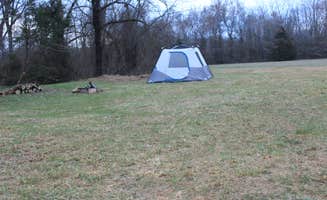
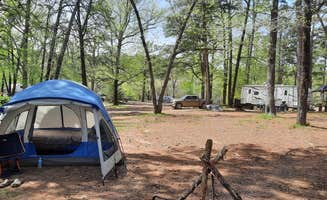
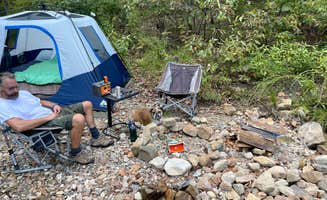
Large tent pads: Tent campers appreciate the spacious sites at Cossatot Falls Campsites. "We typically don't camp in regular campgrounds, we prefer more separation. We also have a large 20' tent that makes it difficult to fit into regular square pad tent sites. These pads were huge and fit our tent," notes one visitor to the Sandbar area.
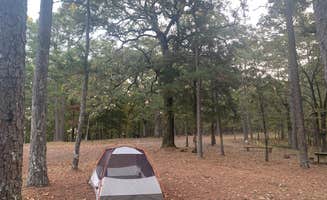
Wildlife encounters: The best tent camping near Parks, Arkansas offers opportunities to hear and see wildlife. One camper at Cossatot's Sandbar Area noted the natural soundscape: "You can hear the Owls and Coyotes at night. I highly recommend this camping spot if you want to be in the thick woods (but accessible by car)."
Free camping options: Several forest service sites offer no-cost camping. A visitor to Hickory Nut Mountain shared: "This is a gorgeous spot the view is amazing. Outhouse not so nice door doesn't lock. There is a fire ring, picnic table, grill and it's free. I spent 2 nights here and would definitely come back."
What you should know
Flood risk assessment: Many campsites near creeks pose flash flood dangers. At Big Brushy, "This creek floods quickly and there are signs located through the park indicating it is a flash flood area, so be aware." Check weather forecasts before and during your stay.
Drinking water access: Most primitive sites lack potable water. Pack in your own supply or bring reliable water filters for creek water. Hickory Nut Mountain and similar sites have no running water facilities.
Day-use only restrictions: Some former campgrounds now prohibit overnight stays. At Rocky Shoals, "Rocky Shoals is a former campground turned day use only area, only open from 6am to 10pm. This location has four sites now just for picnicing only."
Road conditions: Forest roads can become impassable after rain. A visitor to Hickory Nut Mountain noted: "It's a 4 mile drive uphill with only narrow gravel roads." Higher clearance vehicles perform better on these routes.
Tips for camping with families
Swimming hole safety: When camping with children, select sites with gentler water access. Jack Creek Recreation Area provides a family-friendly option where "there is a day use area where camping is NOT permitted. But the actual camp is just fine... When the weather is nice, there's a swimming hole."
Noise considerations: Some campgrounds experience traffic noise. At Big Brushy, "Very quiet little campground, however you are just off the highway and will have road noise." For quieter family camping, choose sites deeper in the forest.
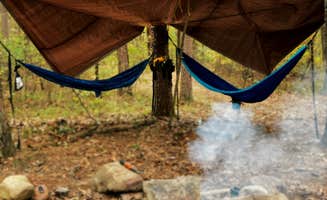
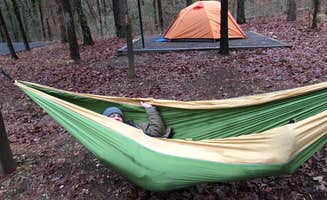
Campsite selection strategy: For tent camping with kids, seek flat ground away from potential hazards. At Straight Creek Campsite, "There is adequate clear space to set up a tent or numerous trees to string up a hammock. There are no facilities nearby. You can collect and filter water from the river."
Insect preparation: The humid climate supports robust insect populations. "During the spring and summer the insects can be intense. I advise treating clothing and gear with permethrin to prevent ticks and picaridin for other insects," recommends an experienced camper.
Tips from RVers
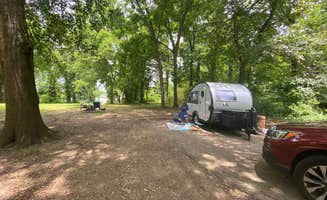
Site limitations: Most primitive camping near Parks accommodates only smaller RVs. At Jack Creek Recreation Area, "It's on a loop so it's hard to maneuver into a spot. They are super close together, but mainly people keep to themselves."
Generator policies: Some campgrounds allow generators despite the natural setting. At Cossatot Falls, one camper noted: "They did allow generators which is unfortunate because the river is so close. Part of what we love about camping is being in nature and hearing the sounds around us but one person's generator use ruined the quiet."
Cell service: Connectivity varies significantly across the region. At Hickory Nut Mountain, campers report "T-Mobile Cellphone reception," while deeper forest locations have minimal to no service.











 Legend


