Dispersed camping in Mark Twain National Forest spans over 1.5 million acres of Ozark highland terrain, with elevations ranging from 600 to 1,400 feet. Winter temperatures frequently drop below freezing while summer months can exceed 90°F with high humidity. Most primitive sites lack potable water, requiring campers to bring their own supplies or use water purification methods for streams and springs.
What to do
Fishing opportunities: The Current River and Eleven Point River offer excellent fishing for smallmouth bass and catfish. At Blue Spring Backcountry Camping, visitors mention "the water was very warm to swim in, and is also a good place to fish for crappie and catfish."
Water activities: Many riverside locations support swimming, paddleboarding, and kayaking. A camper at Whitten River Access noted, "It's great for kayakers. The Eleven Point River is beautiful and cold. Some of the best outdoor fun for adventurous people."
Hiking and wildlife viewing: The forest contains numerous trails with opportunities to spot diverse wildlife. At Murphy Overlook, a camper reported, "I saw an adult black bear when we left, only about 0.5 a mile from camp. Ran across the road in front of us. Keep that in mind!"
What campers like
Solitude and quiet: Rustic camping spots in Mark Twain National Forest often provide peaceful seclusion. At Sunklands Conservation Area, a visitor appreciated that they "had a great time exploring the outdoors - saw no other people and only heard nature and airplanes."
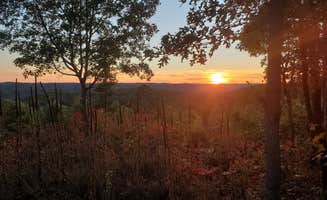
Stargazing opportunities: The remote locations offer minimal light pollution. A camper at Murphy Overlook shared, "Being that far from civilization, there was no light pollution so seeing the stars and getting some night photos is possible."
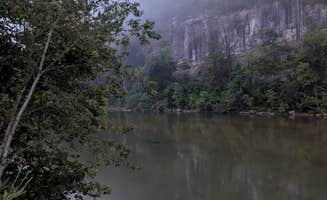
Natural water features: Springs and rivers with clear water attract many visitors. At Cane Bluff River Access, someone observed, "Water is crystal clear and cool, didn't see another camper all weekend. Had a few folks using the boat ramps, but otherwise very private. Great stargazing on the beach and you'll see some bats too!"
What you should know
Road conditions: Many camping areas require careful navigation. At Little Scotia Pond 4x4 Dispersed Site, a camper advised, "Easy to get in but could be tricky for a small car to get out (boulders, trees, incline and possible rain/mud) 4x4 recommend."
Fee systems: Payment requirements vary by season and location. At Blue Spring Backcountry Camping, a visitor explained, "Camped for one night at site #7 on Oct 23, 2025. It turned out that this was the first night that camping fees were suspended for the winter season."
Wildlife caution: Bears and other wildlife are present in the forest. At Little Scotia Pond, someone warned, "I saw several deer, a couple beavers in the pond, racoons, and on the last day a bear and 2 cubs. So keep that in mind."
Cell service limitations: Most primitive camping areas have minimal to no connectivity. A Murphy Overlook camper reported, "AT&T service was spotty - basically nonexistent. So if you're looking for a place to escape and unwind, this is a great location."
Tips for camping with families
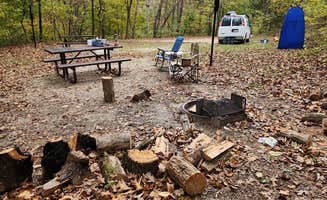
Site selection: Choose locations with safe water access for children. At Cane Bluff River Access, a visitor mentioned, "Only a few campsites, no picnic tables, a fire ring, some heavily shaded spots, a couple sites right on the river (but none are far away)."
Safety precautions: Be prepared for tick season in wooded areas. A camper at Little Scotia Pond 4x4 Dispersed Site observed, "Be mindful that it is tick season now. We had a few on the dog by the end of the first day."
Weather monitoring: Flash flooding can occur rapidly in this region. At Whitten River Access, someone advised, "Arrived after dark. Found a level spot by the river, ground was frozen or it would have been muddy."
Timing considerations: For quieter family experiences, avoid peak times. A visitor to Blue Spring Backcountry Camping suggested, "It's beautiful but overwhelmingly noisy and busy on the weekend. People in your site who are going down the river stop to fish and eat and occupy your space... If you can get a chill few days in the week it's really wonderful and peaceful."
Tips from RVers
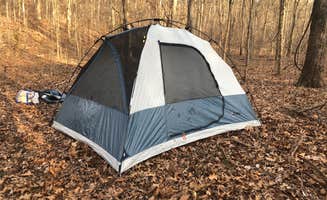
Site limitations: Many primitive camping areas have restrictions for larger vehicles. At Little Scotia Pond, a camper noted, "A small class c or travel trailer might make it into a few sites, best for vans and tents."
Leveling challenges: Bring leveling equipment for uneven terrain. At McCormack Lake Rec Area, visitors have "totally alone with a gorgeous lake," but the primitive sites require careful positioning.
Generator considerations: Check regulations before using generators in quiet areas. A Murphy Overlook camper mentioned, "Once there you see no one, hear nothing and have the place to yourself. Great view. Not large, this is not a multi-car big group place."








 Traveler


