Camping near Ranchita offers access to high desert terrain at elevations between 3,500 to 4,000 feet, creating a moderate temperature zone compared to lower desert areas. Winter nights drop below freezing while summer days reach the high 90s with sudden afternoon thunderstorms common from July through September. This transitional zone provides campers with diverse ecosystems including chaparral, desert scrub, and scattered oak woodlands.
What to do
Stargazing opportunities: Blair Valley Primitive Campground sits within a designated Dark Sky community where light pollution is minimal. "I followed the coordinates provided and it took us right to the trailhead. We saw a few other campers but overall, the campground was ours for the weekend... Gorgeous sunsets and sunrises and epic star gazing! Being a dark sky community, we were able to see so many stars and constellations. We saw shooting stars nearly every minute," notes visitor E. at Blair Valley Primitive Campground.
Hiking desert trails: Several paths of varying difficulty connect campgrounds to unique desert features. "You can walk trails, stargaze, take your bikes around and so much more!" reports Sade H. about William Heise County Park, which offers pine-forested trails that contrast with the nearby desert routes. These trails provide cooler hiking options during hotter months.
Bouldering and rock exploration: The terrain around campgrounds features numerous climbing opportunities without specialized equipment. "In Culp Valley there is TONS of boulders to climb; varying from beginner v0's to advanced bouldering. Check out mountain project to check out some routes or just go spot out some of your own!" advises Jen D., who frequently visits the area.
What campers like
Elevation advantage: Higher elevation sites offer temperature relief from valley heat. "I stayed at Little Blair Valley which is on the other side of this, you can get to it if you keep driving down the road for a ways. The road is a bit narrow but well maintained and there were plenty of trailers out there," shares Brittany K. about accessing the more secluded camping areas at Blair Valley Primitive Campground.
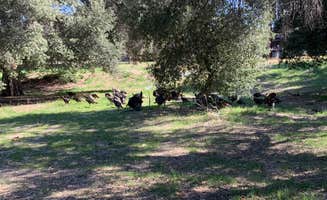
Wildlife viewing: Dawn and dusk hours reveal desert wildlife otherwise hidden during daylight. "We love this campground," Susan E. says of William Heise County Park, noting they consistently see "deer and flocks of wild turkey" during their stays.
Fishing opportunities: Lakes in the region provide recreation despite warm water temperatures. "Every time we put our line in we got a fish it's crazy. You do have to pay and $8 fee to fish which is across the street from the campground," explains Amanda B. about Lake Henshaw Resort, mentioning that while swimming isn't allowed, fishing remains productive even in summer months.
What you should know
Water management: Most primitive sites require bringing all water needed. "No water here for drinking, but there are spigots throughout the campground. Showers available, pay via token," reports Laura M. about Tamarisk Grove Campground, highlighting the critical distinction between availability of non-potable versus drinking water.
Wind considerations: Sites experience unpredictable strong winds, especially in mountain passes. "It was very windy and fairly cold. I think the actual temperature would have been fine if not for the windchill and spitting rain from the clouds stuck on the mountain a few miles away. The wind blew the moisture across," shares Carlos B., adding "I'm a Kansas boy, I know strong winds."
Variable road conditions: Access roads to more remote campgrounds require careful driving. "Wash out and silty sand could pose problems for smaller vehicles or campers so use your best judgement. Single track roads in/out so you will need to yield off the main road when encountering larger oncoming vehicles," advises E., recommending moderate clearance vehicles for certain areas.
Tips for camping with families
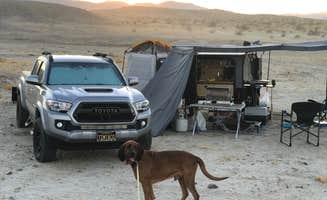
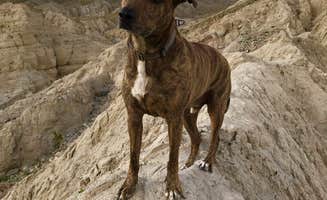
Dog friendly campgrounds near Ranchita: Multiple sites welcome pets with specific limitations. "Lots of red ants that bit our dogs' paws (come prepared). Each night we heard coyotes howling like crazy, it was very cool!" warns Cassandra F. about Oak Grove Campground, emphasizing the need for protective footwear for pets on desert terrain.
Shade considerations: Tree cover varies dramatically between sites. "We had a big group of 15, if you go all the way to the T take a right and go to the little turn around there is plenty of room for multiple tents and large groups... It is very hot during the day and very windy at night," advises Jill E., recommending bringing shade structures for sites with minimal natural coverage.
Accessible amenities: Some campgrounds offer more developed facilities. "This campground felt more like I was glamping. Everything was easily accessible and by that I mean; a toilet, running water, and showers. We slept in our tent which felt pretty amazing being that the weather was perfect," shares Alicia R., suggesting families choose sites with more infrastructure during extreme temperature seasons.
Tips from RVers
Site selection strategy: RV campers should prioritize level sites away from wind tunnels. "Great for hiking, camping," says Austin D. about Cuyamaca Rancho State Park, while another visitor notes the importance of leveling equipment on many sites in the region that appear flat but have subtle slopes that affect comfort in larger vehicles.
Dump station locations: Plan waste management carefully as facilities are limited. "Great amenities and is very well run. Each site has a large fire pit, charcoal grill and a water spout near by... They sell firewood if you get there before they leave for the day, around 5pm," reports Lauren S. about Borrego Palm Canyon Campground, one of the few developed sites offering more extensive RV services.
Temperature management: Prepare for significant day/night temperature swings that impact RV systems. "We had hookups and used our AC every day. The palm canyon hike is really nice. The sites aren't huge and it's definitely desert camping," explains Joanne P., highlighting how even with hookups, planning for temperature fluctuations remains essential.






 Guide
Guide


