Wind Cave National Park sits at 4,000 feet elevation in the southwestern Black Hills, creating a transition zone between prairie grasslands and ponderosa pine forest. The park encompasses over 33,000 acres of mixed-grass prairie and forest terrain that supports diverse wildlife populations. Weather conditions change rapidly throughout the year, with summer temperatures ranging from 50°F to 90°F and frequent afternoon thunderstorms between June and August.
What to do
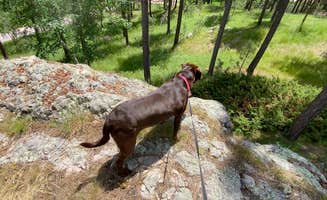
Trail exploration with dogs: 2.2-mile hiking loop connects directly to Elk Mountain Campground through forested areas. "We heard lots of animals through the night and loved it. There is a hiking path nearby that gets you up so you can view the amazing area surrounding you," notes Aaron C. about the trails accessible from camp.
Morning wildlife watching: 1-2 hours after sunrise offers prime viewing at Game Lodge Campground where "there was a male bison that was roaming near the other side of the fence which was neat," according to Andrea. Bring binoculars and keep dogs leashed at a safe distance.
Evening ranger programs: 30-45 minutes occur at the campground amphitheater. "They have a small ampitheater where rangers give talks every night during the summer at 9pm," explains Grant Z. These programs often cover wildlife safety and park geology.
Lake activities with pets: 1-mile access trail from Stockade Lake North Campground leads to water recreation. "The walk around Stockade Lake was a great hike with some beautiful views, especially near sunset," reports Maria M. Dogs must remain on-leash during these activities.
What campers like
Secluded tent sites: Elevated platforms at specific locations provide better drainage. "Tent pads were elevated, so our REI Kingdom 8 garage had to run off the edge. Even so, it was the perfect spot for us," shares Sara P. about Game Lodge Campground, noting the camping platforms keep gear drier during rain.
Natural soundscapes: Evening wildlife calls enhance the camping experience. "Elk and Coyotes sounding off all night," reports Bruce K. from Blue Bell Campground, where multiple pet-friendly sites accommodate both tent and RV camping.
Creekside sites: Several numbered sites border small streams. "Our site was right next to a little creek. At night, we could hear the water running and it was so calming," explains Sara P. Creekside sites tend to fill quickly during summer months.
Free dispersed options: North Pole Road provides no-cost alternatives for dog owners. "The views are breathtaking and remarkably peaceful," notes Francois T. about North Pole Rd Dispersed Camping, where campers must follow pack-in, pack-out protocols for all waste.
What you should know
Site selection for tent campers: Sites 7-10 at Elk Mountain Campground have better tent placement options. "Ok, if you're going to tent camp here reserve spots 7-10 and maybe 11 ish. The rest are awful for tents," warns Greebly M. Tent campers should request these specific sites when making reservations.
Bathroom locations: Consider proximity when selecting sites. "Do not choose a site near the bathrooms," advises Aaron C., noting "the lights from the very simple bathrooms were so bright at night they ruined our night vision."
Wildlife management: Bison regularly approach campground boundaries. "We saw more bison at Wind Cave than Yellowstone, Tetons, and Glacier combined," reports James W. from Elk Mountain, underscoring the importance of maintaining proper distance with pets.
Private options with more amenities: Enhanced facilities available at Fort Welikit Family Campground. "Our site was almost always shaded. The sound of the wind in the trees truly put you to sleep," shares Tom D. about this dog-friendly alternative just outside the park.
Tips for camping with families
Dog exercise areas: Dedicated pet spaces accommodate energetic dogs. "The added kids old time fort play area and the dog park area were well kept," describes TyAnn J. from Fort Welikit, which offers both tent sites and cabin accommodations for families with pets.
Weather preparation: Temperature fluctuations require layered clothing for both humans and pets. "If you do go winter camping bring the right gear and you will have a blast," advises Joie V., who camped at Game Lodge during March when morning temperatures dropped below freezing.
Campsite spacing: Site privacy varies significantly between campgrounds. "The sites were well spaced with lots of grass and some have lots of trees," notes Pam K. about the dog-friendly sites at Game Lodge Campground, making this a good option for families needing space between neighbors.
Water activities: Swimming options for pets and families. "There is a nice little playground in the center of the campground and an adjoining amphitheater where they may show informational films in the summer," reports Kari T. about Stockade North, which connects to lakeside recreation areas.
Tips from RVers
Site leveling: Many sites require adjustment for comfortable parking. "The sites at this campground are reservation-only, even on same-day arrival," explains Kari T., noting "our site was a bit unlevel, but very scenic and shady."
Electric hookups: Limited availability at dog-friendly campgrounds. "Electric and some non-electric sites and with two campground spigots accessible from the road only," explains Tom D. about Stockade Lake North Campground, where RVers should bring extension cords.
Slide-out considerations: Space constraints affect larger RVs. "In our site, number 15, we were able to barely get our slide out without it protruding over the campground road," warns Roger W., recommending careful site selection for RVs with slide-outs.
Dump station locations: Plan waste disposal carefully as options are limited. "There is no dumping station either (pro tip - Hot Springs, the nearest town, has a free town dumping station and potable water station)," advises James W., providing essential information for RVers traveling with pets.












 Legend


