Camping opportunities surround Brogue, Pennsylvania where the terrain includes rocky outcroppings and hills that border the Susquehanna River at 250-300 feet elevation. Summer temperatures typically range from 75-85°F with increased humidity, while spring and fall camping seasons offer more moderate 50-70°F conditions. The area's glacial history has created unique natural features that attract campers seeking wooded riverside settings.
What to do
Hiking Mason Dixon Trail: Access multiple trailheads from Otter Creek Campground where trails vary from moderate to challenging difficulty with rocky sections. "The close proximity to the Susquehanna River, Otter Creek, and the Mason Dixon Trail is absolutely ideal!" notes camper Gerald B.
Disc golf courses: Gifford Pinchot State Park Campground maintains two 18-hole courses on opposite sides of the lake. "Both areas have their own 18 hole disc golf course, but I will say: BEWARE of poison ivy!! We played the first 10 holes around the Conewago day use area and I was shocked at how much poison ivy we had to dodge," warns Danielle V.
Paddle sports: Multiple waterways offer different paddling experiences within 30 minutes of Brogue. "Then throw in Otter Creek... it's a great adventure paddling up the creek," shares Sean M. Some campgrounds rent kayaks and tubes for $10-25 per day, allowing exploration of smaller tributaries.
Fishing opportunities: Several lake and river access points provide diverse fishing conditions. "We caught a handful of bass and an absurd amount of bluegill from shore," reports one camper at Pinchot Lake. Anglers need Pennsylvania fishing licenses, which rangers actively check at most public areas.
What campers like
Spacious wooded sites: Pequea Creek Campground offers secluded camping areas with natural settings. "We had a ton of space and it was more secluded than other sites. There were activities for the kids, a playground, access to some nice walks," shares Olivia M. Many campsites include fire rings and picnic tables positioned under mature trees.
Seasonal activities: Family-oriented events run throughout camping season at most locations. "Having spent most of my childhood here camping at this park i was delighted to bring my family back to where I grew up. The campground throughout the year has activities and events that are fun for the whole family, my favorites being the Halloween fest in October and a Native American Pow wow," notes Alanna M. at Muddy Run Rec Park.
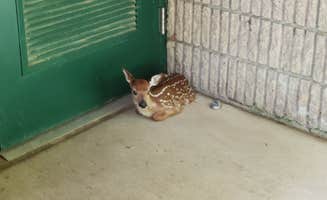
Wildlife viewing: The area hosts abundant wildlife in protected park settings. "My favorite evening activities (besides enjoying a campfire) are dusk deer-watching! There are hundreds of deer in this protected park," explains Jenn D. Bird watching opportunities exist along river corridors with over 200 species documented.
Creek access: Natural water features provide cooling opportunities. "We welcomed grandkids' visit for splashing and floating in Pequea Creek. (Nearby site 24 had steps down the 'levee'; affording easier access to the creek)," reports J.W., highlighting how certain sites offer better water access than others.
What you should know
Seasonal considerations: Spring and early summer camping can include muddy conditions. "When it rains the sites get flooded with runoff from the campground," warns Kasey M. at Thousand Trails Circle M. Fall camping offers colorful foliage but requires extra layers as overnight temperatures can drop to 40-45°F.
Tick prevention: Multiple campers report encountering ticks during warmer months. "Then I left and woke up with a serious case of chigger bites. Not the best experience to say the least," shares Scott B. after hiking. Permethrin-treated clothing and regular tick checks help reduce these risks.
Farmland aromas: Agricultural activity sometimes affects camping areas. "The overwhelming impression of this campground was the smell of cow manure from the nearby dairy farm feedlot. The smell was not present the first day or so we were there and we enjoyed sitting outside in the afternoon, but when the wind shifted the horrid smell drove us inside," explains Nancy W.
River conditions: The Susquehanna River water clarity changes drastically after rainfall. "Unfortunately, with all of the rain we have had here in Pennsylvania this summer the river was brown with mud and tree debris. There was no way any fish was going to see anything in that water," notes one camper about summer river conditions.
Tips for camping with families
Playground proximity: Choose sites near play areas for convenience with younger children. "Our site was very large and there was a wooded area between both sites aside of us. The campground was very family friendly. There was a nice playground with a rockwall, slides and swings," reports Jen R.
Swimming options: Tucquan Park Family Campground provides clean swimming facilities. "They had a lot of events that people participated in like candy bar and regular bingo, corn hole and horse shoe tournaments and a dj. The playground and pool were both nice and clean. Wonderful place for a family," shares Jennifer R.
Fishing with kids: Several campgrounds feature stocked fishing ponds suitable for beginners with easy access. "They also have a nice little pond you can fish," notes Dan A., making these ideal spots for teaching children to fish without the challenges of river currents.
Budget considerations: Campsite costs vary significantly by amenities and location. "At 35/night during peak season for a primitive site it's a little above our usual budget. However we found it to be well worth it," shares Christine L. Most sites with water and electric hookups range from $40-65 per night, with discounts often available for weekday or extended stays.
Tips from RVers
Site selection: Many campgrounds offer online reservation systems showing site details. "If you reserve online you can see the availability and pick your site which is always a nice feature. They also have pictures of each campsite on the website so you really know what you are getting," explains Nancy W.
Hookup locations: Water and electric connections sometimes require long hoses or cords. "Bring 50 ft of hose for water hook up and an extension cord with a converter. The water hook ups are randomly placed, ours was 2 sites away," advises Chris G. Planning for these extended connections prevents setup frustrations.
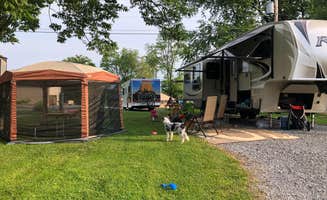
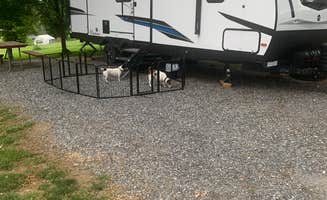
Leveling challenges: Some campgrounds have more level sites than others. "We had a corner site and had plenty of room," mentions a reviewer at pet friendly camping areas near Brogue, Pennsylvania. Sites on hillsides often require additional leveling blocks even for smaller rigs.
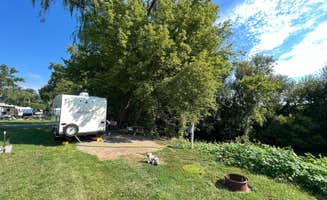
Dump station access: Most campgrounds provide dump stations, but only some offer full sewer hookups at individual sites. "Our site was perfectly level and had a large gravel patio area and a large shade tree behind us. The site was plenty long for our 45' RV and tow car," reports one RVer about site accommodations for larger vehicles.











 Guide
Guide


