Harry S. Truman Lake spans 55,600 acres with 958 miles of shoreline in west-central Missouri. The lake's water levels fluctuate seasonally, with spring rains often raising levels 2-5 feet above normal pool. Summer temperatures typically range from 75-95°F with high humidity, making waterfront campsites particularly desirable during peak camping season from May through September.
What to do
Fishing for multiple species: Truman Lake offers year-round fishing opportunities with crappie, bass, and catfish being most abundant. Long Shoal provides easy lake access from multiple points. "Steps from the lake. Staff was friendly," notes Brandon C.
Kayaking in coves: The lake features numerous protected coves ideal for paddling, especially in early morning before motorboat traffic increases. Sparrowfoot offers good kayak launch points. "It was also pretty low, but still had plenty of fun and kayaked through all the little coves," reports Devin M.
Bird watching opportunities: Early risers can spot eagles, herons, and various songbirds throughout the lake region. Morning hours typically yield the most bird activity, particularly along shoreline areas. "Amazing bird songs and calls," notes Steve H. from his stay at Bucksaw campground.
Playground access for children: Several campgrounds maintain play areas for younger visitors. "Loop B also has the playground which is right behind site B47. It's a newer playground and all equipment was nicely maintained," explains Devin M. about Sparrowfoot campground.
What campers like
Spacious, shaded sites: Most campgrounds around Truman Lake offer good separation between campsites with mature tree coverage. "Sites are spacious with 50 Amp hook ups. Some sites had been receantly redone, new grass, rock pads and elec pedestals," shares Jay M. about Sparrowfoot.
Clean facilities: Campgrounds maintain regular cleaning schedules for comfort stations. "The shower house is clean and big! The toilets are clean and get cleaned often," states Lanei S. regarding Sparrowfoot campground.
Beach access: Several campgrounds feature designated swimming areas with sandy beaches. "The park has its own beach and its own boat launch that are only for campground guests. We had the whole beach to ourselves for awhile," describes Jason C. from his stay at Raccoon Ridge.
Abundant wildlife viewing: The lake area supports diverse wildlife populations easily observed from campsites. "We enjoyed the spacious camp site and the trees that shaded our site," reports Grace G. about her experience at Buck Ridge campground.
What you should know
Weather conditions: Summer temperatures often exceed 90°F with high humidity. Thunderstorms can develop quickly, particularly in late afternoon. "Even though it was very humid and hot this still a fun campground," explains Will E. about Long Shoal campground.
Ticks are prevalent: Campers should perform regular checks and use repellent, especially when hiking through tall grass or wooded areas. "If ticks bother you this may not be your best choice. We had them dropping onto us at the picnic table," warns Lee F. about Thorny Ridge.
Flooding impacts: Lake levels can rise significantly after heavy rains, affecting shoreline campsites and beach areas. "The only down side about going when we did was that the lake was up so no swimming. But we went for a awesome hike," reports Kassandra W. regarding her experience at Raccoon Ridge.
Noise considerations: Boat traffic starts early, particularly during summer weekends and fishing tournaments. "The bassholes start trying to prove they have the fastest boat around 5:30 am though, so no sleeping in," notes Lee F. about camping at Thorny Ridge.
Tips for camping with families
Beach selection for children: The public beaches vary in size and amenities. "There is also a public beach and boat launch in the park that is separate. We had the whole beach to ourselves for awhile, the most we seen was probably 5 or 6 families at the beach at once," reports Jason C. from Raccoon Ridge.
Food storage precautions: Secure all food items in vehicles overnight to prevent wildlife encounters. "Highly suggest keeping your food locked in your vehicle. Had a raccoon enter our tent but that's to be expected when you leave stuff out like I did," advises Curtis M. from Raccoon Ridge.
Campsite selection with children: Some areas have natural hazards requiring extra vigilance. "Thorny ridge has a great variety of sites. Most a relatively secluded, but there's a few right on top of each other. Thorny Ridge is more than just a name, watch out for thorny branches especially with kids and pups," warns Ben from Thorny Ridge campground.
Pet friendly camping considerations: While Harry S. Truman Lake offers pet friendly camping options at all campgrounds, specific site selection matters. "Lots of sites have direct water access and great shade," mentions Ben about Thorny Ridge, providing good options for pet owners seeking water access.
Tips from RVers
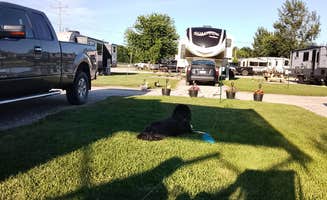
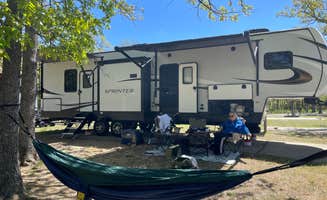
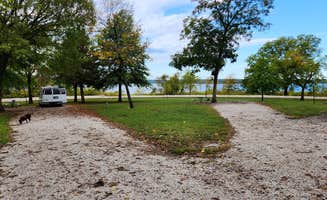
Campsite pad conditions: Most RV sites feature gravel pads that remain level even after rain. "The sites have a level gravel driveway; most sites are back-in," notes Fred S. about his experience at Sparrowfoot.
Hookup variations: Electric service is standard at most campgrounds, but water and sewer availability varies by location. "We were at A21 which is fine, but very close to the next site. However, A19 has a better lakeview," shares Darren from Berry Bend, highlighting the importance of specific site selection.
Dump station access: All major campgrounds provide dump stations, typically located near entrances. "Sites are level, electric only with easy access to fresh water and dump station as you enter the facility," describes Dan F. about Long Shoal campground.
Cell service limitations: Coverage varies significantly across the lake area. "No internet, no cell, no problem. Great beach with a beautiful view," states Lauri C. about Berry Bend, indicating spotty connectivity around certain campgrounds.
















 Guide
Guide


