Dispersed camping opportunities at Harry S. Truman Lake extend across several Missouri conservation areas within 40 miles of the lake. These primitive campsites offer vehicle accessibility on maintained gravel roads and flat, grassy areas suitable for both tent and RV camping. Most conservation areas permit stays up to 14 days with no reservation or fee required. Located at elevations ranging from 700-800 feet above sea level, the area experiences typical Midwestern seasonal changes with summer temperatures regularly exceeding 90°F.
What to do
Wildlife watching opportunities: The conservation areas surrounding Harry S. Truman Lake host diverse wildlife throughout the year. At Montrose Missouri Conservation Area, campers might find unexpected activities. "There is a super sweet local cat who befriended me here and made my visit so much better," reports Andi P. "One of the locals stopped by my site to look for arrowheads. Apparently, she has found a lot in the area so that's a good activity if the kids are bored."
Fishing access points: Multiple boat ramps and shore fishing locations exist around the lake's perimeter. "Beautiful Campsites on the opposite side of the boat drops and free," notes dwminph about the less crowded areas at Montrose. Fishing requires a Missouri fishing license, available online or at local retailers.
Stargazing conditions: The minimal light pollution in these rural areas creates excellent night sky viewing. "The stars were beautiful, the 'sites' were spacious and well spread out, and there is lots of shade," writes Sav about their experience at Montrose Conservation Area. Clearest skies typically occur during fall and winter months when humidity levels decrease.
What campers like
Spacious camping areas: Unlike designated campgrounds with marked sites, conservation areas offer open spaces where campers can spread out. At Poague Campsite #5, Logan M. found "This is great secluded spot, right off the highway. Perfect for what I was looking for to car camp." The generous spacing between campers creates privacy not found at developed campgrounds.
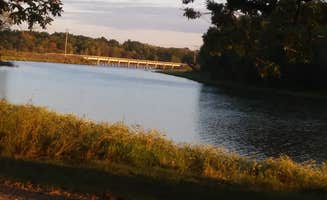
Budget-friendly option: The no-cost camping at conservation areas appeals to travelers on tight budgets. "Nice city park campground. Location was nice and quiet with beautiful views of lake... Verizon service was good. No other amenities. Nice location for an over night stop but not much more," explains Ron P. about their stay at Montrose.
Natural setting: Many campers appreciate the undeveloped surroundings. "Quiet, secluded Missouri Department of Conservation Area with free, designated camping near the road. The Little Niangua River is part of the conservation area with fishing and hunting allowed during appropriate seasons," notes Gary S. about Mule Shoe Conservation Area.
What you should know
Seasonal restrictions: Conservation areas impose varied seasonal limitations beyond just hunting closures. "Big lake, several sites to choose, good fishing, pit toilets. The sign says NO FISHING after Oct.14 because of duck season. Open for camping. Mowed, TP stocked, plenty of firewood and room for dogs to run," reports T N. about their October visit to Montrose Conservation Area.
Facility conditions vary: Bathroom facilities receive inconsistent maintenance throughout the year. "The pit toilet was really gross, but there was toilet paper," mentions Lee F. about their visit to Poague Campsite #4. Bringing personal toilet paper remains advisable during all seasons.
Informal fire areas: Without designated fire rings, campers should look for previously used sites. "While free, dispersed sites, there are easily established fire pit areas to choose from," writes Leni K. about Montrose. State fire regulations still apply during dry conditions or burn bans.
Tips for camping with families
Evening activities: Limited natural light after sunset requires planning. "We got to campsite pretty late, so when everyone was unpacked we went straight to bed. Shortly after we all passed out from the long and beautiful 16 hour drive, we started hearing all the wildlife and I will never forget waking up in the most beautiful place," shares Charles N. about their camping experience at Montrose Conservation Area.
Water conditions awareness: Lake water clarity and depth affect swimming possibilities. "Shallow muddy water but it does attract wildlife. A bit of road noise but tolerable. Perfect for our one night stay," explains Mark D. about rustic camping near Harry S. Truman Lake at Montrose. Water shoes are recommended for lake entry due to muddy bottoms.
Local resources: Small towns near conservation areas offer limited but essential services. "If you're looking for a good wine, you can find some at the local auto parts store. I am not kidding! I think it's Rick's Auto Parts and their liquor is priced very reasonably," shares Andi P. about unexpected shopping options near Poague Campsite #3.
Tips from RVers
Road conditions: Gravel access roads may present challenges during wet weather. "Right off the road, so no dirt roads to traverse. Signs were confusing as to whether it is ok to camp, but they didn't explicitly say no camping," notes Lee F. about Montrose Conservation Area. RVs should approach with caution after heavy rainfall.
Level parking areas: Parking surfaces vary considerably between conservation areas. "You could definitely get a big rig in and out of here on the looped gravel roads," explains Sav about Montrose's accommodating layout. Most conservation areas lack designated parking pads or leveling blocks.
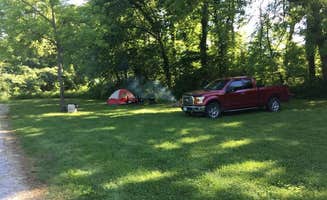
Limited hookups: All conservation areas provide rustic camping without utilities. "Large grassy area with plenty of room to set up a tent or camper," mentions Lee F. about Montrose. RVs must operate self-contained with sufficient water and power for the duration of stays.





 Guide
Guide


