Tent camping near Harry S. Truman Lake offers primitive opportunities across diverse terrain ranging from woodland areas to riverside locations. Most campsites within the conservation areas require travel on gravel roads that can become challenging during rainy seasons. Winter camping is possible but limited by freezing temperatures that typically occur from November through March.
What to do
Fishing access: McCubbins Point provides direct lake access with a public boat ramp for anglers seeking crappie and bass. One visitor noted, "Public boat ramp nice cooking spots" making it convenient for campers who want to cook their catch.
River exploration: At Fiery Fork Conservation Area, campers can explore both the lake and connecting waterways. A reviewer mentioned, "It's a great place to launch a boat from or just to wade in a bit and fish. Fly fishing can be done easily from the bank or just by wading in a bit."
Wildlife observation: Conservation areas around Truman Lake provide habitat for diverse wildlife. According to one camper at Fiery Fork Conservation Area, "We were able to see some wildlife while staying there as well. Armadillos, deer, and a few different bird types could be found easily."
What campers like
Affordable options: Budget-conscious campers appreciate the free camping at conservation areas. One camper at Fiery Fork Conservation Area shared, "A nice place if you're on a budget and just need a get away."
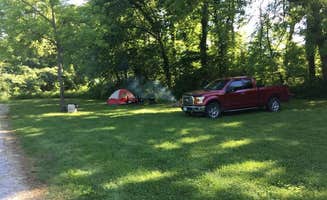
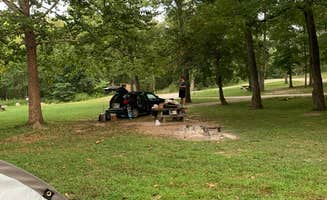
Spacious sites: Many conservation area campsites offer good separation between sites. A reviewer commented on Fiery Fork: "Nice area to camp not crowded, plenty of space between camp sites, and peaceful."
Natural features: The region offers water access combined with tree cover. One camper at Farrington City Park appreciated the maintained environment: "Beautiful, well maintained. The park itself is well-maintained, and the staff is very helpful and friendly."
What you should know
Road conditions: Access roads to primitive sites can be challenging in poor weather. A Fiery Fork camper warned, "The road down was very sketchy for my 2008 Mazda 3."
Trash management: With no waste services at many conservation areas, pack-out requirements apply. One visitor at Fiery Fork Conservation Area advised, "There is no dumpster so be prepared to take your trash with you."
Cell service limitations: Connectivity is very limited throughout the region. A reviewer stated, "We had AT&T for our cell service and there was absolutely NO service there which was good to get away, but bad in an emergency."
Tips for camping with families
River beaches: Some areas offer natural sand areas for children. A camper at Fiery Fork noted, "We decided it would be a nice place to bring our kids since there is quite a bit of 'beach' at the river access for them to play and see nature."
Consider seasonal crowds: Family camping experiences vary by season. One camper at Bledsoe Ferry simply stated, "What a great place for the family. Awesome."
Bathroom facilities: Most conservation areas provide only basic facilities. A Fiery Fork visitor mentioned, "The latrine had plenty of toilet paper which was nice as well," which can be important for families.
Tips from RVers
Size limitations: Smaller RVs fare better on conservation area access roads. A camper advised, "I recommend smaller RVs due to the 2 miles of gravel and high water areas you go through to get there."
Flat camping surfaces: Level sites are available but limited. According to one RVer at Fiery Fork, "The area was mowed, had a rock fire place, concrete picnic tables, flat-level surface!"
Generator considerations: Some areas permit generators for power needs. One camper noted hearing a neighbor's generator "for a bit" but mentioned they were "perfect neighbors" otherwise.




 Legend


